



Vintage Parlor Settee
A vintage parlor settee brings character and comfortable seating to a room, offering the charm of earlier centuries in a compact domestic scale.
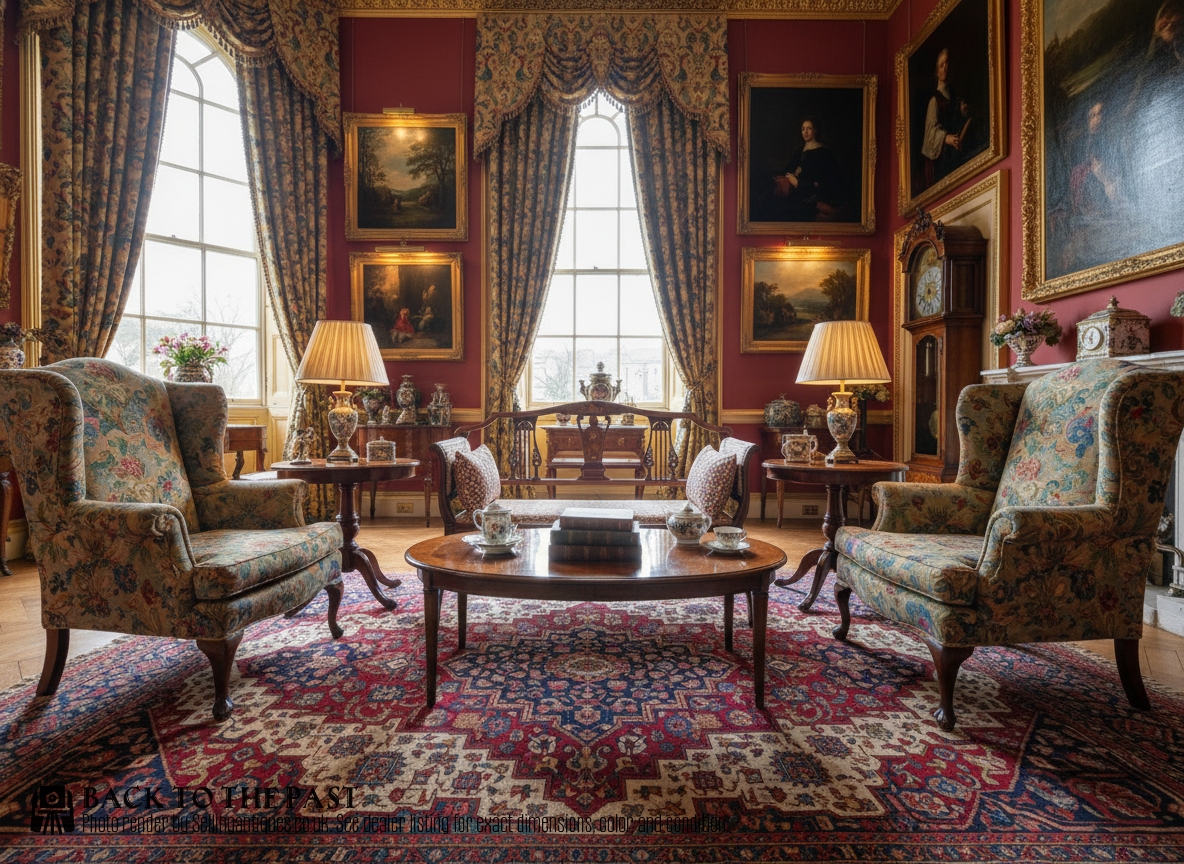
Vintage Parlor Settee
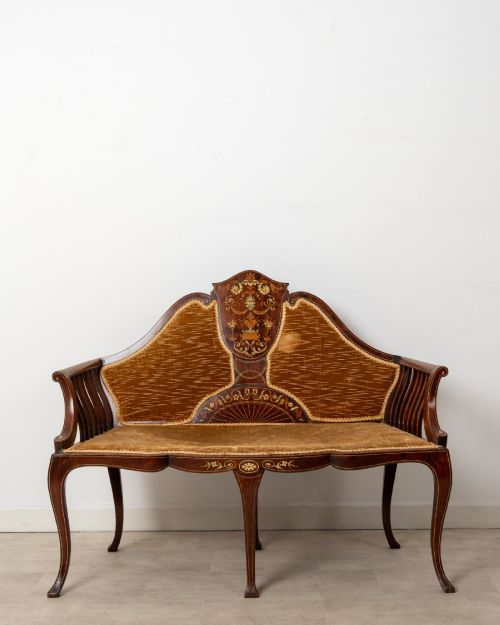
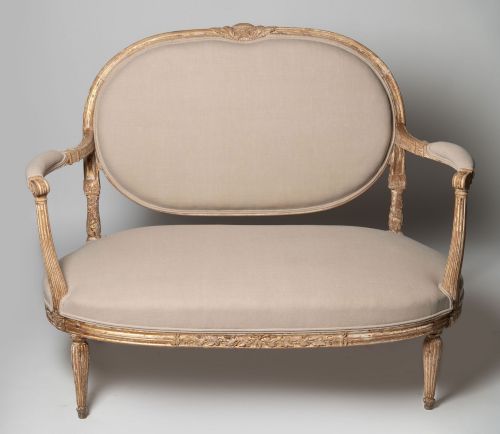
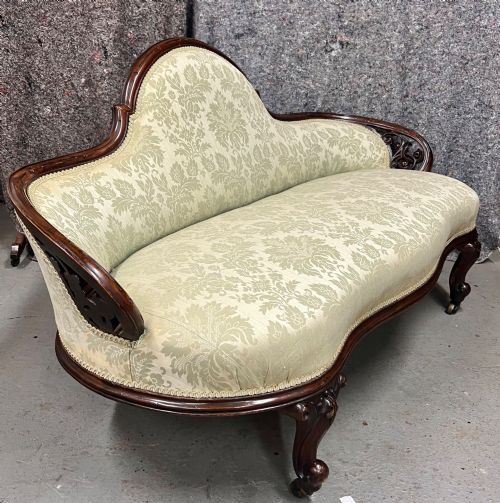
A vintage parlor settee is a upholstered two or three-seater seating piece designed for formal reception rooms, appearing in various stylistic revivals from the nineteenth and early twentieth centuries. These pieces encompass everything from straightforward mahogany frames to elaborate French-inspired giltwood and painted canapés.
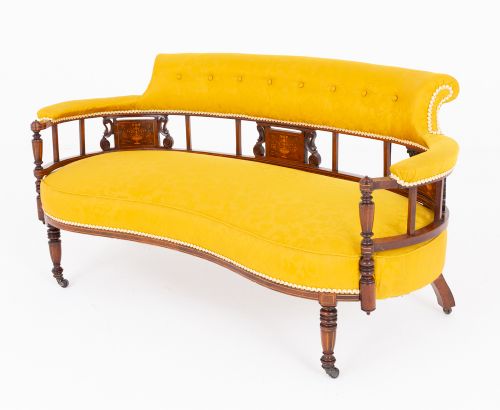
The selection leans heavily towards Edwardian and Victorian examples, often featuring mahogany structures with satinwood inlay or walnut frames. Buyers frequently encounter pieces dating from the eighteen-eighties through to nineteen-thirty, reflecting diverse aesthetics from French Rococo Revival to Arts and Crafts.
Many items arrive as part of larger salon or parlour suites, paired with matching chairs to form a unified seating arrangement. Others stand alone as statement sofas designed for intimate conversation spaces.
How they were made
Makers constructed the structural frames primarily using solid timbers like mahogany, walnut, oak, and rosewood, often applying intricate satinwood inlay or gilding to the visible woodwork. Carved walnut and giltwood versions display detailed floral or scroll motifs typical of French and Victorian revival styles.
Upholstery forms the core of these seats, utilising traditional textiles such as damask, various upholstery fabrics, and cane panels for backrests. The survival of original or period-appropriate fabric adds significant tactile value to the piece.
Mahogany and walnut dominate the timber frames across these listings, frequently paired with damask or woven upholstery fabric.
What varies in quality
The sophistication of the timber framing and the precision of the inlay work largely determine the calibre of a vintage parlor settee. Pieces bearing maker attribution, such as those by Maple and Co, demonstrate superior cabinet-making standards compared to unmarked workshop output.
The integrity of the carved details and the choice of surface finish, whether original paint, rich French polish on mahogany, or water gilding, set finer examples apart from simpler domestic seating.
Maple and Co·Baumann
The Vintage Parlor Settee Glossary
- Canapé
- An ornamental French upholstered sofa with an exposed wooden frame. These typically feature carved or painted woodwork reflecting Louis XVI or Rococo styles.
- Bergère
- An enclosed upholstered armchair or sofa with padded sides. This style often incorporates caning on the back and sides.
- Satinwood inlay
- A decorative technique where contrasting light satinwood is fitted into recesses carved into a darker wood background like mahogany. This ornamentation defines many Edwardian pieces.
- Giltwood
- Timber treated with gold leaf or metallic paint to create a brilliant decorative surface. It appears frequently on French-influenced salon seating.
- Salon suite
- A matched set of seating furniture comprising a settee and several armchairs. These suites furnished formal entertaining spaces in large nineteenth-century homes.
Vintage Parlor Settee: Frequently Asked Questions
Where did people place a parlor settee?
Homeowners traditionally positioned these settees in formal reception rooms, drawing rooms, or private parlours designed for receiving guests.
They served as principal seating elements during social calls, afternoon tea, and polite conversation.
How do I distinguish Edwardian from Victorian settees?
Victorian pieces tend to feature heavier, darker timber frames with deep button upholstery and ornate, heavily carved ornamentation.
Edwardian examples usually present lighter mahogany frames, often brightened with delicate satinwood inlay and more restrained proportions.
Can I use these settees for daily sitting?
While structurally robust, these antique seats were built for lighter domestic use and formal entertaining rather than heavy modern lounging.
Many surviving pieces benefit from professional reupholstery or internal reinforcement if intended for regular daily seating.
What does a salon suite include?
A complete salon suite typically pairs a main two or three-seater settee with matching armchairs or occasional chairs.
These coordinated groupings allowed nineteenth-century households to furnish a room in a single, harmonious decorative style.