


Vintage Panelled Screen
When you search for a vintage panelled screen, you find folding dividers, fire screens and wall panels in wood, brass, lacquer and canvas.
Vintage Panelled Screen
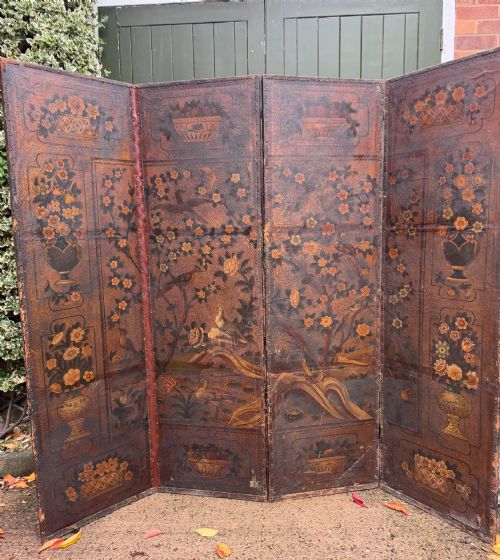
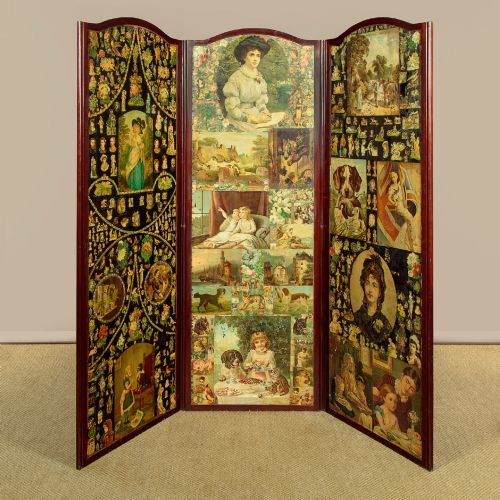
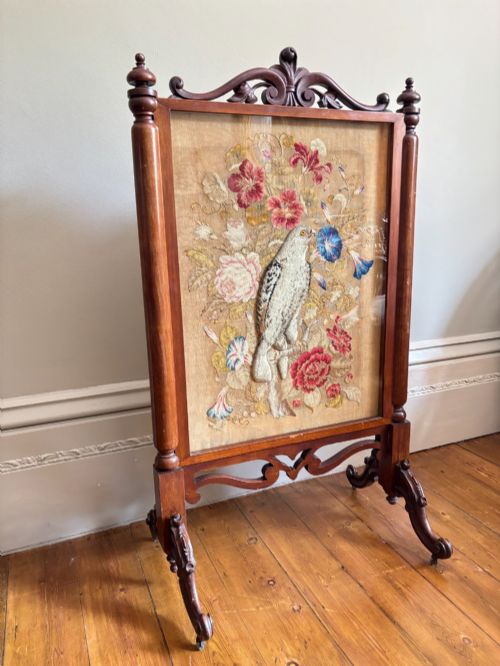
A vintage panelled screen divides a room, protects a hearth or decorates a wall using hinged leaves or standalone panels. You will frequently meet folding screens and fire screens spanning the nineteenth and twentieth centuries.
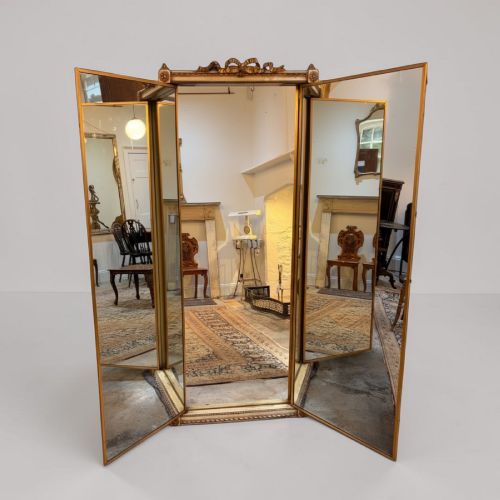
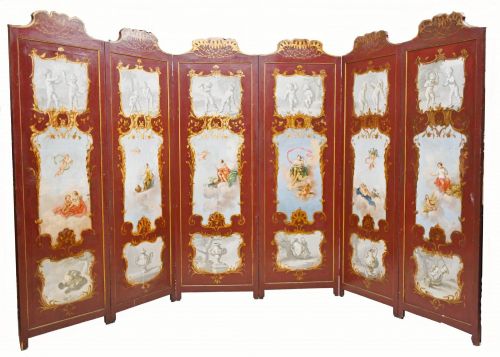
Makers utilised various forms including three, four and six-fold dividers alongside dressing screens and table screens. These objects originate from English, French, Dutch and Oriental workshops across different eras.
The evidence shows diverse styles such as Chinoiserie, Art Nouveau, Arts and Crafts and Victorian Rococo Revival. Each piece brings specific period characteristics to domestic spaces.
Materials and construction methods
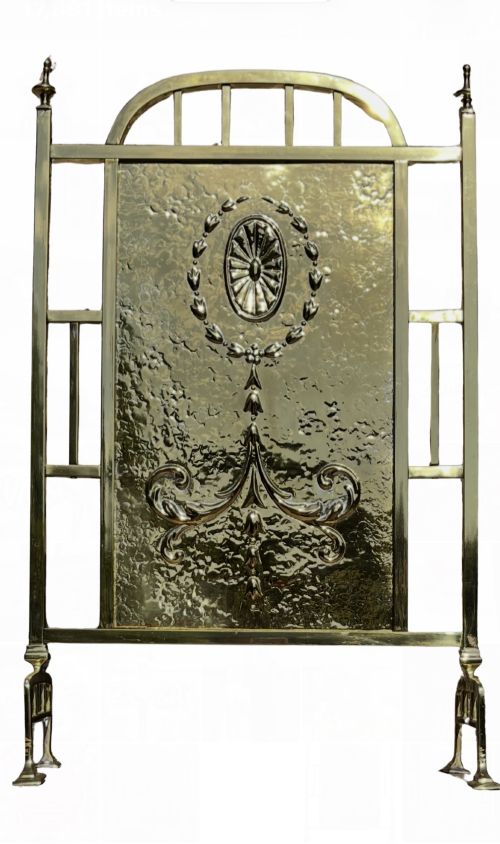
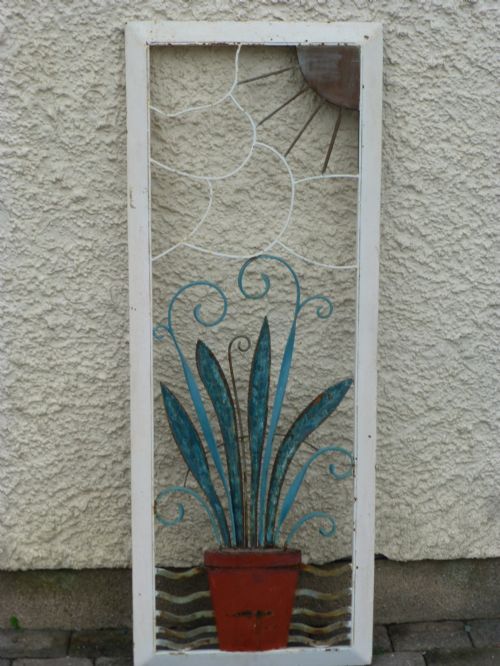
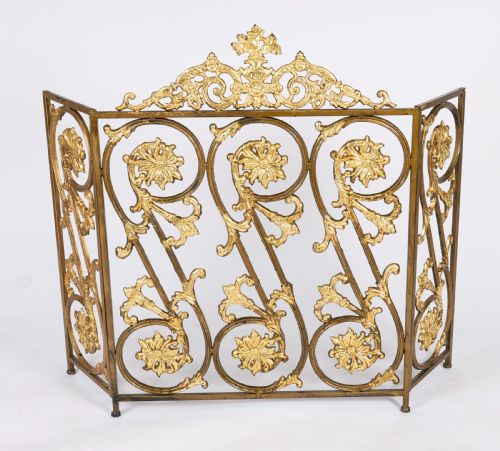
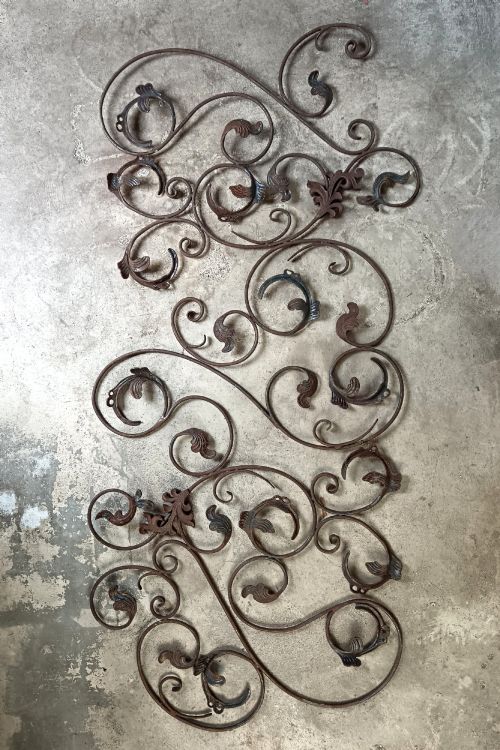
Wood forms the primary structure for many screens, often combined with mahogany, oak or walnut frames. Brass and wrought iron appear frequently in fire guards and architectural supports.
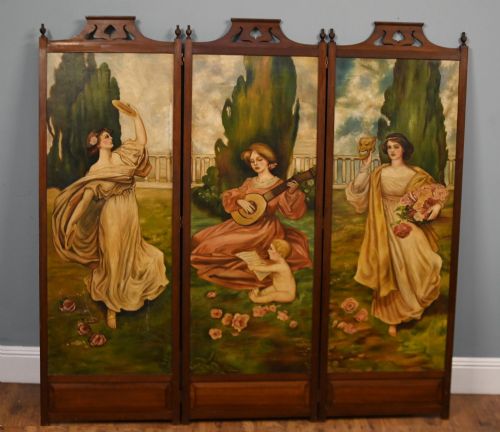
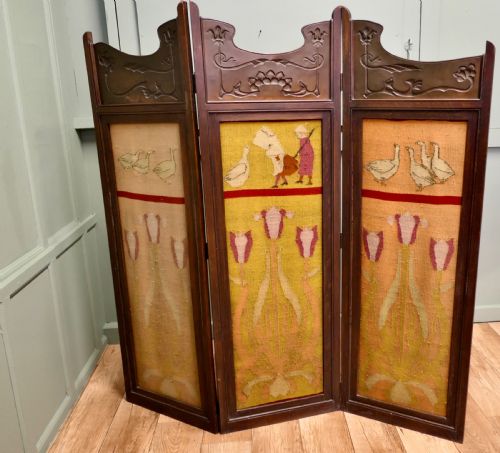
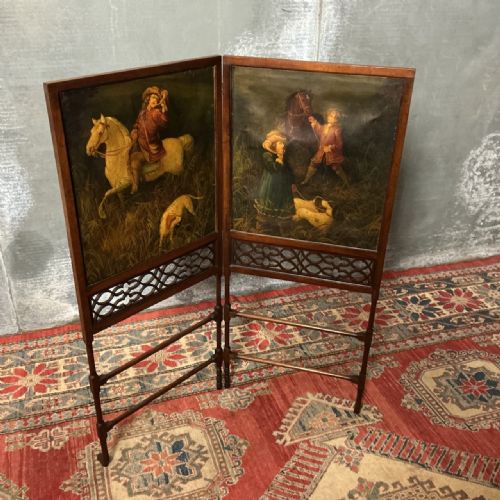
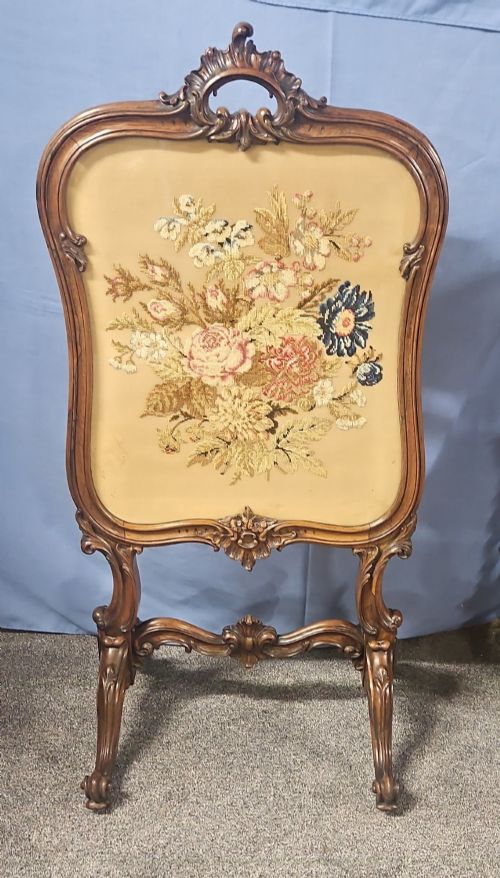
Surfaces feature oil paint, lacquer, canvas, leather and glass panels. Craftspeople applied needlepoint, embroidery, oil paintings and scrap work directly onto these supports.
Inlay techniques incorporate abalone, mother-of-pearl and hardstone into lacquered frames. Metal elements utilise cast bronze, copper and iron.
Vintage Panelled Screen Retail Price Guide 2026
Typical asking prices for vintage panelled screen among the pieces listed under this phrase on Sellingantiques today, from the lower quarter to the upper quarter. They describe what is for sale here now, not the wider market.
Listings feature screens from the nineteenth and twentieth centuries, spanning Victorian, Edwardian, Art Deco and Arts and Crafts periods.
Distinctions in quality and execution
Execution of decorative surfaces dictates the distinction between standard items and exceptional examples. Hand-painted oil panels, intricate Chinoiserie lacquer and detailed needlework display superior artistic input.
Material selection separates robust pieces from lighter constructions. Solid hardwoods and substantial brass or bronze mounts provide structural longevity compared to simpler pine or thin wire frames.
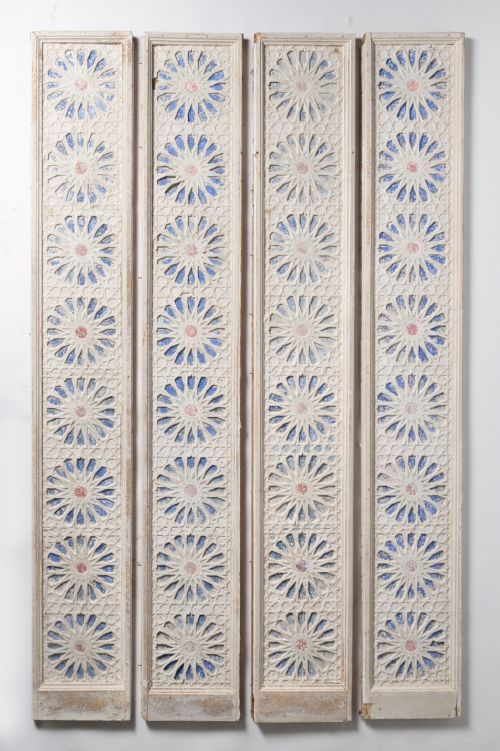
Complexity of hinges and panel configuration influences overall utility. Multi-fold screens with integrated oil paintings or carved fretwork demonstrate advanced cabinetmaking skills.
Raymond Subes·William Morris
The Vintage Panelled Screen Glossary
- Fire screen
- A protective panel placed before an unlit hearth. It shields occupants from residual heat and drafts.
- Chinoiserie
- European interpretations of Chinese and East Asian artistic traditions. This style utilises lacquer, gilt and painted motifs.
- Berlin work
- A type of needlepoint embroidery popular in the nineteenth century. It used brightly coloured wools on canvas grids.
- Triptych
- A panel arrangement divided into three sections or folds. These frequently display oil paintings or mirrors.
- Fretwork
- Ornamental perforated woodwork created by cutting patterns through thin timber. It appears on panels and table screens.
Vintage Panelled Screen: Frequently Asked Questions
What is a panelled screen used for?
These screens partition large rooms, create private dressing areas and block hearth drafts.
They also serve as decorative wall panels or display backdrops in domestic interiors.
How do I identify a Victorian screen?
Victorian examples often feature walnut or mahogany frames with Berlin work panels or brass fire guards.
Stylistic markers include heavy ornamentation and revival designs like Rococo or Gothic elements.
What materials are common on antique screens?
Common materials include wood frames fitted with canvas, leather, glass or oil-painted panels.
Metal versions utilise brass, copper and wrought iron for freestanding stands and folding frames.
Are Chinoiserie screens antique?
Chinoiserie screens span multiple centuries, with numerous examples surviving from the nineteenth and early twentieth centuries.
They typically feature lacquered surfaces and hand-painted Oriental motifs.