



Vintage Painted Cocktail Table
A vintage painted cocktail table brings character to a room through hand-applied colour and decorative motifs.
Vintage Painted Cocktail Table
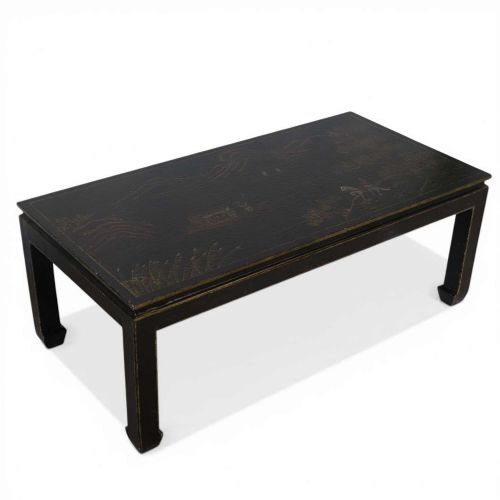
A vintage painted cocktail table serves as a low surface for living rooms, drawing on forms from the nineteenth and twentieth centuries. These pieces function as coffee tables and occasional tables while displaying distinctive surface decoration.
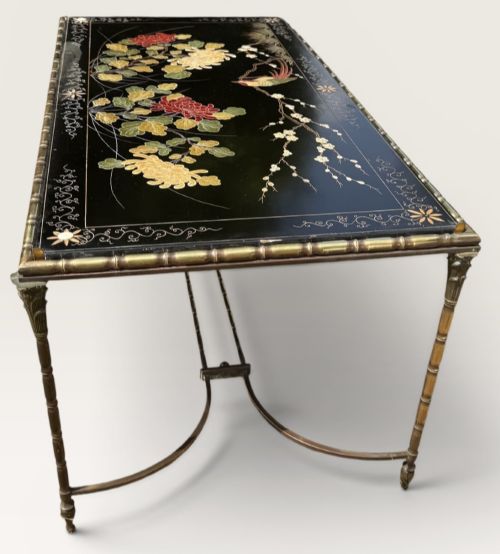
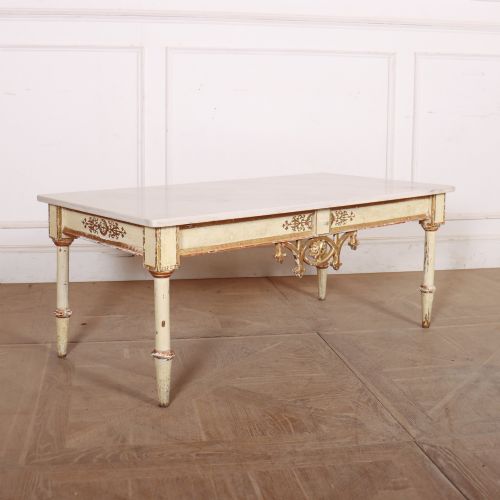
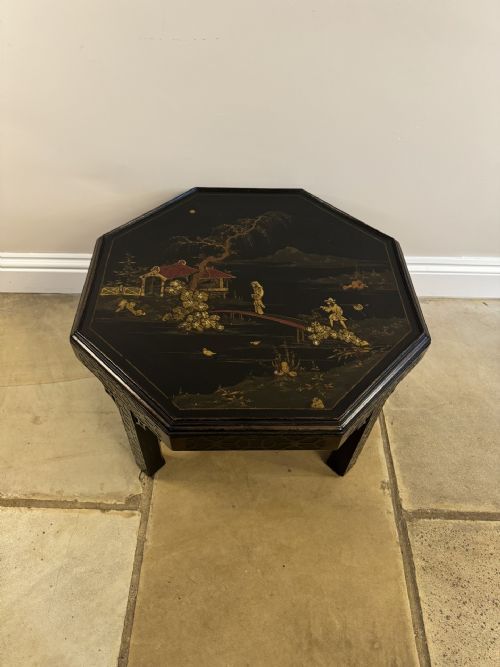
The selections on this page encompass styles such as Chinoiserie, Edwardian Chinoiserie, Regency style, Italian Neoclassical, and Scandinavian Country. You will frequently encounter forms featuring Japanned decoration or painted scenes alongside simpler rustic wooden constructions.
Origins span English, French, Italian, Danish, and Chinese workshops, dating from the Victorian era through the early decades of the twentieth century. Forms range from circular tray tables to rectangular coffee tables with marble or lacquered tops.
How these tables were constructed
Construction relies primarily on wood, including pine and oak, finished with layers of paint, lacquer, or gilt. Artisans applied decorative scenes by hand, often building up glossy surfaces that reflect light.
Certain examples incorporate inset marble tops supported by wooden frames, whilst others utilise brass fittings. Tray tables feature raised edges designed to secure glassware and accessories during use.
Vintage Painted Cocktail Table Retail Price Guide 2026
Typical asking prices for vintage painted cocktail table among the pieces listed under this phrase on Sellingantiques today, from the lower quarter to the upper quarter. They describe what is for sale here now, not the wider market.
Several tables retain hand-painted scenes so detailed that entire miniature worlds hide in plain sight on your coffee cup's landing pad.
Judging the quality of painted tables
Quality rests in the execution of the decorative surface and the depth of the finish. Finely detailed hand-painted scenes demonstrate superior craftsmanship compared to simpler stencilled patterns.
The integrity of the timber and the stability of the frame distinguish better pieces. Original painted surfaces hold greater interest for collectors than later overpainting.
Maison Bagues
The Vintage Painted Cocktail Table Glossary
- Chinoiserie
- European decorative style reflecting Chinese artistic traditions. It frequently appears on lacquer furniture featuring figures, landscapes, and pavilions.
- Japanning
- European imitation of Japanese and Chinese lacquerwork. Craftsmen built up layers of varnish and resin to create a dark, glossy background for gilt motifs.
- Tray table
- A low table comprising a detachable or fixed tray top resting upon a folding or rigid stand. This form developed for serving drinks and refreshments.
- Occasional table
- A small, versatile table designed for intermittent use around a sitting room. They appear in various heights and shapes to suit different seating arrangements.
Vintage Painted Cocktail Table: Frequently Asked Questions
What is a vintage painted cocktail table used for?
These tables serve as central surfaces in sitting rooms for holding drinks, books, and decorative objects. Their decorative finishes allow them to function as visual focal points within an interior scheme.
Lower in height than dining or side tables, they suit placement directly in front of sofas and armchairs for easy access.
How do I identify a Chinoiserie table?
Chinoiserie tables feature characteristic painted or lacquered scenes depicting figures, pagodas, and botanical motifs in gilt or contrasting colours. The backgrounds are typically dark, finished in black, green, or red lacquer.
These motifs reflect European interpretations of East Asian design popular during the eighteenth, nineteenth, and early twentieth centuries.
Are marble top tables heavy?
Tables featuring inset marble tops possess considerable weight due to the stone slab. This heavy top provides stability but requires care when moving the furniture across floors.
The stone is usually set directly into a wooden frame designed to support the downward load.
How do I care for a painted wooden surface?
Painted and lacquered surfaces require gentle cleaning with a soft, dry cloth to remove dust. Moisture should be kept away from older finishes to prevent lifting or water marking.
Using coasters and placemats protects the decorative paintwork from condensation and heat damage during everyday use.