




Nineteenth Century Low Table
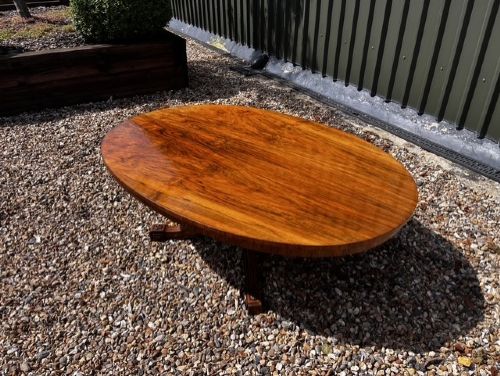
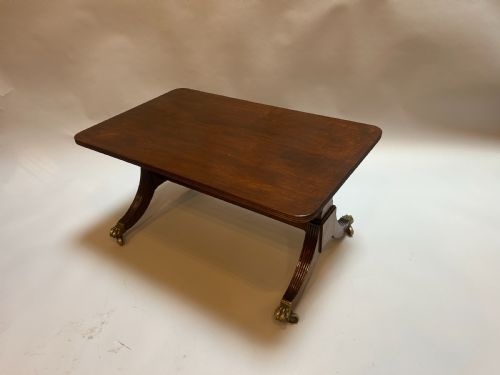
These nineteenth century low tables bring sturdy timber, rich walnut, and low proportions to sitting rooms, offering a practical surface with real historical character.
Nineteenth Century Low Table
A nineteenth century low table covers a variety of low-slung timber forms, from converted wine tables and tray tables to adapted stools and benches. Buyers seeking this phrase will find pieces originating from English, French, Swedish, and Indian workshops, spanning the Victorian era and earlier decades.
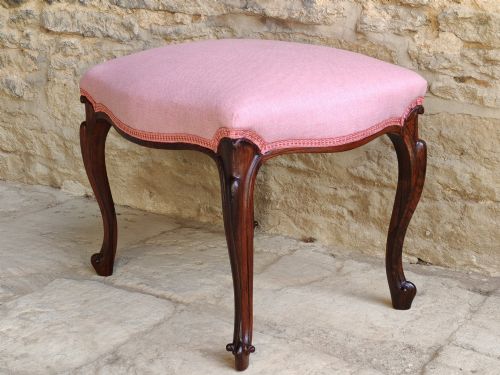
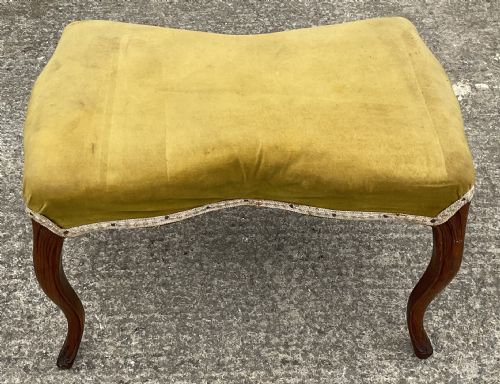
The selection frequently includes walnut coffee tables, occasional tables, and low seating adaptations like ottomans and footstools. These pieces serve modern living rooms well by bringing historical timber and varied regional styles into contemporary spaces.
Materials and Construction
Cabinet makers built these low tables primarily in solid timbers such as mahogany, walnut, oak, and pine, often finished with polished surfaces or painted details. Brass hardware and lacquered finishes appear on specialised pieces like Chinoiserie tray tables.
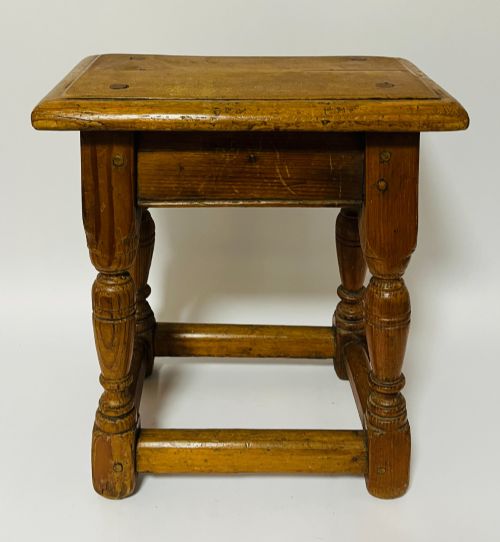
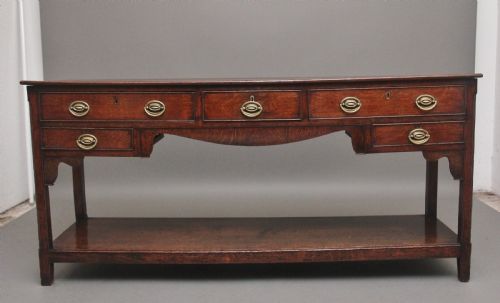
Many low examples originated as taller tables, wine tables, or joint stools that were later lowered for domestic use, whilst others were constructed as dedicated low seating or opium and tea tables from the outset.
Nineteenth Century Low Table Retail Price Guide 2026
Typical asking prices for nineteenth century low table among the pieces listed under this phrase on Sellingantiques today, from the lower quarter to the upper quarter. They describe what is for sale here now, not the wider market.
The selection includes walnut, oak, pine, and mahogany, spanning Victorian, Georgian, and Swedish Biedermeier periods.
Assessing Quality and Character
Quality rests in the selection of timber grain, particularly in figured walnut and rich mahogany, alongside the integrity of the original joints and framing. Maker attribution, such as documented cabinet work from prominent firms, elevates certain examples significantly.
The proportion and balance of pieces that have been lowered from taller formats determine their success as low tables. Superior examples retain harmonious lines and honest timber surfaces without clumsy alterations.
Holland & Sons Of London·Gillows of Lancaster and London
The Nineteenth Century Low Table Glossary
- Biedermeier
- A Scandinavian and German style emphasising clean lines and domestic comfort, seen here in polished veneers and restrained form.
- Chinoiserie
- European decorative style employing traditional Chinese motifs, frequently executed in lacquer on tables and trays.
- Joint Stool
- An early form of wooden stool joined with pegs and mortise-and-tenon construction, often adapted into low occasional tables.
- Occasional Table
- A small, movable table intended for intermittent use rather than central dining.
Nineteenth Century Low Table: Frequently Asked Questions
What are nineteenth century low tables?
These pieces comprise low timber tables, stools, and benches dating through the nineteenth century, including coffee tables, wine tables, and tray tables.
They draw on diverse regional styles from English country pieces to Swedish Biedermeier and Anglo-Indian designs, offering low surfaces suited for modern rooms.
How were these low tables used?
Original functions varied widely, from serving drinks and games to supporting tea sets, opium, or serving as domestic seating and footstools.
Many surviving examples were later adapted from taller tables or joint stools to serve as low coffee tables in nineteenth century and later interiors.
How do I live with a low table?
These tables integrate easily into living spaces as central coffee tables or side surfaces, pairing well with contemporary and traditional seating alike.
Their sturdy timber construction and low profiles make them durable for daily use while adding distinct period character to a room.
How are different periods told apart?
Early nineteenth century and George IV pieces tend to feature heavy mahogany and formal classical lines, whereas mid to late Victorian items often utilise walnut and more ornate framing.
Regional variations, such as French pine benches or Swedish Biedermeier veneers, show distinct craftsmanship traditions spanning the decades.