


Vintage Painted Bedroom Furniture
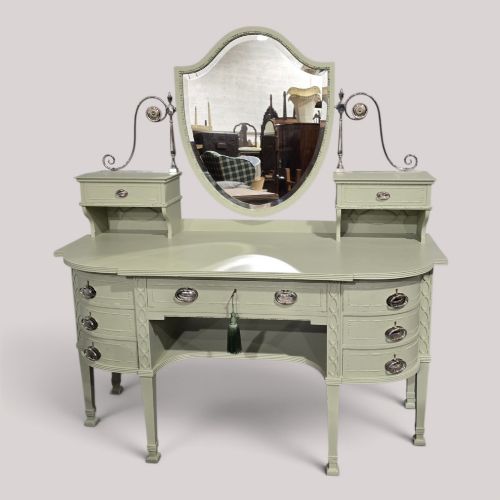
These vintage painted bedroom furniture pieces bring character and colour to a room, ranging from country pine to grand satinwood wardrobes.
Vintage Painted Bedroom Furniture
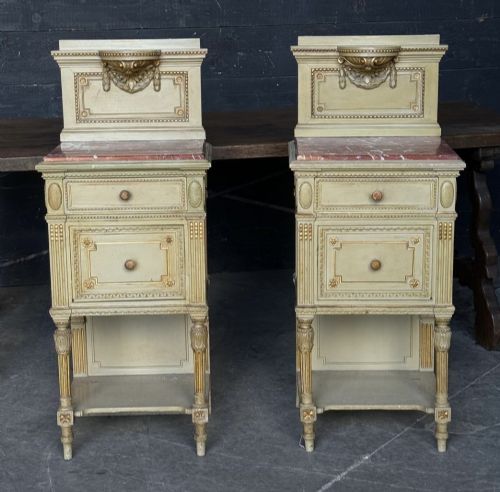
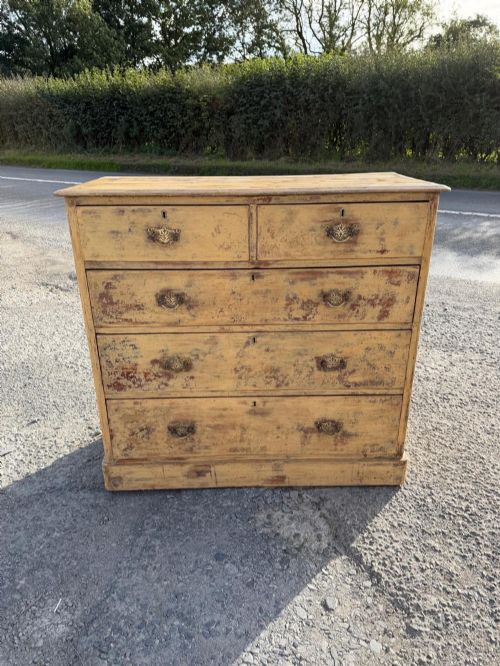
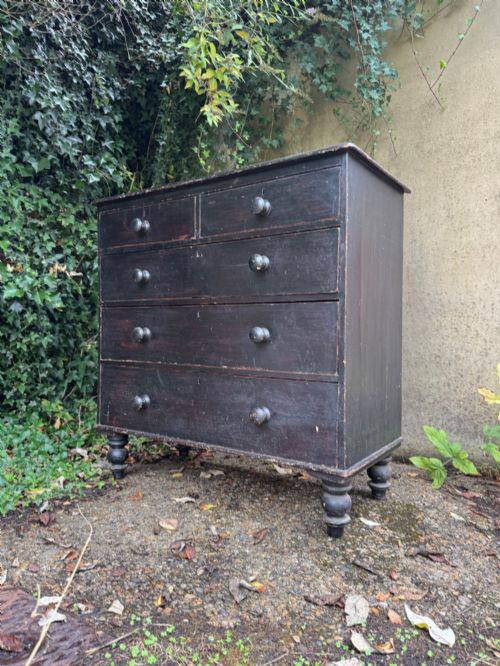
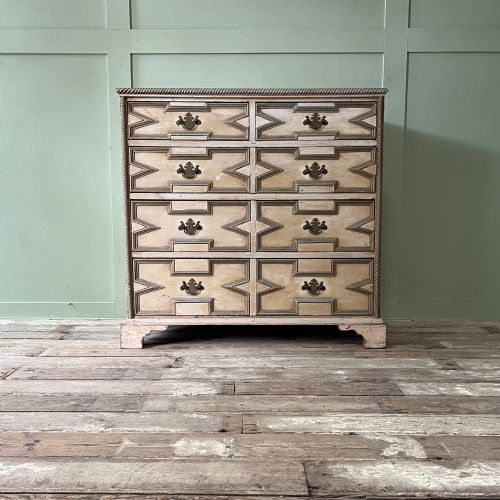
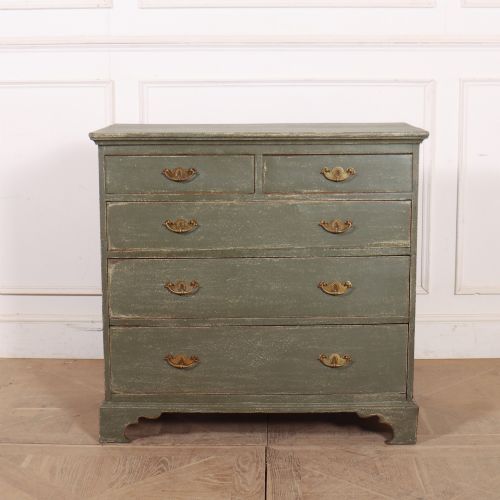
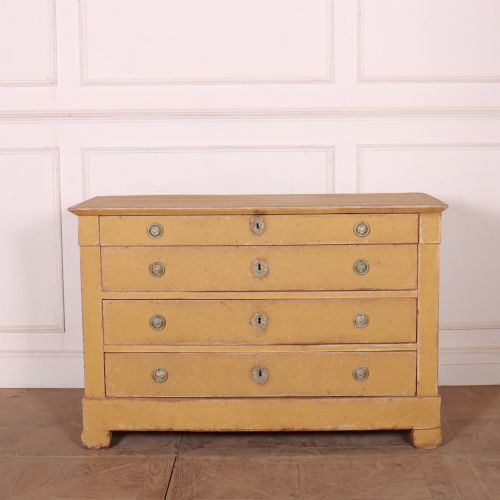
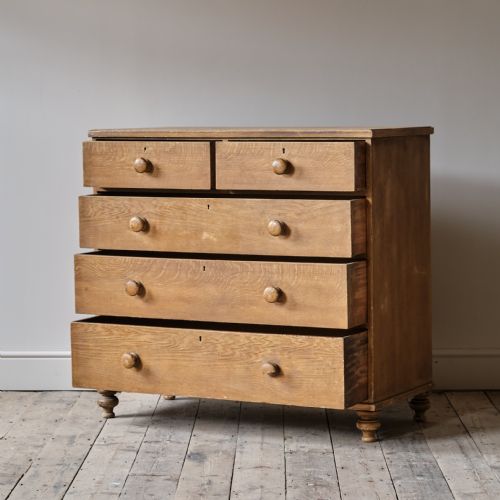
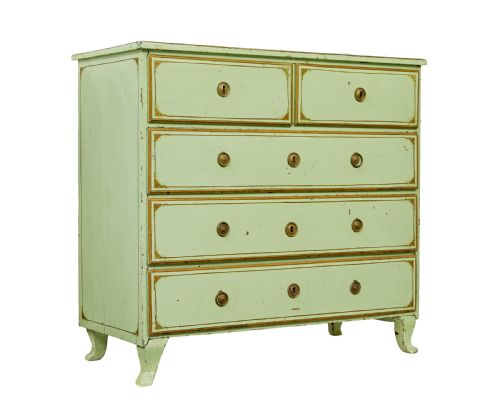
Vintage painted bedroom furniture encompasses chests of drawers, wardrobes, commodes, and bedside cabinets sourced from various European and English traditions. Buyers searching this phrase most frequently encounter 19th-century pine chests of drawers and commodes finished in original or later decorative paint. These storage pieces reflect vernacular rural styles alongside more refined urban cabinet-making from the Victorian, Edwardian, and Georgian periods.
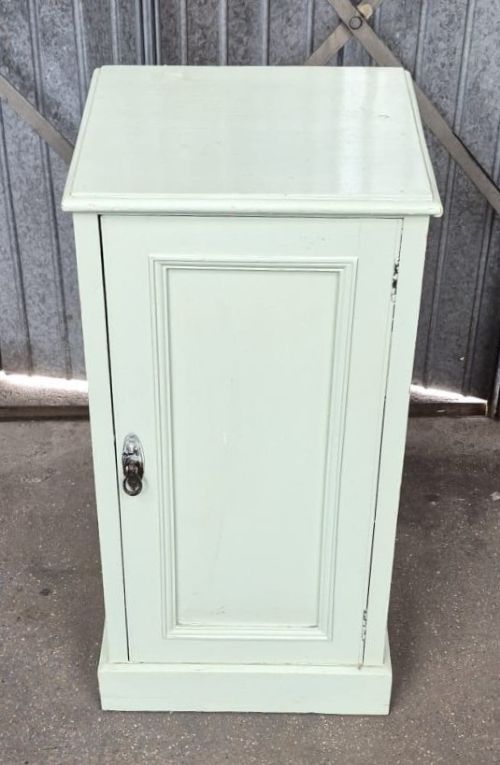
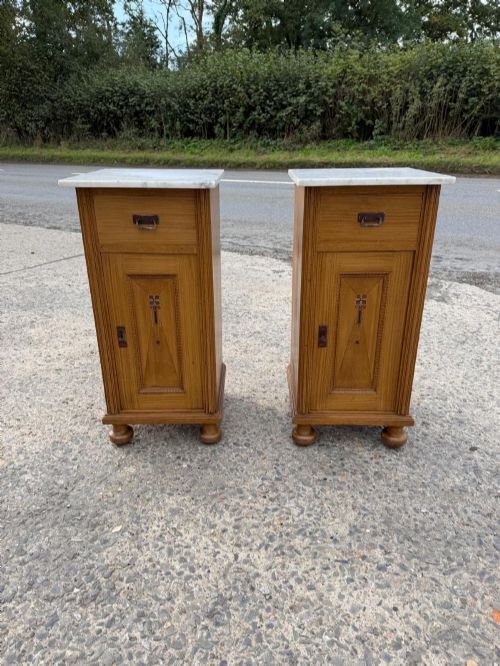
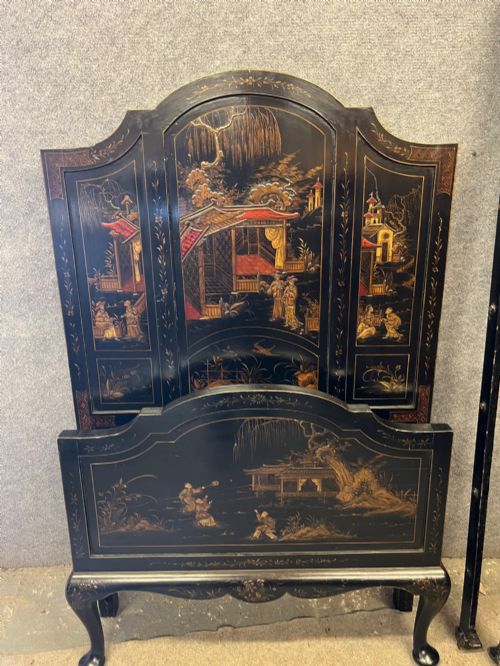
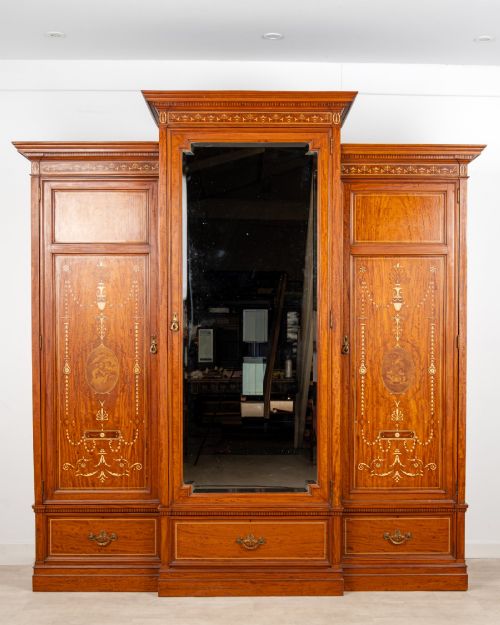
The selection spans robust English country pine, pale Swedish commodes, French provincial armoires, and elaborate Chinoiserie or Japanned cabinets. Bedsteads and bedside cupboards also appear, offering matching proportions for domestic settings. Each piece provides practical bedroom storage while displaying the distinct brushwork, scumble glaze, or gilding characteristic of its era.
Origins vary widely across the inventory, with pieces hailing from English workshops, Hungarian farmhouses, Swedish estates, and Italian studios. Dating stretches from the 18th century through the Regency era and into the early decades of the 20th century. This breadth allows collectors to find matching pairs of bedside cabinets or single statement armoires depending on their space.
Materials and construction methods
Construction relies heavily on solid woods such as pine, satinwood, and assorted hardwoods, shaped by traditional joinery techniques like dovetailing on drawer boxes. Cabinetmakers utilised metal hardware including brass handles, iron hinges, and glass mirror plates to finish wardrobes and chests. The structural integrity depends on the quality of the timber framework and the stability of the carcase over centuries of use.
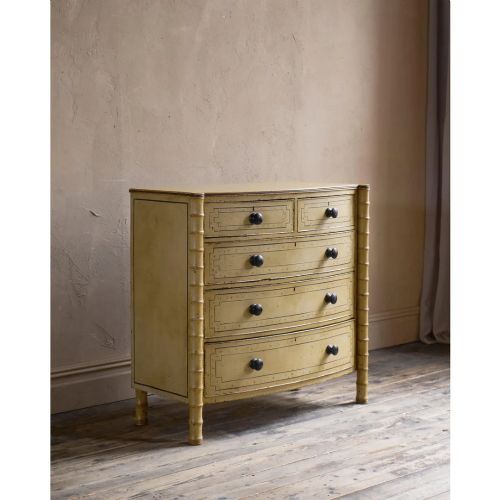
Surface decoration defines these items, employing oil paint, scumble glazes, japanning, and gilt highlights applied over prepared wooden substrates. Original paint layers often survive beneath later decorative schemes, showing the evolution of domestic tastes across generations. Specialised finishes like faux bamboo mouldings or hand-painted Chinoiserie motifs required skilled artisan hands rather than mass production.
A signed country house chest bears witness to an era when furniture makers turned humble pine into whimsical art.
What distinguishes the quality
Quality rests primarily in the survival of original decorative surfaces, where untouched scumble paint or authentic period Japanning holds greater appeal than later repainting. The sophistication of the hand-painted details, such as delicate Chinoiserie motifs or intricate gilding, separates standard utilitarian pieces from high-end artisan commissions. Structural soundness, including smooth drawer action and intact timber frames, underpins the lasting integrity of the furniture.
Attribution to notable retailers or designers elevates certain pieces above standard domestic wares, linking items to established firms and makers of the period. The harmony of proportions and the preservation of period hardware, such as original brass pulls or mirrored doors, contribute further to an item's standing. Finer examples combine robust regional construction with sophisticated surface artistry that has aged gracefully.
Sir Clough Williams-Ellis·Maples & Co.·Harrods
The Vintage Painted Bedroom Furniture Glossary
- Scumble paint
- A decorative glazing technique where a translucent layer of darker paint is manipulated over a lighter base coat to imitate wood grain or create textured patterns. This finish was widely applied in country houses during the nineteenth century.
- Japanning
- A European imitation of East Asian lacquerwork achieved through layers of varnish and painted motifs, often finished in pale cream or black grounds. It gained popularity during the Georgian and early twentieth-century periods.
- Commode
- A low chest of drawers or cabinet originating from French design traditions, frequently featuring decorative painted or gilt surfaces. These pieces served functional storage roles in stylish bedrooms.
- Faux bamboo
- Wood turned and carved to resemble natural bamboo stalks, a decorative style favoured during the Regency and nineteenth-century periods. Painted finishes were often applied to enhance the imitation.
- Satinwood
- A durable, lustrous timber from tropical trees with a yellowish sheen, frequently utilised for Edwardian bedroom suites and fine inlaid cabinets. It provided a smooth surface ideal for delicate painted decoration.
Vintage Painted Bedroom Furniture: Frequently Asked Questions
How do I identify original paint?
Original painted surfaces show natural craquelure, authentic wear patterns around handles, and consistent pigment adherence beneath subsequent layers of dust or wax. Examining the edges and interior surfaces reveals whether the paint matches the age of the underlying timber.
Paint applied in later decades often sits uniformly over modern repairs or lacks the subtle tonal variations created by decades of light exposure and domestic cleaning. Comparing the pigment type and brush technique with documented period examples helps confirm authenticity.
What is scumble paint?
Scumble paint is a decorative technique involving a translucent coloured glaze dragged or combed across a lighter base coat to create mottled or grained effects. It was frequently used on nineteenth-century pine furniture in country houses to add texture and depth.
This durable finish protected the softwood beneath while offering an affordable alternative to costly exotic timbers. Over time, scumble develops a rich patina that collectors prize for its visual warmth.
Are these pieces suitable for modern bedrooms?
These items offer practical storage solutions, from tall wardrobes to compact bedside cabinets, fitting comfortably into contemporary room layouts. Their painted finishes introduce soft neutral tones or vibrant accents that complement modern interior schemes.
Consider measuring doorway clearances and internal drawer depths to ensure the furniture meets your daily storage requirements. Combining antique chests with modern decor creates a balanced, layered interior.