



Vintage Ornamental Urns
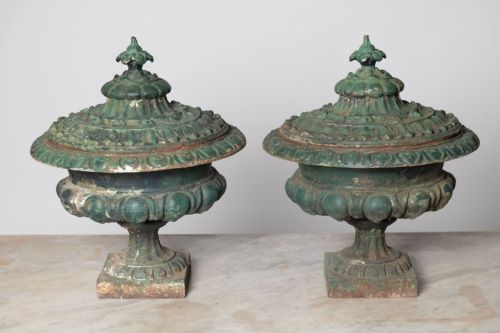
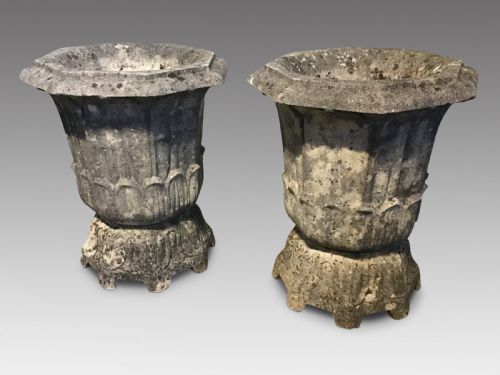
These vintage ornamental urns bring classical presence to a room or garden, shaped in bronze, cast iron and marble.
Vintage Ornamental Urns
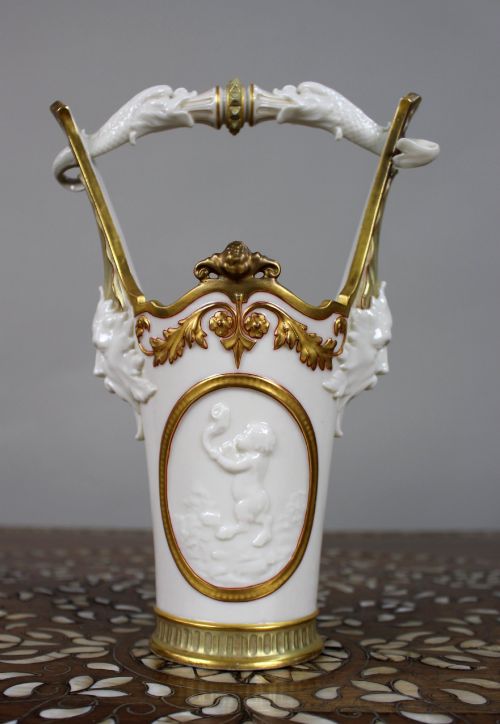
Vintage ornamental urns span interior decorative pieces and heavy garden vessels, drawing primarily on neoclassical and Victorian design. When you search for vintage ornamental urns, you encounter everything from grand cast iron campana garden urns to porcelain table lamps and gilt bronze mantle ornaments.
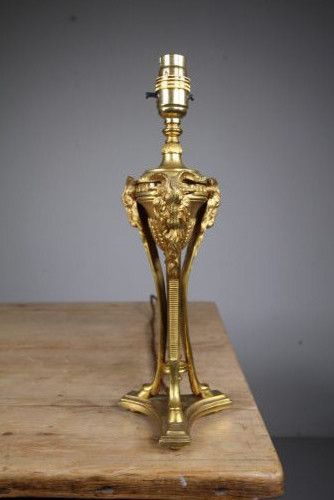
The domestic pieces often adapt classical forms into lighting or mantel accessories, incorporating ormolu mounts, rams' heads and classical masks. Meanwhile, outdoor versions utilise cast iron, terracotta and reconstituted stone to withstand the weather while maintaining formal dignity.
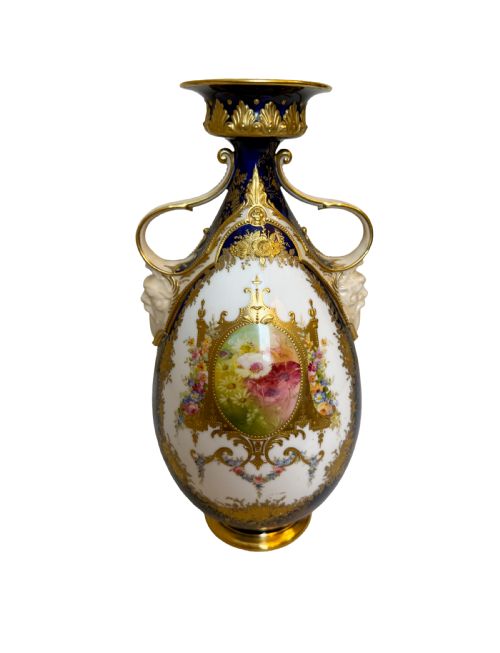
Origins stretch from English workshops to Italian Grand Tour pieces and major potteries like Royal Doulton and Royal Worcester. Buyers select these items to anchor a room with architectural weight or to add structural focal points to a terrace.
Materials and construction
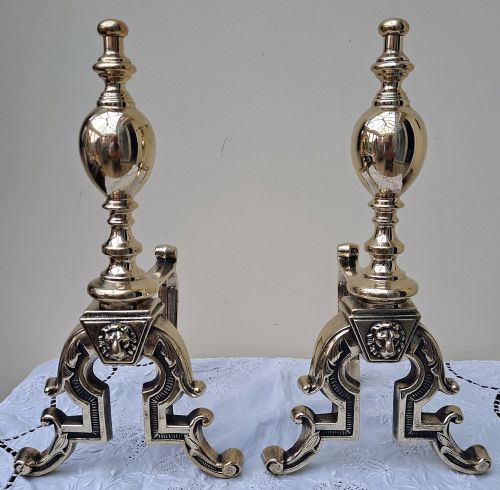
Foundry work dominates the metal pieces, using cast iron, brass and bronze to create detailed campana shapes, handles and classical mounts. Ormolu gilding often highlights brass and bronze components, adding metallic lustre to lamps and decorative vessels.
Ceramic examples rely on porcelain and terracotta bodies, frequently enhanced with hand-painted decoration or carved handle details. Marble and reconstituted stone provide the dense, weighty foundation required for large garden urns and planters.
Listings feature pieces spanning the 1850s to the mid-20th century, encompassing materials from cast stone to hand-painted porcelain.
Assessing quality
Quality rests in the crispness of the casting and carving, where sharp details on handles, masks and foliage distinguish finer studio work from routine production. The presence of original lids, matched pairs and signed pottery marks elevates a piece significantly.
Material integrity also dictates value, seen in the depth of patination on bronze and brass, the weathering on stone and terracotta, and the precision of ormolu fire gilding.
Royal Worcester·A.B. Daniell And Son·Royal Doulton·Andrew Handyside
The Vintage Ornamental Urns Glossary
- Campana urn
- A bell-shaped vessel with a flared rim and pedestal foot, derived from ancient Roman pottery and bronze prototypes. This form is particularly common in heavy garden ironwork and Grand Tour bronzes.
- Ormolu
- Finely ground high-carat gold applied to a bronze or brass base using a mercury amalgamation technique. The resulting surface gives a rich, warm metallic finish often seen on 19th-century mounts.
- Grand Tour
- A cultural journey undertaken by wealthy young Europeans in the 18th and 19th centuries to study classical antiquities. Smaller bronzes and marble items were frequently collected as souvenirs of these travels.
- Terracotta
- Fired clay used for garden vessels and sculptural elements, prized for its porous nature and warm earthy tones. Over time, it develops a distinct weathering pattern.
- Neoclassical
- A style spanning the 18th and 19th centuries that drew direct inspiration from the art and architecture of classical Greece and Rome. It prioritises symmetry, restraint and classical motifs such as acanthus leaves and rams' heads.
Vintage Ornamental Urns: Frequently Asked Questions
Where should I place a heavy cast iron urn?
Heavy garden urns suit patios, terrace corners or structural garden focal points where their weight provides stability against the elements.
They also function well mounted on stone plinths to elevate their silhouette above surrounding planting.
How do I care for antique bronze and brass urns?
Dust metal surfaces gently with a dry, soft cloth to prevent the accumulation of grime without disturbing the historic patination.
Avoid abrasive cleaners or metal polishes that strip away original finishes and centuries of natural oxidation.
Are these urns suitable for outdoor use?
Cast iron, terracotta and stone pieces are designed to withstand outdoor conditions, though severe frost can sometimes affect porous ceramics.
Interior pieces made from porcelain, ormolu or delicate marble should remain inside away from dampness and extreme temperature shifts.
How can I tell a 19th-century urn from a later reproduction?
Examine the casting quality, tool marks and the natural wear patterns on the base and interior surfaces for signs of genuine age.
Material weight, patination and maker stamps or registration marks also help verify the period of production.