



Vintage Oriental Area Carpet
These vintage oriental area carpets bring centuries of woven heritage into a room, offering durability and distinct regional patterns.
Vintage Oriental Area Carpet
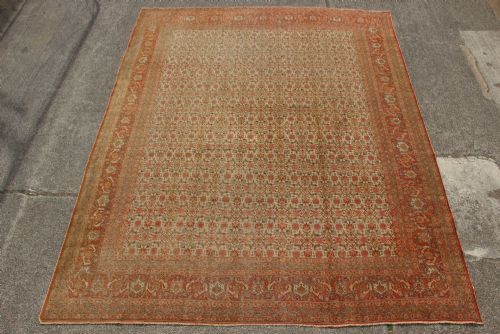
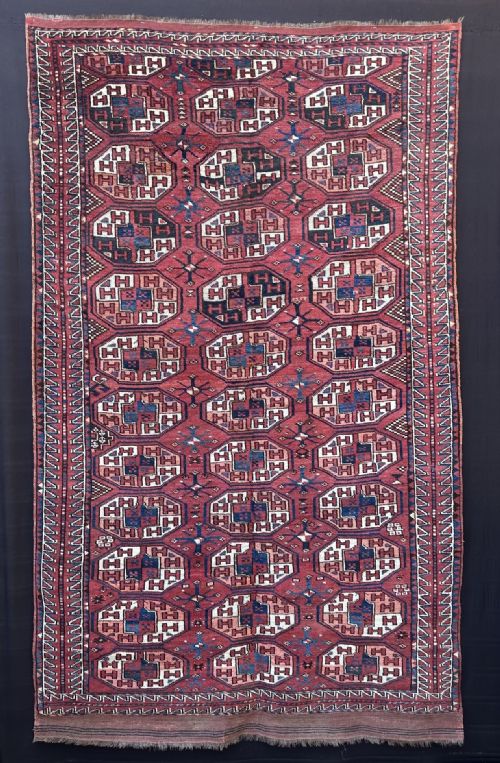
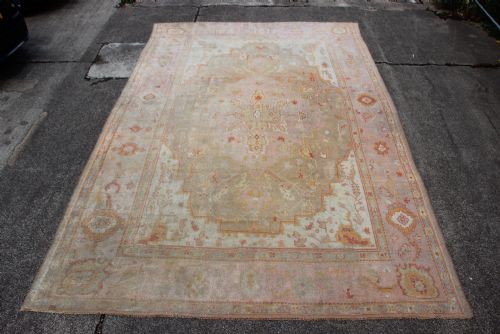
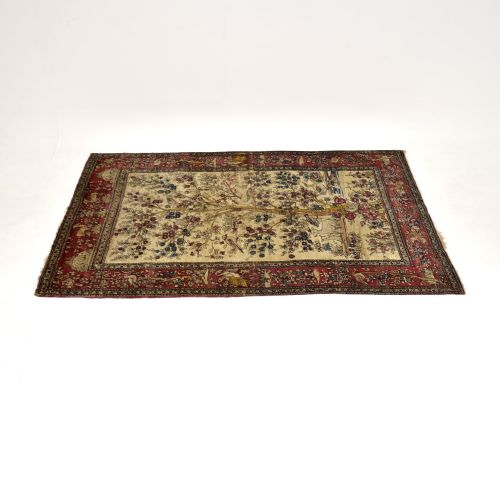
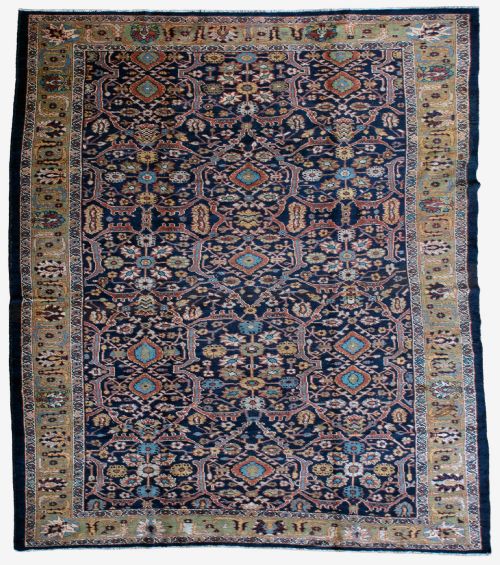
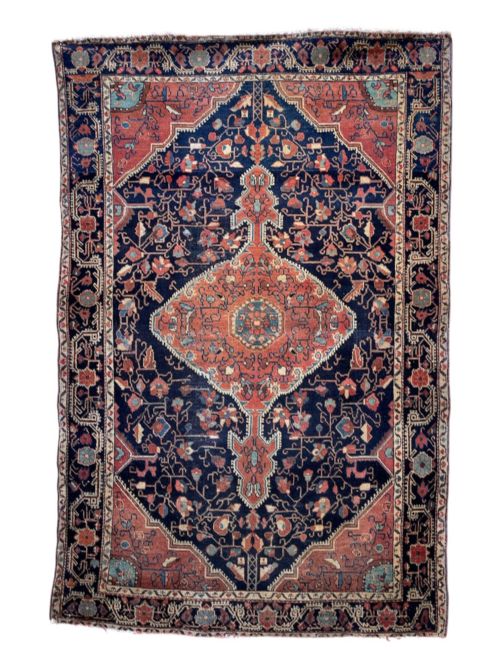
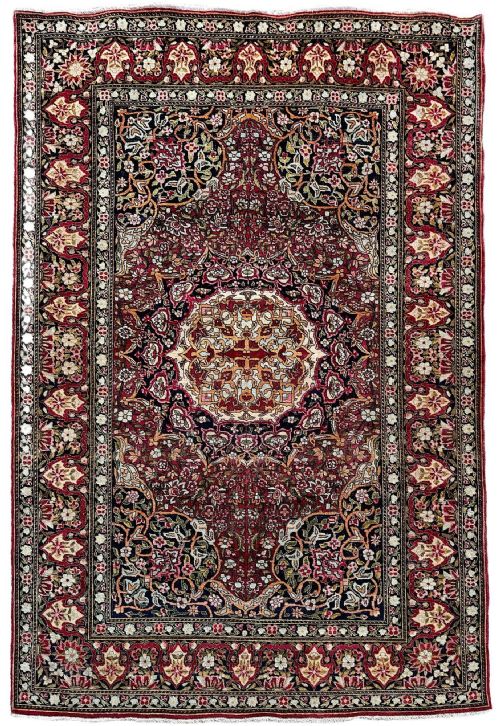
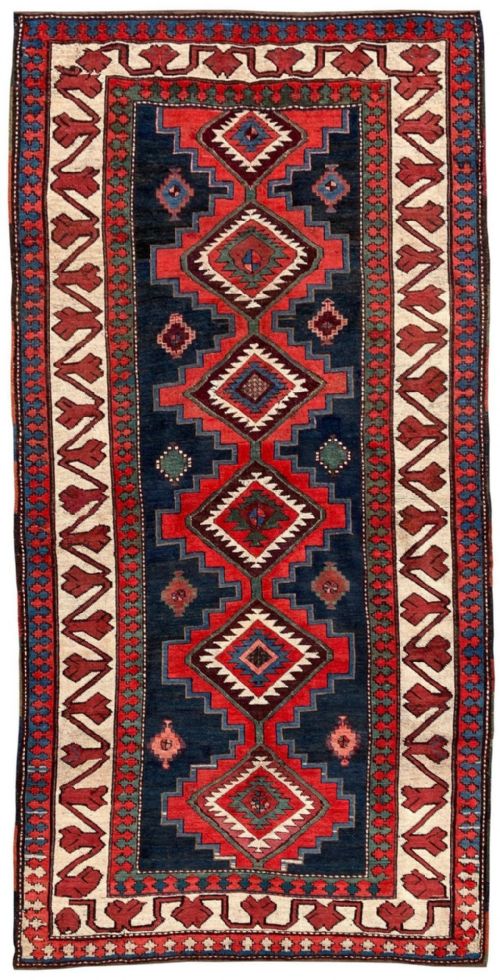
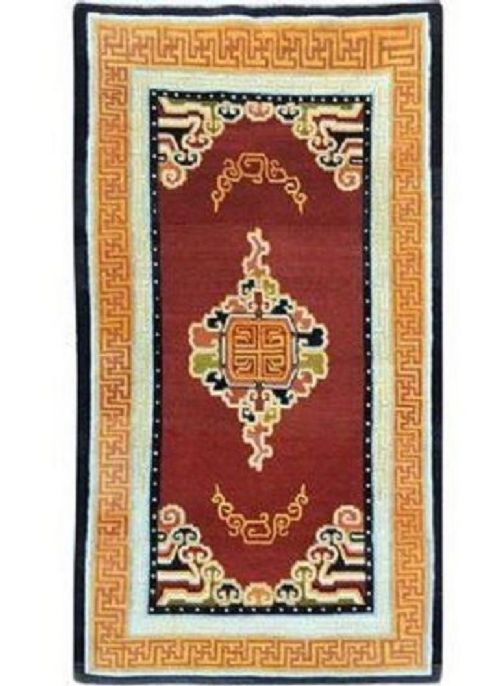
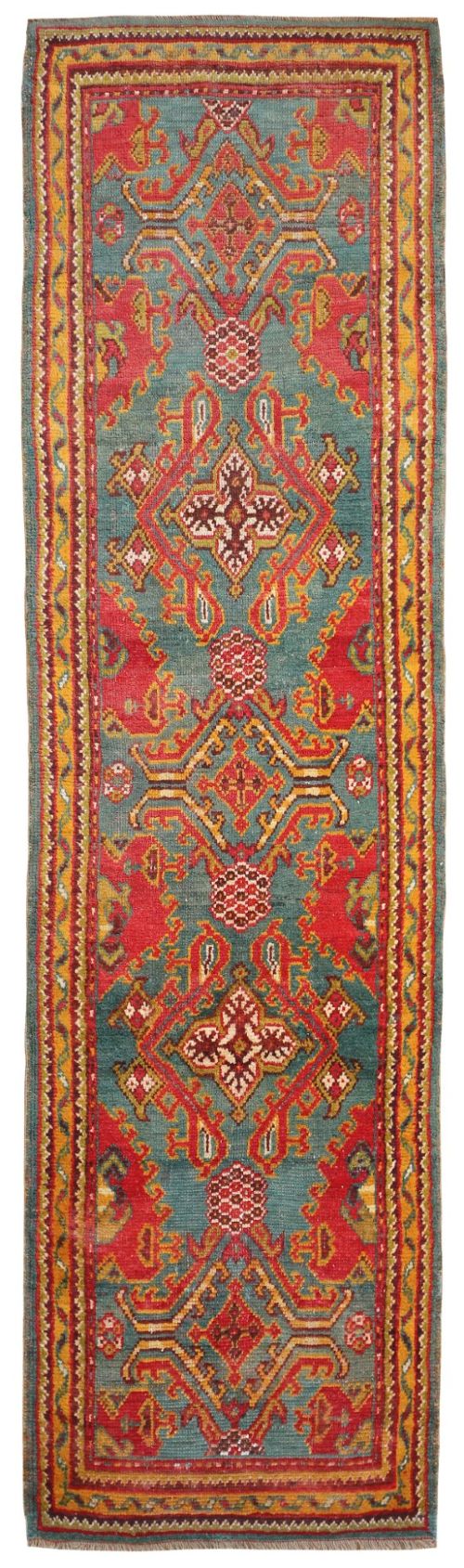
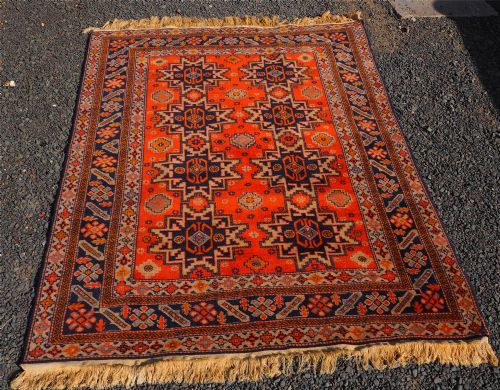
A vintage oriental area carpet brings together floor coverings originating from Persia, the Caucasus, Turkmenistan, Turkey, and Tibet. When searching for a vintage oriental area carpet, a buyer encounters examples ranging from nineteenth-century tribal pieces to twentieth-century village rugs and carpets.
The selections span distinct regional weaving traditions including Persian, Caucasian, Turkmen tribal, and Tibetan styles. These floor coverings appear in forms such as area rugs, runner rugs, and large carpets.
Dating across the inventory stretches from the nineteenth century through the 1930s, encompassing town workshops and village looms alike.
Materials and Construction
Makers utilised wool, cotton, and silk as the primary foundational fibres for these textiles. Hand-spun wool and camel wool frequently appear alongside natural dyes to create durable pile surfaces.
Weaving techniques rely on hand-knotted pile construction upon cotton or wool foundations, sometimes incorporating silk highlights to accentuate specific design elements within the field.
Camel wool occasionally makes an unexpected guest appearance in the pile, adding a delightfully rustic handle to desert-woven pieces.
Assessing Quality and Execution
Quality rests upon knot density, the precision of the tribal or traditional design, and the integrity of the natural dyes used. Finer village and town workshops achieve greater clarity in intricate medallion and floral motifs.
The condition of the wool pile and the stability of the foundational warps and wefts determine the structural longevity of each carpet.
Kizyl Ayak Tribe·Ersari Tribe·Yomut Tribe·Baluch
The Vintage Oriental Area Carpet Glossary
- Pile
- The vertical tufts of wool, cotton, or silk that form the soft surface of the carpet. This wear layer absorbs foot traffic and displays the woven design.
- Warp
- The stationary longitudinal threads stretched tightly on the loom before weaving begins. Foundation fringes typically consist of these extended warp threads.
- Weft
- The horizontal threads passed alternately over and under the warp threads to bind the knots in place. Proper tension here ensures structural stability.
- Natural Dyes
- Colourants derived from plants, insects, and minerals rather than synthetic chemicals. These materials yield complex, shifting tones that age gracefully.
- Kilim
- A flat-woven carpet or rug produced without a pile. These pieces utilise coloured weft threads wrapped around the warp to create geometric patterns.
Vintage Oriental Area Carpet: Frequently Asked Questions
How do I date an oriental carpet?
Dating relies upon structural clues, dye analysis, and stylistic conventions associated with specific periods like the nineteenth century or the 1920s and 1930s. Regional weaving traits often narrow down the decade of production.
Examining the materials, such as hand-spun wool versus later commercial yarns, further assists in establishing the age of the piece.
Where were these carpets made?
Origin locations span Persia, the Caucasus, Turkmenistan, Turkey, and Tibet. Each region developed distinct tribal and village workshops with recognizable design vocabularies.
Towns such as Bidjar, Kashan, Isfahan, and Oushak each generated unique styles within these broader geographical boundaries.
What is the difference between a rug and a carpet?
Rugs generally refer to smaller format floor coverings, whereas carpets denote larger room-sized textiles. Both share similar hand-knotted construction methods and materials.
Runners provide a narrow, elongated format specifically suited for hallways and stairs.
How should I care for a vintage wool rug?
Routine maintenance involves gentle vacuuming without a rotating beater bar to protect the delicate pile and fringe. Professional cleaning suited for antique textiles preserves the natural wool fibres.
Utilising a quality underlay prevents slipping and reduces friction between the floor and the foundation.