




Vintage Opaline Glass Shade
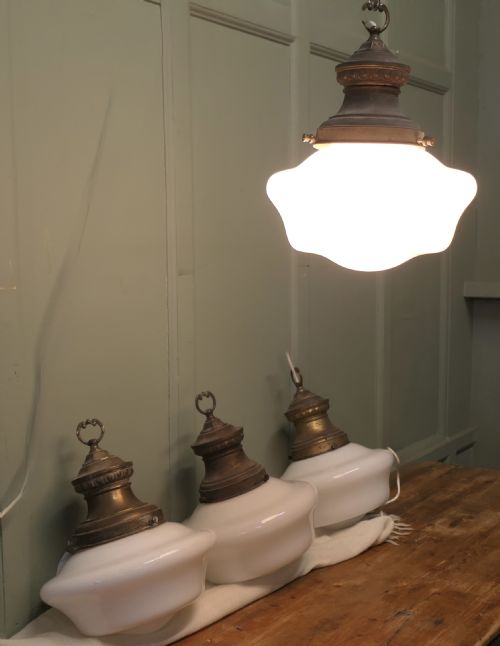
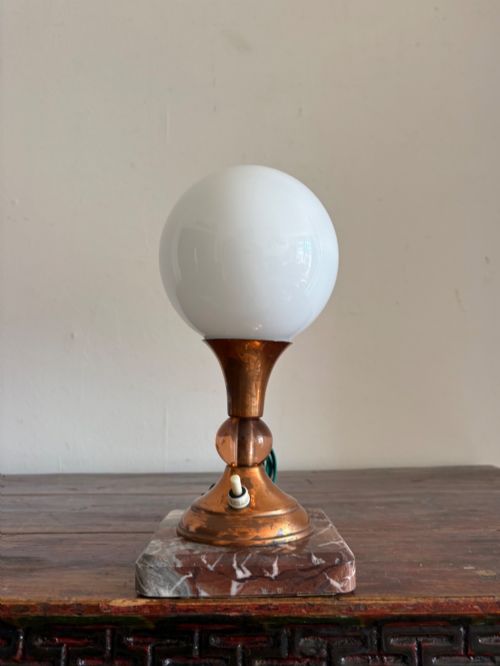
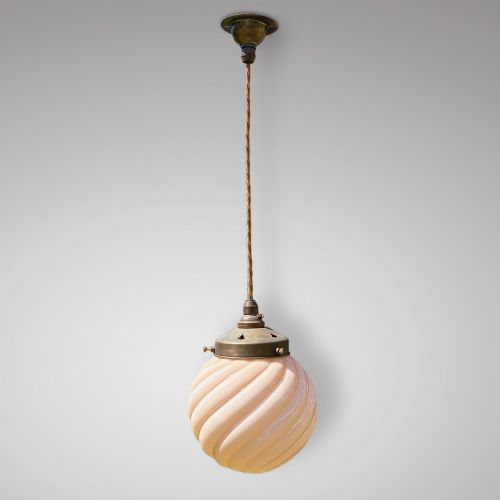
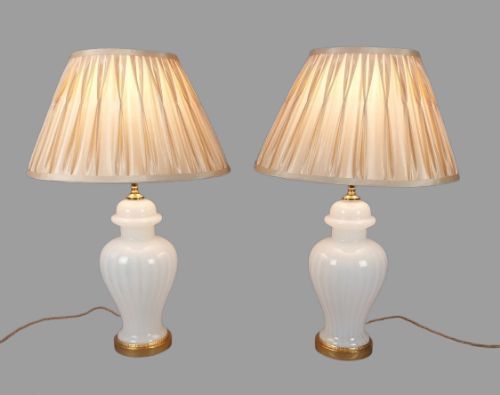
A vintage opaline glass shade diffuses light with a soft, milky glow that transforms ceiling pendants and desk lamps into period centrepieces.
Vintage Opaline Glass Shade
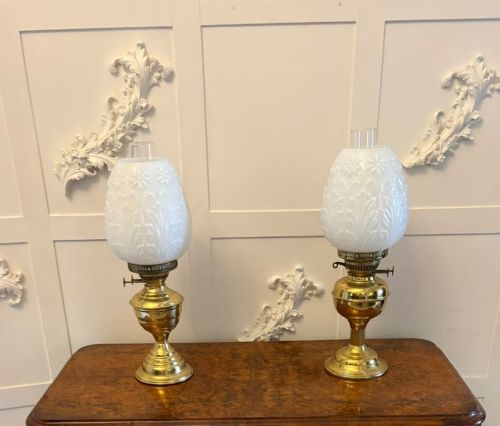
The most common examples on this page are pendants and hanging light shades from the early twentieth century, particularly the 1920s and 1930s. These often take conical, pear-shaped, or reeded forms designed for industrial and domestic spaces.
How they were made
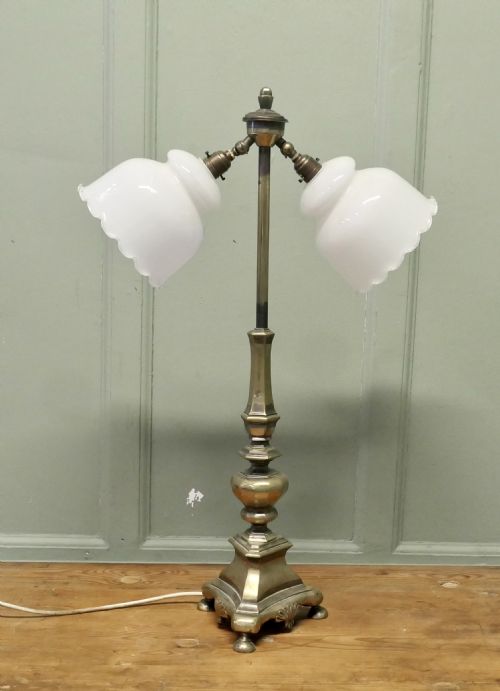
The primary material is opaline glass, an opaque or translucent white glass achieved by adding bone ash or metal oxides to the melt. This glass is frequently paired with brass, bronze, or chrome mounts and galleries that secure the shade to the electrical fitting or oil reservoir.
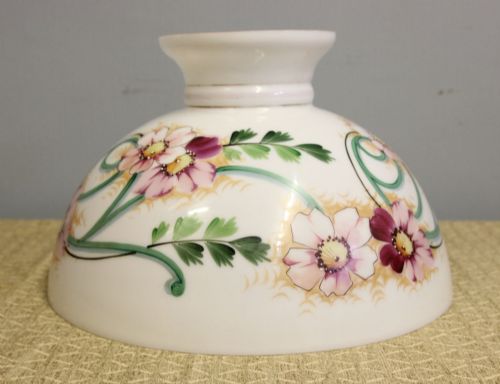
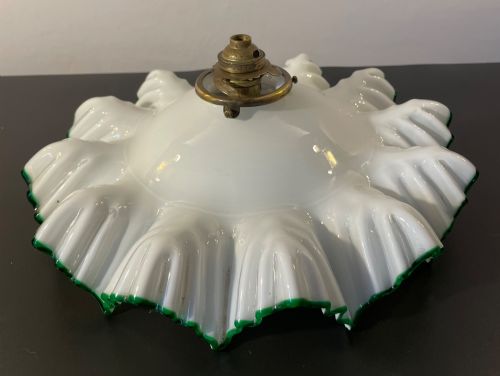
Many shades feature moulded surface details such as fish scale patterns, frilled edges, or hand-painted decorations applied before a secondary firing. Metal components involve casting, spinning, and turning to produce structural collars and galleries.
Listings feature opaline glass paired with brass, chrome, bronze, and wood across periods from the 1860s through the 1930s.
What varies in quality
Quality in these glass shades rests on the density and milkiness of the glass mix, which dictates how smoothly it diffuses light. Heavier castings in the brass or bronze galleries and finer moulding on the glass rims separate standard utilitarian items from finer decorative examples.
The integration between the glass shade and its original metal mount reveals the standard of manufacture. Pieces retaining matching period fittings and hand-finished details demonstrate superior craftsmanship compared to later assembled components.
The Vintage Opaline Glass Shade Glossary
- Opaline glass
- A translucent or opaque white glass developed to mimic porcelain and soften light output. It gains its milky appearance from specific mineral opacifiers added during production.
- Pendant light
- A hanging lighting fixture suspended from the ceiling by a cord, chain, or metal rod. In this category, it usually supports an opaline shade directed downward.
- Fitter neck
- The top collar of the glass shade designed to be gripped by screws within a metal gallery. Its diameter determines compatibility with specific lamp holders.
- Plafonnier
- A ceiling-mounted light fixture where the glass shade sits flush or close to the ceiling surface. These often feature painted or moulded decorative motifs.
- Reeded
- A surface decoration consisting of parallel, rounded ridges running along the body of the glass or metal. This texture catches the light and adds rigidity to the form.
Vintage Opaline Glass Shade: Frequently Asked Questions
How do I clean an opaline glass shade?
Wash the glass gently in lukewarm soapy water using a soft cloth to avoid scratching the surface. Rinse thoroughly and dry with a lint-free towel to maintain the milky finish.
Keep metal galleries dry during cleaning to prevent tarnishing or corrosion of brass and chrome components.
Can these shades fit modern light fittings?
Many vintage shades fit standard modern lamp holders if the fitter neck diameter matches contemporary gallery sizes. Adaptors are also available for specific historical collar dimensions.
Check the inner diameter of the shade opening before purchasing to ensure compatibility with your existing hardware.
How do I date an opaline shade?
Examine the manufacturing technique, mounting hardware, and any visible mould seams to estimate the period of production. Victorian and Edwardian examples often accompany heavy brass oil lamp conversions, while 1920s and 1930s pieces lean toward geometric or industrial pendant forms.
Style indicators such as Art Deco stepped lines or French frilled edges provide further chronological markers.
Were these shades used with oil or electricity?
The historical record includes pieces originally manufactured for oil or paraffin burning alongside early twentieth-century electric pendant installations. Many oil lamp shades have since been converted to accept electric fittings.
Inspect the top collar for evidence of burner fixings versus threaded electrical galleries to determine the original lighting method.