




Antique Hallway Ceiling Lamp
These antique hallway ceiling lamps bring character to an entrance, offering period illumination through lantern and pendant forms.
Antique Hallway Ceiling Lamp
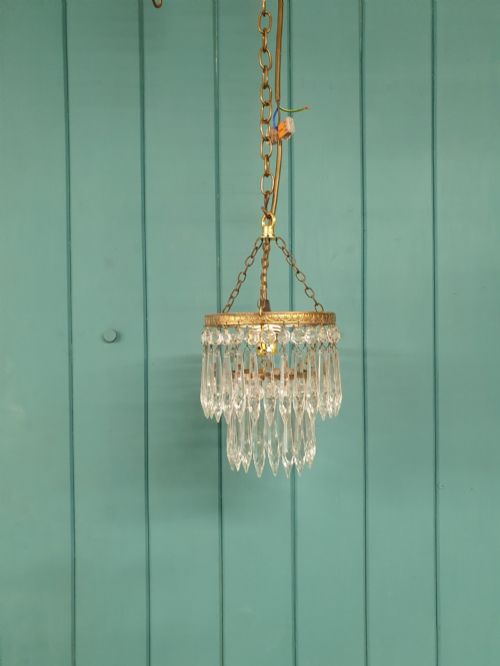
An antique hallway ceiling lamp encompasses hanging lanterns, pendants, and small chandeliers designed to light entrance spaces. The selection ranges from Victorian and Edwardian examples to Art Deco and 1930s pieces, reflecting diverse domestic interiors.
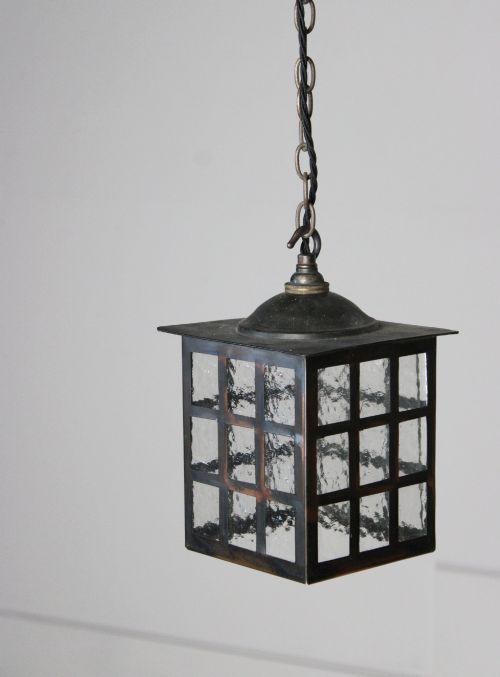
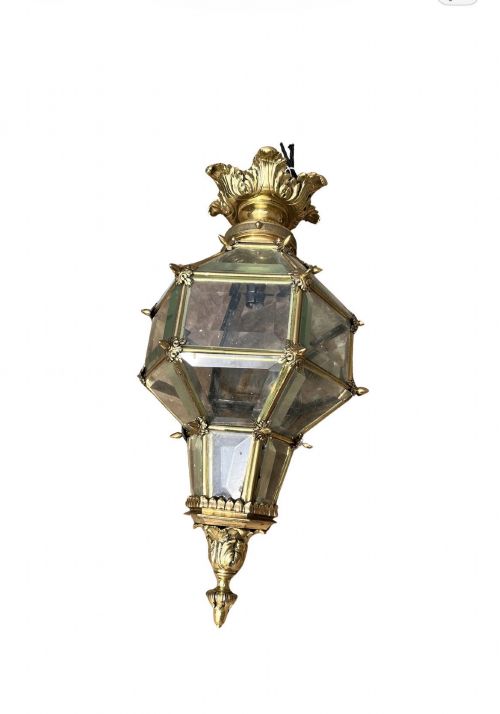
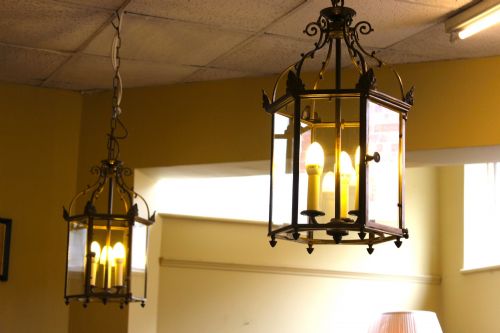
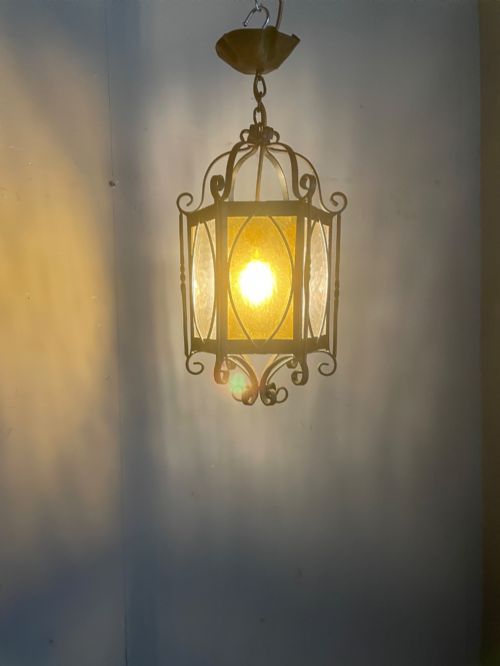
Lanterns dominate the offerings, appearing in hexagonal, round, and pear-shaped configurations framed in brass, copper, or wrought iron. These designs originate primarily from British and French workshops of the late nineteenth and early twentieth centuries.
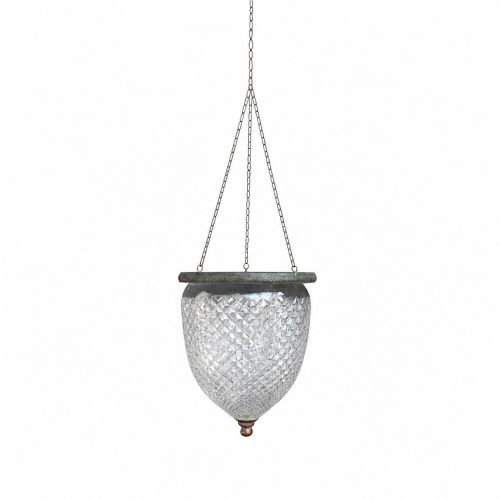
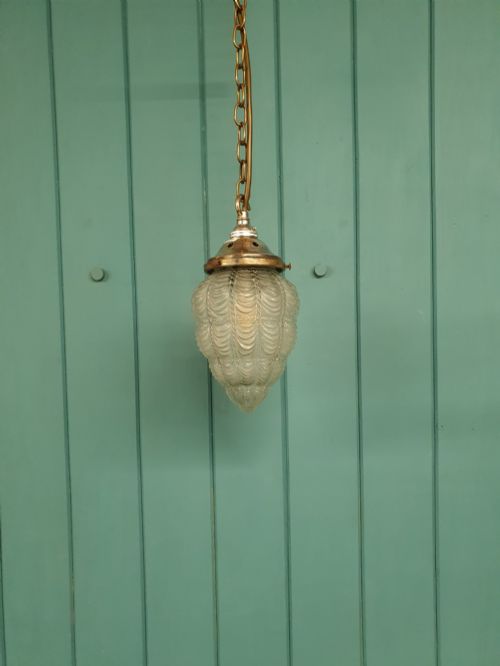
Pendants and flush ceiling lights provide alternative options, utilising cut glass, frosted glass, or opaline shades. Buyers frequently encounter Edwardian brass lanterns and 1930s glass fixtures among the current listings.
Materials and construction
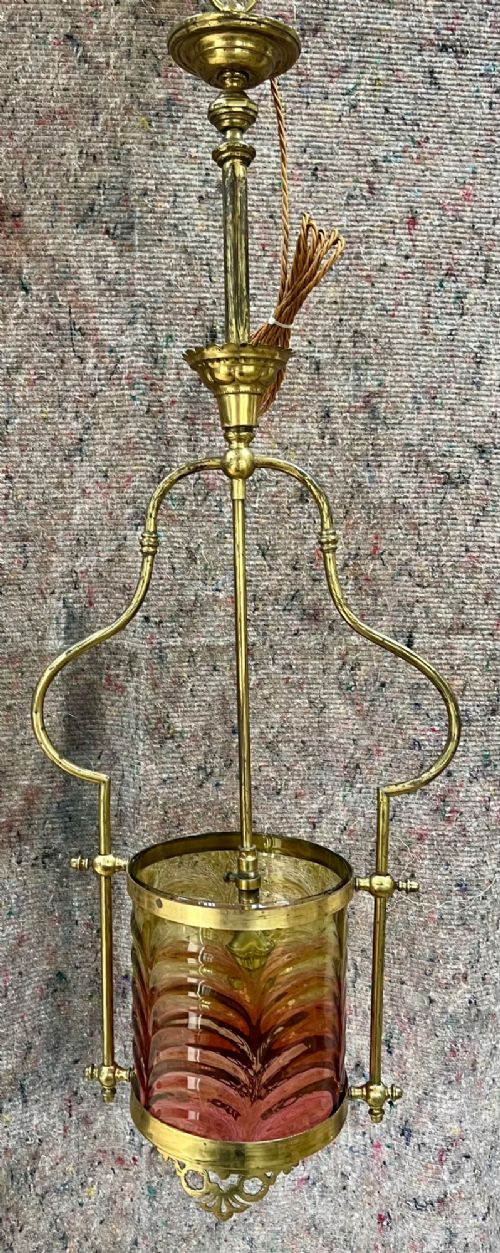
Makers utilised structural metals including brass, copper, wrought iron, and steel to construct the frames and suspension hardware of these light fittings. Brass frames frequently house glass panels or support crystals secured by metal pins and soldering.
Glass components involve hand-blown, moulded, or cut techniques, resulting in frosted, opaline, or crystal finishes that diffuse illumination. Workshops shaped sheet copper and cast bronze into decorative lantern bodies, incorporating hinged access doors and glazed panels.
Several lanterns retain their original ventilation caps, designed to let candle or early gas heat escape safely beneath the ceiling.
Distinctions in craftsmanship
Superior examples display crisp casting work in the metal frames and substantial thickness in the glass panels or crystal drops. The weight and rigidity of the brass or bronze structure indicate the standard of production.
Detailing differentiates standard utility pieces from finer decorative works, such as hand-cut facets on crystal lustres or complex botanical motifs on Art Nouveau and Arts & Crafts mounts. Original patination on copper and brass surfaces further distinguishes better preserved survivals.
F&C Osler
The Antique Hallway Ceiling Lamp Glossary
- Plafonnier
- A ceiling-mounted light fixture that sits close to the surface, often featuring a bowl-shaped glass shade. These pieces direct light downwards into compact entrance halls.
- Lustre
- A cut glass pendant or drop suspended from a chandelier or lantern to refract light. They appear frequently on early twentieth-century pieces.
- Opaline
- A milky, translucent glass developed to soften light emission while maintaining brightness. It characterises many 1930s pendants and hallway lights.
- Convex lantern
- A hanging light featuring curved glass panels that bulge outward from the metal frame. This shape disperses illumination more broadly across a room.
- Art Nouveau
- A design style characterised by flowing, organic lines and plant motifs popular around nineteen hundred. Pieces from this movement often utilise brass and bronze frames.
Antique Hallway Ceiling Lamp: Frequently Asked Questions
How do I hang a hallway lantern?
These lamps suspend from ceilings using chains, rods, or flex connected to ceiling roses. Professional installation ensures safe weight distribution and electrical compliance.
Ceiling height dictates the drop required, keeping the fixture clear of opening doors while illuminating the threshold adequately.
What periods do these lamps cover?
The lighting spans from the Victorian era through the Edwardian period into the 1920s and 1930s. Styles shift from ornate Gothic revival and Art Nouveau to geometric Art Deco.
Materials and decorative motifs usually signal the specific decade of manufacture.
Are these lamps wired for modern use?
Many antique light fittings undergo rewiring to meet contemporary electrical standards while retaining their original metal and glass components. Inspecting the internal wiring confirms suitability for standard domestic bulbs.
Some listings note recent rewiring, making them ready for immediate installation by an electrician.
How do I identify an Art Deco light?
Art Deco pieces from the 1920s and 1930s display symmetrical geometric forms, streamlined silhouettes, and stepped metal mounts. They often combine chromium, brass, or copper with frosted or opaline glass.
These designs reject florid Victorian ornament in favour of clean architectural lines.