

Vintage Glass Ceiling Shade
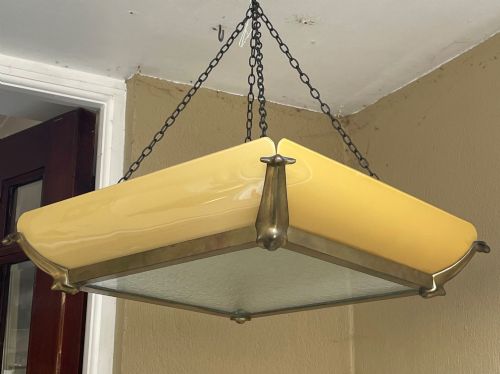
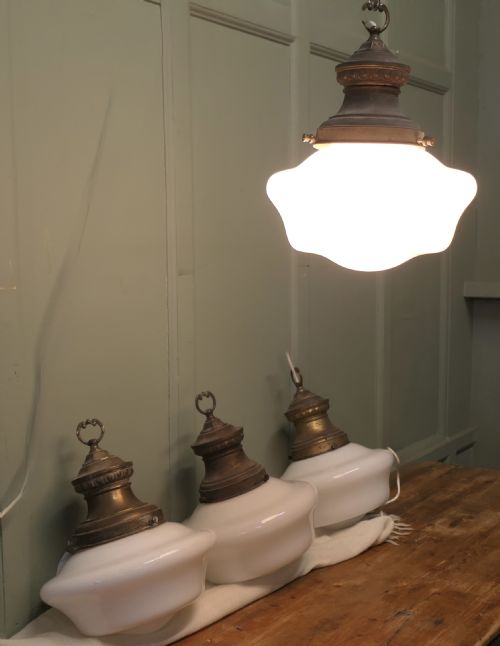
A vintage glass ceiling shade casts a warm, directional glow that immediately defines the character of a room.
Vintage Glass Ceiling Shade
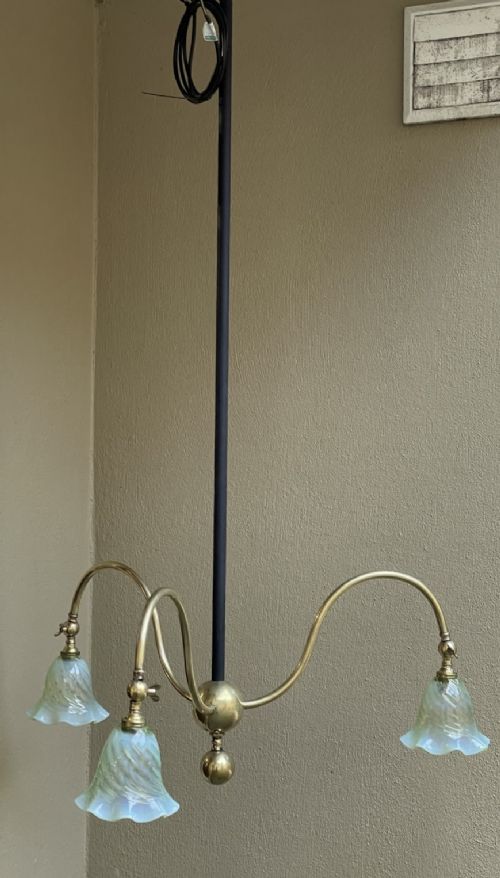
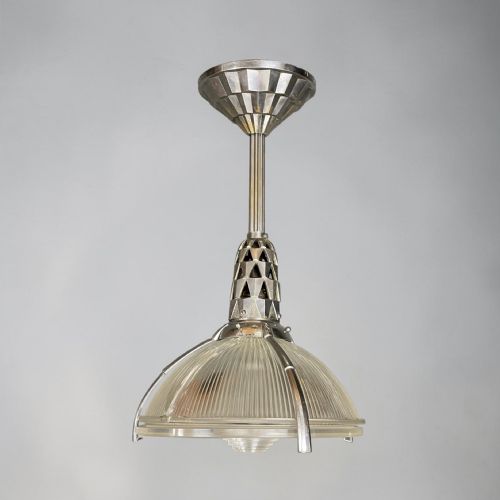
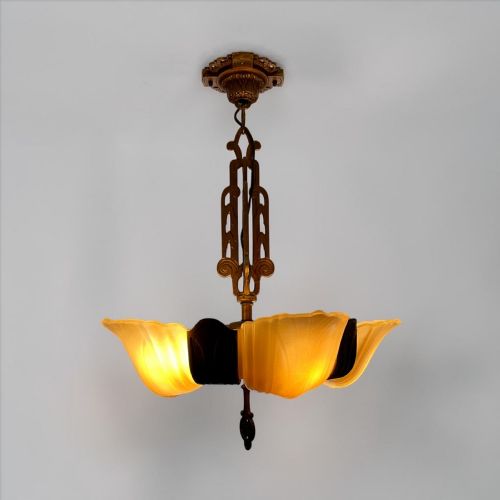
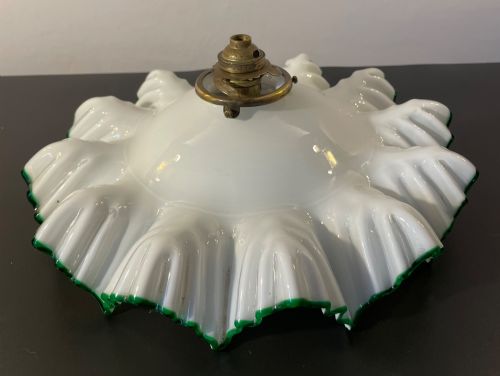
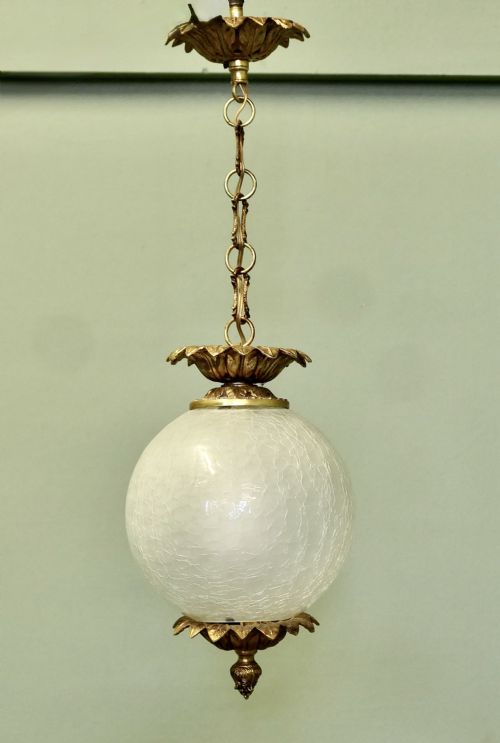
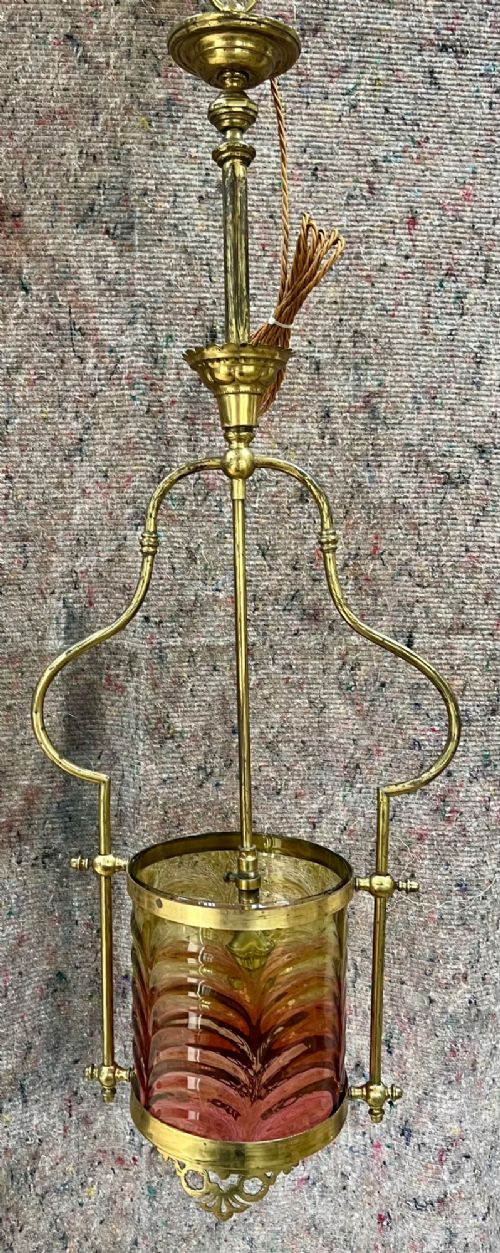
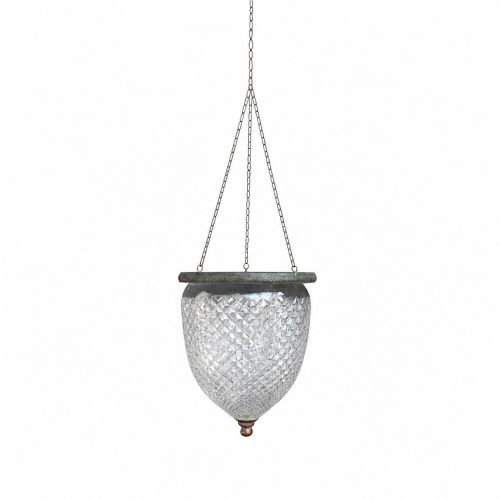
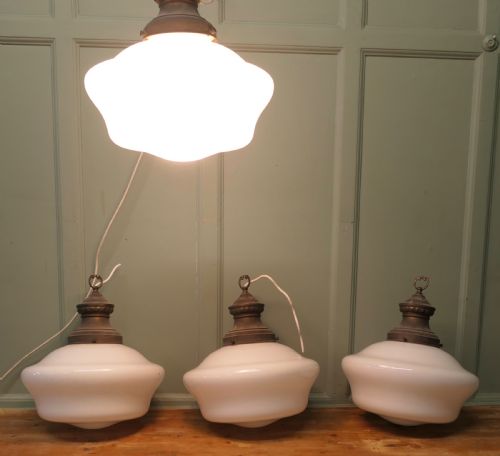
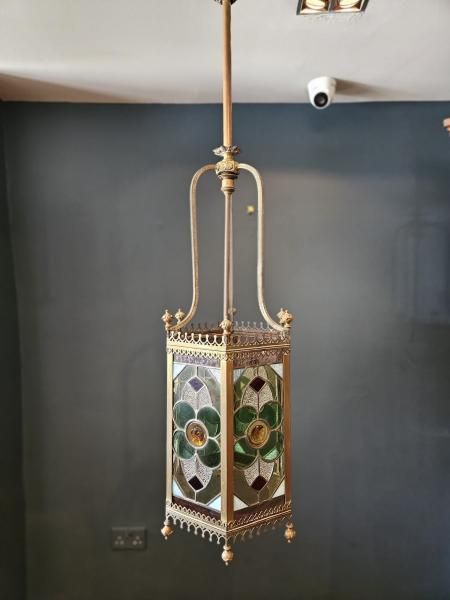
When searching for a vintage glass ceiling shade, buyers encounter hanging lights, pendants, and chandeliers spanning the Victorian era through the 1940s. The selection ranges from robust industrial fixtures to delicate domestic globes and slip shades.
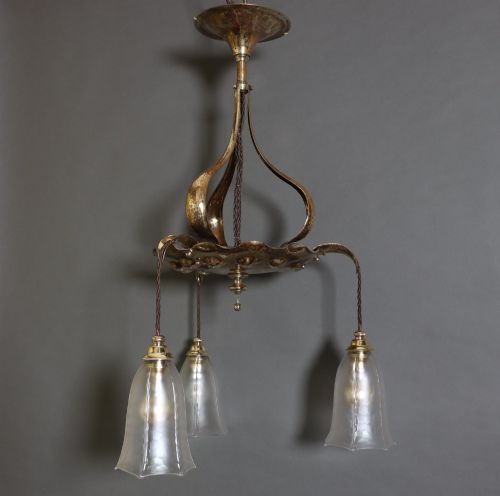
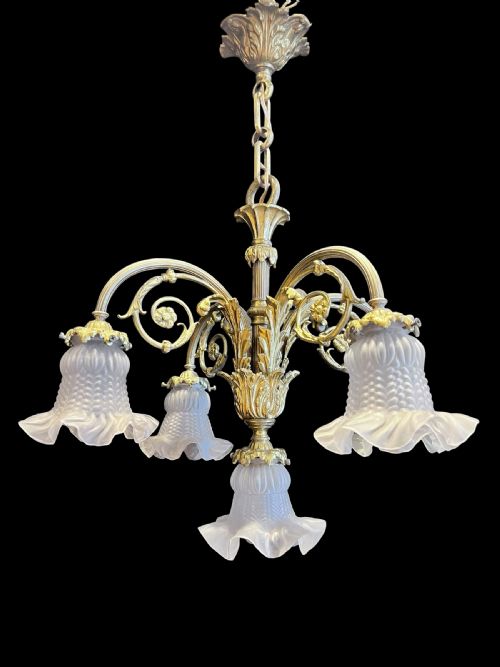
Art Deco and Edwardian examples appear frequently alongside Victorian lanterns and Arts & Crafts designs. These pieces transform overhead illumination by diffusing light through textured, opalescent, or clear glass.
Origins span English, French, and American workshops, incorporating metal mounts in brass, copper, and iron. Each piece reflects the interior lighting technology and aesthetic priorities of its specific decade.
How they were made
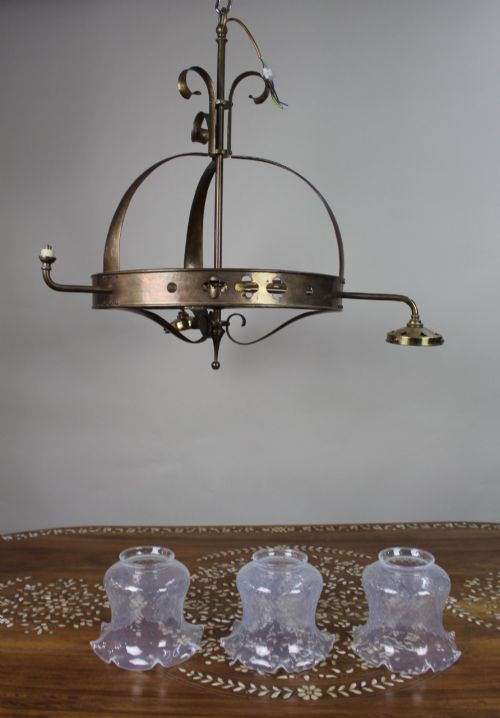
Manufacturers combined hand-blown or moulded glass shades with cast and spun metal components in brass, copper, and iron. Artisans utilised techniques such as acid etching, crackling, and hand-painting to achieve varied light diffusion.
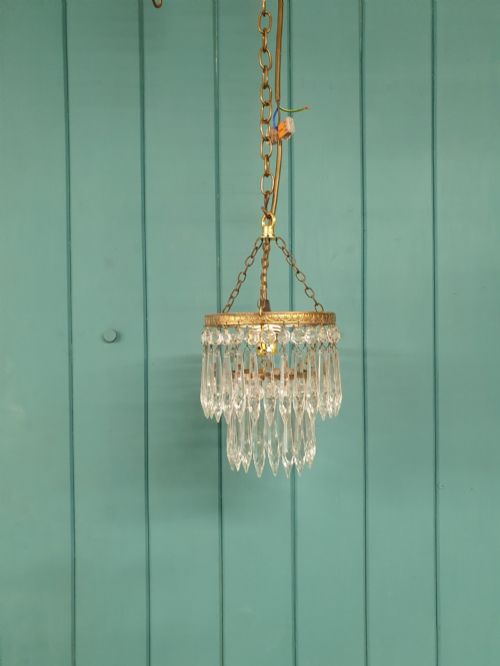
Heavy cut crystal and moulded prisms refract illumination through precise geometric facets. Metal frames were constructed using riveted, soldered, or cast brass elements designed to support the weight of the glass safely.
Some fixtures retain traces of gas-era fittings, reminding us that early bulbs once competed with piped flames for ceiling space.
What varies in quality
Distinction lies in the weight and clarity of the glass, alongside the integrity of the metal fittings. Heavier gauge brass or copper mountings and thicker, uniform glass indicate superior production standards.
Finer examples display intricate moulding, crisp cutting, and original patination on the metalwork rather than later replacements. The sophistication of the shade's decorative treatment separates standard utilitarian lighting from exceptional design pieces.
Émile-Jacques Ruhlmann·Jefferson
The Vintage Glass Ceiling Shade Glossary
- Plafonnier
- A ceiling-mounted light fixture with a glass bowl sitting flush or close to the ceiling. This French term frequently describes shallow dome-shaped glass shades from the early twentieth century.
- Slip shade
- A type of moulded glass shade designed to slot into a metal frame or basket. These pieces gained popularity during the Art Deco period.
- Opaline glass
- A milky, semi-translucent glass that softens direct bulb glare while emitting a bright, even luminescence. It appears widely in pendant and globe lights from the early decades of the twentieth century.
- Gasolier
- A multi-burner ceiling fixture originally designed for gas lighting and later converted to electricity. These fixtures often feature substantial brass framing and multiple shade holders.
- Moonstone light
- A smooth, opalescent glass shade named for its resemblance to the softly glowing gemstone. These pieces provide diffused, ambient illumination.
Vintage Glass Ceiling Shade: Frequently Asked Questions
How do I hang a vintage shade?
Most hanging lights require standard electrical wiring connected to a secure ceiling hook or mounting bracket. A professional electrician should evaluate the weight capacity of the ceiling and the internal wiring of older fixtures.
Heavier chandeliers and brass gasoliers need reinforced joist support. Care must be taken to balance the drop height in relation to the floor and surrounding furniture.
What bulbs should I use?
Low-wattage LED bulbs that mimic the warm colour temperature of older incandescent lamps work best inside vintage glass. This preserves the historical ambience while preventing excessive heat build-up.
Frosted or pearl-finished bulbs complement opaline and crackle glass by reducing harsh glare points. Clear filament bulbs suit faceted cut glass and prismatic shades by casting distinct patterns.
How do I clean antique glass?
Remove the shade from the metal fitting whenever possible to wash it in lukewarm water with mild soap. Avoid harsh chemical cleaners that can damage vintage finishes or painted surface details.
Dry the glass thoroughly with a soft cloth to prevent water spots. Metal components should be dusted gently with a dry cloth to preserve their natural age patina.
How do I date a ceiling light?
Stylistic markers offer the clearest indication of age, such as geometric patterns on 1930s Art Deco slip shades or ornate leaf motifs on Victorian brass fixtures. Material choices, such as heavy copper use in early 20th-century nautical pieces, also help determine the period.
Wiring methods, screw thread types, and construction techniques provide further clues. Comparing the shade shape and mounting hardware to documented examples confirms the era of production.