


Vintage Oil Portrait
These vintage oil portrait works capture individual likenesses through layered pigment, offering buyers a direct connection to past lives and artistic traditions.
Identifying vintage oil portrait pieces
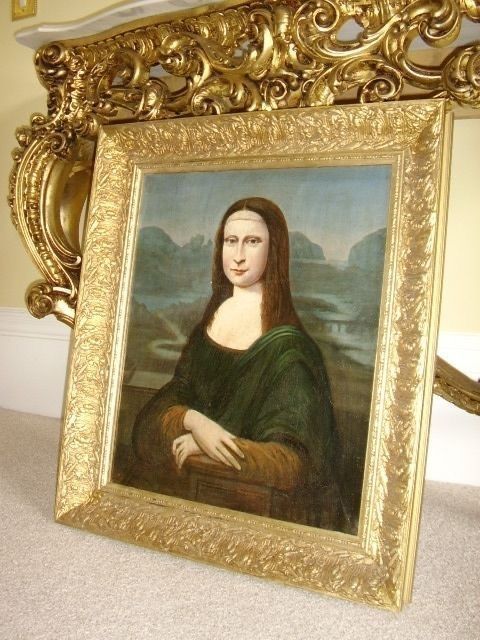
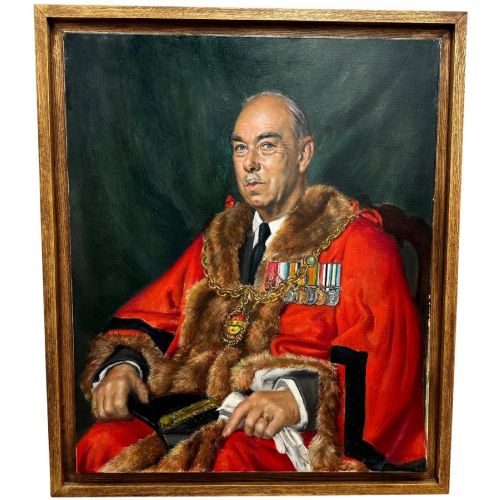
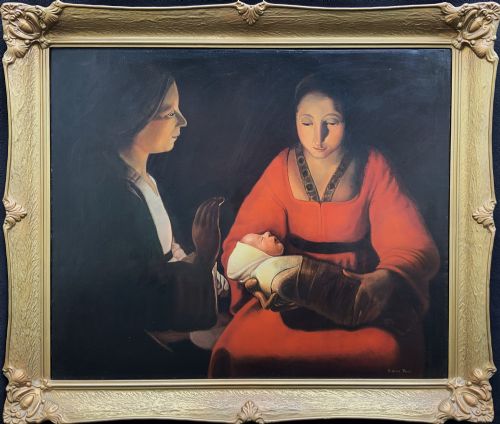
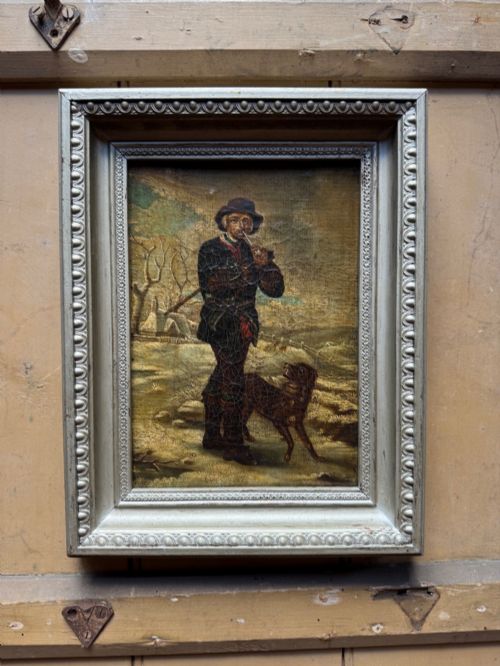
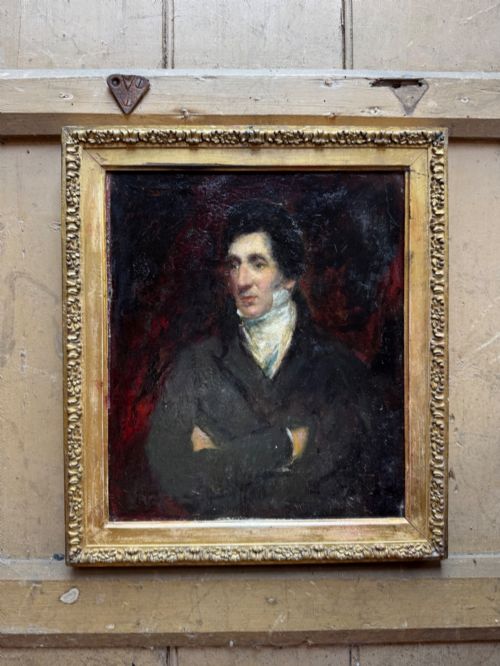
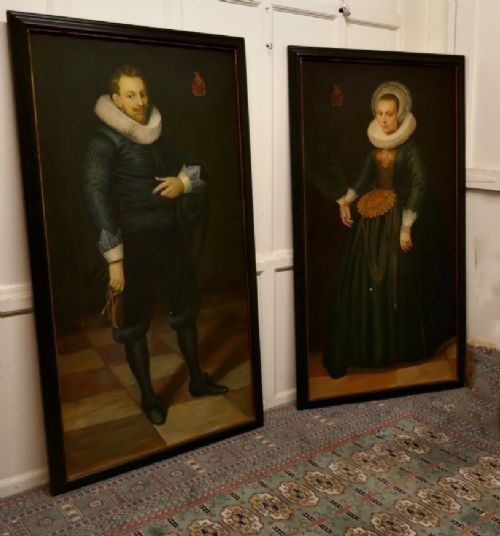
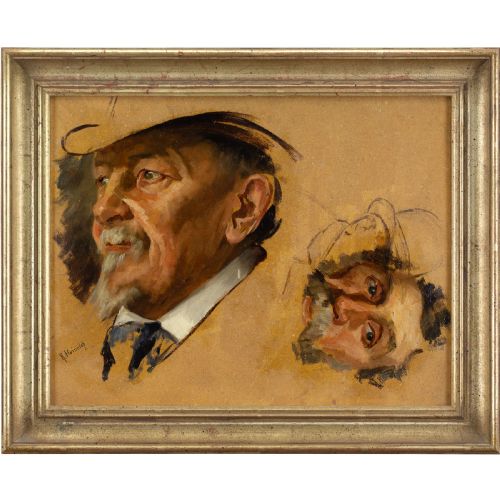
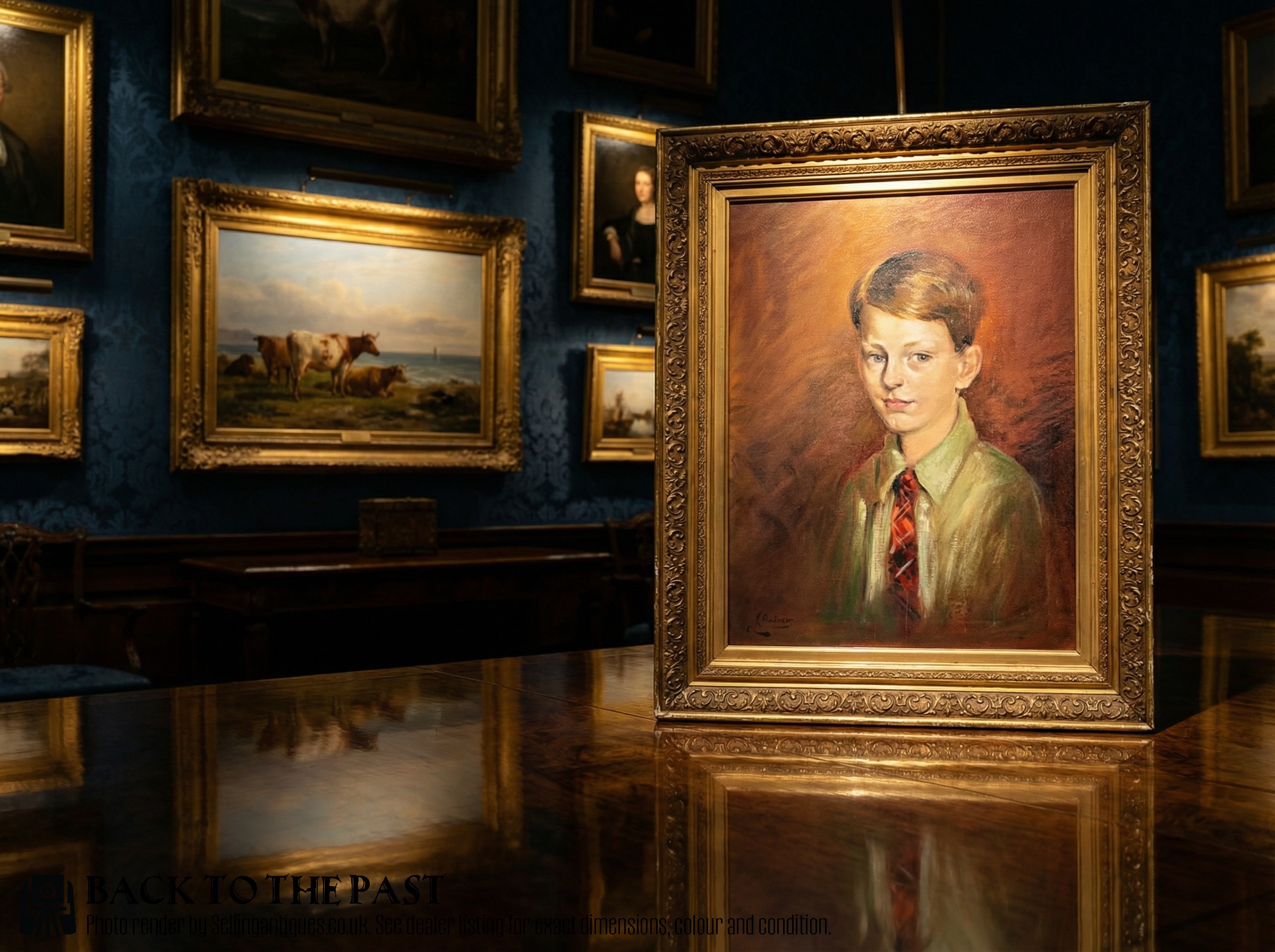
A vintage oil portrait presents the likeness of a person through painted pigment, spanning periods from the late nineteenth century through the mid-twentieth century. Buyers encounter depictions ranging from formal gentlemen in historical clothing to young children, academy models, and female figures.
The selections on this page include works styled in mid-century modern idioms, Edwardian dress, and Northern Renaissance revival frames. Canvases and wooden boards serve as the primary supports for these painted character studies.
Origin points stretch across English, Swedish, and Spanish academic traditions, showing regional variations in palette and pose. Subjects include named sitters, self-portraits, and anonymous models rendered with distinct artistic intent.
Materials and construction methods
Artists applied oil paint using brushes and occasionally palette knives onto prepared supports such as canvas stretched over wooden frames or rigid wooden boards. The slow-drying nature of oil medium allowed painters to blend tones carefully and build up rich textures over time.
Frames often incorporate wood and gilt finishes, sometimes complemented by velvet liners or decorative glazing to protect the painted surface. Paper supports also appear alongside heavier fabric and wood bases in smaller portrait studies.
Retail Price Guide 2026
Typical UK retail prices for vintage oil portrait, calculated from the Sellingantiques database of over a million retail prices indexed since 2003. This retail price guide relies exclusively on Sellingantiques data; no external sources or auction records are used, so the figures do not describe the wider market.
Materials recorded across these listings include oil paint, canvas, wood, velvet, paper, and gilt.
Distinguishing quality across examples
The sophistication of brushwork and the precision of facial anatomy separate accomplished compositions from simpler student exercises or academy studies. Masterful handling of light across skin tones and fabric creates depth and presence that lesser works lack.
The integration of the subject within its background and the harmony of the surrounding frame contribute significantly to the overall success of the piece. Signed works by documented hands generally demonstrate a higher consistency of technical execution.
Erwin Leopold Pohl·Frank C Harlow·Robert Panitzsch·Agnes Cleve·Walter Jungblut·Ove Haase·Valborg Goldschmidt·Gosta Bohm·Lionel Hamilton Renwick·Louis Georges Bouché·Otto Strassmann·Hamish Paterson·Christian Aigens·Moussa Ayoub
The Vintage Oil Portrait Glossary
- Oil paint
- A slow-drying paint made by combining pigments with a drying oil such as linseed. This medium allows for smooth blending and rich tonal depth.
- Canvas
- A heavy woven fabric stretched across a wooden stretcher frame to serve as a durable painting surface. It remains the most common support for traditional portraits.
- Academy model
- A live subject posed for students or artists training in formal techniques. These studies focus heavily on capturing accurate human anatomy and lighting.
- Gilt
- A thin layer of gold leaf or gold paint applied to wooden frames to decorative effect. It adds reflective warmth around the perimeter of the artwork.
Frequently Asked Questions
How do I care for a vintage oil portrait?
Keep the painted surface away from direct sunlight and fluctuating humidity levels to prevent the canvas or wood from warping. Dust the frame gently with a dry, soft cloth without applying liquid cleaners.
Consult a professional conservator if the paint surface develops cracks or requires cleaning. Avoid touching the oil pigment directly with bare hands.
Are these portraits original paintings?
Yes, the works recorded here are original painted compositions rather than mass-produced prints or photographic reproductions. Each piece shows the distinct brush texture and layered pigment unique to hand-painted art.
Signatures or attribution notes on the front or verso often help connect the piece to a specific artist or school.
What framing is typical for these works?
Many portraits retain period wooden frames, sometimes featuring gilt ornamentation or contrasting velvet inserts. These surrounds reflect the interior aesthetic of the era in which the portrait was painted.
Frames often show age-related wear that corresponds to the vintage nature of the artwork inside.
How can I tell the period of a portrait?
Clothing styles, hairstyles, and framing materials provide immediate clues to the decade in which the sitter was painted. Edwardian dress and mid-century modern abstraction styles help narrow down the date of execution.
Signatures, artist registry records, and inscriptions on the reverse of the canvas or board offer further chronological evidence.