



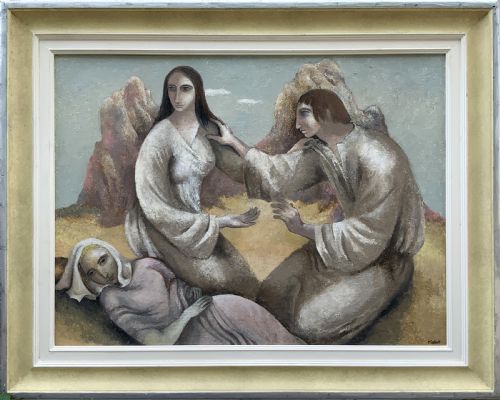
Vintage Oil on Board
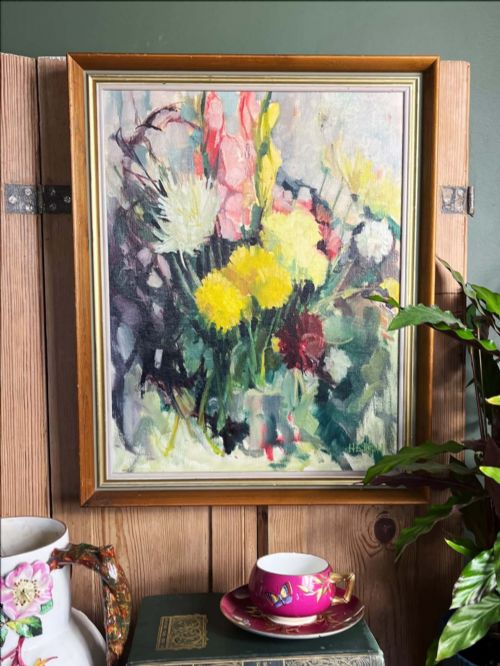
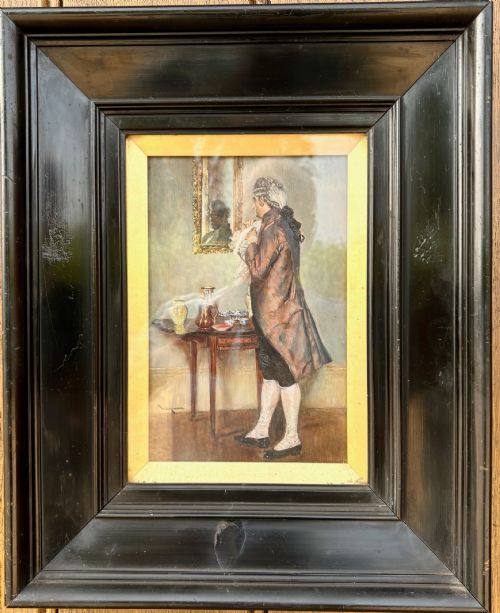
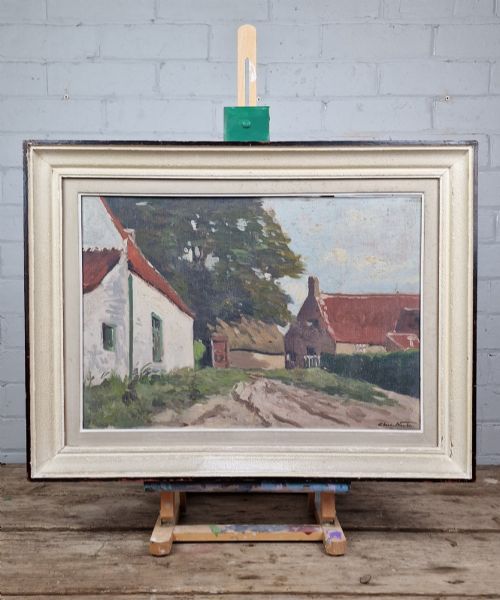
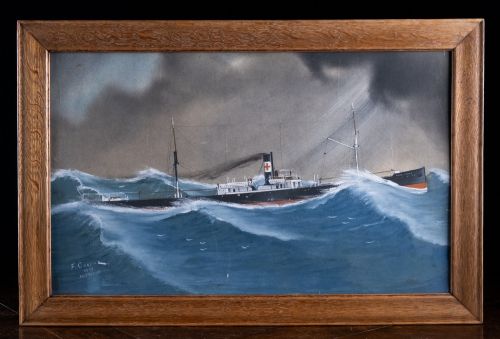
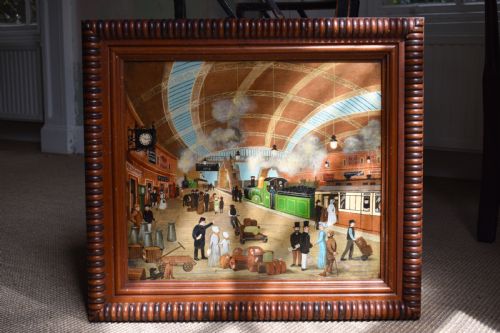
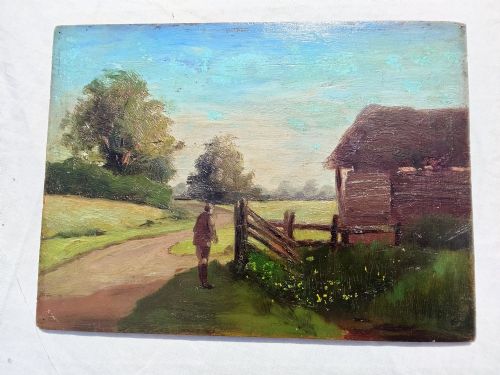
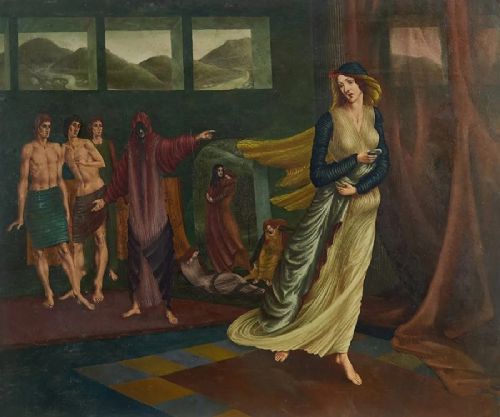
These vintage oil on board paintings capture direct, portable visions from pastoral landscapes to coastal harbours, prized for their textured immediacy and rich pigment.
Vintage Oil on Board
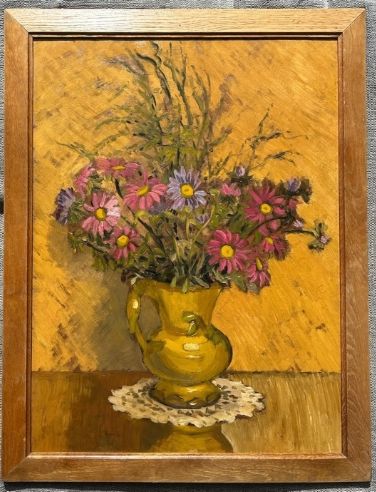
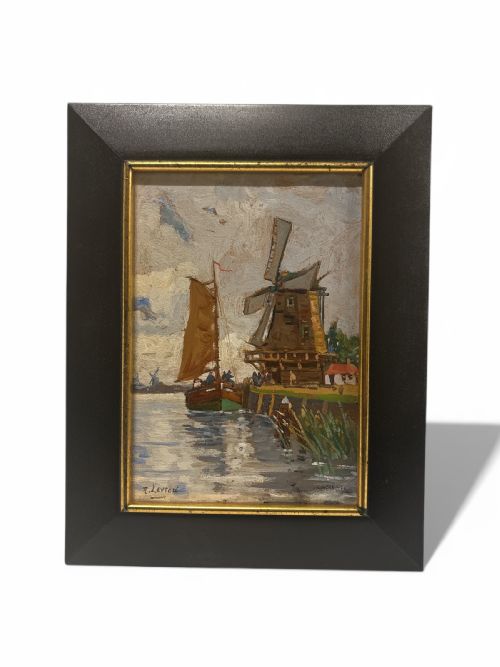
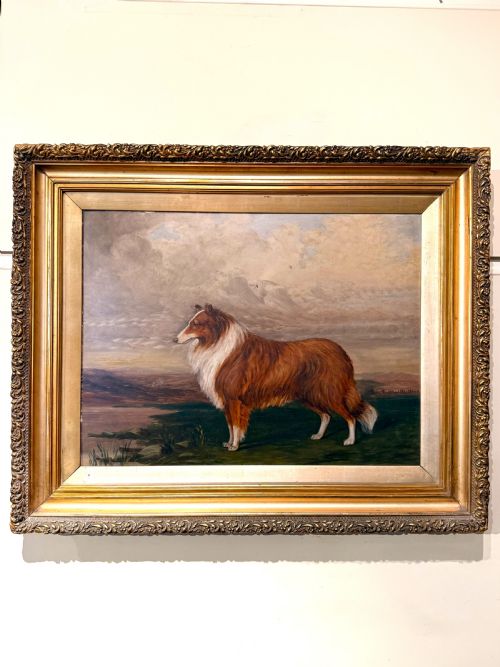
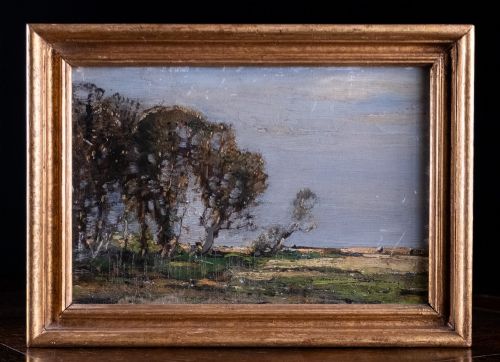
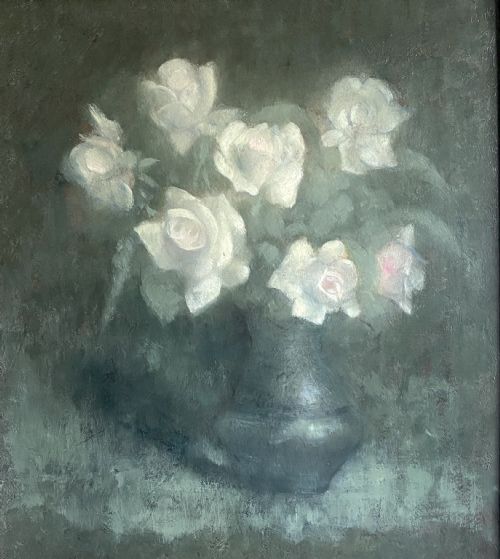
When browsing vintage oil on board artworks, collectors encounter a diverse range of subjects spanning domestic still lifes, rural British landscapes, coastal scenes, and maritime views. The selection draws heavily from mid-century modernist movements as well as earlier twentieth-century and nineteenth-century traditions.
Most pieces met on this page originate from the mid-twentieth century, reflecting post-war British and European artistic output. Painters utilised rigid supports for plein air excursions, resulting in spontaneous compositions that retain a fresh, unpretentious charm.
How They Were Made
Artists applied viscous oil paints directly onto firm wooden panels, cardboard, or canvas board using bristle brushes and palette knives. This stiff substrate allowed practitioners to build up heavy impasto textures without the spring or flex associated with stretched canvas.
Makers often sealed the wooden or cardboard supports with a priming ground before painting to prevent the oil medium from degrading the material over time. Finished works were frequently housed in decorative gilt frames or simple wooden mouldings appropriate to their period.
Several sheep have quietly grazed their way across Yorkshire moorlands on these boards for decades.
What Varies in Quality
Quality rests primarily upon the painter's handling of light, brushwork confidence, and compositional harmony rather than the mere age of the support. Stronger examples display deliberate, confident pigment application that conveys atmospheric depth, whereas weaker works can appear stiff or overly formulaic.
The condition of the paint layer and stability of the underlying board dictate overall desirability. Panels free from warping, heavy surface cracking, or clumsy later touch-ups maintain the integrity and visual impact intended by the artist.
Kenneth Cozens·Kershaw Schofield·Charles Houben·Joan Gillchrest·James Fry
The Vintage Oil on Board Glossary
- Board
- A rigid flat support made of wood, compressed pulp, or millboard used instead of stretched canvas. Painters favoured these sturdy surfaces for rapid field studies and smaller finished compositions.
- Impasto
- Paint applied thickly to a surface, leaving visible brush marks or palette knife ridges that stand out from the plane. This technique adds tactile three-dimensional depth to foliage, waves, and highlights.
- Plein air
- The act of painting outdoors to capture direct observations of natural light and weather. Artists working in this method relied on portable wooden boards and quick-drying oil mixtures.
- Provenance
- The documented history of ownership or exhibition record associated with a work of art. Labels from galleries, retailers, or past studio sales help verify authenticity and origin.
Vintage Oil on Board: Frequently Asked Questions
How do I clean an oil on board painting?
Dust accumulated on the surface should be removed gently with a soft, dry brush without applying pressure to the pigment. Avoid using water, household cleaners, or liquid solvents on the painted board.
For deeper cleaning or the removal of discoloured varnish, consult a professional art conservator. Amateur cleaning attempts can permanently damage delicate impasto brushwork and thin glazes.
How should I store or display them?
Hang paintings away from direct sunlight, high humidity, and rapid temperature fluctuations to protect both the wooden support and the oil pigments. Consistent indoor environments prevent the board from warping and the paint layer from cracking.
If storing pieces flat, keep them in a dry, climate-controlled space interleaved with acid-free tissue paper. Avoid stacking heavy objects on top of unprotected boards.
How can I tell the age of the board?
Examine the reverse of the panel for maker stamps, handwritten inscriptions, gallery labels, or the type of wood and cardboard used. Older nineteenth-century and early twentieth-century boards often exhibit distinct materials and patination compared to mid-century counterparts.
Stylistic cues within the painting itself, alongside artist signatures and framing evidence, provide a clearer dating framework than the support alone.