




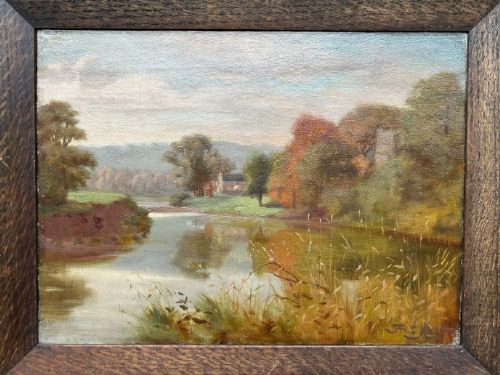
Vintage Oil Canvas Artwork
When you search for vintage oil canvas artwork, you are looking at original painted compositions rendered in oil paint.
Vintage Oil Canvas Artwork
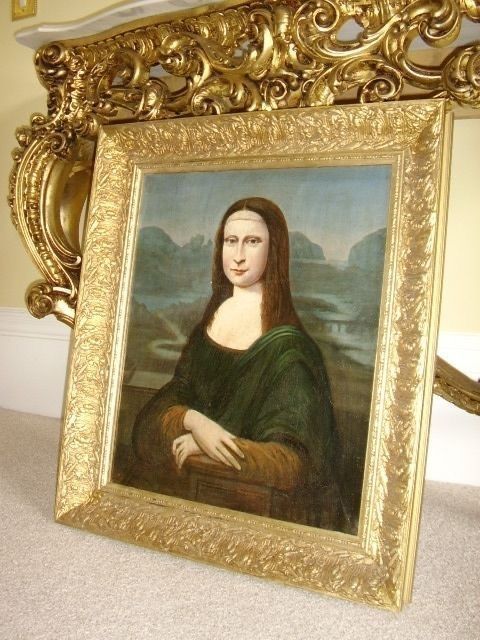
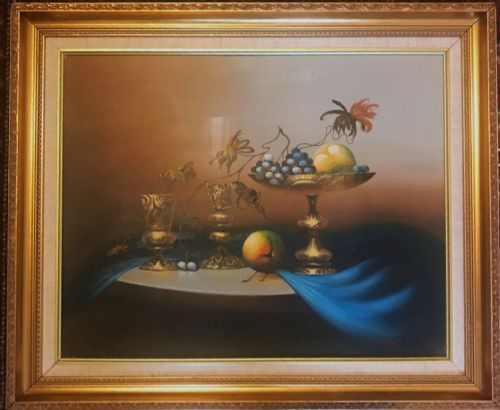
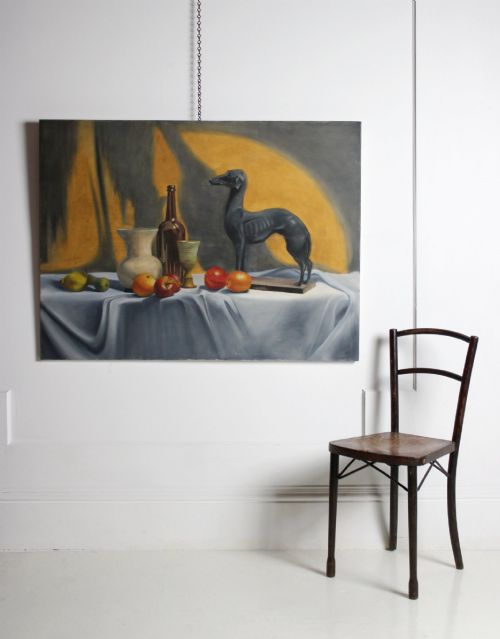
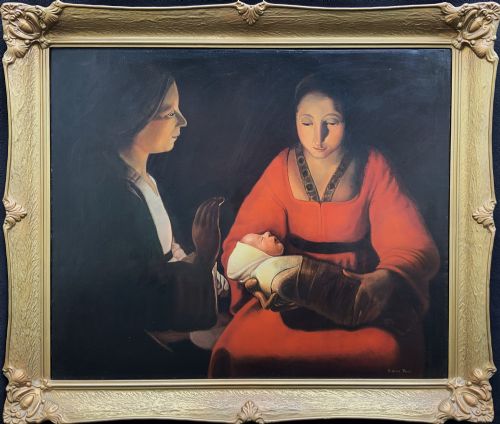
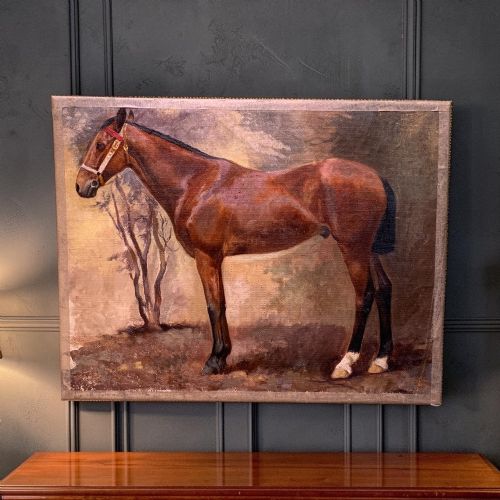
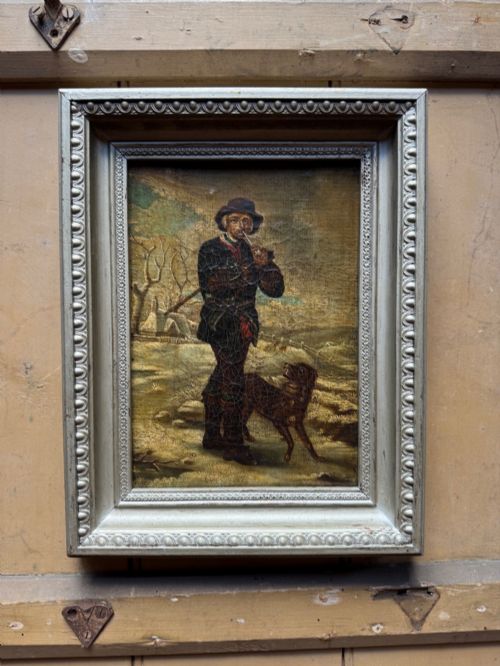
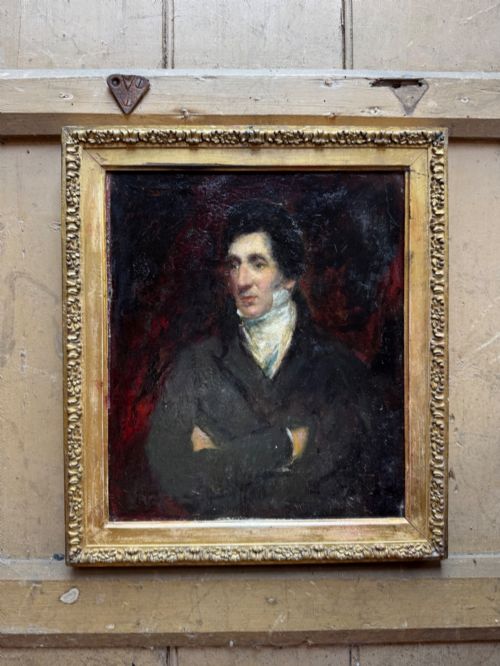
Vintage oil canvas artwork encompasses original paintings produced across the nineteenth and twentieth centuries, including the Victorian, Edwardian, and mid-century periods. These works appear in forms such as fine art paintings, portraits, landscapes, and still-lifes.
The selections you encounter most often span early twentieth-century creations up to nineteen-sixties post-war examples. They include both signed compositions by named artists and unsigned works originating from various British and European schools.
Subjects range from maritime scenes and pastoral landscapes to floral compositions and animal portraits. Many of these pieces retain their original wood or gilt gesso frames.
How they were made
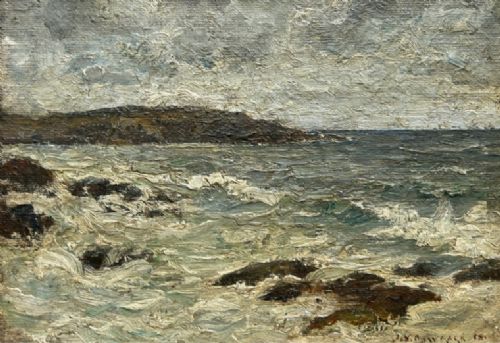
These works are executed using oil paint applied to woven canvas supports or wooden panels. Artists utilised brushes and palette knives to build up layers of pigment, sometimes creating textured impasto surfaces.
Frames play a structural and decorative role, constructed from wood and finished with gesso and gilt detailing. The preparation of the canvas involves sizing and priming grounds before the application of the oil colours.
Several canvases capture unexpected subjects, including racing pigeons, hospital ships, and prize shorthorn bulls.
What varies in quality
Quality rests in the handling of the medium, the precision of draughtsmanship, and the sensitivity of the tonal palette. A strong composition demonstrates confident brushwork and balanced spatial arrangement, whether in a detailed portrait or a brisk coastal landscape.
The integrity of the canvas and the preservation of the original paint layer determine the physical standing of a piece. Original frames matching the period of the painting add an integrated context to the artwork.
Kenneth Cozens·Jozsef Molnar·Georges de La Tour·Clifford Hanney·Frederick Marriott·Eugène-Louis Gillot·William McAlpine·Reginald Arthur Borstel·Alfred Fontville de Breanski Jr·George Houston·Herbert Royle·Mark Rothko·Hubert Haider
The Vintage Oil Canvas Artwork Glossary
- Impasto
- Paint applied thickly to a canvas, standing out in relief from the surface. This technique allows brush or palette knife marks to remain visible.
- Gesso
- A paint mixture consisting of a binder mixed with chalk, gypsum, or pigment used to prepare wood or canvas surfaces. It forms a smooth base before gilding or painting.
- Gilt wood
- Wood that has been coated with thin gold leaf or gold paint. It appears frequently on decorative antique frames.
- Post-Impressionism
- An art movement extending the limitations of impressionism while retaining its vivid use of light and colour. Works in this style reject strict naturalism in favour of expressive forms.
- Still-life
- A painting featuring inanimate subject matter, typically everyday objects such as fruit, flowers, or tableware. These arrangements focus on texture, light, and colour interaction.
Vintage Oil Canvas Artwork: Frequently Asked Questions
How do I date a vintage oil painting?
Dating relies on stylistic clues, framing methods, and stretcher construction. Artists' signatures and canvas stamps also provide chronological markers.
Examining the materials used for the support and the preparation layers helps narrow down the period of execution.
Are all these works signed by the artist?
Many pieces feature visible signatures, monograms, or dates inscribed by the painter. Others remain unsigned or carry attribution notes.
Unsigned works are often categorized by school, period, or stylistic manner.
How should I hang an oil painting?
Oil paintings require sturdy wall fixings suited to the combined weight of the canvas and the wooden frame. Hanging should avoid direct, harsh sunlight and excessive moisture.
Stable indoor temperatures protect both the canvas support and the oil pigment layers over time.
What subjects are most common?
Landscapes, marine views, and floral still-lifes feature prominently among surviving works. Portraiture and animal studies also appear regularly across the different periods.
These themes reflect the prevailing artistic interests of the nineteenth and twentieth centuries.