
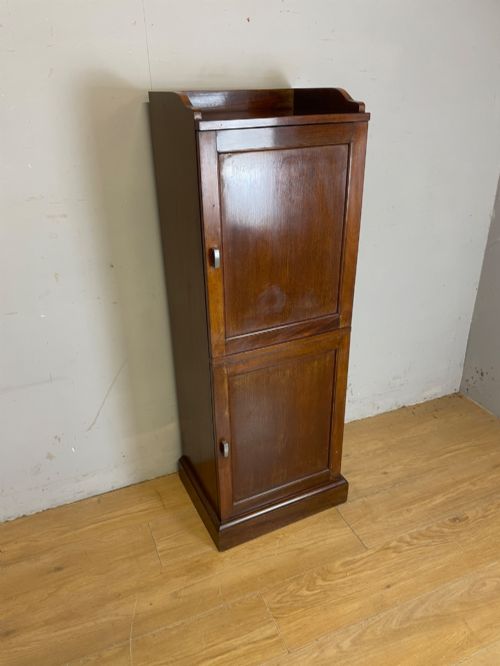
Vintage Office Storage Cabinet
A vintage office storage cabinet organises papers and keepsakes with period character, offering durable timber construction and clever mechanical doors.
Vintage Office Storage Cabinet
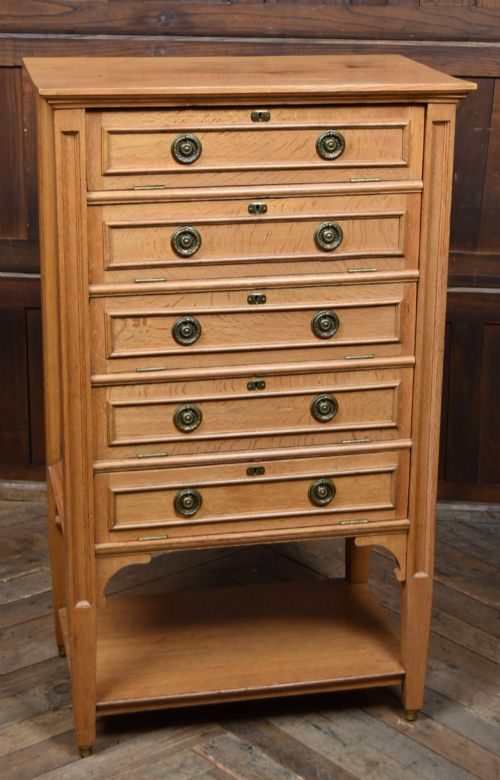
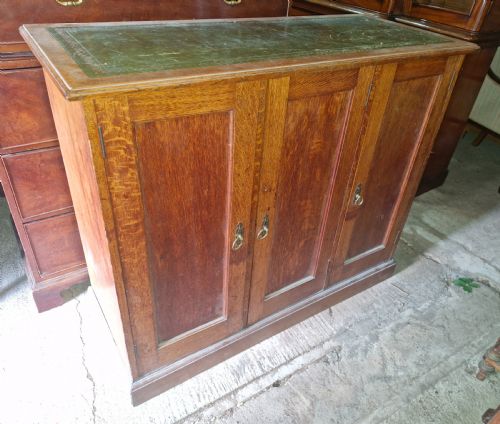
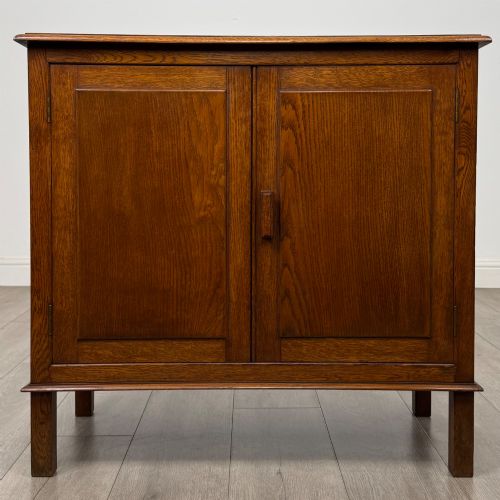
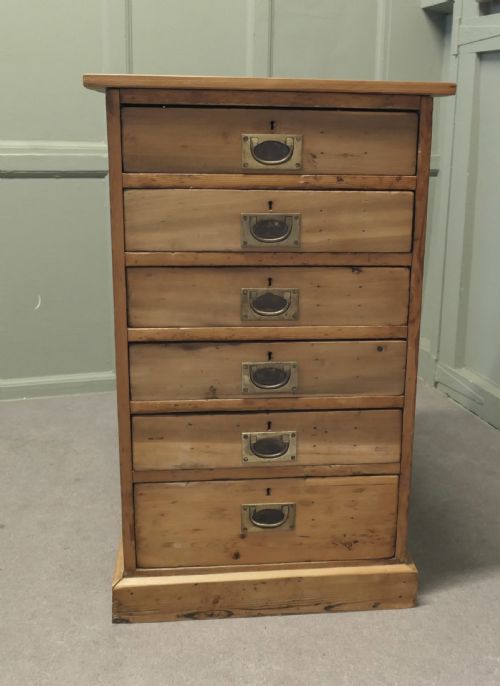
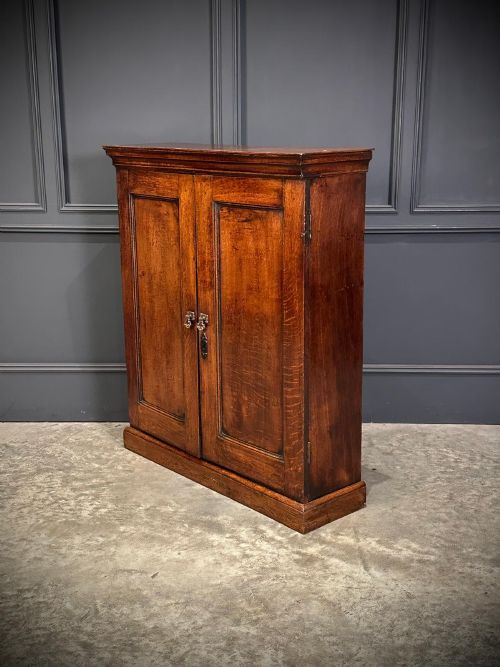
A vintage office storage cabinet brings functional workspace organisation into domestic interiors, frequently taking the form of a filing cabinet, bank of drawers, or tambour front unit. These pieces date across the nineteenth and twentieth centuries, spanning Edwardian, Victorian, and industrial eras.
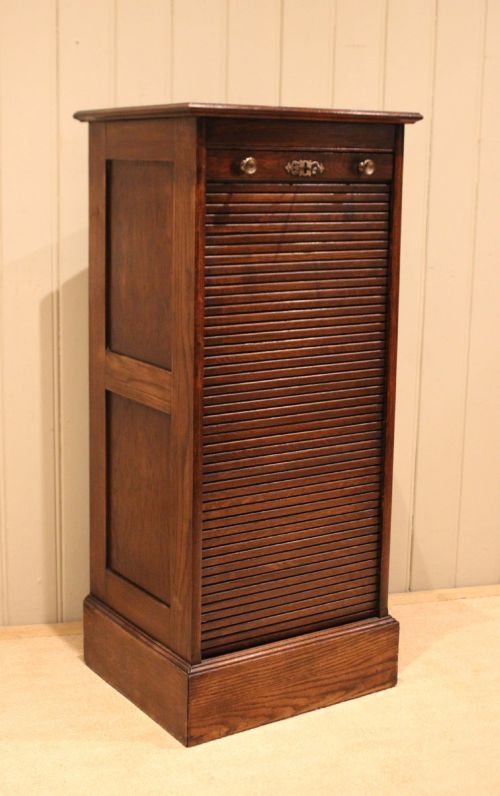
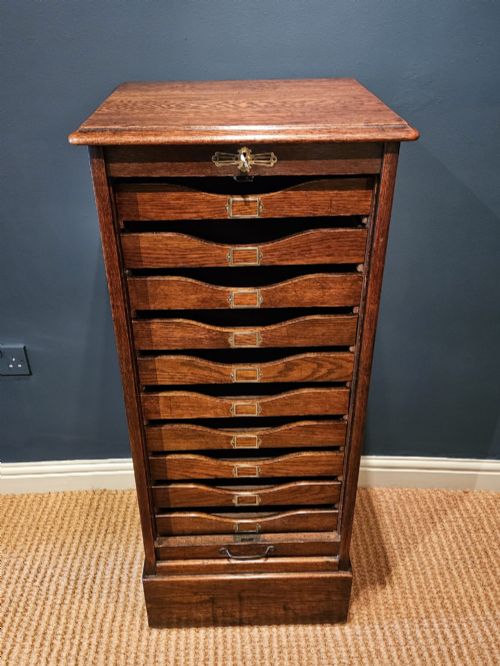
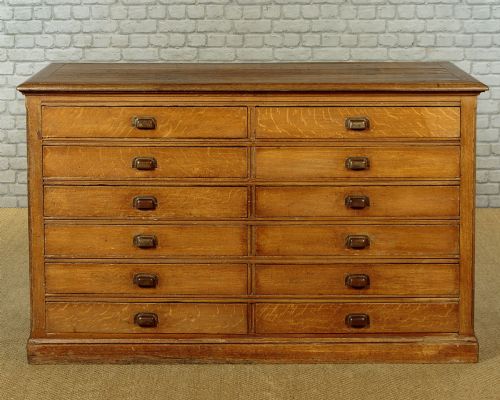
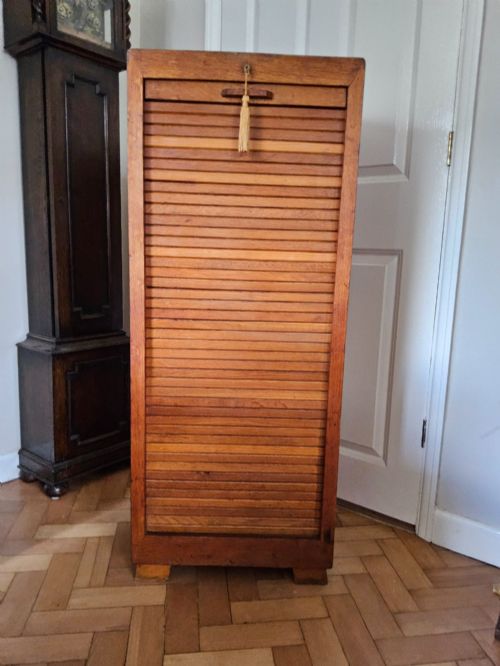
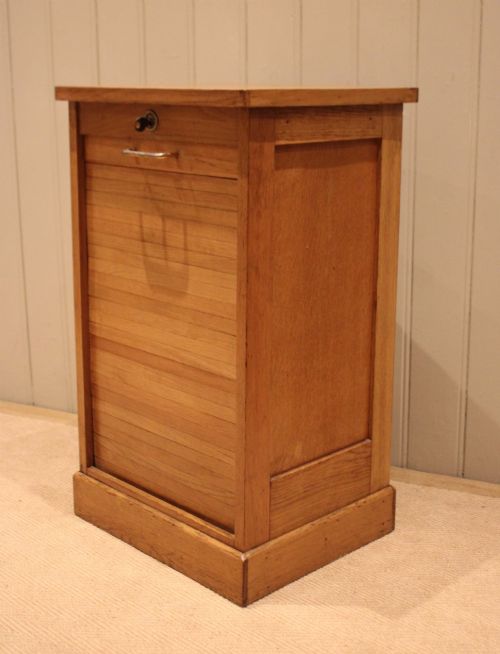
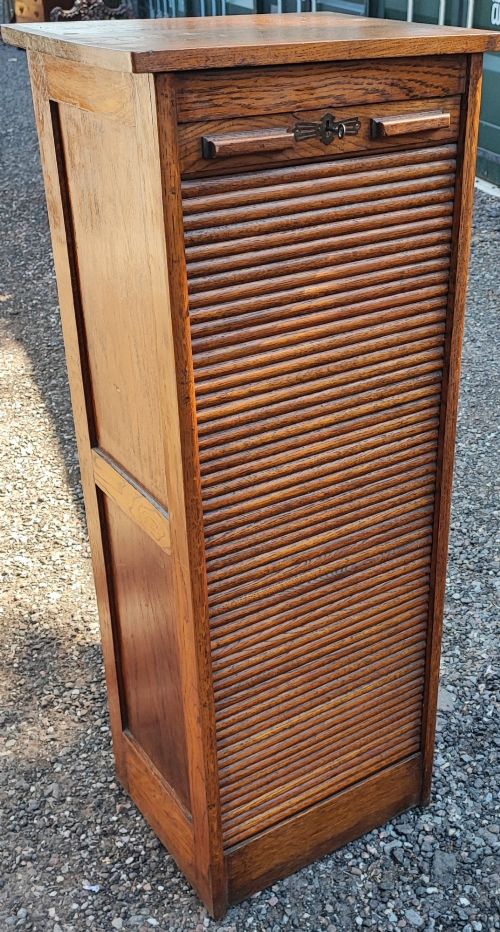
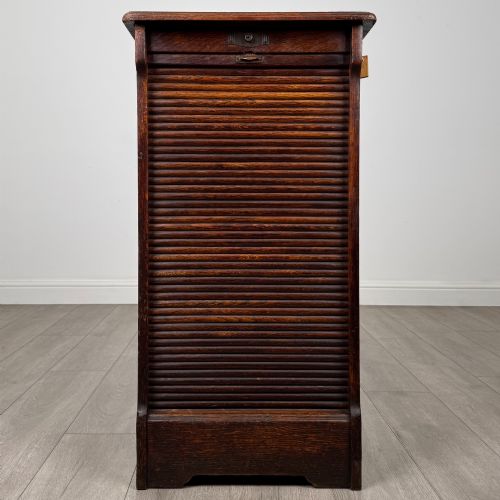
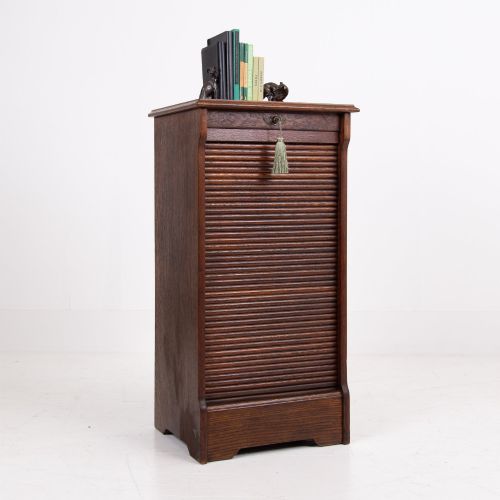
Oak and mahogany versions predominate on this page, often built with slatted sliding shutters known as tambour doors or fitted with multiple small drawers designed for letters, music, or stationery. Buyers commonly encounter Edwardian and early twentieth century examples designed for professional paperwork.
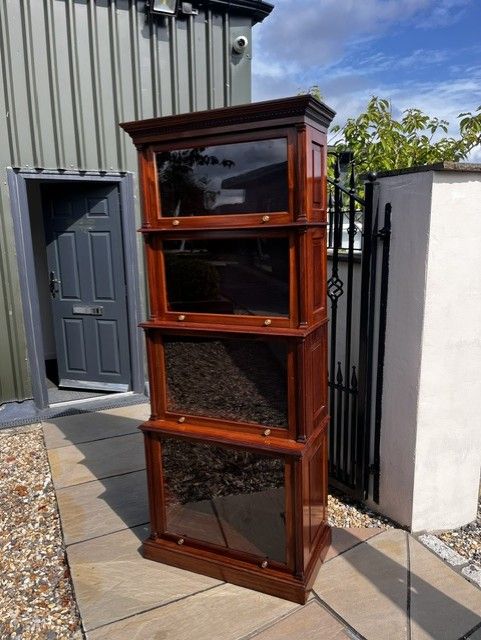
Specialised variants include barristers stacking bookcases, plan chests, pigeon holes, and haberdashery cabinets, reflecting the diverse filing needs of past offices and workshops. Many feature original hardware such as brass label holders and shell pulls.
How they were made
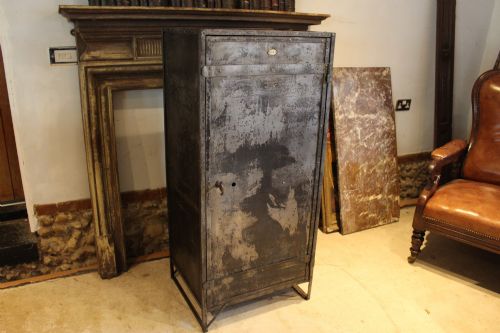
Cabinet makers constructed these units predominantly using solid oak, mahogany, and pine, occasionally incorporating metal, steel, brass, leather, and canvas for operational hardware and internal mechanisms. Timber surfaces received polished finishes that highlighted natural grain patterns.
Tambour doors relied on tightly fitted narrow wooden slats glued to canvas backings, allowing the flexible shutter to slide smoothly around curved cabinet tracks. Drawers incorporated durable dovetail joints and were fitted with brass handles and label holders suited to heavy daily use.
Vintage Office Storage Cabinet Retail Price Guide 2026
Typical asking prices for vintage office storage cabinet among the pieces listed under this phrase on Sellingantiques today, from the lower quarter to the upper quarter. They describe what is for sale here now, not the wider market.
Periods represented span from nineteenth century pieces through Edwardian designs and 1940s wartime storage.
What varies in quality
The sophistication of the internal mechanism separates standard storage from superior work, particularly in the smooth operation of tambour shutters and the precision fit of stacking modular sections. Timber selection also dictates grade, with figured oak or solid mahogany representing higher standards than utilitarian pine.
Originality of hardware preserves value, distinguishing pieces retaining their authentic brass label holders, shell pulls, and manufacturer brasses from those altered or restored with modern replacements. Construction depth and proportion determine whether a cabinet suits compact domestic spaces or larger rooms.
Maple & Co.
The Vintage Office Storage Cabinet Glossary
- Tambour door
- A flexible door made from narrow wooden slats attached to canvas, allowing it to slide around a curved track to conceal cabinet contents. This ingenious space-saving mechanism was widely used in early twentieth century filing furniture.
- Barristers stacking bookcase
- A modular bookcase composed of separate glass-fronted sections that stack vertically. This design allowed legal professionals to expand their library simply by adding another tier.
- Bank of drawers
- A multi-drawer unit designed for sorting documents, letters, or small objects. These pieces often feature numerous shallow drawers fitted with brass label holders.
- Plan chest
- A large, flat piece of furniture with wide, shallow drawers built for storing architectural blueprints and large maps. They are typically constructed from pine or oak.
- Pigeon holes
- Open vertical compartments arranged in a grid for sorting incoming and outgoing correspondence. They were essential fixtures in traditional offices and sorting rooms.
Vintage Office Storage Cabinet: Frequently Asked Questions
How do I date an antique filing cabinet?
Dating relies on timber choices, construction techniques, and hardware styles. Edwardian and early twentieth century pieces frequently exhibit solid oak construction with brass label holders.
Earlier nineteenth century examples often utilise mahogany or pine with hand-cut dovetail joints and simpler internal partitions.
What were pigeon holes used for?
Pigeon holes served as sorting compartments for letters, memos, and documents in busy administrative offices. They kept active paperwork visible and sorted before filing.
In modern homes, they function well for organising stationery, mail, or craft supplies.
Are stacking bookcases stable?
Stacking bookcases utilise modular tiers that rest securely on top of one another without permanent fixings. The weight of the solid timber sections keeps the structure stable.
Individual tiers can be separated easily for transport or reconfiguration.