




Vintage Ocean Landscape Painting
A vintage ocean landscape painting brings the movement, salt and light of the coast directly onto a wall.
Vintage Ocean Landscape Painting
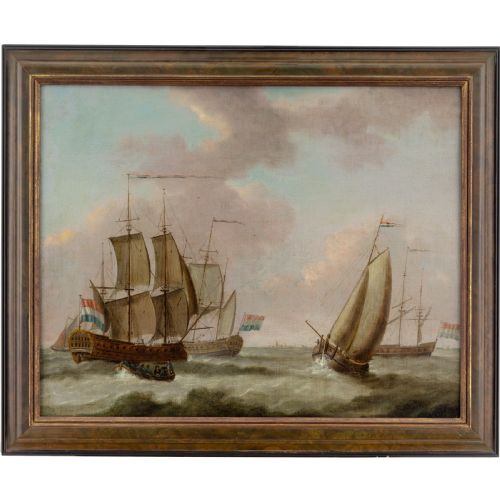
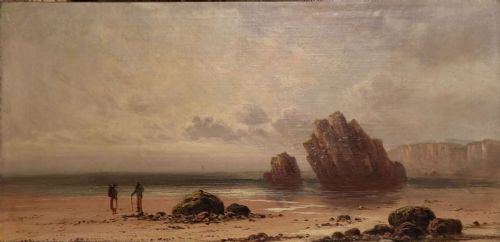
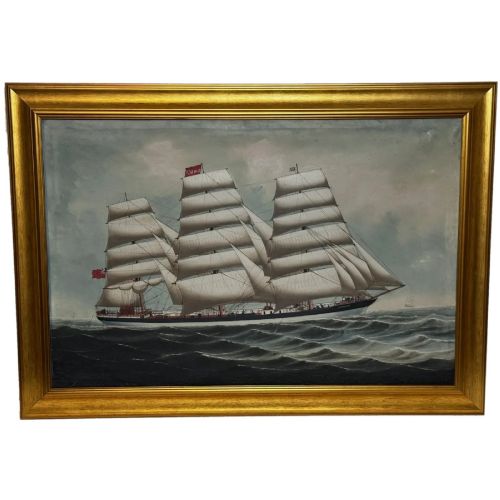
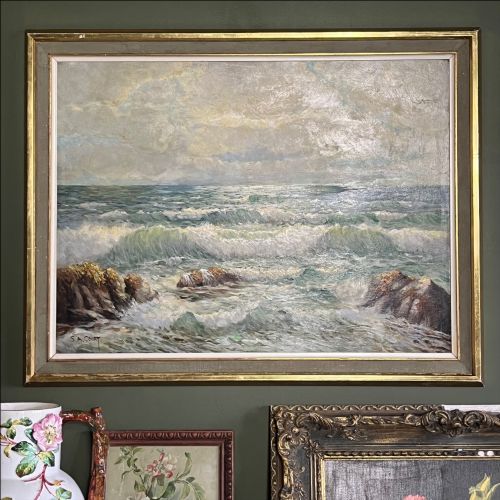
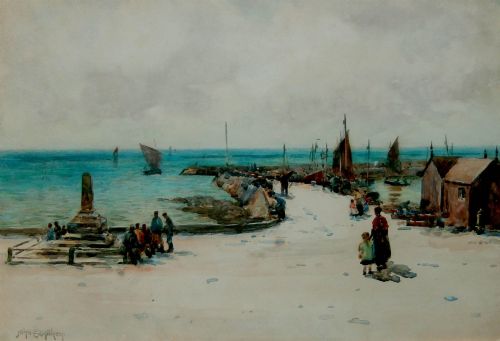
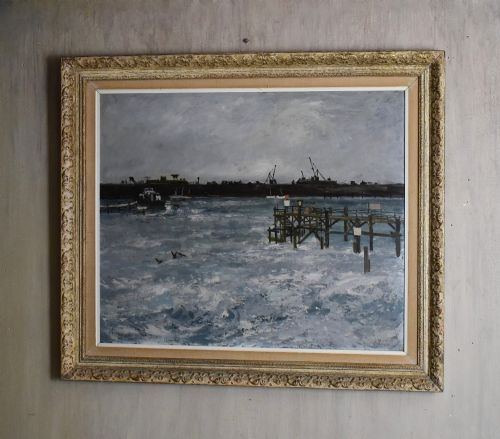
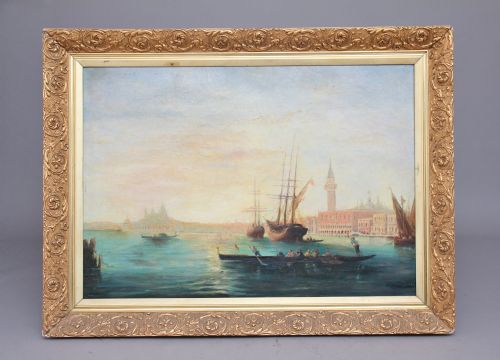
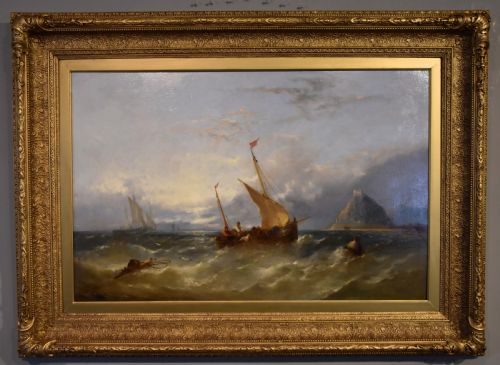
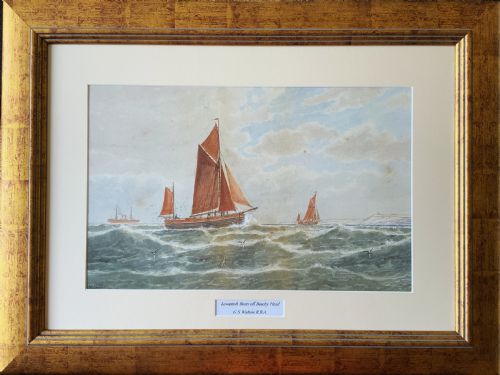
When you search for a vintage ocean landscape painting, you encounter works that capture harbours, coastal cliffs and open water from the nineteenth century to the mid twentieth century. The selections here include oil paintings on canvas and board alongside watercolours on paper, spanning Victorian marine scenes to mid-century impressionism.
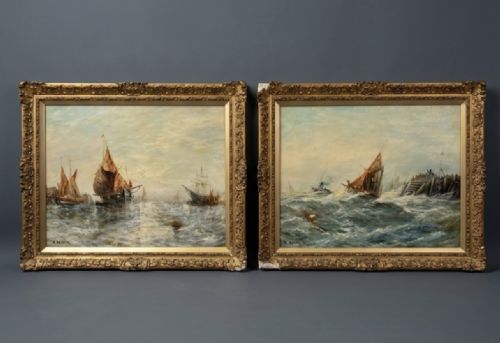
Most pieces on this page originate from British and European coastal locations, depicting fishing boats, choppy seas and quiet shores. These artworks range from intimate watercolours of Cornish ports to large oil paintings executed in gilt frames.
How they were made
Artists relied primarily on oil paint applied to canvas, wood panels or board, often working en plein air to capture transient atmospheric conditions by the water. Others utilised watercolour on paper, building translucent washes to depict the sea and sky.
Framing forms an integral part of these works, with many pieces housed in period wood and gilt frames that complement the maritime subject matter.
The selection includes works from the Victorian era, the Edwardian period, and mid-century British impressionism.
What varies in quality
The strength of a coastal painting depends heavily on the artist's handling of light, brushwork and atmospheric movement. Works showing confident impasto or precise watercolour control stand apart from routine topographical records.
Condition and originality also dictate standing, particularly the preservation of the pigment surface and the retention of period gilt wood framing.
Clifford Hanney·Reginald Arthur Borstel·Sidney A Court·John E Aitken·William Banks Fortescue·Peter Brannan·William Henry Williamson·George Stanfield Walters·Norman Lloyd·William Greaves·Abraham Hulk Snr·Hendrik Willebrord Jansen·Roger de la Corbiere·Frederick Stuart Richardson·Sir David Murray·Percy Brooke·Gustave de Breanski·John McDougal·Frank Wood·Owen Bowen·H Hadfield Cubley·Joseph Newington Carter·William Boyce·S J Lamorna Birch·E Tucker
The Vintage Ocean Landscape Painting Glossary
- Impasto
- Paint applied thickly to a canvas or board, standing out from the surface so that the marks of the brush or palette knife remain visible. This technique adds tactile depth and texture to the movement of water.
- Marine painting
- Artwork that depicts ships, harbours, coastal views and the open sea. These pieces focus on maritime activity and coastal weather.
- En plein air
- The act of painting outdoors to observe direct effects of light and weather on the landscape. Artists working this way captured the immediate atmosphere of the coast.
- Gilt wood
- Wood treated with a thin layer of gold leaf or metallic gilding. Frames finished in this manner frequently accompany nineteenth and early twentieth century paintings.
Vintage Ocean Landscape Painting: Frequently Asked Questions
How do I identify a 19th century coastal painting?
Examine the materials, stretcher frames and paper backs for age indicators such as oxidized pigments or period inscriptions. Stylistic clues like Victorian maritime dress or traditional sailing vessels also point to nineteenth century origins.
Compare the framing style with the canvas preparation to confirm period authenticity. Signature styles and artist records further clarify the dating of these maritime works.
Were these paintings created outdoors?
Many coastal and marine works were painted en plein air, allowing artists to capture shifting light and weather directly on the shore. Others were developed in studios using initial watercolour or pencil sketches gathered by the sea.
Studio paintings often display a more composed finish, while plein air pieces retain lively brushwork and immediate atmospheric effects.
What subjects appear most often?
Common subjects include fishing boats entering harbour, rocky sea stacks, cliffs and expansive coastal skies. Scenes often feature specific locations in Cornwall, Yorkshire and across European shores.
These motifs reflect the nineteenth and early twentieth century fascination with maritime life and the working coast.
How should I care for an oil painting on board?
Keep oil paintings away from direct sunlight and dramatic temperature fluctuations to prevent the wood board or canvas from warping. Dust the surface gently with a soft, dry brush without applying pressure.
Avoid using liquid cleaners on the paint or the gilt frame. Professional conservation ensures the longevity of the pigment layer.