



Vintage Ocean Canvas Painting
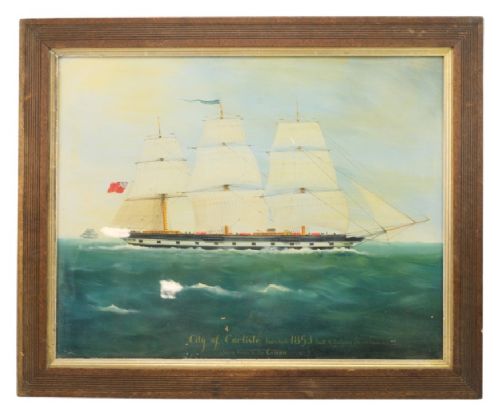
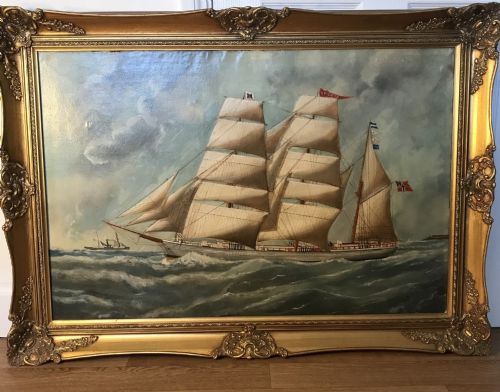
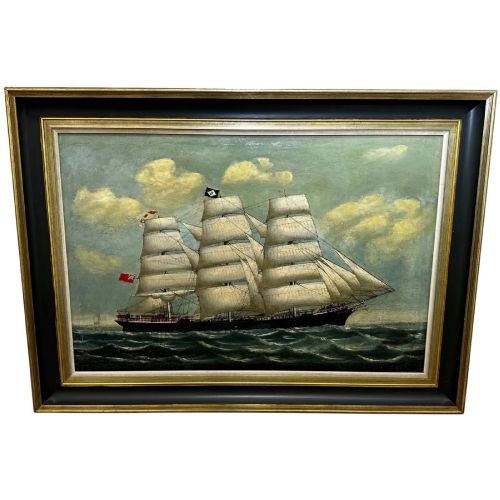
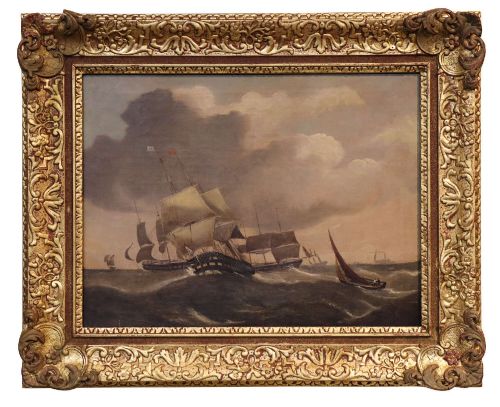
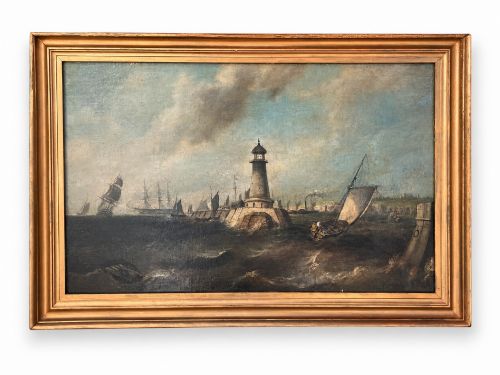
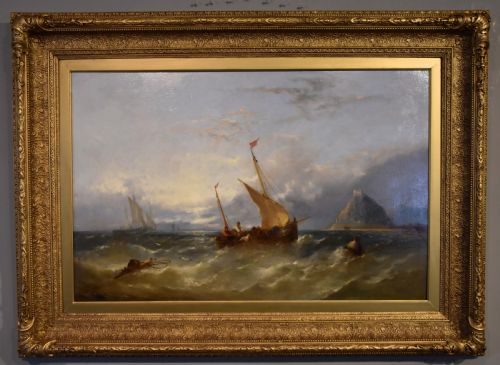
These vintage ocean canvas painting works capture historic vessels and dramatic coastal waters through traditional oil pigments.
Vintage Ocean Canvas Painting
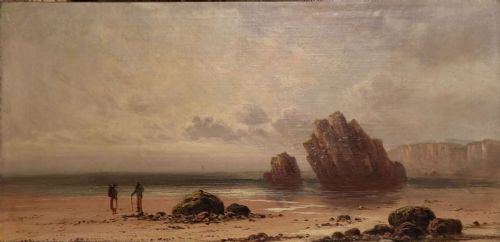
A vintage ocean canvas painting represents historical marine scenes, coastal landscapes, and maritime shipping rendered in oil paint on canvas supports. Buyers search for these works to bring authentic nineteenth-century and twentieth-century nautical atmosphere into a room.
The pieces most frequently met on this page span the Victorian era through the mid-twentieth century, featuring sailing ships, heavy seas, and harbour views. British Impressionist, Victorian Marine, and Maritime Realism styles dominate the selection.
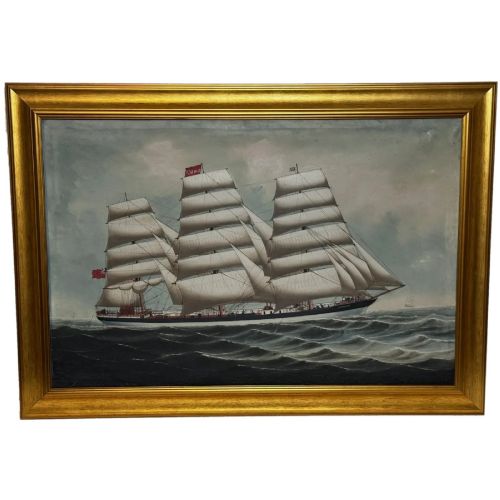
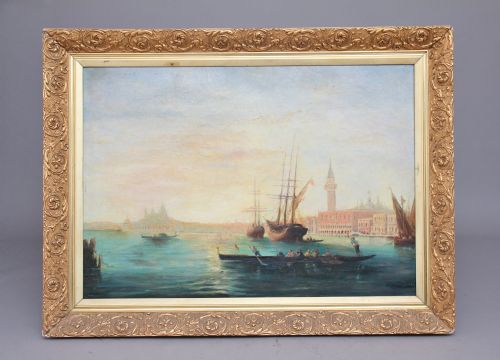
Subjects range from named clipper ships and steamships to anonymous fishing boats off rocky coasts and calm Venetian lagoons. Works vary from intimate panel paintings to large framed canvases depicting dramatic sea storms.
How they were made
Artists built these compositions using oil paint applied to stretched canvas supports, occasionally utilising wooden panel substrates for smaller works. Layers of oil pigment allowed painters to achieve depth in stormy skies and translucent green ocean waters.
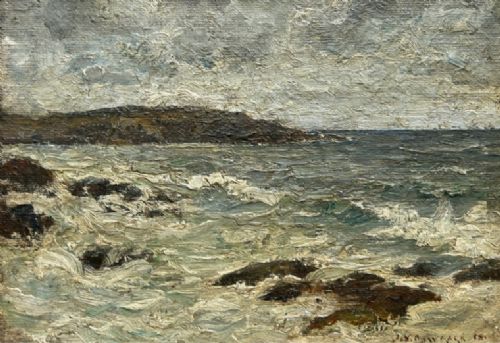
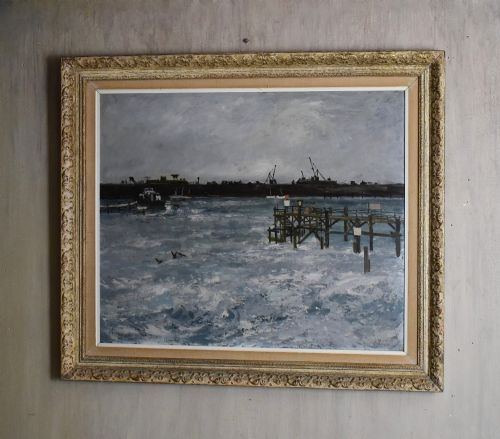
Impasto techniques appear in various twentieth-century works, where thick brushstrokes build textured surfaces on the canvas. Gilt and gold leaf accents frequently finish the wooden frames surrounding the paintings.
Listings feature works spanning the nineteenth century through the 1960s, executed in oil on canvas and wood using Impressionist and Realist styles.
What varies in quality
Quality separates through the artist's command of light, maritime anatomy, and atmospheric movement across the canvas. A superior painting portrays the correct rigging of a three-masted schooner alongside convincing motion in heavy seas.
The handling of the oil medium itself dictates the distinction between standard decorative works and fine art pieces. Masterful brushwork creates believable reflections on water and convincing texture in rocky coastal cliffs.
Clifford Hanney·Reginald Arthur Borstel·Peter Brannan·Nicholas Condy·William Henry Williamson·Elisabeth Bardon·Charles Napier Hemy·Norman Lloyd·Abraham Hulk Snr·Stephen J. Renard·Hendrik Willebrord Jansen·Roger de la Corbiere·Dion Pears·Sir David Murray·Marie-Edouard Adam·E Tucker·Gustave De Breanski·Owen Bowen·H. Hadfield Cubley·Charles Cameron Baillie
The Vintage Ocean Canvas Painting Glossary
- Canvas
- A heavy woven fabric used as a surface for oil painting. It is stretched over a wooden frame before the artist begins.
- Impasto
- Paint applied thickly to a canvas so that it stands out from the surface. This technique creates a tangible texture visible in several twentieth-century pieces.
- Gilt
- A thin layer of gold applied to the wooden frames enclosing these paintings. It adds a decorative metallic border to the artwork.
- Pierhead painting
- A specific type of marine artwork depicting a named ship arriving at or departing from a port. These were often commissioned by captains or shipping lines.
- Seascape
- A work of art depicting the sea, ocean, or coastal views. It forms the primary subject matter across the entire collection.
Vintage Ocean Canvas Painting: Frequently Asked Questions
How do I hang a heavy canvas painting?
Secure heavy wood-framed canvases directly into wall studs using appropriate picture wire and steel wall hooks. Ensure the weight is evenly distributed to protect the antique wooden frame.
Position the centre of the painting at eye level for optimal viewing in your room. Avoid hanging canvases in areas with direct sunlight or damp conditions.
Were these paintings made for ship owners?
Many marine paintings and pierhead portraits were commissioned by shipping lines, captains, and merchants to document specific vessels. These works recorded the pride of a fleet navigating treacherous global waters.
Other coastal scenes were painted by artists visiting fishing ports and seaside cliffs across Britain and Europe. Both categories served different buyers in the nineteenth and twentieth centuries.
How do I identify the period of a frame?
Examine the construction joints, corner mouldings, and types of gesso or gilt applied to the wood. Victorian frames often feature heavy ornamentation and deep moulding profiles compared to later twentieth-century styles.
Original frames frequently show age-related craquelure and minor wear consistent with the canvas age. Replacing a frame requires care to match the historical period of the artwork.