

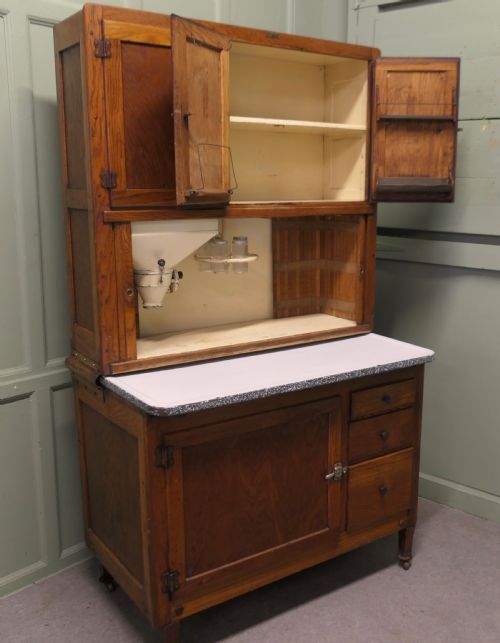
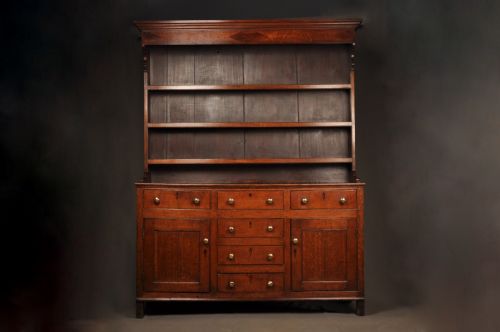
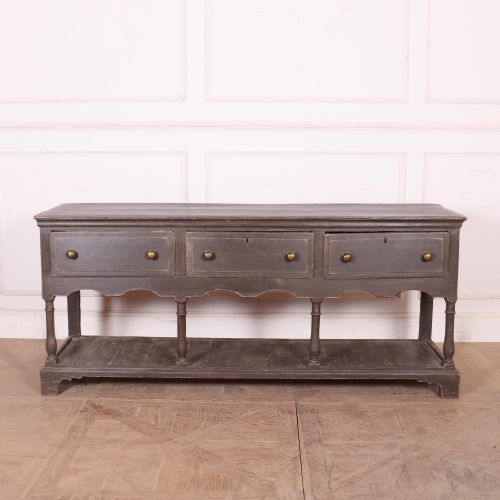
Vintage Oak Kitchen Dresser
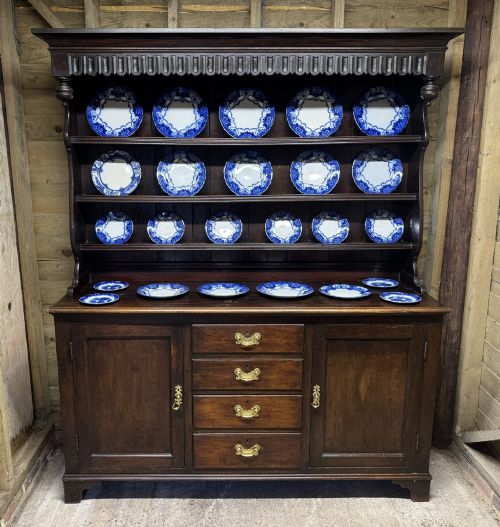
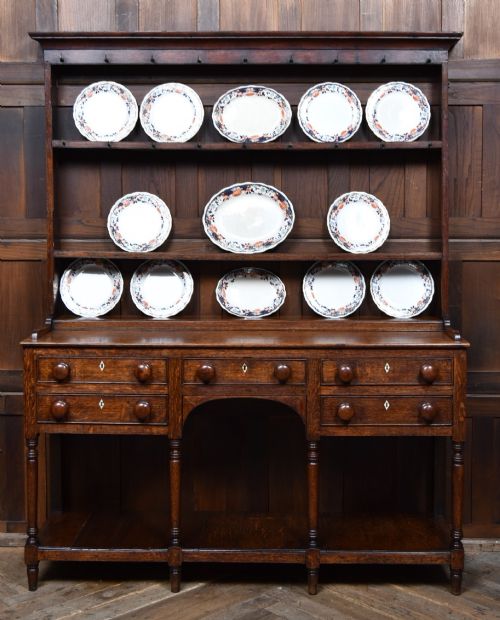
A vintage oak kitchen dresser grounds a room with practical storage and honest utility, holding tableware proudly upon open plate racks.
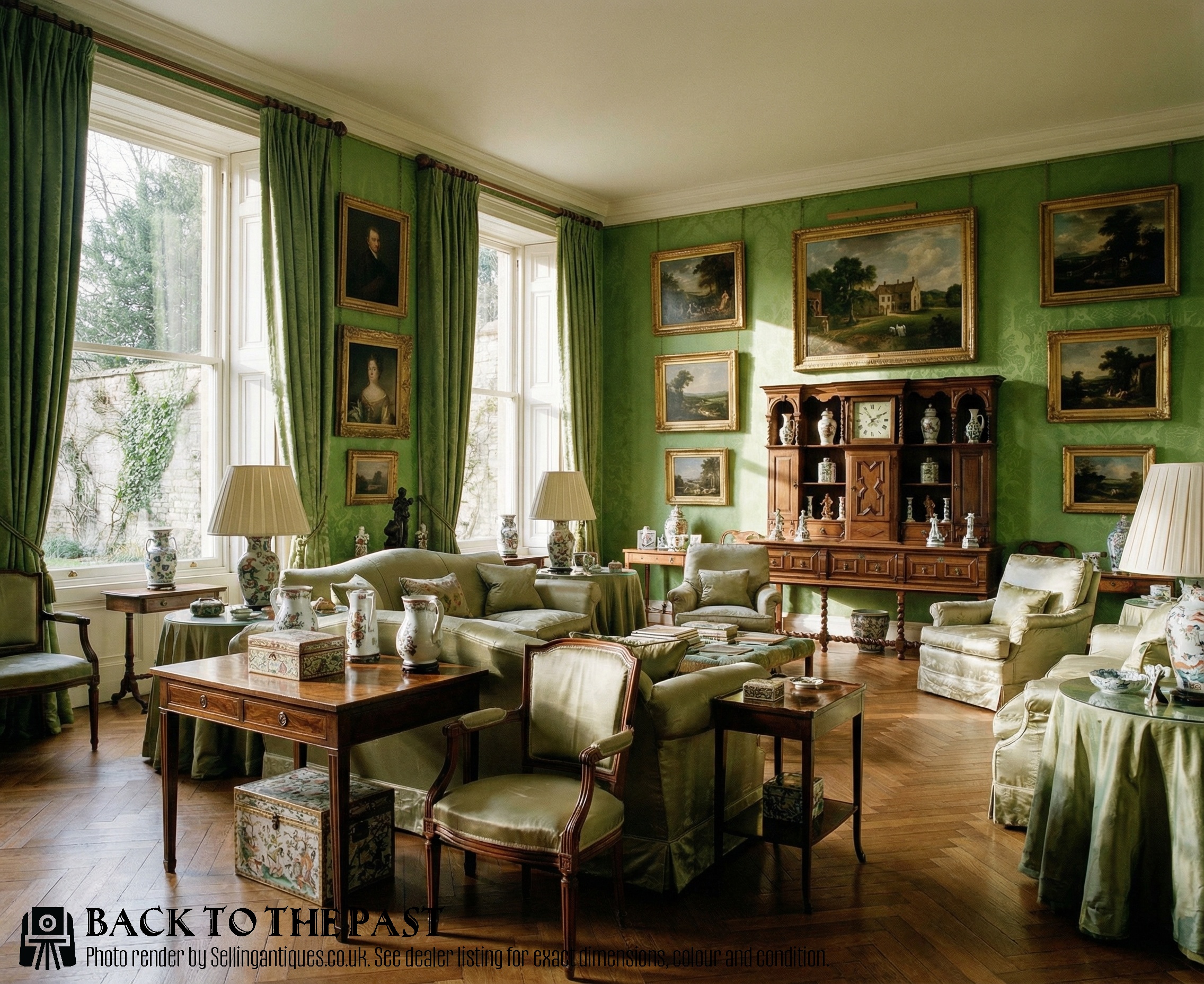
Vintage Oak Kitchen Dresser
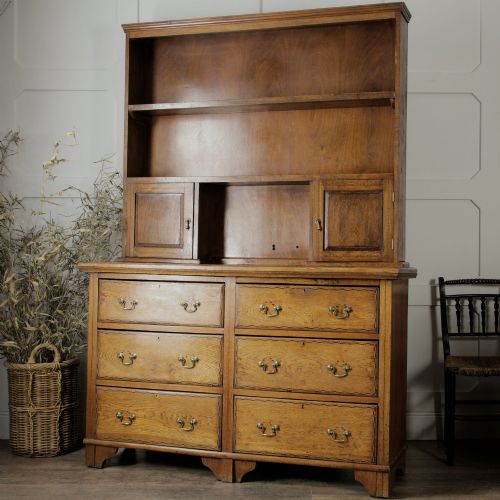
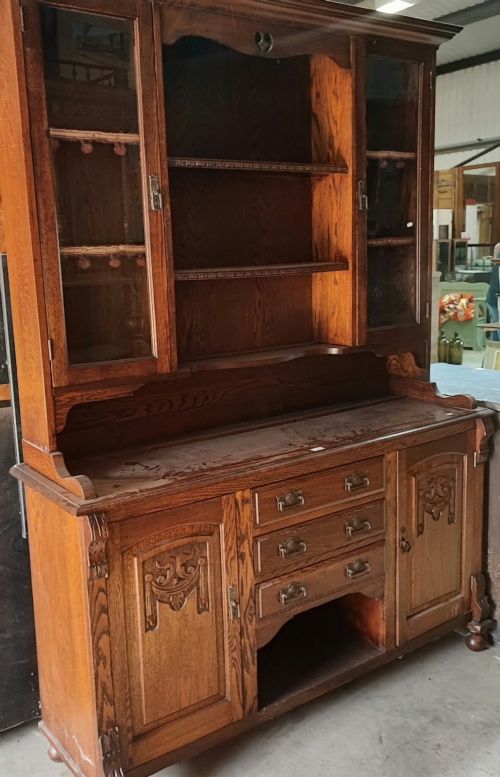
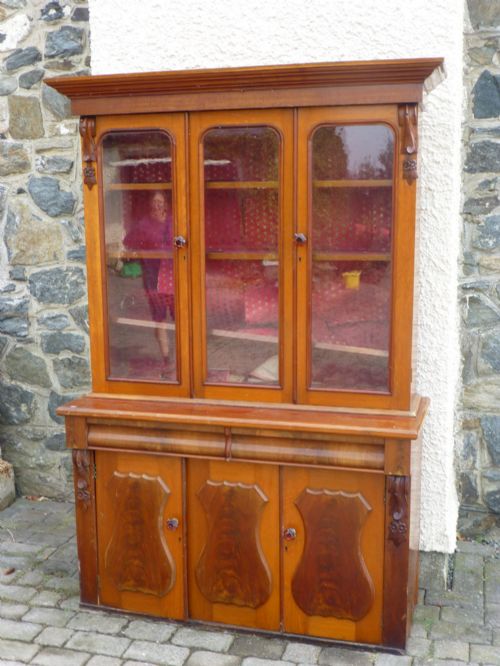
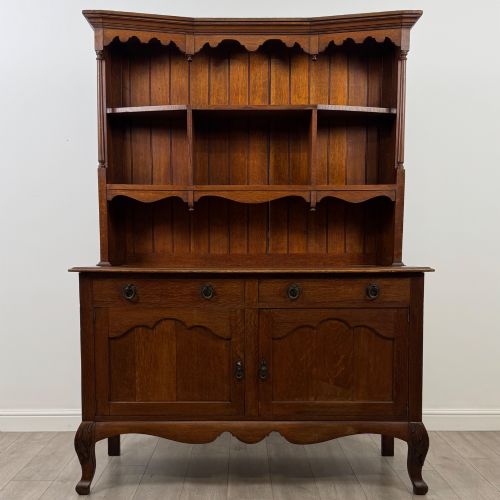
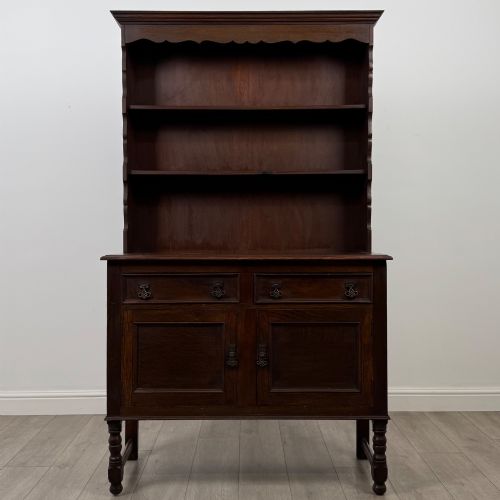
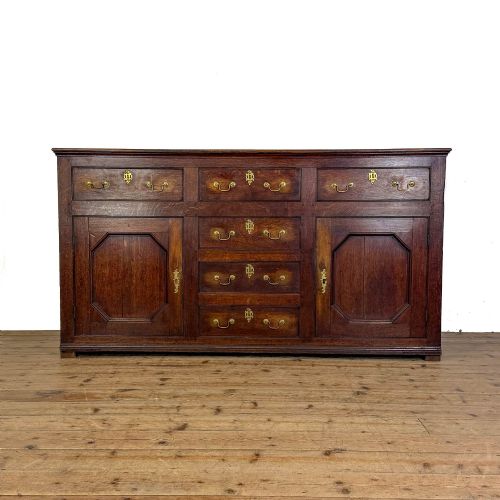
A vintage oak kitchen dresser combines a lower base of cupboards or drawers with an upper plate rack or glazed cabinet, serving as the traditional working heart of a farmhouse or cottage kitchen. When you search for a vintage oak kitchen dresser, you encounter pieces spanning from the eighteenth century through the Edwardian period and the early twentieth century.
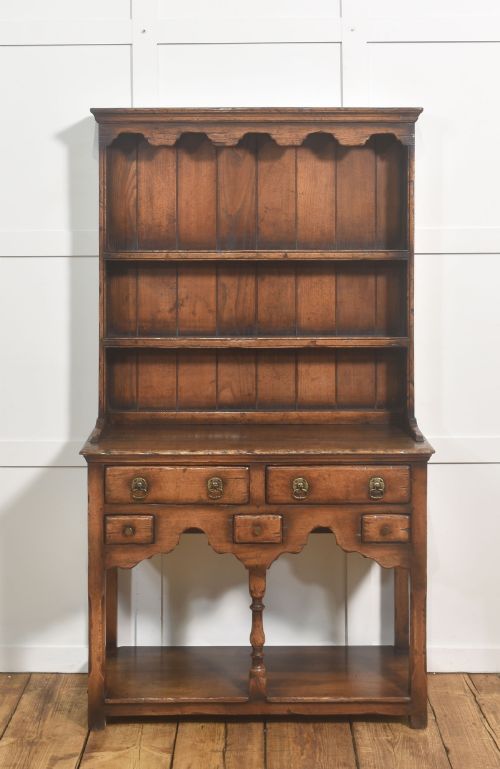
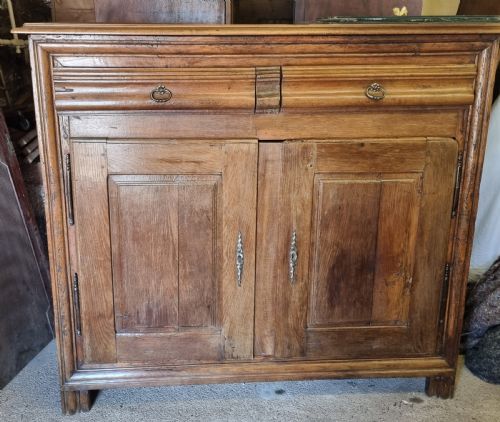
The most common forms on this page include Welsh dressers with stepped plate racks, potboard dressers featuring open lower shelves, and glazed provincial cupboards. Makers built these items primarily from solid oak, sometimes pairing the timber with mahogany, fruitwood, or pine internals.
Regional variations appear frequently among the listings, ranging from English country and West Country examples to French provincial and Jacobean revival styles. Whether configured as a simple base with a delft rack or a tall bookcase cupboard, each piece reflects the utilitarian domestic needs of its era.
Assessing quality and proportion
Quality in these pieces rests upon the integrity of the timber selection and the retention of original components, such as the matching plate rack and base. Superior examples display thoughtful proportions, where the depth of the potboard or base harmonises cleanly with the height of the upper rack.
The degree of hand-carving and the subtlety of regional vernacular design also distinguish finer items from simpler utilitarian workshops. Preservation of original brass or iron hardware and untouched patination on the oak surfaces elevate the standing of a piece.
Vintage Oak Kitchen Dresser Retail Price Guide 2026
Typical asking prices for vintage oak kitchen dresser among the pieces listed under this phrase on Sellingantiques today, from the lower quarter to the upper quarter. They describe what is for sale here now, not the wider market.
Listings feature oak as the primary timber, complemented by pine, fruitwood, and mahogany across periods ranging from the eighteenth century to the 1930s.
Hudson Bros·Heals of London
The Vintage Oak Kitchen Dresser Glossary
- Potboard
- An open lower shelf beneath the base cupboards traditionally used for storing pots and pans. This feature is particularly characteristic of eighteenth-century country furniture.
- Delft rack
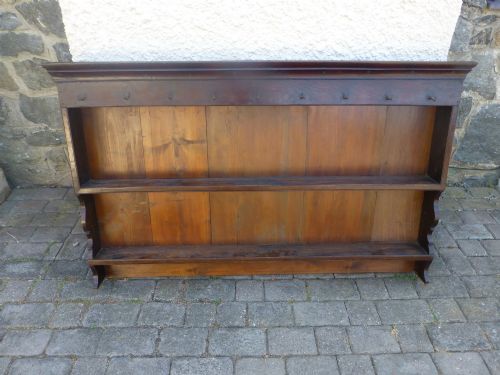
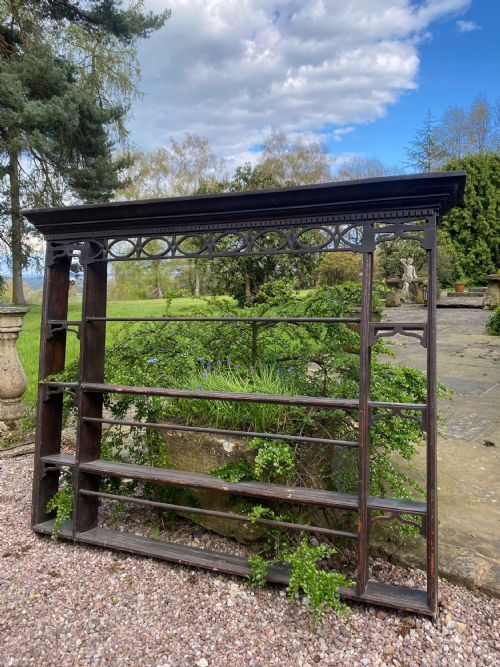
- An upper set of open wooden shelves designed specifically to display ceramic plates and platters upright. These racks often incorporate small grooves to prevent plates from slipping forward.
- Welsh dresser
- A traditional regional form combining a substantial base of drawers and cupboards with a tall multi-tiered plate rack above. They frequently originate from Welsh farmhouses and country cottages.
- Provincial
- Describing furniture made in the regions rather than metropolitan workshops, often displaying robust local character and simpler decorative vocabulary. These pieces prioritize practical utility over formal fashion.
- Jacobean Revival
- A nineteenth-century revival style mimicking the heavy geometric mouldings, strapwork, and deep carved panels of the early seventeenth century. Makers applied these revival motifs to oak sideboards and dressers of the Victorian era.
Vintage Oak Kitchen Dresser: Frequently Asked Questions
What is the difference between a Welsh dresser and an ordinary kitchen cabinet?
A Welsh dresser specifically integrates an open plate rack or display shelving directly above a lower storage base of drawers and cupboards. Kitchen cabinets often enclose all storage behind solid or glazed doors without the open display tiers.
Traditional dressers were designed to show off ceramic tableware and everyday kitchen pottery within arm's reach of the cook. Enclosed cabinets prioritised dust-free storage for dry goods and provisions.
How do I style a vintage oak kitchen dresser in a modern home?
Use the open plate racks to display everyday ceramics, glassware, or vintage copper cookware to bring warmth and texture to a kitchen or dining room. The lower cupboards and drawers provide concealed storage for table linens, heavy crockery, or dry goods.
Allow the natural grain and aged patination of the oak to act as a focal point against neutral walls. Pairing the timber with simple lighting enhances its historic character.
How can I tell an eighteenth-century dresser from a later revival piece?
Eighteenth-century examples typically show hand-sawn timber marks, pegged joinery, and natural wear patterns accumulated through generations of domestic use. The construction methods reflect manual woodworking techniques unique to country workshops of that era.
Later Victorian or Edwardian revival pieces often utilise more uniform machine-sawn boards and standardised hardware fixings. Stylistic cues, such as exaggerated Jacobean carvings on nineteenth-century frames, also point towards a later revival date.
Were these dressers always kept in the kitchen?
Historic country dressers originated as working kitchen or buttery furniture for food preparation and tableware storage. Over time, as domestic layouts evolved, many found their way into dining rooms and living spaces as display furniture.
Their flexible combination of open display and closed storage made them equally suitable for holding books, collections, and household linens in various rooms of the house.