
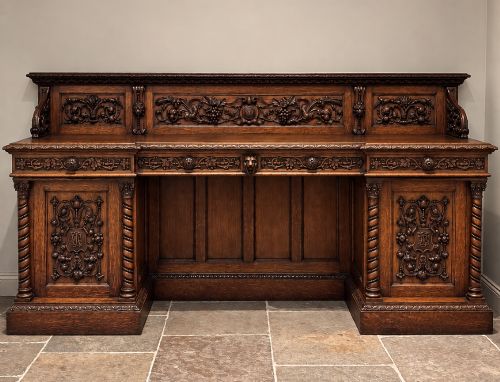
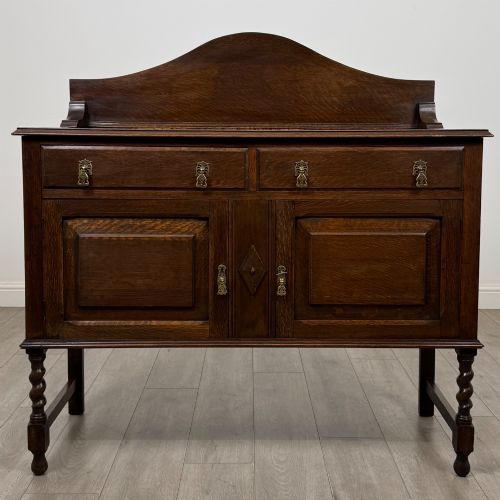
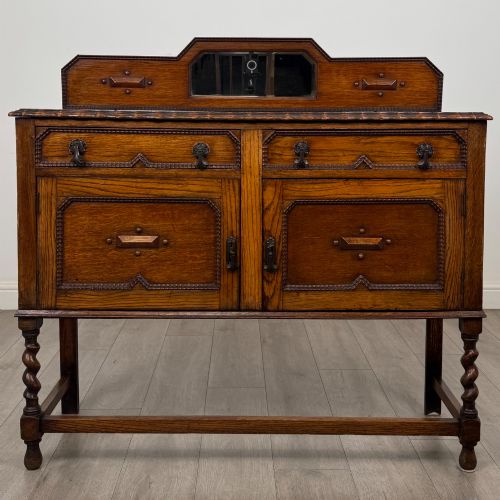
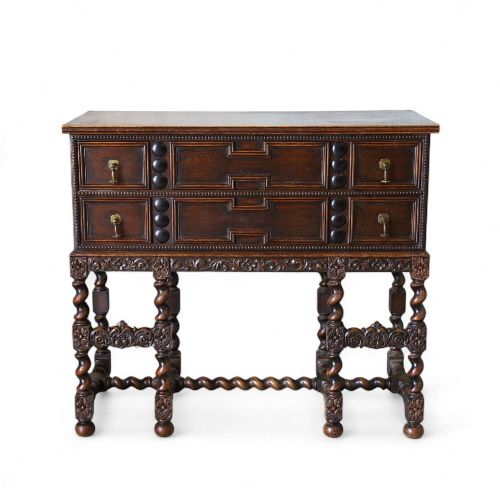




Barley Twist Dresser
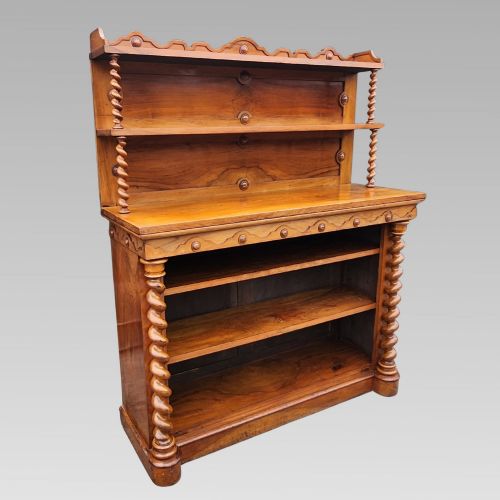
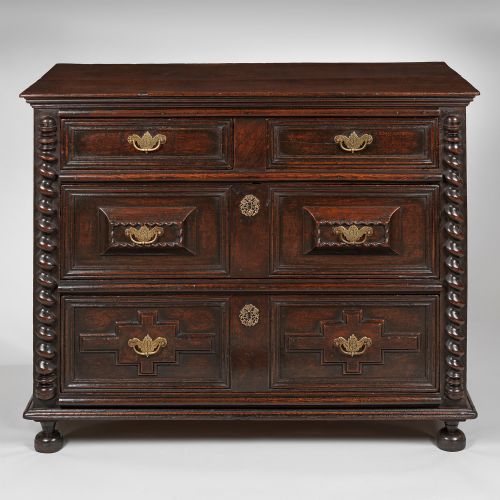
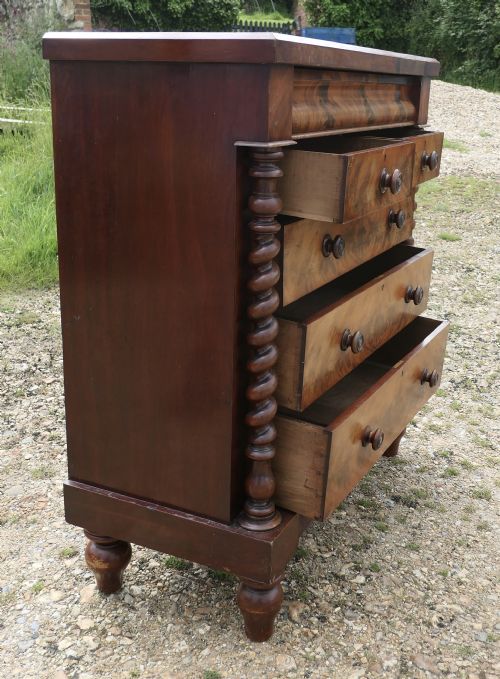
These barley twist dresser pieces bring turned structural supports and rich timber grain to domestic spaces.
Barley Twist Dresser
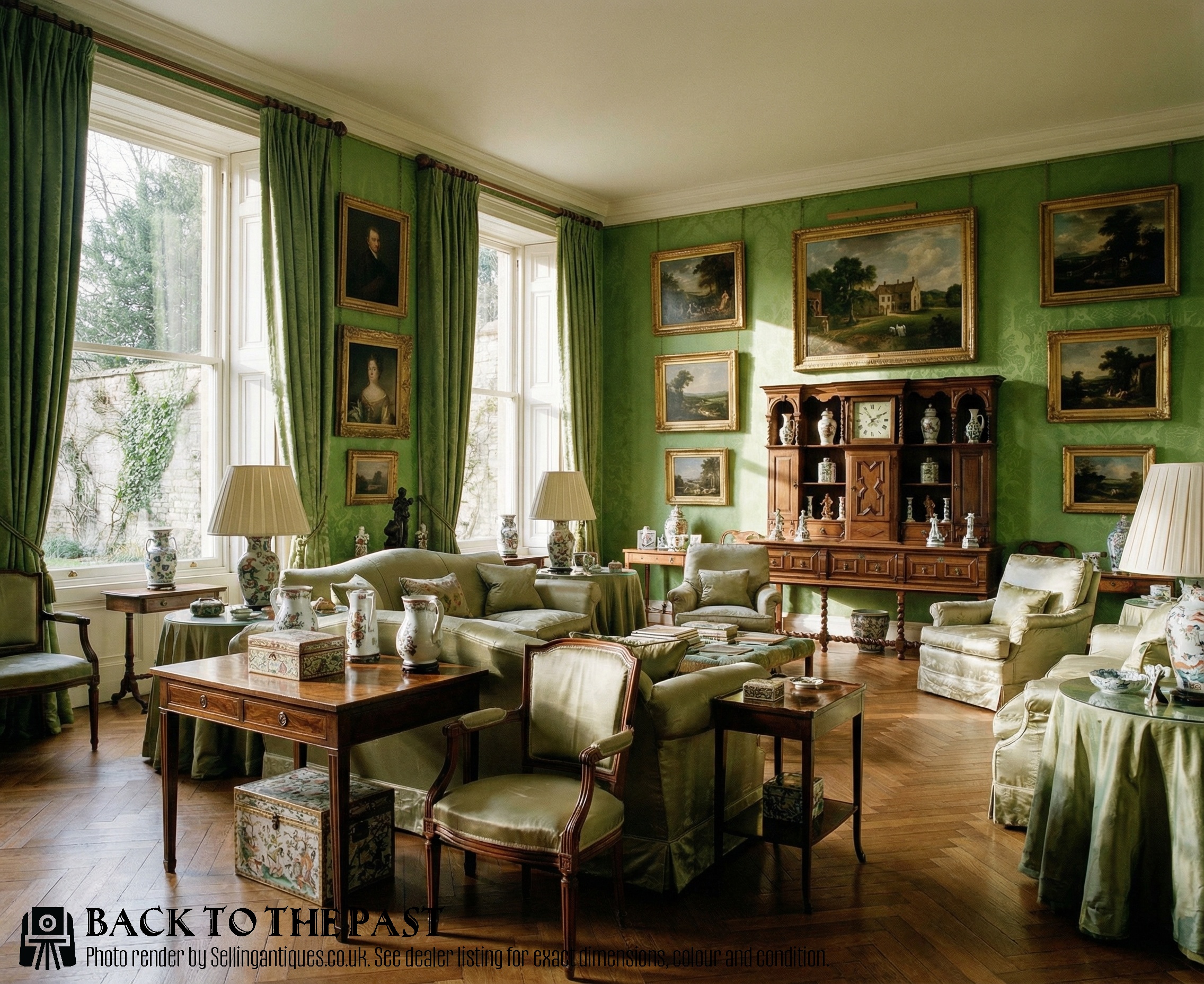
A barley twist dresser combines storage cabinetry with the distinctive spiral turning that defines the style, appearing primarily in oak across periods from the seventeenth century through to the Edwardian era and the 1930s. Buyers searching for a barley twist dresser encounter sideboards, Welsh dressers with plate racks, and cupboards that utilise this characteristic turnery.
The form spans centuries of revival movements, including Jacobean Revival and Carolean Revival pieces alongside earlier examples, demonstrating how makers adapted traditional spiral supports for changing domestic storage needs.
Most examples found on this page consist of oak timber, though walnut and mahogany occasionally appear among related sideboards and chests that share similar turned details.
What varies in quality
The precision and depth of the carved ornamentation determine the distinction between standard production and finer workshop output, particularly evident in the execution of the spiral turnings and surface decoration. Crisp detailing on capitals, linenfold panels, or figurative carvings indicates superior craftsmanship.
Timber selection and construction methods dictate structural integrity, where dense, heavy oak boards and traditional joinery outlast lighter veneers or secondary timbers. The integration of original hardware, such as brass drops and locks, preserves the integrity of the piece.
Listings feature oak, walnut, mahogany, and elm across periods ranging from the seventeenth century to the 1930s.
The Barley Twist Dresser Glossary
- Barley twist
- A type of spiral turning resembling a twisted rope, used extensively on the legs and supports of seventeenth-century furniture and later revival pieces. This technique requires careful lathe work or hand carving.
- Jacobean Revival
- A nineteenth and twentieth-century style imitating the heavy, geometric furniture of the early seventeenth century. Pieces from this movement often feature bold mouldings and dark oak finishes.
- Welsh dresser
- A traditional kitchen or dining room furniture form featuring lower cupboards or drawers surmounted by open plate racks. They provide both concealed storage and display space for ceramics.
- Carolean Revival
- A design style drawing inspiration from the reign of Charles II, characterised by rich carving, spiral turnings, and upholstered elements. It experienced significant popularity during the late nineteenth and early twentieth centuries.
Barley Twist Dresser: Frequently Asked Questions
What is a barley twist dresser?
A barley twist dresser is a storage piece featuring spiral-turned wooden supports, most commonly found in oak across various historical periods including the Edwardian era and the 1930s.
These items range from Welsh dressers with plate racks to mirrorback sideboards and cupboards designed for domestic utility and display.
How do I date a barley twist dresser?
Dating relies on examining the timber species, construction techniques, hardware, and stylistic revival markers present in the piece. Seventeenth-century originals differ significantly in construction from nineteenth-century Jacobean revival interpretations.
Secondary woods and drawer dovetailing provide further clues to the manufacturing decade, distinguishing Edwardian and interwar reproductions from earlier examples.
Are these dressers made of solid oak?
Many examples utilise solid oak throughout the frame, drawers, and panels, particularly those associated with traditional English vernacular cabinet making. Some pieces incorporate oak veneers over secondary timbers.
Walnut and elm also appear in specific regional or stylistic variations within the wider category of sideboards and chests.
How should I clean a antique oak surface?
Maintaining antique timber involves dusting with a dry cloth and applying traditional beeswax sparingly to nourish the grain without building up heavy residues. Avoid modern chemical sprays and excessive moisture.
Preserving the finish protects the patination developed over decades or centuries of domestic use.