
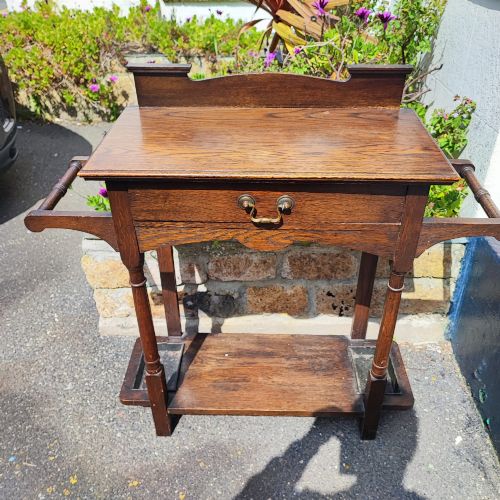
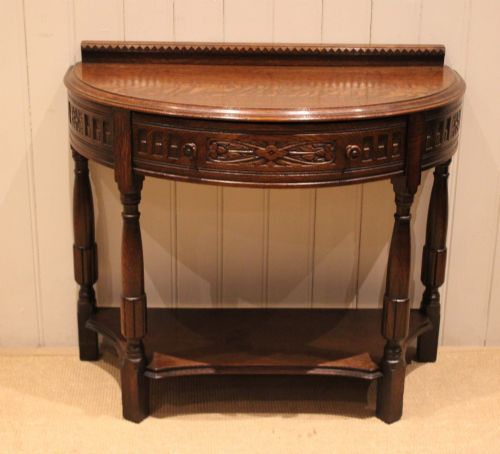
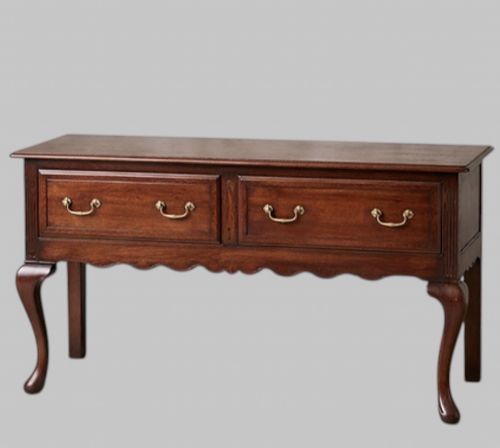


Vintage Oak Entry Table
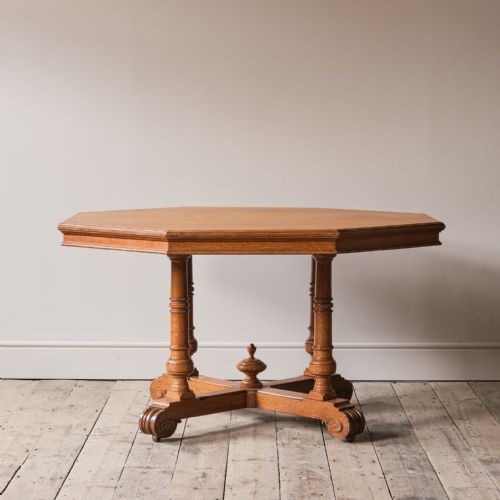
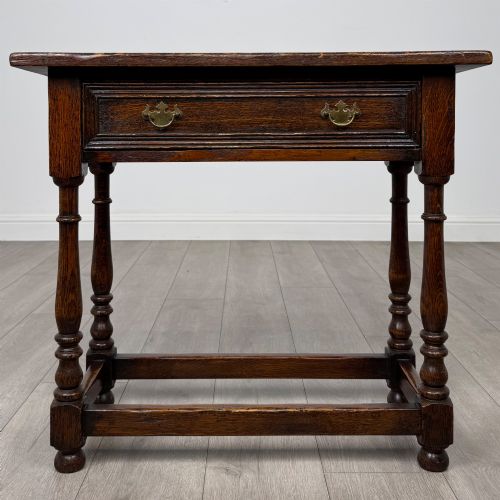
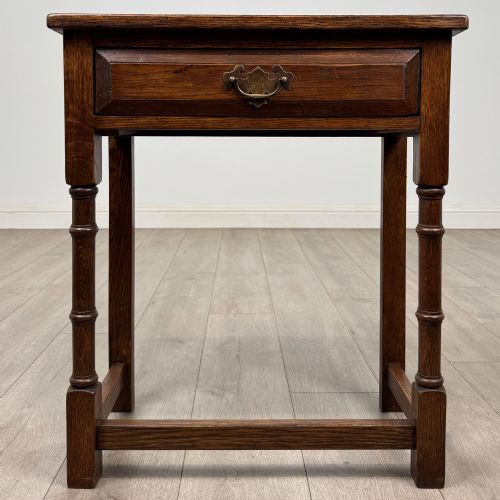
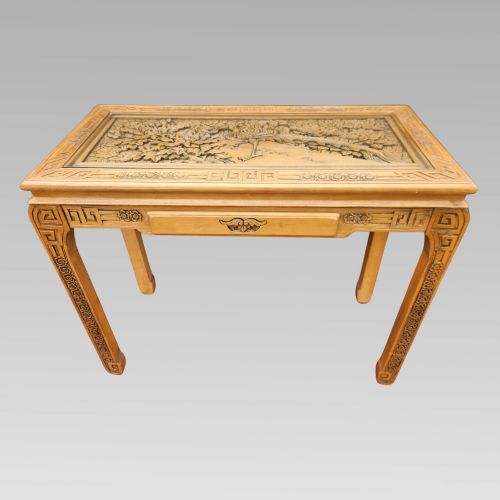
A vintage oak entry table welcomes visitors with sturdy character, offering a practical surface and rich grain right inside the door.
Vintage Oak Entry Table
When you search for a vintage oak entry table, you encounter a practical mix of console tables, side tables, hall stands, and monks benches designed for hallways and corridors. These pieces originate from periods spanning the Georgian era through the Victorian period, the Edwardian years, and into the nineteen-twenties and nineteen-thirties.
The forms you are most likely to meet on this page include narrow side tables, console tables, and carved hall benches. Makers adapted these designs in styles ranging from Jacobean Revival and Gothic Revival to Arts and Crafts and French Country, creating functional furniture for narrow spaces.
Judging the standard of manufacture
Quality separates through the crispness of hand-carving and the selection of timber with strong medullary rays. Superior examples display thoughtful proportions and tight joinery that remains stable without modern reinforcement.
Subtlety in stylistic details, such as well-executed Jacobean Revival or Arts and Crafts motifs, distinguishes finer work from plainer utilitarian items. The integrity of the structure and the preservation of the original surface determine the standing of each piece.
Vintage Oak Entry Table Retail Price Guide 2026
Typical asking prices for vintage oak entry table among the pieces listed under this phrase on Sellingantiques today, from the lower quarter to the upper quarter. They describe what is for sale here now, not the wider market.
Listings feature oak alongside occasional brass, glass, and camphorwood across Victorian, Edwardian, and twentieth-century periods.
The Vintage Oak Entry Table Glossary
- Console table
- A table designed to stand against a wall, often secured to it, frequently used in entrance halls. These tables provide a surface for post and keys without blocking pathways.
- Monks bench
- A multifunctional piece of furniture featuring a hinged top that converts a seat into a table. This clever design saved space in compact hallways and period homes.
- Hall stand
- A tall piece combining a mirror, coat hooks, umbrella stands, and a small seat or storage box. They gathered everyday outdoor items near the front door.
- Lowboy
- A small side table with drawers, typically raised on tall legs, originating in the eighteenth century. They served various domestic purposes including as serving or dressing tables.
- Jacobean Revival
- A nineteenth-century style imitating seventeenth-century English furniture, characterised by dark oak, heavy turning, and geometric paneling. It brought historic weight to Victorian and Edwardian interiors.
Vintage Oak Entry Table: Frequently Asked Questions
How do I choose the right size?
Measure your hallway width carefully, leaving enough clearance for doors to open and people to pass comfortably. Narrow console tables and shallow side tables work best in restricted spaces.
Consider the height of the piece in relation to any wall mirrors or coat hooks positioned above it. Balance the visual weight of the furniture with the scale of your entranceway.
Can these tables hold heavy items?
Solid timber construction provides considerable strength, making most examples suitable for everyday objects like lamps, bowls, and stacked books. However, wall-mounted console tables rely heavily on proper installation for stability.
Check the joints and legs to ensure the structure remains firm before placing substantial weight on the surface. Distribute heavier loads evenly across the tabletop.
How do I care for the surface?
Dust regularly with a soft, dry cloth to prevent dirt accumulation in the grain and carved recesses. Avoid placing the timber in direct sunlight or near heat sources to prevent drying and cracking.
Apply a quality beeswax periodically to nourish the wood and maintain a gentle sheen. Wipe up liquid spills immediately to protect the finish.
What styles blend well together?
Traditional oak pieces pair naturally with diverse interior schemes, adding warmth and historical texture to modern rooms. Contrast heavily carved revival pieces with plain walls and simple accessories.
Mixing periods works effectively when the wood tones share a similar depth and warmth. Let the natural grain unify different eras of furniture in your home.