




Vintage Oak Dresser Unit
A vintage oak dresser unit brings solid timber grain and useful display shelving into a room.
Vintage Oak Dresser Unit
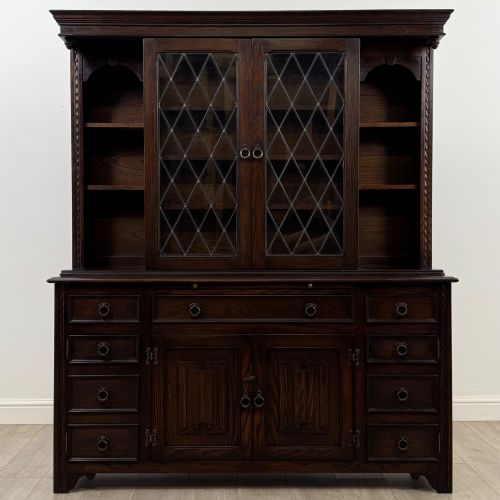
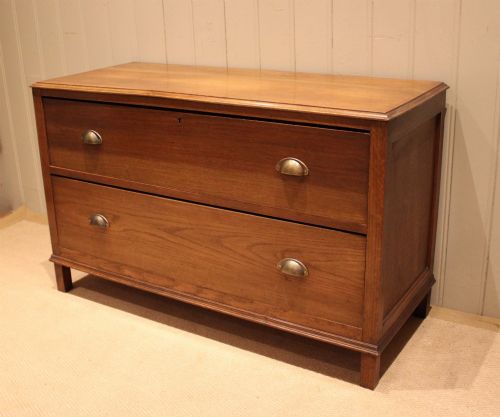
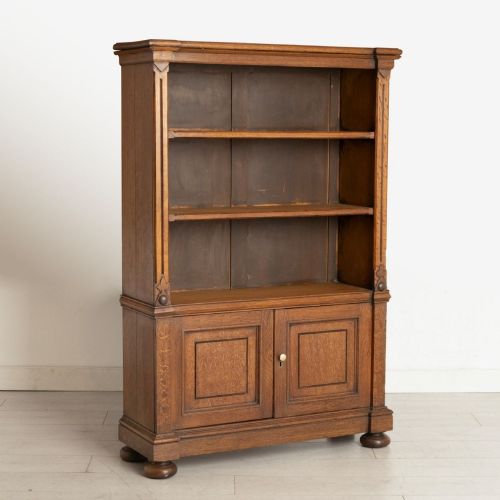
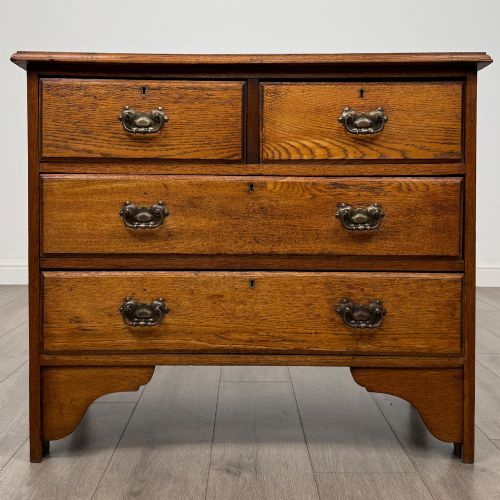
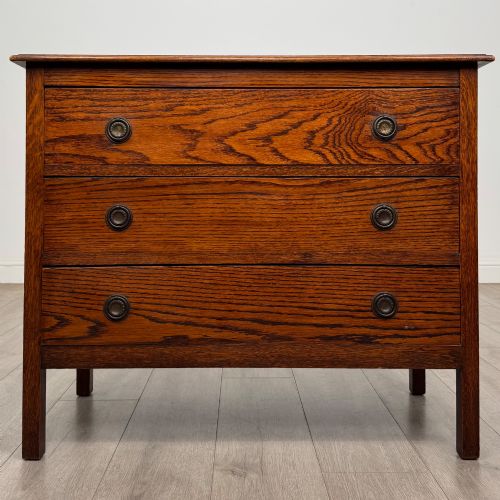
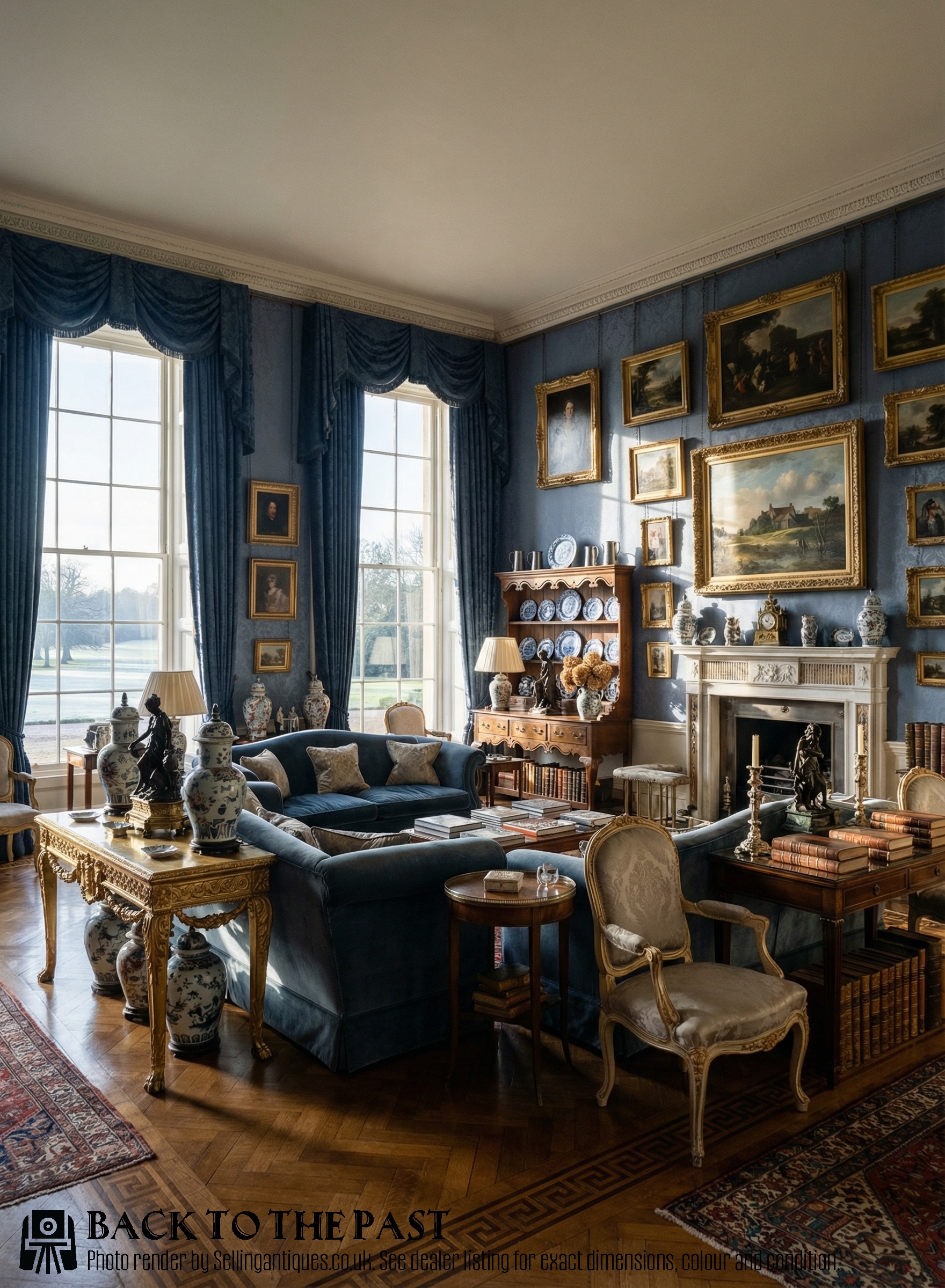
When you search for a vintage oak dresser unit, you encounter robust storage furniture designed for displaying plates and holding household items. The pieces on this page span several centuries, reaching back to Georgian and 18th century examples alongside Edwardian and later 20th century interpretations.
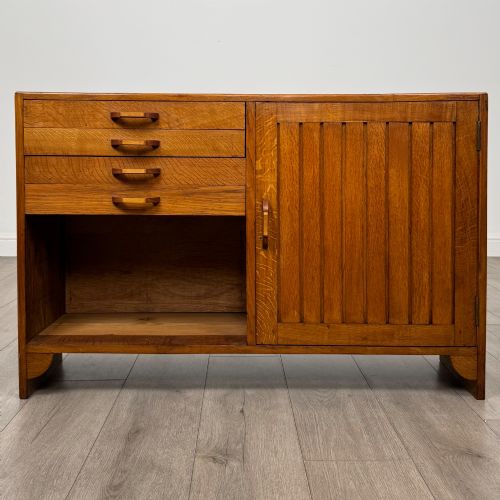
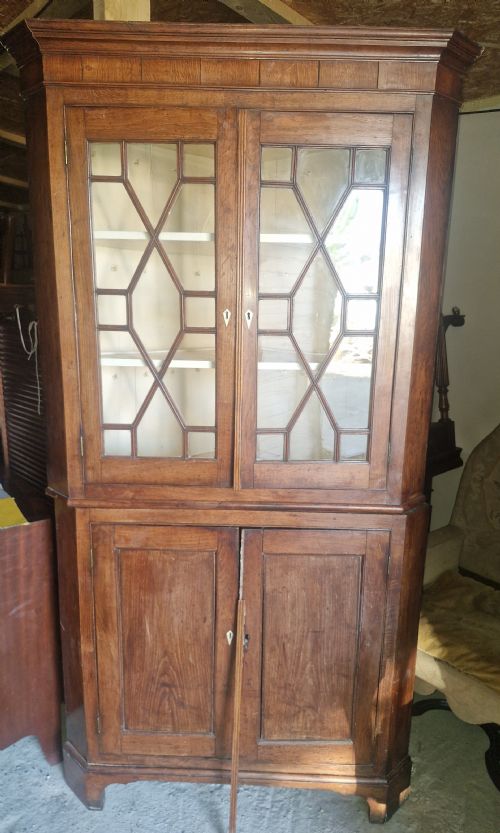
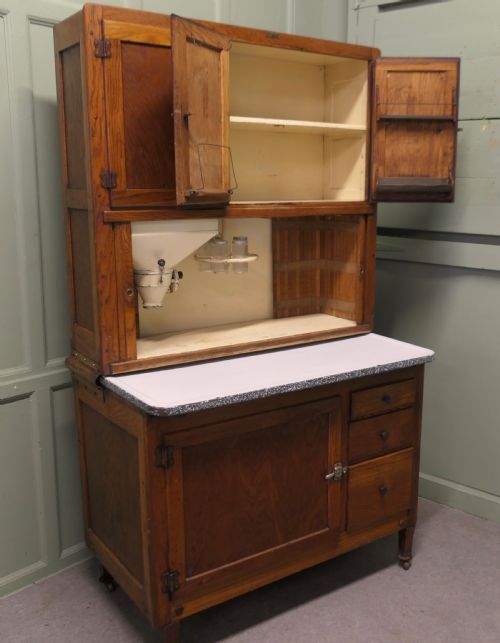
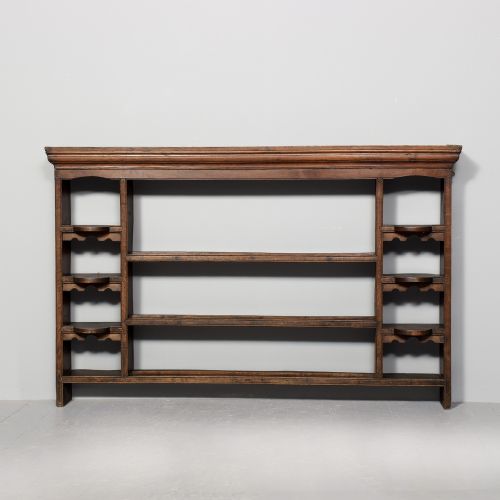
The most common form you will meet is the traditional two-part dresser combining a lower base of cupboards or drawers with an upper plate rack. Alongside these, the selection includes related formats such as sideboards, corner cupboards, kitchen cabinets, and wall-hanging shelves.
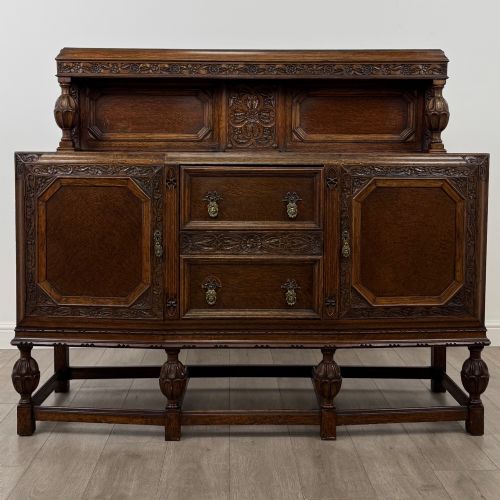
Origins vary from English country workshops to provincial French makers and specific stylistic movements like Arts and Crafts. This diversity means a buyer might find a carved Edwardian mirror back sideboard or a simple 18th century country oak dresser.
Materials and construction methods
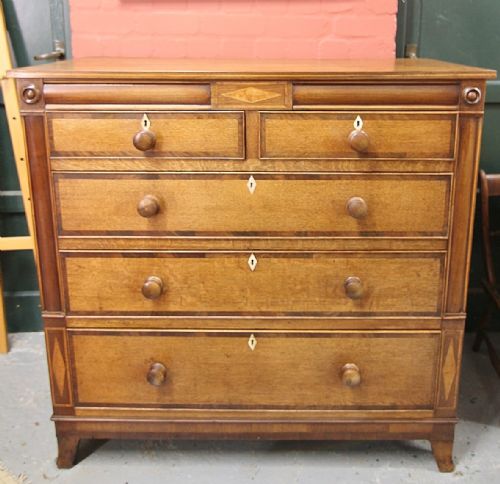
Construction relies primarily on solid oak, chosen for its strength and distinct grain pattern, occasionally accented with walnut inlay or supported by internal framing of other woods. Hardware and structural reinforcement typically involve brass, iron, and lead components.
Joinery methods reflect the period of origin, ranging from traditional pegged joints in earlier provincial pieces to machine-cut elements in later Edwardian and mid-century items. Surfaces often feature carved details, panelled doors, and glass inserts for display sections.
Vintage Oak Dresser Unit Retail Price Guide 2026
Typical asking prices for vintage oak dresser unit among the pieces listed under this phrase on Sellingantiques today, from the lower quarter to the upper quarter. They describe what is for sale here now, not the wider market.
Materials appearing across the inventory include solid oak, brass fittings, glass panels, and walnut inlay.
Assessing quality and craftsmanship
Quality reveals itself in the choice of timber and the integrity of the construction rather than surface finish alone. Superior pieces display well-figured oak boards, tight joinery, and original hardware that functions smoothly without excessive play.
Proportion and decorative restraint also separate finer items from standard utility pieces. Carving and mouldings executed with depth and precision indicate skilled workshop output, whereas crude assembly points towards mass production or lesser provincial output.
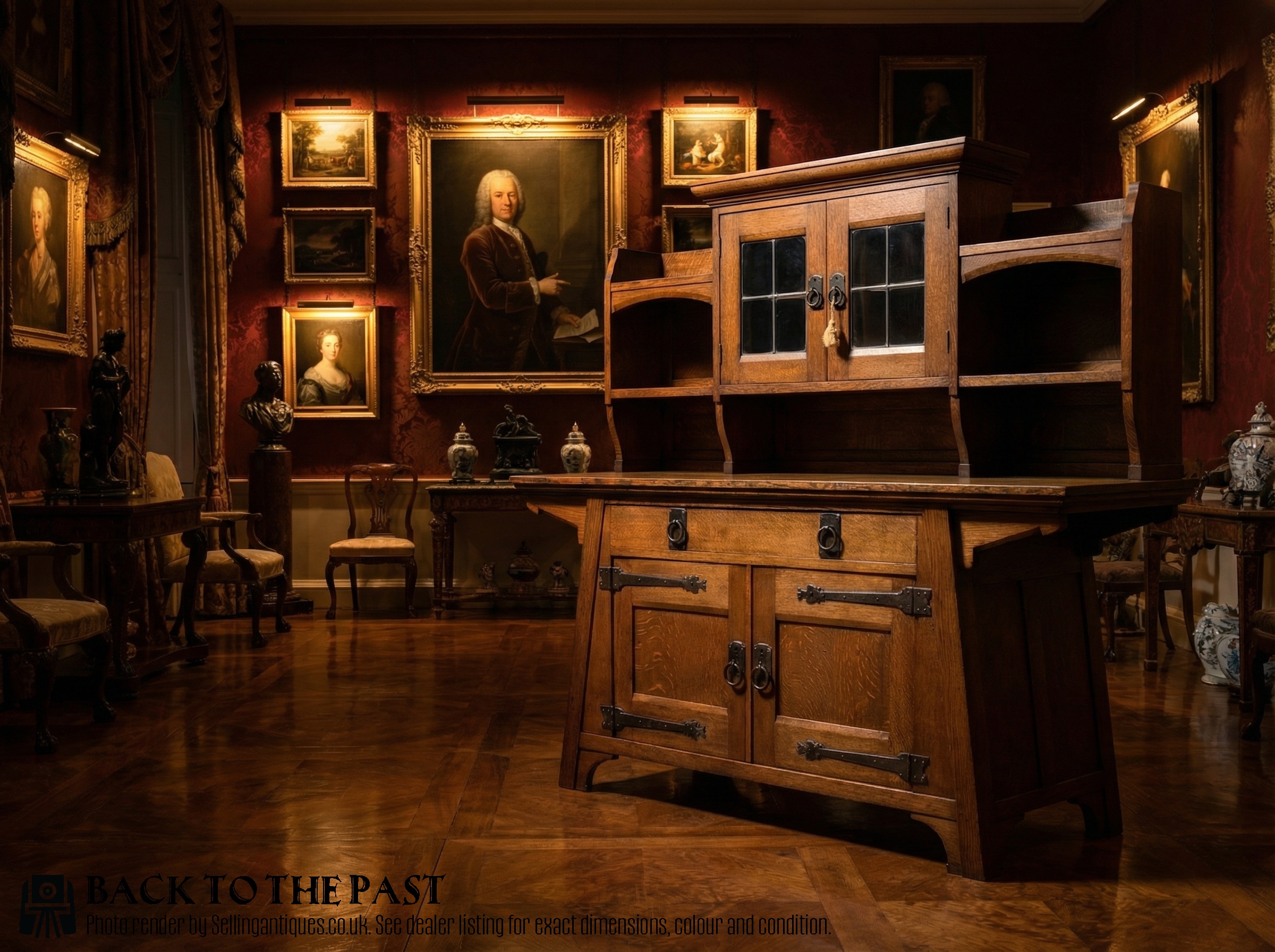
Hudson Bros·Liberty & Co.
The Vintage Oak Dresser Unit Glossary
- Plate rack
- An open set of wall shelves featuring grooves or retaining rails specifically designed to hold ceramic plates upright for display. This component sits atop the base cabinet or hangs independently on the wall.
- Sideboard
- A long low piece of furniture used for storing and serving food, frequently incorporating cupboards and drawers. These items often share the oak construction and stylistic vocabulary of larger dressers.
- Arts and Crafts
- A design movement spanning the late 19th and early 20th centuries that emphasised handcraftsmanship, simple forms, and natural materials. Furniture from this period avoids excessive ornamentation in favour of honest construction.
- Provincial
- A term describing items made in regional areas away from metropolitan centres, often displaying local traditions and straightforward construction methods. These pieces lean on utility and sturdy materials.
- Walnut inlay
- A decorative technique where contrasting pieces of walnut wood are fitted into recesses within an oak surface to create patterns. This detail adds visual texture to drawer fronts and cabinet doors.
Vintage Oak Dresser Unit: Frequently Asked Questions
What is the difference between a dresser and a sideboard?
A dresser typically includes an upper plate rack or shelving unit mounted above a lower storage base of cupboards or drawers. A sideboard consists only of the lower storage unit.
Sideboards function primarily as serving surfaces or low storage chests, whereas dressers provide vertical display space for ceramic tableware.
How do I date an oak dresser?
Dating relies on examining construction techniques, joinery methods, hardware, and overall stylistic markers. Earlier pieces from the 18th century often display hand- cut boards and pegged joints.
Later Edwardian and 20th century examples introduce machine-cut elements, different drawer linings, and specific revival styles like Jacobean or Arts and Crafts.
Are these dressers delivered in one piece?
Many traditional dressers are built as two-part units where the upper plate rack lifts off the lower base cabinet. This construction assists with transport and placement.
Smaller sideboards, chests, and cabinets generally arrive as single solid structures that require adequate doorway clearance for entry.
How should I care for vintage oak furniture?
Maintain oak surfaces by dusting regularly with a dry cloth and occasionally applying natural beeswax to nourish the timber. Avoid placing pieces near direct heat sources or strong sunlight.
Consistent indoor humidity prevents the solid wood from drying out, cracking, or warping over time.