
Vintage Oak Bedroom Storage
Vintage oak bedroom storage comprises chests of drawers, wardrobes, and bedside cabinets built to organise clothes.

Vintage Oak Bedroom Storage
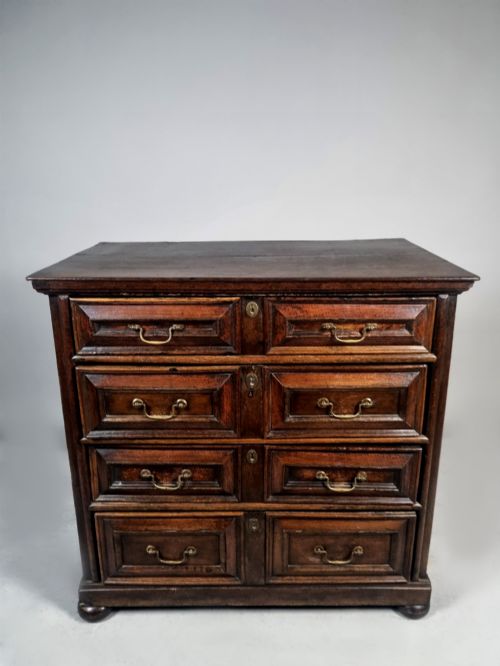
Vintage oak bedroom storage covers practical furniture designed to hold garments and personal belongings in sleeping quarters. Buyers searching this phrase meet a selection dominated by Edwardian and 1930s pieces alongside examples from the Georgian, Victorian, and 18th century periods.
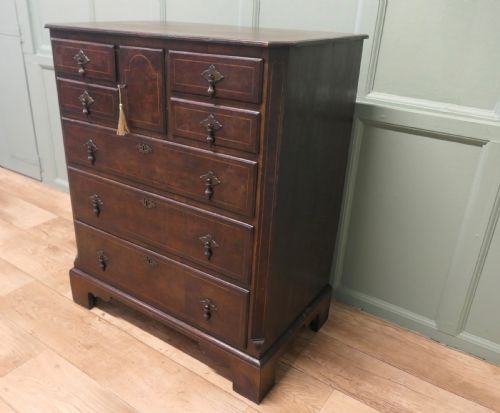
The objects take forms such as chests of drawers, tallboys, wardrobes, cupboards, trunks, boxes, and bedside cabinets. Solid oak predominates, though pieces sometimes incorporate walnut, mahogany, brass, metal, iron, glass, and painted wood.
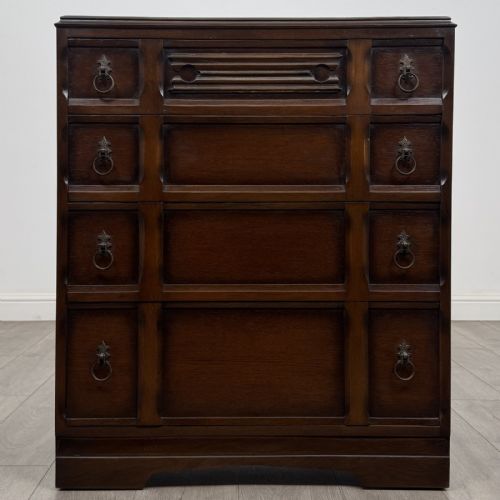
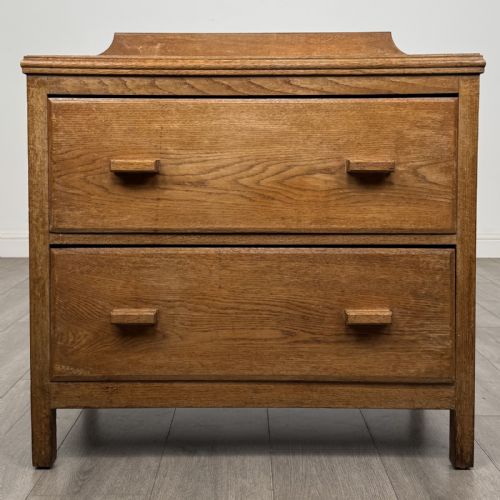
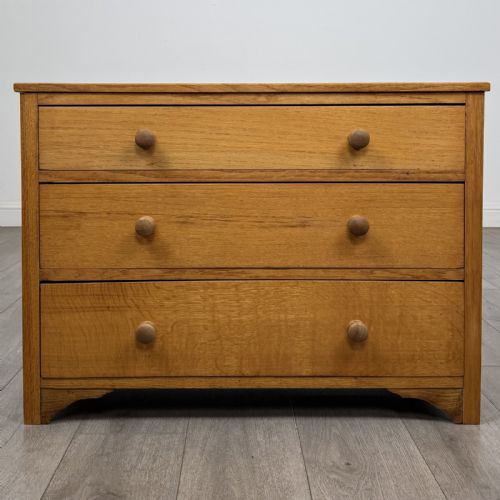
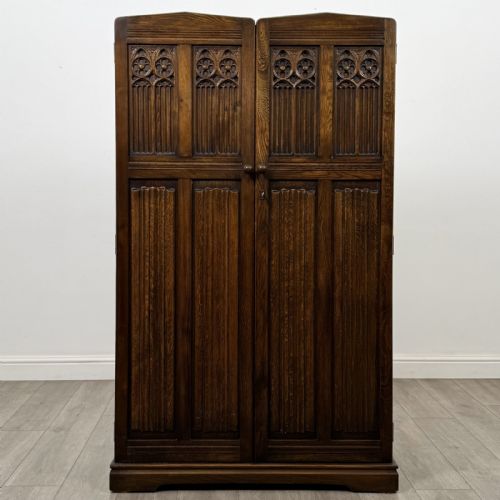
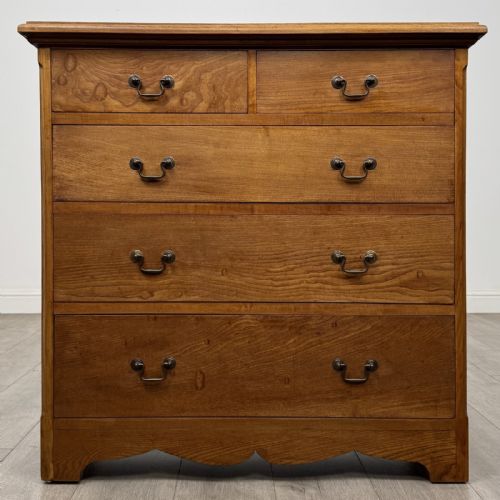
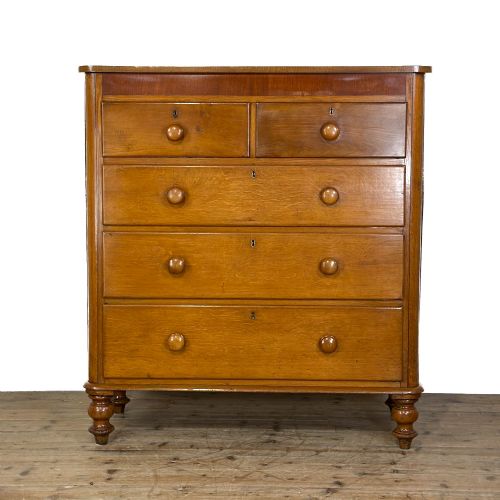
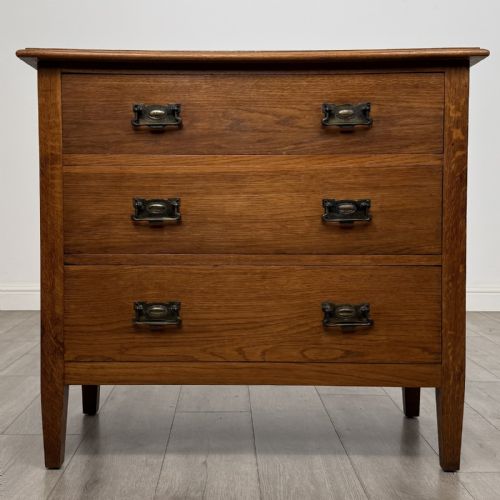
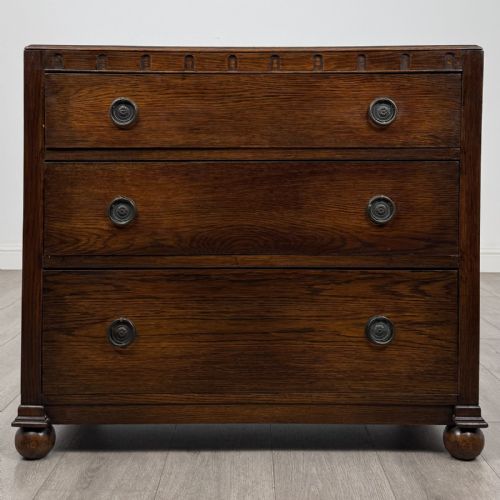
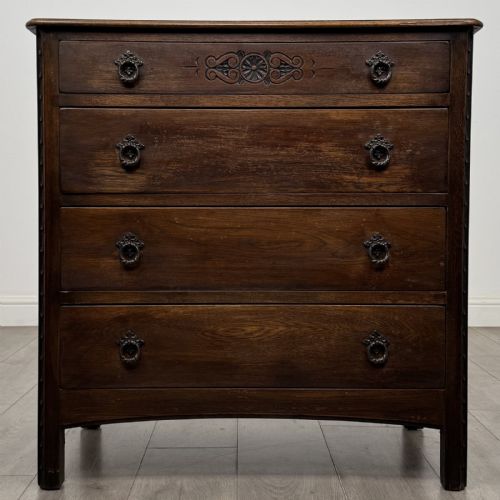
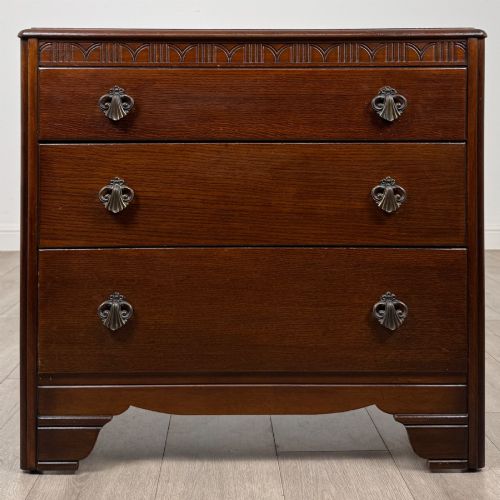
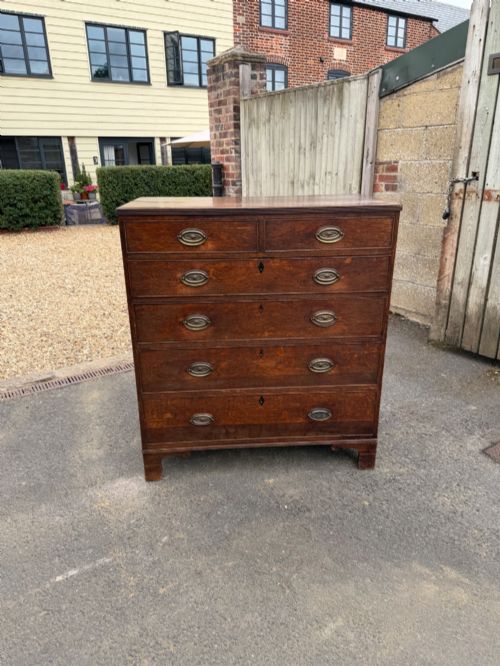
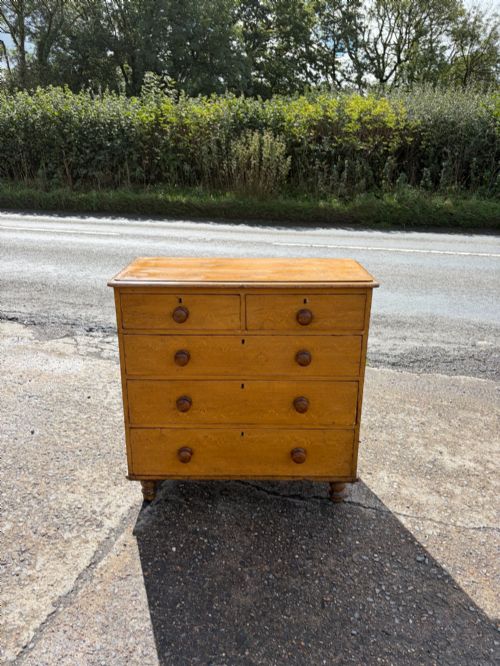
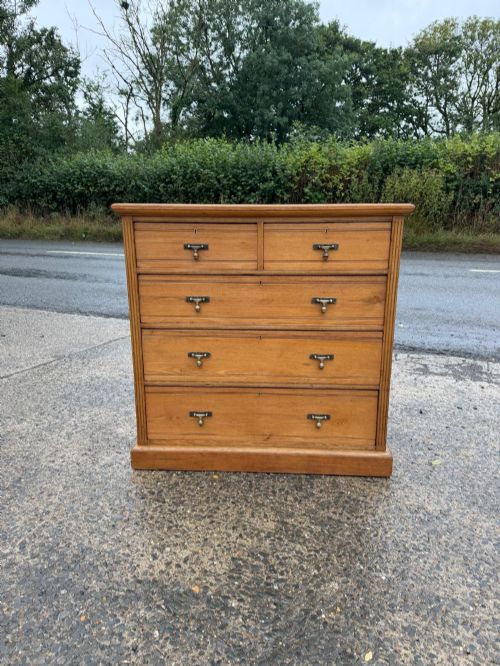
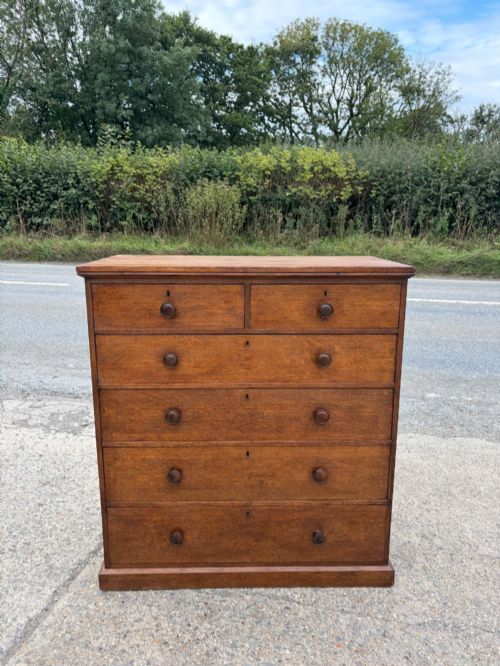
Edwardian and early 20th-century chests of drawers appear most frequently on this page. These range from simple low models to tall chests featuring linenfold panels or golden oak tones.
How they were made
Construction relies primarily on solid oak, selected for durability and strength in daily domestic use. Joinery techniques connect timber panels to form robust carcases for wardrobes and drawer chests.
Makers incorporate secondary materials where function demands, using brass or iron for drawer pulls, handles, and hinges. Glass appears in specific cabinet doors, while occasional pieces utilise walnut or mahogany veneers over oak structures.
Listings span periods from the 18th century to the 1930s, featuring oak alongside walnut, mahogany, brass, and iron.
What varies in quality
The standard of execution separates basic utility furniture from finer workshops. Superior pieces demonstrate precise dovetail joints in the drawer construction and carefully selected grain patterns across the timber surfaces.
Detailing alters the character of each item, from plain panel work to carved linenfold motifs or decorative metal hardware. The integration of secondary woods like mahogany or walnut also marks distinction in regional and period pieces.
The Vintage Oak Bedroom Storage Glossary
- Linenfold
- A carved wooden panel motif resembling folded fabric, often seen on Edwardian cupboard doors and drawer fronts. This decorative technique creates texture on flat wooden surfaces.
- Tallboy
- A tall chest of drawers, sometimes combining a wardrobe or cupboard section above lower drawers. It provides vertical storage capacity while occupying a smaller floor footprint.
- Commode
- A European term for a low chest of drawers or cabinet. French examples in the evidence display styles such as the Louis XVI diamond-point design.
- Slipper Box
- A specialised low storage trunk or box historically kept in bedrooms for footwear. Solid wood construction ensures sturdy containment for personal items.
- Dovetail
- A traditional wood joint interlocking wedge-shaped fingers to secure drawer corners. This method provides tensile strength without relying on metal fasteners.
Vintage Oak Bedroom Storage: Frequently Asked Questions
What periods do these pieces span?
The selection spans from the 18th century and Georgian eras through Victorian and Edwardian times into the 1930s. Construction dates cover multiple decades of cabinet making.
Edwardian and early 20th-century items appear most frequently among the listed storage furniture.
How do I identify an oak chest?
Oak chests display a pronounced grain pattern with characteristic medullary rays visible across the timber. Pieces range in tone from natural golden oak to darker period finishes.
Drawer construction often reveals solid timber sides joined by traditional dovetails rather than modern fixings.
What storage forms are available?
The category includes chests of drawers in low, tall, and straight-front configurations. Wardrobes, cupboards, tallboys, and bedside cabinets provide additional options.
Trunks and slipper boxes offer alternative enclosed spaces for bedroom organisation.
Are different styles represented?
Styles include Georgian, Victorian, Edwardian, Art Deco, and Arts and Crafts. English country traditions and Jacobean Revival influences also shape the designs.
Limed finishes and French Gustavian styles appear in specific 20th-century and 19th-century pieces.