

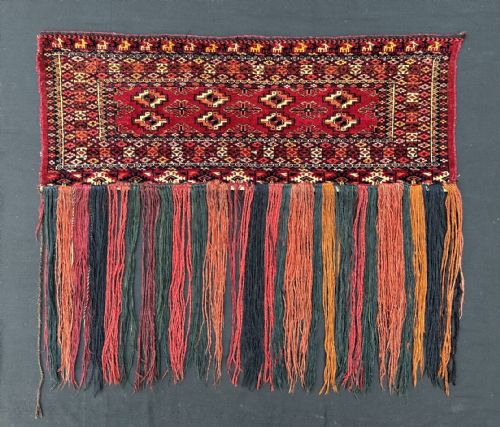
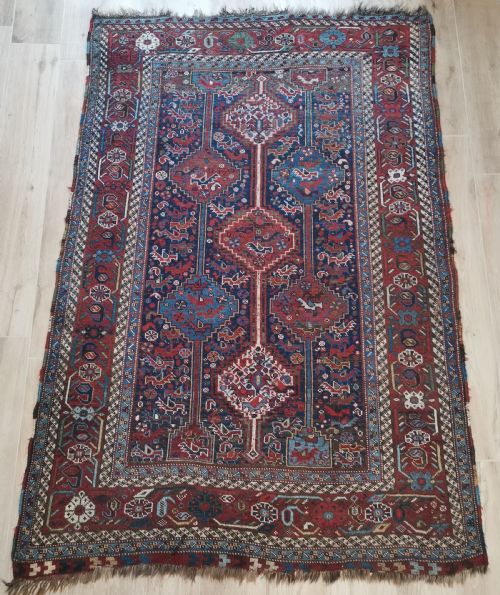
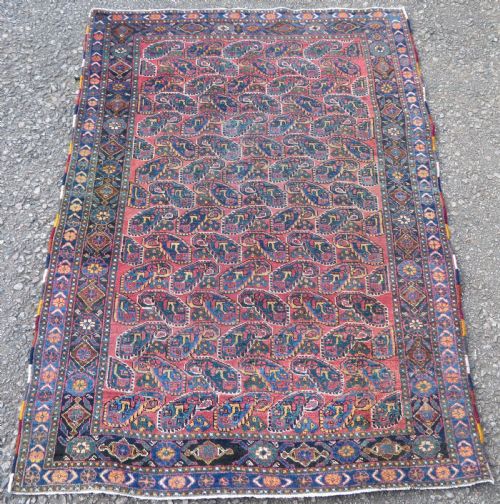
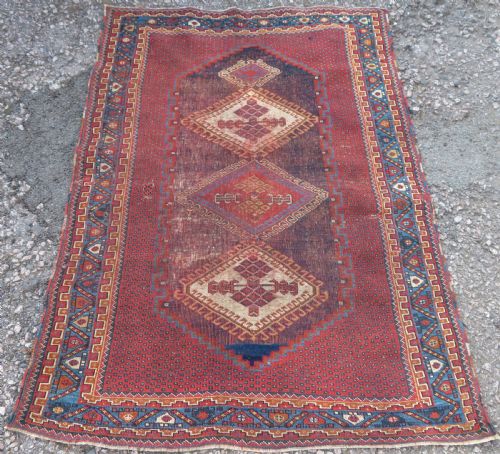
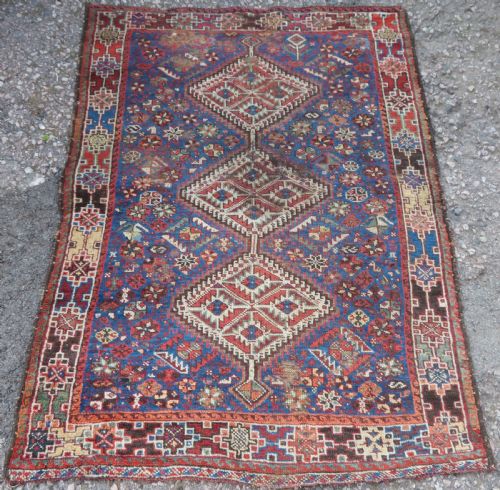
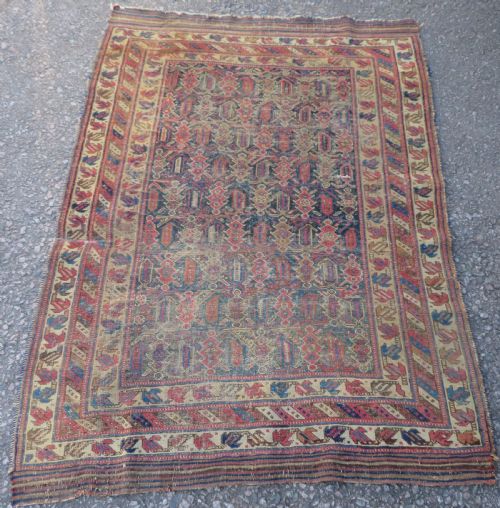

Vintage Nomadic Carpet
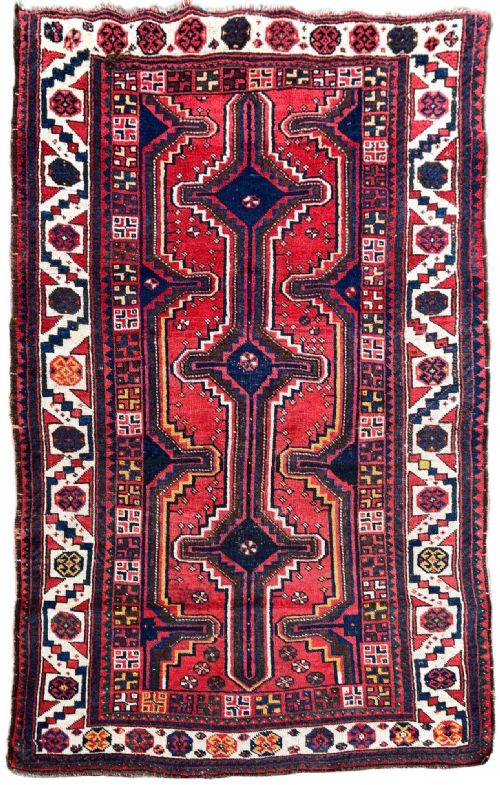
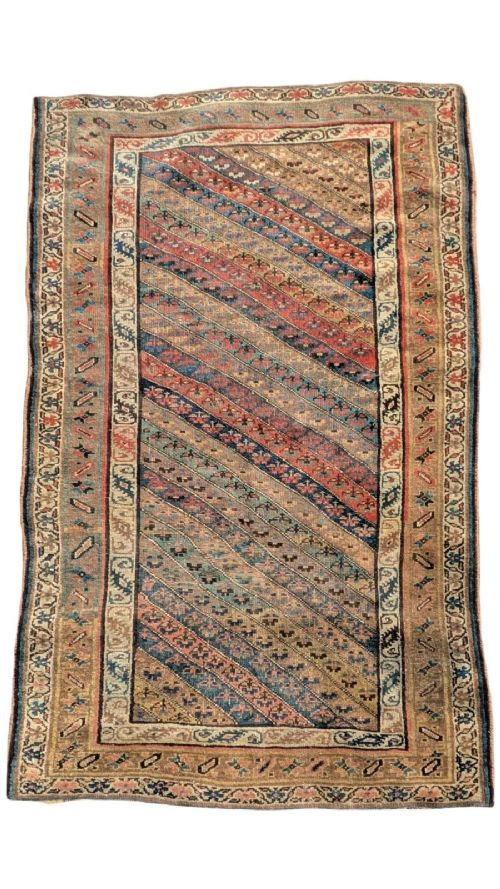
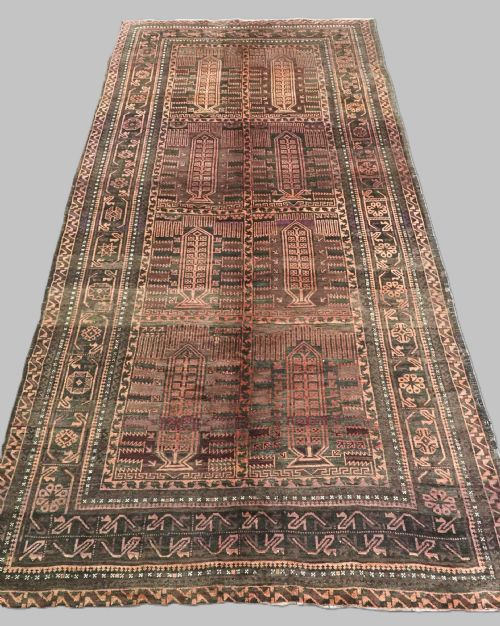
A vintage nomadic carpet brings the geometric strength and saturated earth tones of tribal weaving into a modern interior.

Vintage Nomadic Carpet
A vintage nomadic carpet encompasses hand-woven rugs, runners, saddle bags, and tent door hangings produced by tribal groups across Persia, Central Asia, and the Caucasus. These textile traditions reflect the mobile heritage of their makers through portable domestic forms designed for utilitarian use on the move.
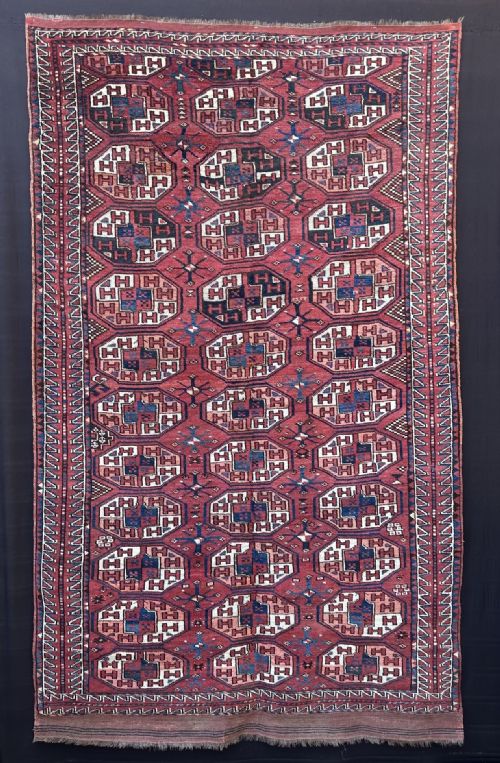
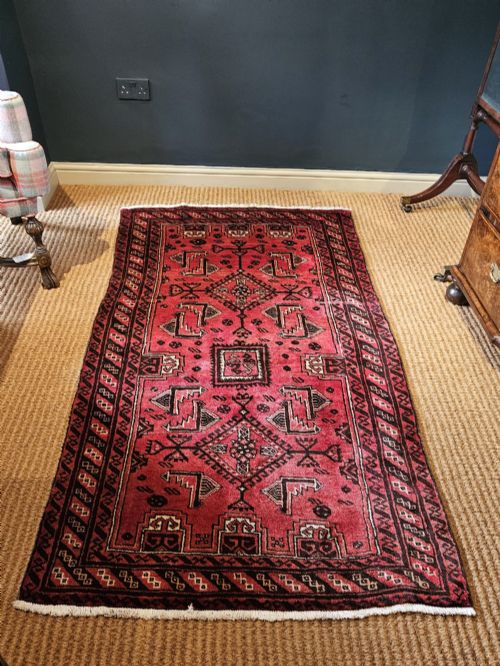
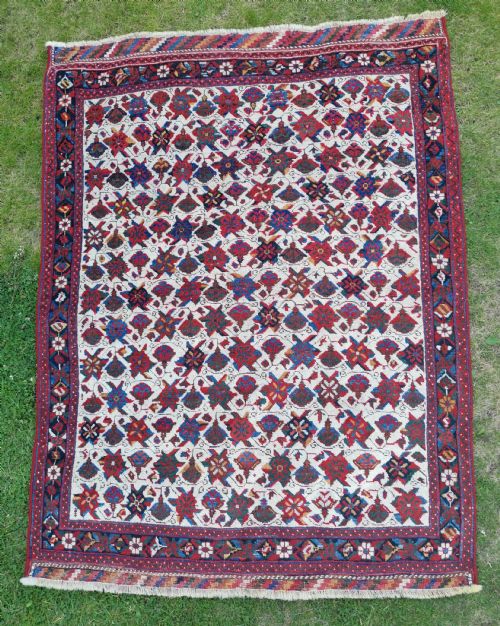
The selections available here span from the late nineteenth century into the mid-twentieth century, capturing an era when tribal weavers still utilised traditional botanical and insect dyes. Common regional attributions include Turkmen, Khamseh, Afshar, Baluch, Qashqai, and Kurdish groupings, each distinguished by specific geometric vocabularies and structural formats.
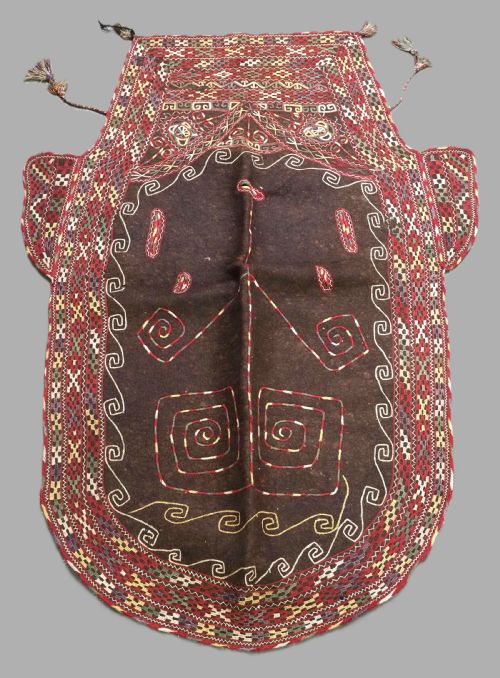
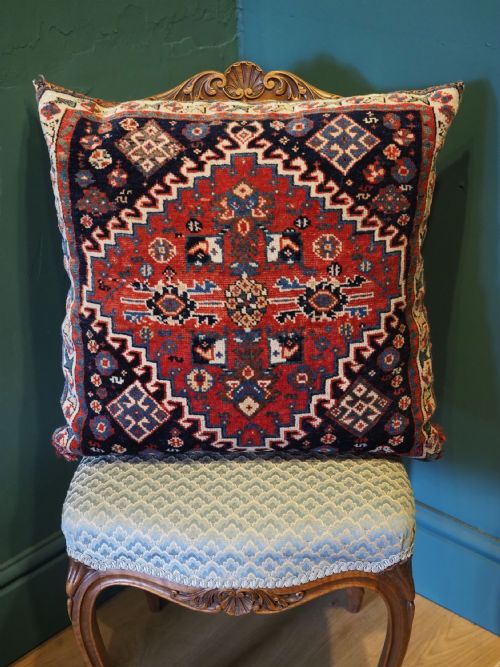
Beyond standard floor rugs, buyers frequently encounter smaller utilitarian items such as chuval cushions, torba face pieces, kap storage bags, and ceremonial felt horse blankets. These smaller textiles display the same concentrated artistry and dense iconography found in larger format carpets.
Materials and construction
The foundation of these textiles relies predominantly on hand-spun wool for both the pile and the structural warps and wefts, sometimes supported by cotton threads in later nineteenth-century urban-influenced weaving. Artisans also employed specialised techniques such as embroidery on felted wool and the inclusion of silk thread accents for finer geometric detailing.
Colour derives largely from natural dyes sourced from local flora and fauna, yielding deep madder reds, indigos, and warm yellows that mellow gracefully over decades of light exposure. The reliance on hand-spun fibres gives the wool an irregular texture that absorbs dye unevenly, creating subtle tonal variations across the surface of the weave.
Vintage Nomadic Carpet Retail Price Guide 2026
Typical asking prices for vintage nomadic carpet among the pieces listed under this phrase on Sellingantiques today, from the lower quarter to the upper quarter. They describe what is for sale here now, not the wider market.
Listings feature pieces dated from the 1850s to the 1940s, constructed primarily from hand-spun wool, cotton, and natural dyes.
Evaluating quality and execution
Quality in a vintage nomadic carpet rests upon the tightness of the knotting and the crispness of the tribal geometry, which dictates how sharply the motifs declare themselves against the field. Finer pieces demonstrate a deliberate control of proportion within the border systems and medallion layouts.
The integrity of the natural dye palette distinguishes superior examples, where colour saturation remains rich and harmonious rather than flat or chemically harsh. Preserved original finishes, such as selvedges, end tassels, and complete borders, add substantially to the historical integrity of the textile.
The Vintage Nomadic Carpet Glossary
- Chuval
- A large storage bag made by Turkmen tribes, often woven with distinctive guls and used inside the yurt. These face pieces are frequently preserved as independent decorative wall hangings or cushions today.
- Khamseh
- A confederation of five distinct tribes in south-west Persia known for deeply saturated wool and complex geometric animal and bird motifs. Their weaving often employs dark navy and rich madder grounds.
- Kap
- A generic term for a Turkmen storage bag or tent trapping, utilised for domestic storage during seasonal migration. They display meticulous secondary ornament along the reverse and side panels.
- Gul
- A repeating primary medallion or octagonal design motif central to Turkmen and Central Asian tribal carpets. Each tribal subdivision utilised characteristic variations of these ancestral crests.
- Afshar
- A tribal group hailing from the Kerman province of south Persia, celebrated for crisp geometric formats and stylised floral vases. Their rugs frequently feature rectilinear pole medallions.
Vintage Nomadic Carpet: Frequently Asked Questions
How were nomadic carpets originally used?
These textiles served practical functions within portable dwellings, acting as floor coverings, bedding partitions, and storage sacks for nomadic families on the move. Smaller pieces were woven specifically as saddle bags, animal trappings, and ceremonial horse blankets.
Over time, these utilitarian objects became vital repositories of tribal identity and artistic expression, passed down through generations before entering the collector market.
How do I care for a vintage wool rug?
Gentle, regular vacuuming without a rotating power head prevents dust and grit from settling deep into the hand-spun wool pile. Keeping the textile out of direct, harsh sunlight protects the natural dyes from premature fading.
Professional cleaning tailored to antique vegetable-dyed wool should be utilised periodically to maintain the suppleness of the fibres. Avoid chemical spot treatments that can strip the natural lanolin from the wool.
Are natural dyes easy to identify?
Natural dyes produced from plants, roots, and insects possess a complex chemical structure that allows them to age with extraordinary depth and subtle tonal shifts. Under close inspection, wool dyed this way shows abrash, where the colour deepens or lightens slightly due to variable dye lots.
Synthetic aniline dyes introduced later often appear flatter in tone and can bleed or fade starkly without developing the characteristic warm patina of nineteenth-century pieces.