


Vintage Nightstands Pair
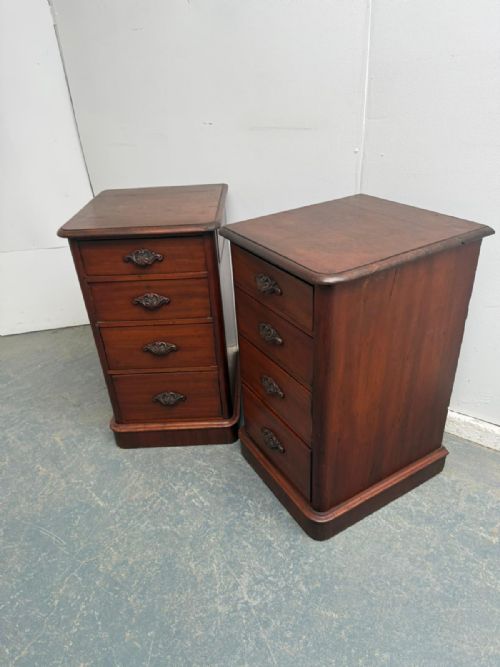
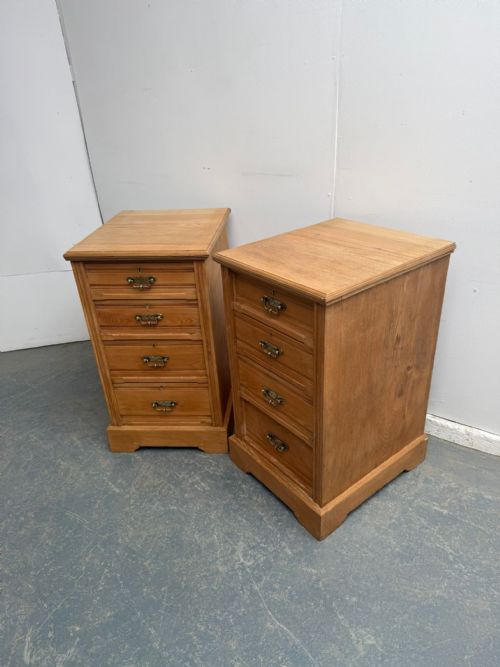
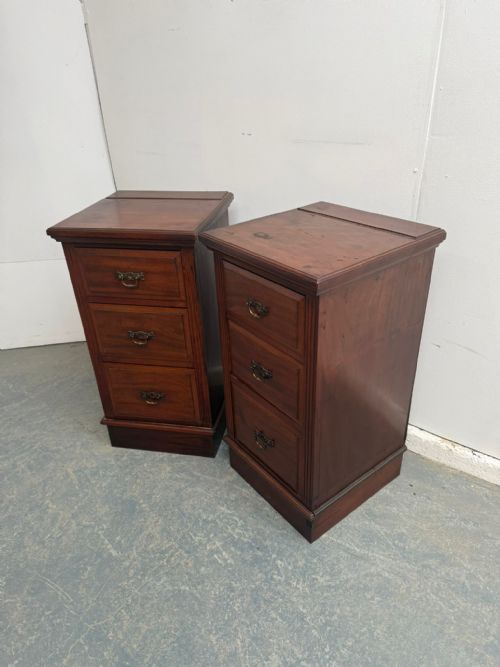
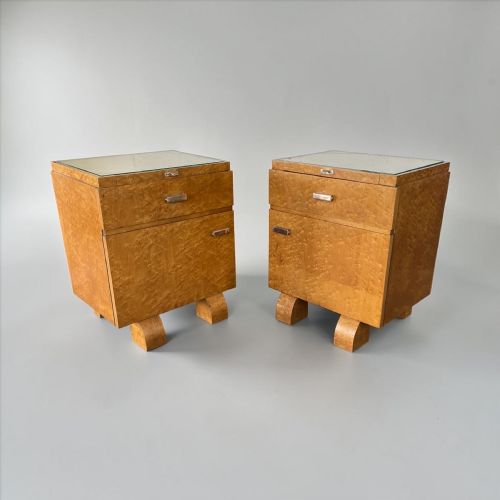
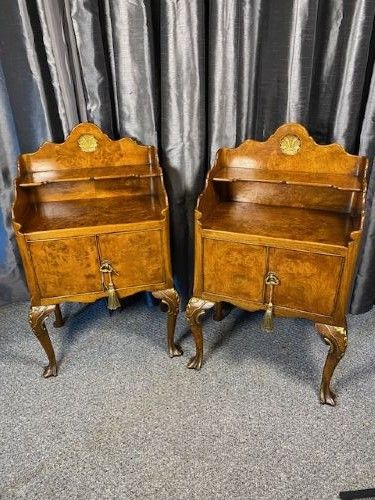
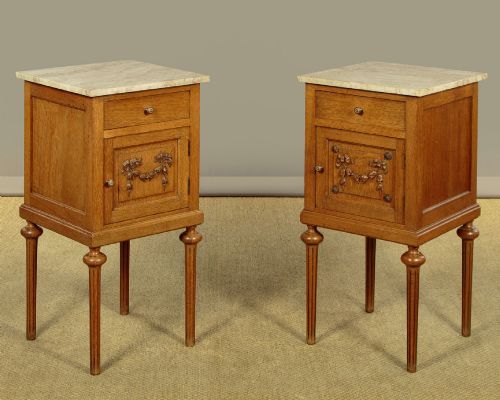
A vintage nightstands pair brings symmetry and matched storage to the bedside, spanning periods from Victorian to Art Deco.
Vintage Nightstands Pair
A vintage nightstands pair consists of two matching bedside tables, cabinets, or chests designed to sit beside a bed. These pieces serve practical bedside needs while establishing a balanced look within a bedroom scheme.
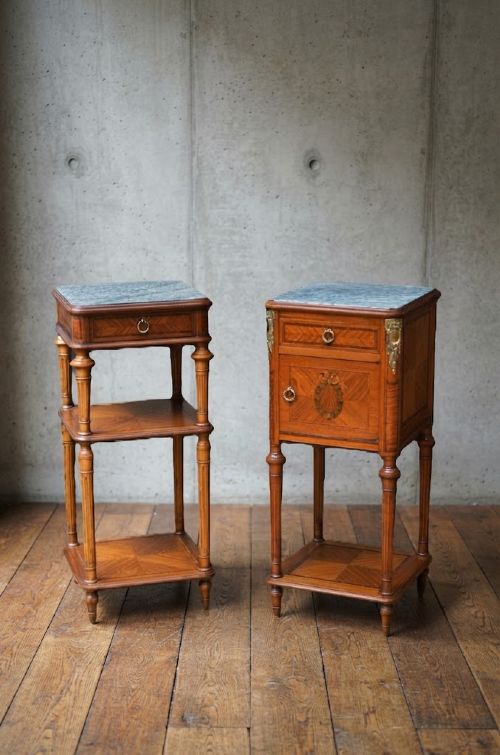
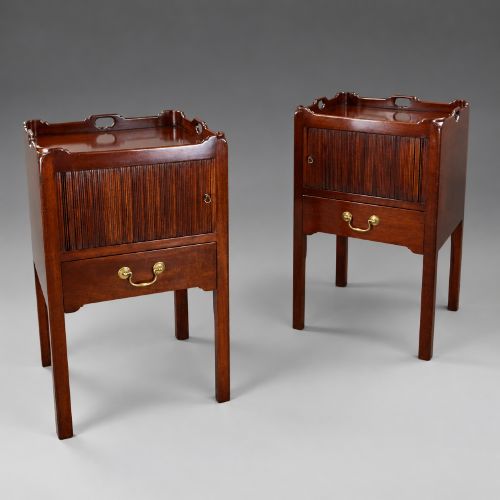
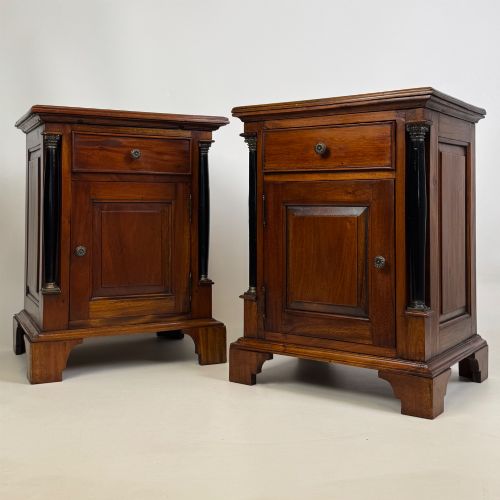
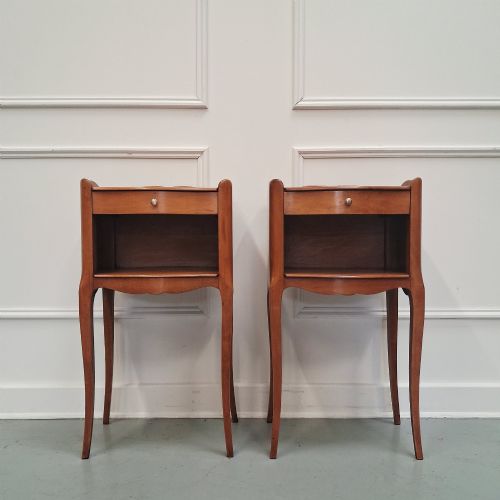
The selections on this page span several decades and styles, including Georgian, Edwardian, Victorian, and Art Deco. Buyers will encounter bedside cabinets with drawers, open lamp tables, and marble-topped cupboards originating from English, French, and Scandinavian workshops.
Materials and Construction
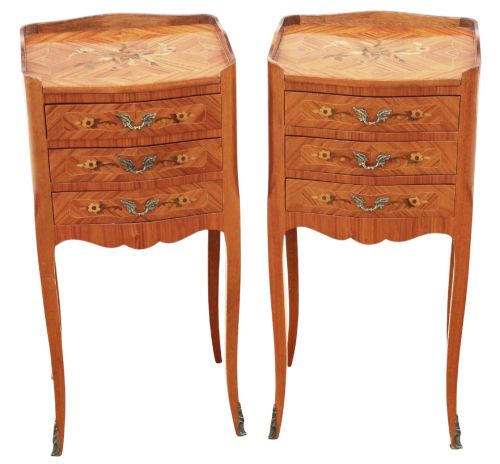
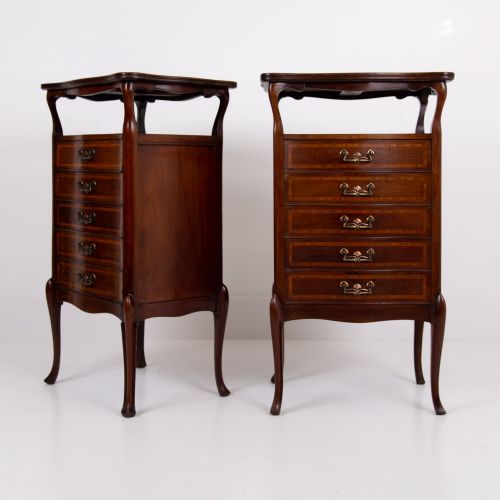
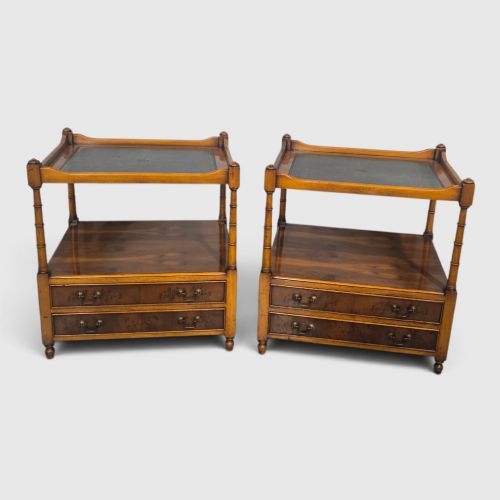
Timbers such as mahogany, walnut, oak, satinwood, and yew form the primary structures of these pieces, often finished with detailed wood veneer and marquetry inlay. Cabinetmakers utilised traditional joinery techniques to build durable frames, drawers, and cupboard doors.
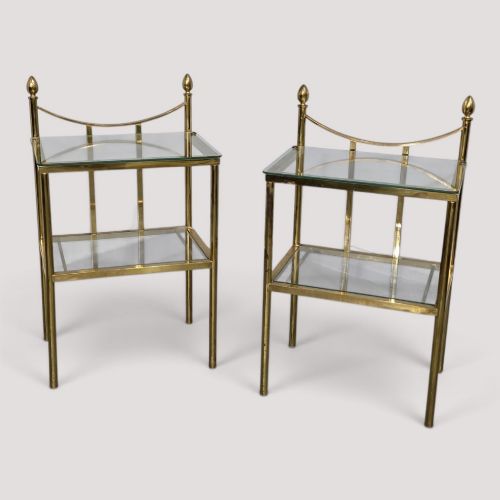
Surface details frequently incorporate brass hardware, glass panels, and inset marble tops. Waxed finishes protect the wood while highlighting natural grain patterns across Edwardian and Victorian examples.
Vintage Nightstands Pair Retail Price Guide 2026
Typical asking prices for vintage nightstands pair among the pieces listed under this phrase on Sellingantiques today, from the lower quarter to the upper quarter. They describe what is for sale here now, not the wider market.
Several pairs include amber glass lamps ready to cast a warm glow across a century-old walnut tabletop.
Distinguishing Quality
Quality in a vintage nightstands pair rests on the precision of the cabinetwork and the selection of materials. Finely figured mahogany or walnut veneers, crisp marquetry, and substantial brass mounts separate standard utility pieces from finer examples.
Proportion and matching also dictate the upper tier of the range. A successful pair maintains identical timber grain, consistent hardware, and structural integrity built by skilled makers.
The Vintage Nightstands Pair Glossary
- Marquetry
- Decorative veneer applied in patterns to wood surfaces. Skilled artisans cut different wood types to form intricate pictorial designs.
- Parquetry
- Geometric wood inlay patterns used on table tops and cabinet fronts. This technique creates repeating shapes such as squares and triangles.
- Serpentine
- A curved furniture front shaped with a convex centre flanked by concave ends. This contour appears on select mahogany chests.
- Pedestal
- A support column or base holding up a cabinet or table top. These upright structures elevate the main storage compartment.
- Inlay
- Contrasting material set into a depressed surface to form a design. Cabinetmakers use thin strips of lighter wood to outline drawer edges.
Vintage Nightstands Pair: Frequently Asked Questions
What periods do these nightstands cover?
The inventory spans the nineteenth century through the early twentieth century, including Victorian, Edwardian, and Art Deco eras.
Buyers will find specific design movements such as Georgian style, Louis XV Revival, and French Provincial represented across the listings.
Are these tables sold individually?
Every listing on this page comprises a matched pair rather than a single standalone table. This ensures symmetrical bedside styling.
Pairs maintain matching proportions, timber species, and decorative details.
What materials are commonly used?
Construction relies heavily on traditional hardwoods including mahogany, walnut, oak, satinwood, and yew. Some pieces incorporate fruitwood or exotic veneers.
Surface details often feature brass handles, glass elements, and inset marble tops.
How do I identify Art Deco nightstands?
Art Deco pieces typically date from the 1920s and 1930s, displaying clean geometric lines and minimal ornamentation. They frequently utilise walnut or oak veneers.
Some examples include integrated open shelf areas alongside enclosed cupboard space.
What storage configurations are available?
Storage options range from multi-drawer chests to enclosed cupboards with single doors. Open lamp tables and pedestal cupboards also appear.
Configurations depend on the period, with Edwardian and Victorian pieces often featuring up to four drawers.