

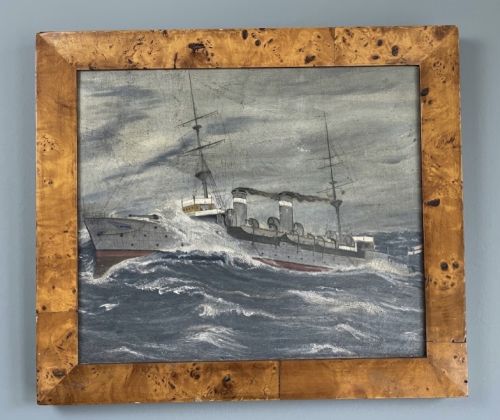
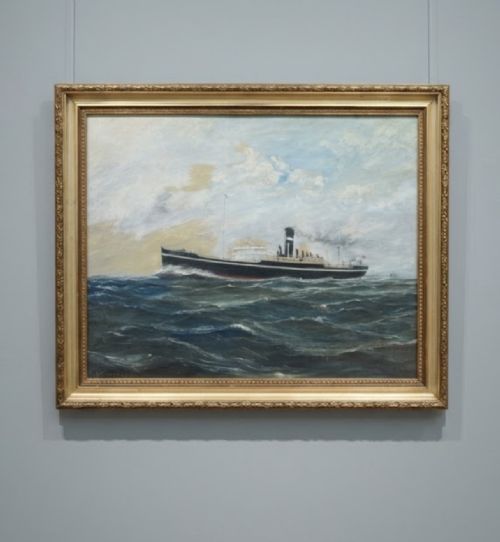
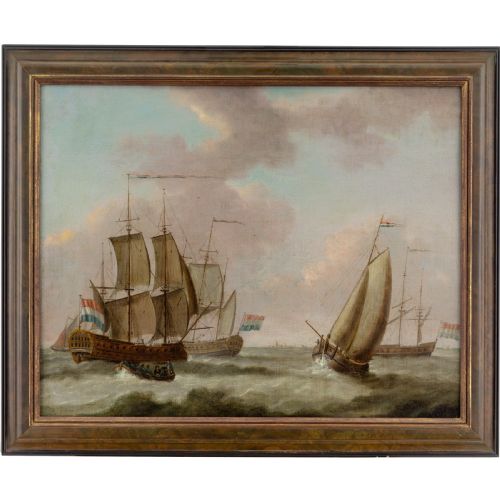
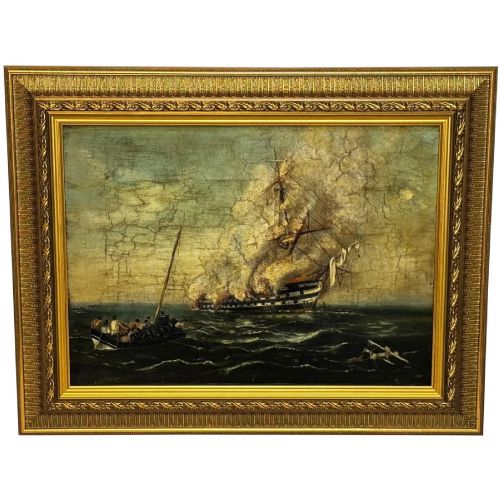

Vintage Naval Artwork
Vintage naval artwork captures historic vessels and maritime conflicts through paintings, watercolours, and engravings spanning multiple centuries.
Vintage Naval Artwork
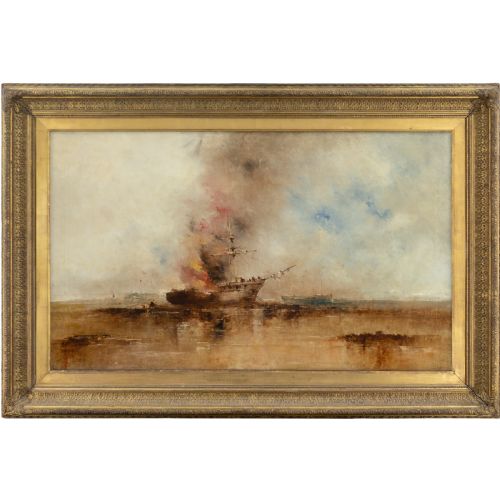
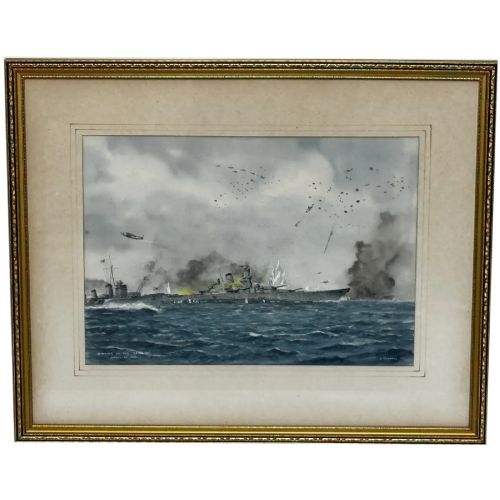
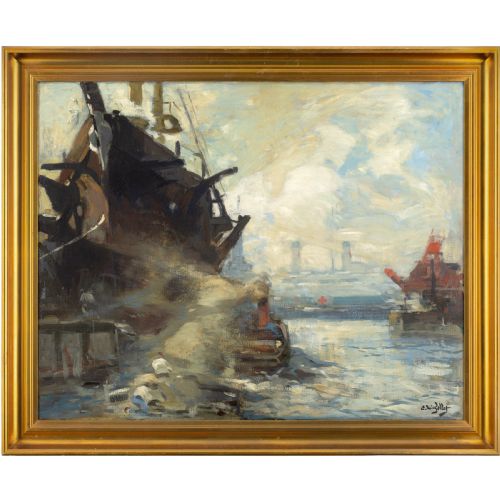
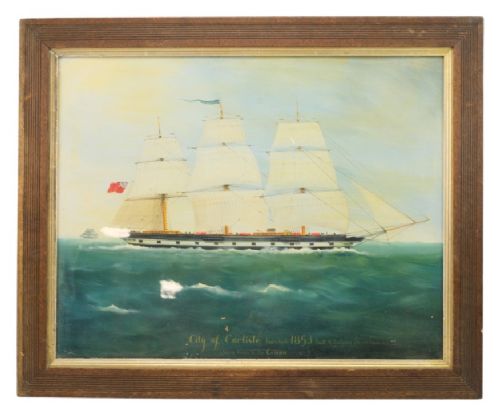
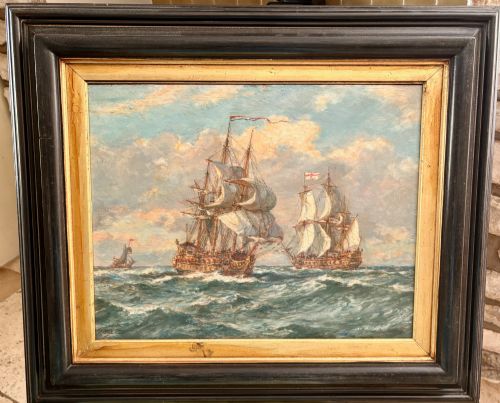
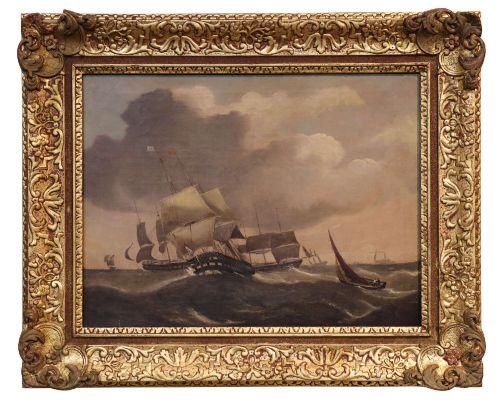
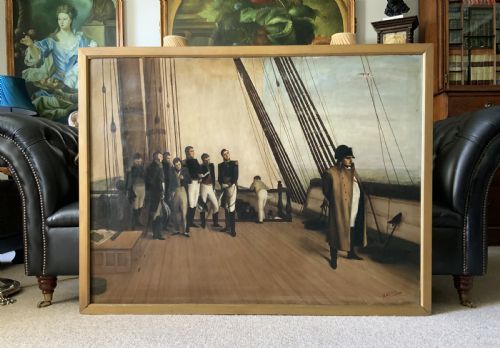
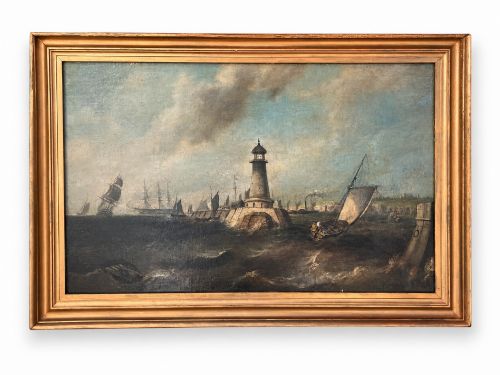
Vintage naval artwork encompasses oil paintings, watercolours, gouache, and prints depicting warships, historical sea battles, and maritime scenes.
The selections on this page feature pieces from the 18th century, 19th century, Edwardian, and Victorian eras, alongside 20th-century works up to the 1950s.
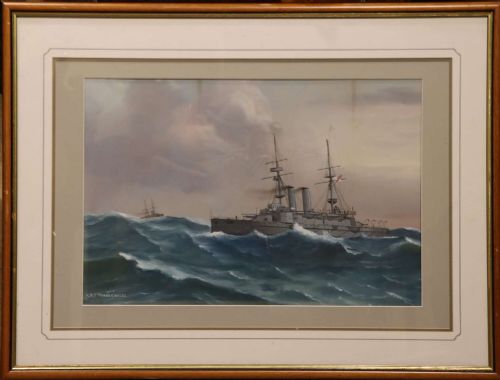
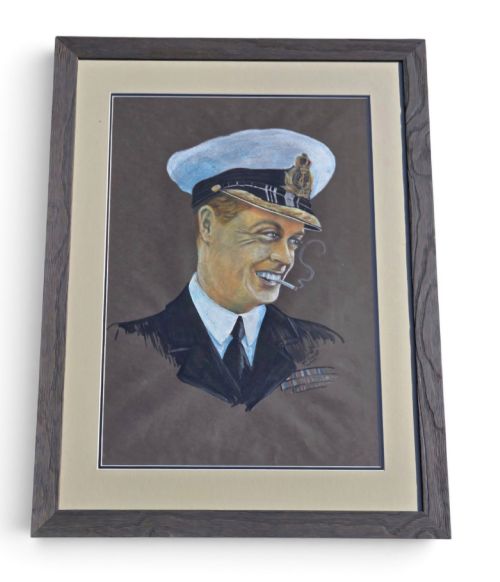
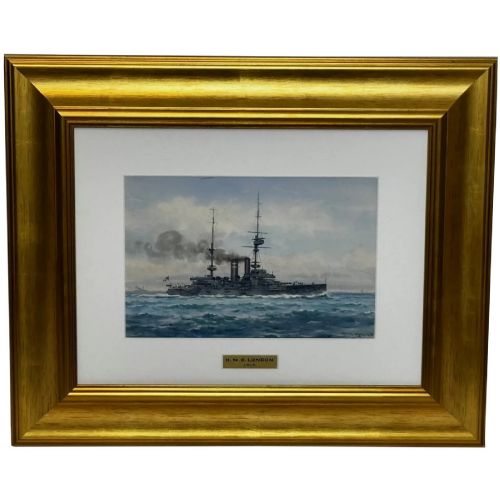
Common subjects range from named Royal Navy cruisers and steamships to portraits of naval officers in uniform and depictions of historic engagements.
Materials and techniques
Artists historically applied oil paint to canvas or wood boards, utilising rich pigments to render turbulent seas and atmospheric skies.
Watercolour and gouache on paper frequently appear alongside engravings and lithographs, often framed with wood or glass protection.
Makers utilised various supports, from traditional stretched canvas to board and paper, depending on the specific medium chosen.
Vintage Naval Artwork Retail Price Guide 2026
Typical asking prices for vintage naval artwork among the pieces listed under this phrase on Sellingantiques today, from the lower quarter to the upper quarter. They describe what is for sale here now, not the wider market.
Represented periods span from the 17th century through the Victorian and Edwardian eras into the mid-twentieth century.
Quality variations
The precision of the vessel rigging and historical accuracy of the naval architecture distinguish finer pieces from simpler decorative works.
The skill in capturing movement in rolling waves and the atmospheric rendering of light across the sea dictate the artistic merit of a painting.
The significance of the subject matter, such as identified historical ships or documented engagements, elevates the standing of individual artworks.
Eugène-Louis Gillot·William McAlpine·Eric Tufnell·Frank Watson Wood·Bernard Gribble·Vincenzo D’Esposito·Samuel Owen·Dion Pears·John Laviers Wheatley
The Vintage Naval Artwork Glossary
- Gouache
- An opaque water-based paint that dries to a matte finish. Artists often combined it with watercolour for added opacity in maritime scenes.
- Lithograph
- A print produced from a flat stone or metal plate. This technique allowed for the reproduction of popular naval illustrations.
- Oil paint
- A slow-drying paint made with pigments suspended in oil. It permitted artists to blend tones smoothly when depicting dark ocean waters.
- Watercolour
- A paint consisting of transparent pigment suspended in a water-based solution. It was frequently applied on paper for detailed ship portraits.
Vintage Naval Artwork: Frequently Asked Questions
What periods do these pieces cover?
The inventory spans several centuries, including 18th-century compositions, Victorian and Edwardian works, and mid-20th-century pieces up to the 1950s.
Earlier items often feature historic engagements, whilst later examples frequently depict named twentieth-century warships and naval personnel.
How should I display framed paper art?
Watercolours and gouache on paper require protection from direct sunlight to prevent the fading of pigments over time.
Keeping them away from high-moisture areas helps preserve both the paper support and the wooden framing.
How do I identify the ships depicted?
Many works include inscriptions on the mount, canvas, or reverse detailing the specific vessel name, such as HMS Prince of Wales or HMS London.
Naval architecture, uniform styles, and historical flags also provide clues to the exact era and vessel class.
What is the difference between oil and watercolour?
Oil paintings utilise heavy pigments on canvas or board, allowing for textured brushwork in stormy seas and deep water.
Watercolours employ transparent washes on paper, resulting in lighter, more delicate maritime compositions.