


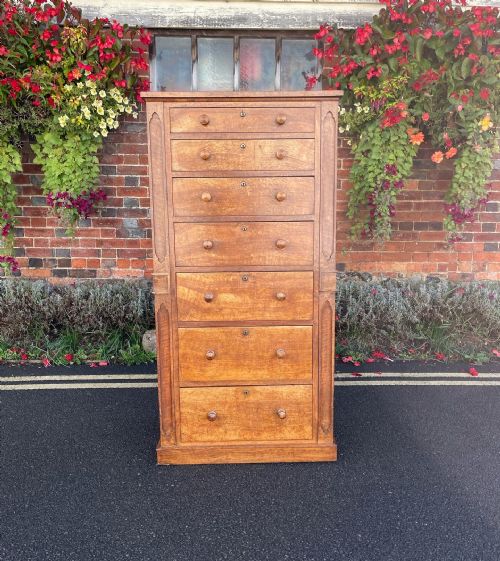
Vintage Narrow Dresser
These vintage narrow dresser pieces offer compact storage solutions crafted from various woods across multiple historic periods, bringing practical elegance to tight spaces.
Vintage Narrow Dresser
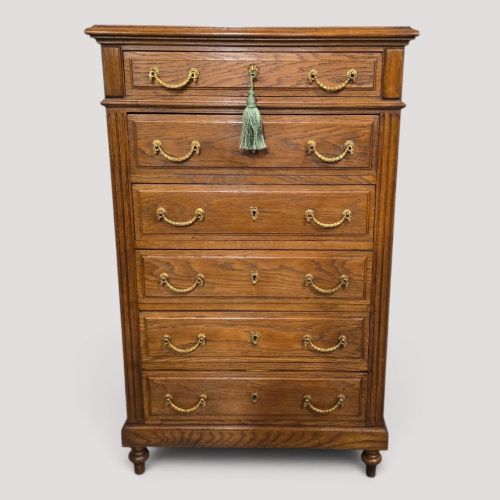
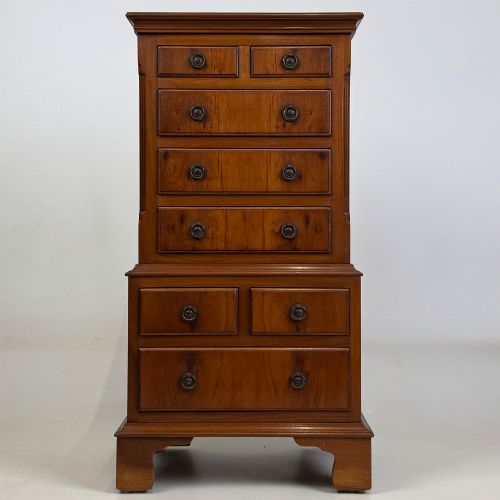
When you search for a vintage narrow dresser, you encounter compact case furniture designed to fit confined footprints while providing multiple tiers of drawers or shelving. The selection spans several distinct eras, incorporating forms such as tall chests, Wellington chests, and slim cabinets.
The pieces on this page originate from periods including the Georgian era, the Victorian age, and the Edwardian decade, alongside later twentieth-century examples. You will frequently find configurations featuring five, six, or seven drawers constructed to maximise vertical storage capacity.
How they were made
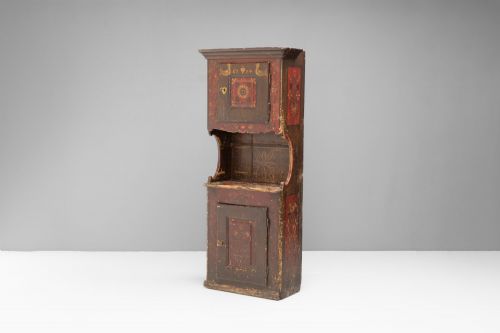
Cabinet makers utilised a range of solid timbers and veneers, working primarily with oak, mahogany, pine, walnut, and rosewood. Surface decoration often involved brass inlays, marquetry, or painted finishes.
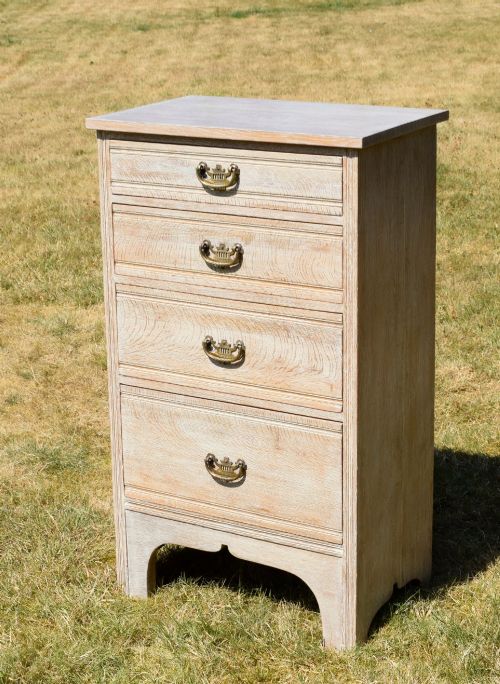
Structural integrity relied on traditional joinery methods appropriate to each period, from Georgian cabinet-making techniques to Edwardian production methods. Many surfaces received wax polishing or liming treatments to enhance the natural grain of the wood.
Materials represented in the current inventory include oak, mahogany, walnut, pine, rosewood, brass, marble, and paint.
What varies in quality
The degree of figuring in the wood grain and the selection of premium timbers such as pollard oak or rosewood distinguish finer examples from standard utility pieces. Cabinet work showing precise dovetailing and well-executed marquetry denotes superior workshop standards.
Proportion and decorative restraint also set certain pieces apart, particularly where brass inlays or splayed feet are integrated harmoniously into the narrow frame. Original hardware and undisturbed surface patination add to the integrity of a piece.
Gillows of Lancaster
The Vintage Narrow Dresser Glossary
- Wellington chest
- A tall, narrow chest of drawers secured by a hinged locking flap on one side that fastens over the drawer edges. This form originated in the nineteenth century.
- Marquetry
- The art of applying pieces of veneer to a structure to form decorative patterns and pictures. Makers utilised various coloured woods to achieve detailed pictorial designs.
- Pollard oak
- Oak timber taken from a tree that has been cut back to the trunk to promote a dense branch growth, resulting in highly decorative, mottled grain patterns. Cabinet makers prized this wood for high-status furniture.
- Limed oak
- Timber treated with a chemical compound or white pigment to create a pale, aged finish that highlights the open grain. This treatment gained popularity in the early twentieth century.
Vintage Narrow Dresser: Frequently Asked Questions
What defines a narrow dresser?
These pieces comprise tall chests of drawers and slim cabinets built with a reduced width to occupy minimal floor space.
They provide vertical storage through stacked drawers while maintaining a compact footprint suitable for smaller rooms.
Which woods are most common?
Oak and mahogany appear frequently across multiple periods, alongside pine in country pieces.
More decorative items incorporate walnut, rosewood, and pollard oak veneers.
How do I date these pieces?
Construction methods, handle styles, and timber choices offer primary clues to the era of manufacture.
Georgian and Victorian pieces display different structural characteristics compared to Edwardian and later twentieth-century examples.
Where should I place one?
The slender proportions make these items suitable for hallways, alcoves, and bedrooms with limited wall space.
They function effectively wherever floor area is restricted but vertical storage is required.