
Vintage Monochrome Drawing
A vintage monochrome drawing offers a direct encounter with an artist's hand through stark contrasts of black, grey and white.
Vintage Monochrome Drawing
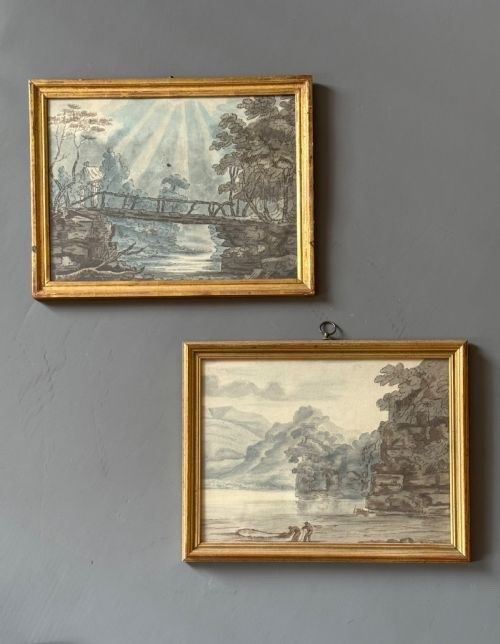
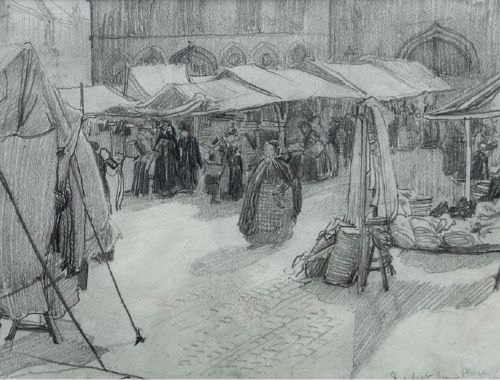
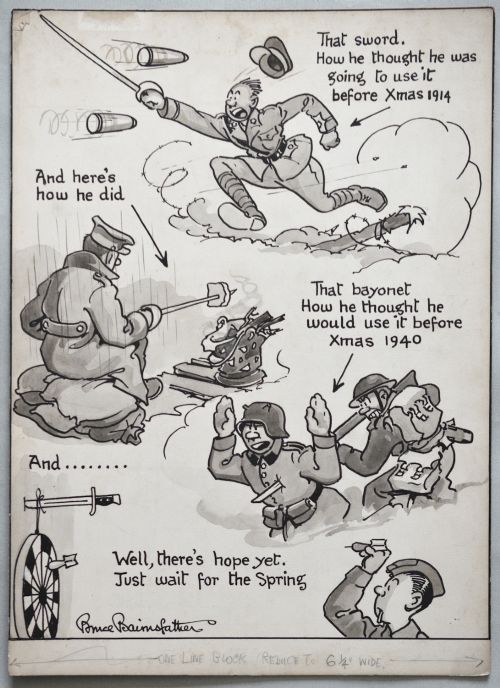
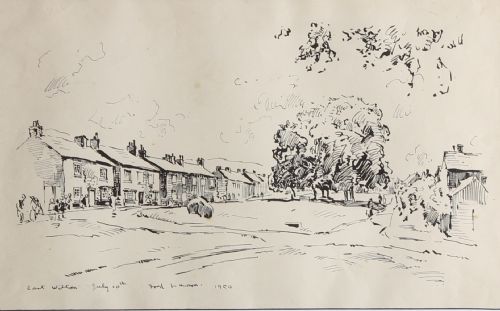
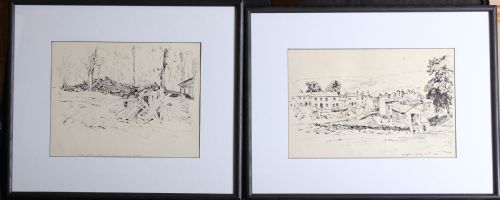
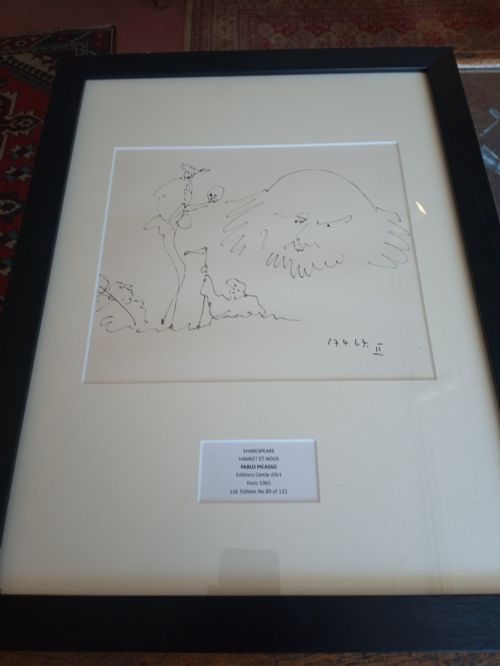
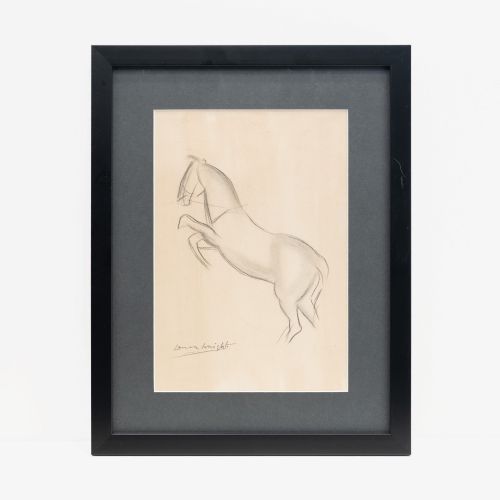
A vintage monochrome drawing comprises original works on paper executed in single-colour media such as graphite, charcoal, ink and pencil. These pieces span from the nineteenth century through the mid-twentieth century, encompassing periods like the Edwardian era and the 1930s and 1940s.
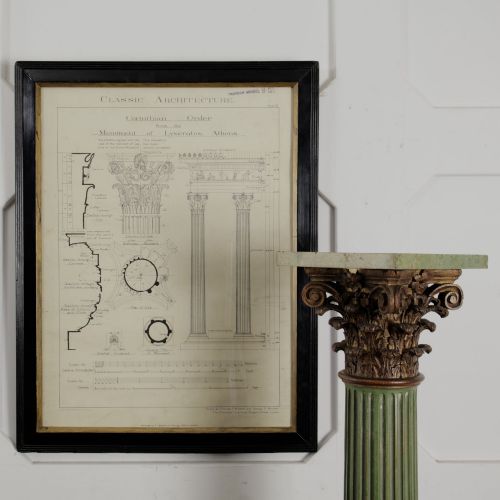
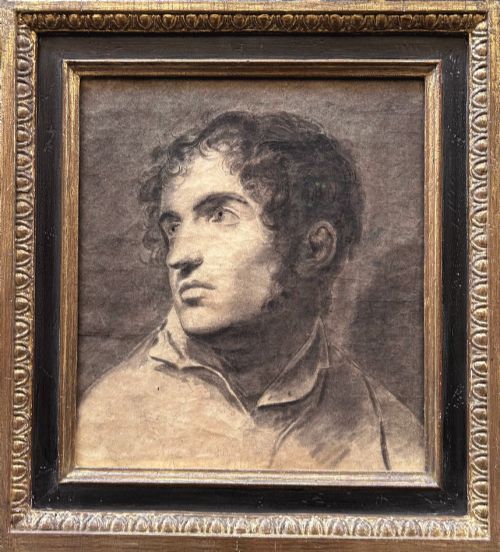
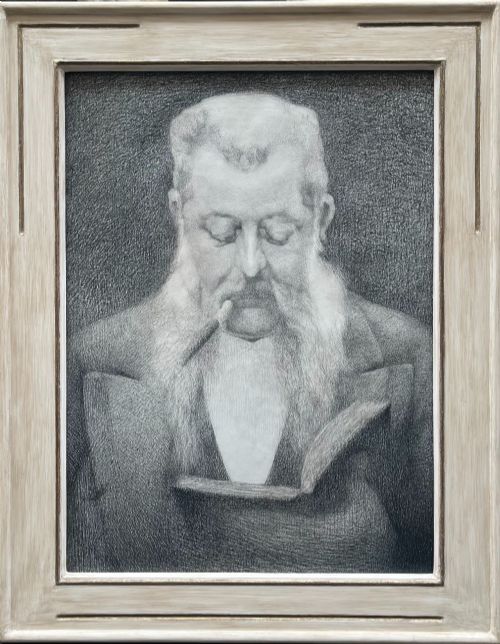
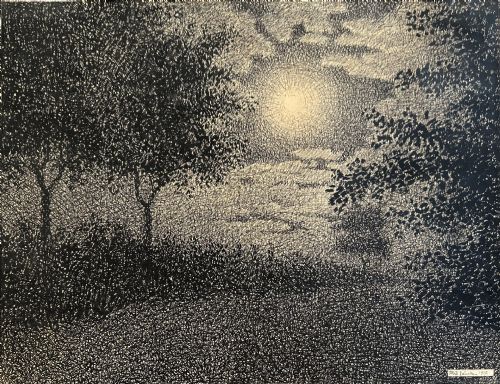
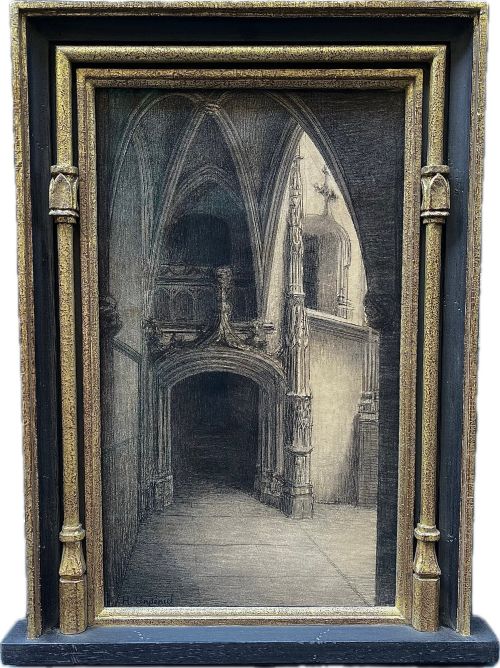
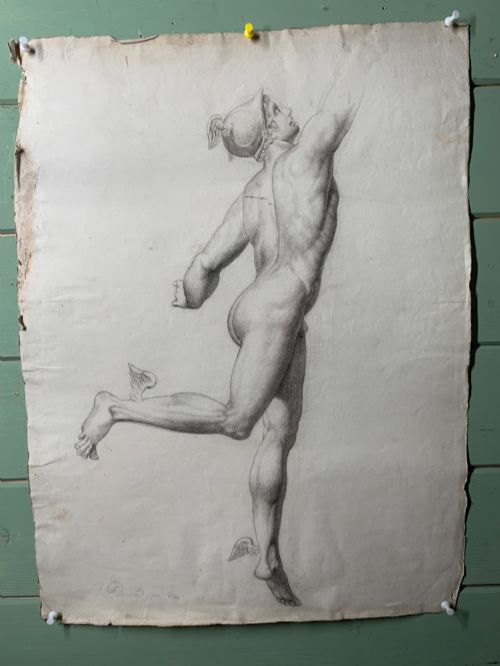
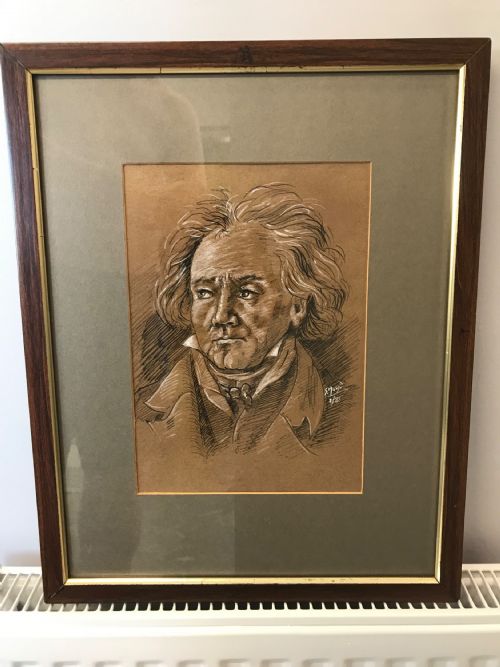
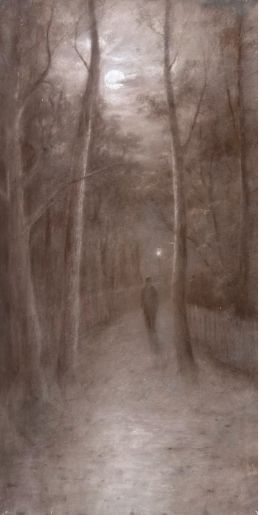
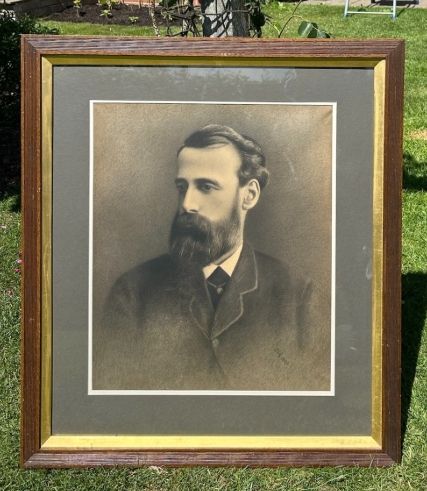
The subjects encountered most frequently on this page range from landscape scenes and architectural plates to academic life studies and portraiture. Works often arrive framed behind glass, mounted within wood structures that complement the monochromatic palette.
Makers and schools represented include named British and European artists alongside French school studies and anonymous studio pieces. Stylistic approaches vary from Victorian academic realism to early twentieth-century British landscapes and symbolist portraiture.
Materials and technique
Artists utilise paper supports, occasionally canvas, applying dry media such as graphite, charcoal and pencil alongside fluid agents like ink, wash and watercolour. These materials allow for rapid sketching or sustained academic rendering.
Framing typically involves protective glass set into wooden mouldings, preserving fragile paper surfaces from atmospheric degradation while providing structural support for display.
Several drawings capture fleeting moments, from military camps in Arras to quiet spots in the English Lake District.
Markers of distinction
Quality rests upon the sureness of the draughtsmanship and the control of tone across the monochrome scale. Masterful handling of light and shadow creates depth without the need for colour.
The preservation of the paper support and the clarity of the medium without excessive fading or damp staining dictates the visual strength of the piece.
Henry Percy Huggill·Bruce Bairnsfather·Fred Lawson·Henri Charles Angéniol·Dame Laura Knight·Augustus Edwin John·Winifred Eugene Ballard
The Vintage Monochrome Drawing Glossary
- Monochrome
- Executed in a single colour or shades of a single colour, typically black, grey or sepia on white paper. This restriction places total emphasis on line, tone and form.
- Graphite
- A form of crystalline carbon used as a drawing medium encased in wood or utilised in stick form. It produces lustrous grey marks capable of fine detail or broad shading.
- Charcoal
- A dry drawing material made from burnt organic matter that produces rich, deep blacks and easily smudged grey tones. It is favoured for expressive figure studies and dramatic landscapes.
- Academic realisim
- A style of painting and drawing produced under the influence of European academies of art. It prioritises precise anatomical accuracy, careful observation and classical proportions.
Vintage Monochrome Drawing: Frequently Asked Questions
What is a monochrome drawing?
A monochrome drawing is a work executed in a single colour, relying entirely on ink, charcoal, pencil or graphite to build form and shadow.
These pieces use tonal gradation rather than hues to create depth and atmosphere on paper.
How should I frame these drawings?
These works require framing behind glass with acid-free mounts to prevent direct contact between the paper and the glazing.
Wood frames that match the period of the artwork help preserve both the aesthetic and physical integrity of the piece.
Are these drawings original works?
The listings comprise original hand-drawn or hand-painted works executed directly by the artist, rather than modern mechanical reproductions.
Each piece bears the unique touch of the creator's hand through visible pencil strokes, ink washes or charcoal smudges.
How do I care for antique paper?
Antique paper drawings require placement away from direct sunlight and high humidity to prevent fading and foxing.
Maintaining stable indoor temperatures ensures the fragile paper support remains undamaged over decades of display.