


Vintage Mirror Stand
A vintage mirror stand brings functional elegance to a hallway or bedroom, offering a dedicated spot for final checks before heading out.
Vintage Mirror Stand
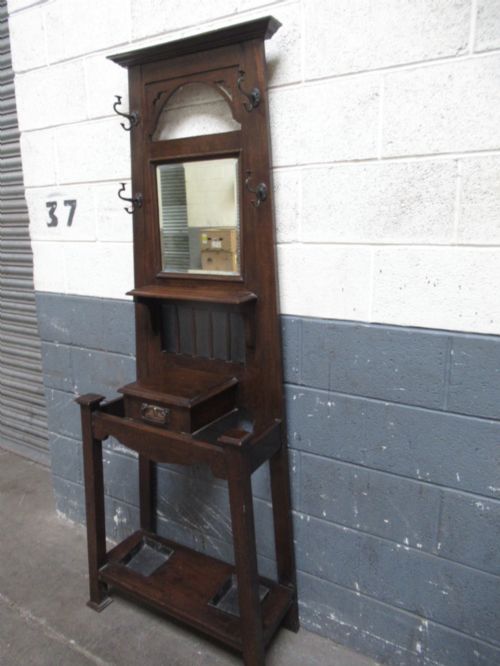
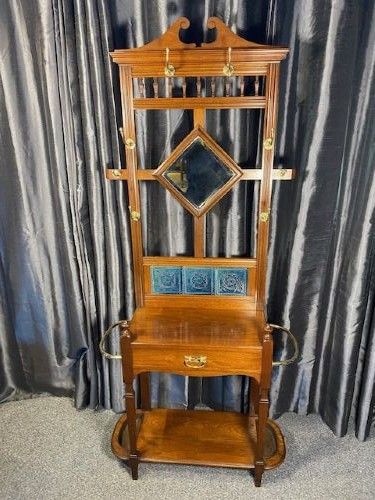
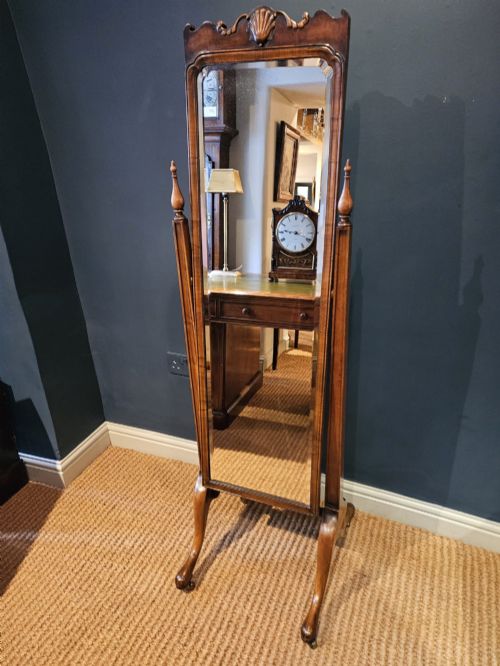
A vintage mirror stand encompasses freestanding floor pieces, tabletop dressing variants, and multi-functional hallway furniture designed to hold hats, coats, and umbrellas alongside reflective glass.
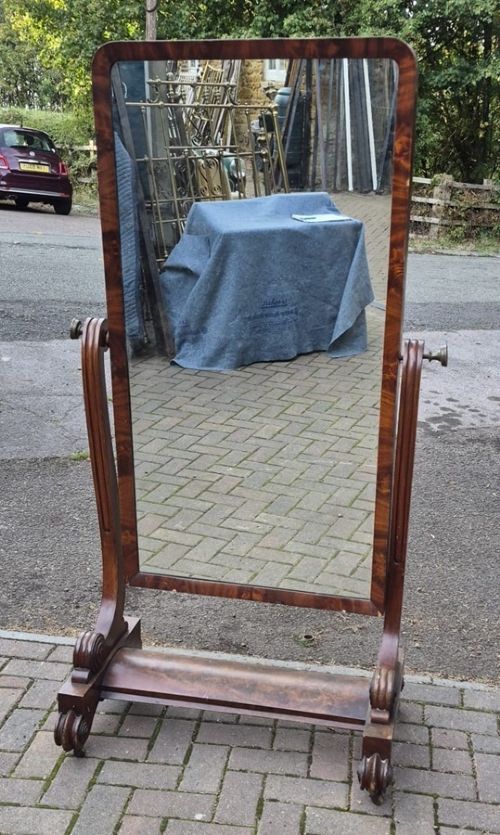
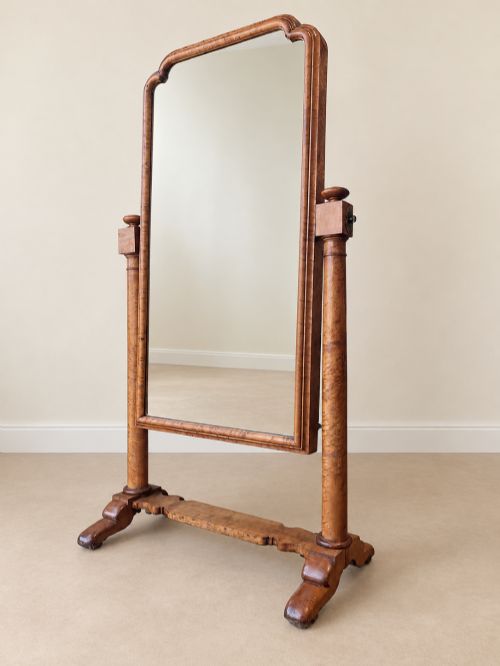
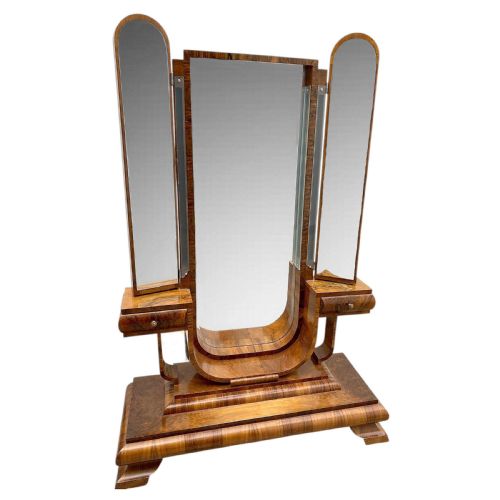
The selections span distinct eras from the Victorian and Edwardian periods through to the Art Deco years, utilising forms such as the pivoting cheval mirror and the combined hall stand.
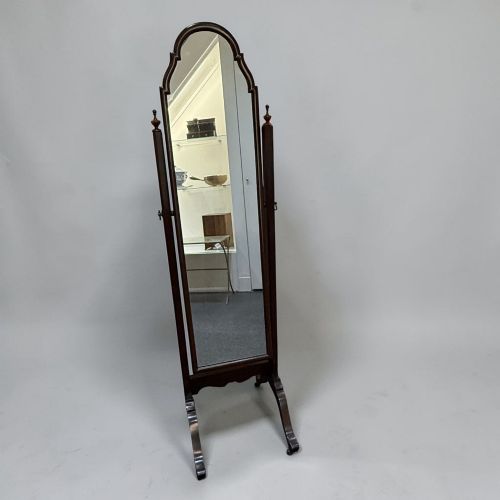
Buyers encountering this group will frequently find mahogany and walnut floor-standing cheval mirrors alongside Edwardian dressing table vanity mirrors and heavy cast iron or timber hall stands.
Materials and construction methods
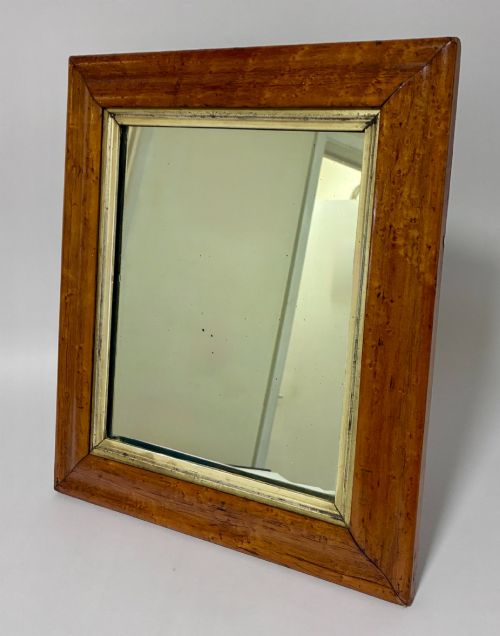
Cabinetmakers relied heavily on rich timbers including mahogany, walnut, and satin birch, often figuring the grain for decorative impact on prominent surfaces like dressing mirror frames and hall stand panels.
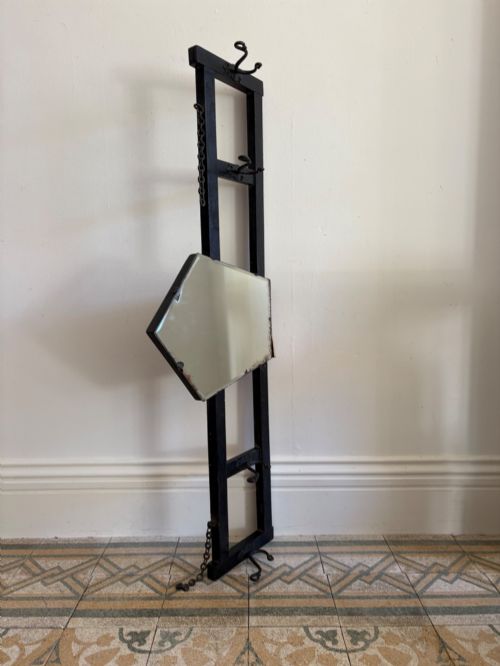
Metal components such as brass, cast iron, and ormolu provide structural support, decorative framing, and functional hardware for hanging hooks or pivoting mirror pivots.
Glass production yielded heavy mirror plates and triptych configurations, sometimes paired with specialised metalwork from European makers such as WMF in pewter.
Vintage Mirror Stand Retail Price Guide 2026
Typical asking prices for vintage mirror stand among the pieces listed under this phrase on Sellingantiques today, from the lower quarter to the upper quarter. They describe what is for sale here now, not the wider market.
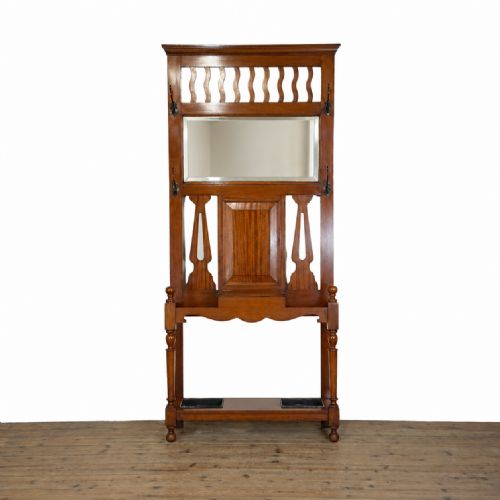
Some hall stands manage to squeeze a mirror, coat hooks, umbrella storage, and a seat into a single piece of hallway furniture.
Distinctions in craftsmanship
Superior examples distinguish themselves through the selection of choice timber veneers, such as burr walnut or figured mahogany, matched carefully across the visible panels and frames.
The integration of secondary functions, like umbrella wells in hall stands or stable brass pivoting mechanisms on cheval mirrors, separates standard utilitarian items from workshop pieces bearing maker attributions.
Flashman & Co·Heal & Sons·WMF
The Vintage Mirror Stand Glossary
- Cheval mirror
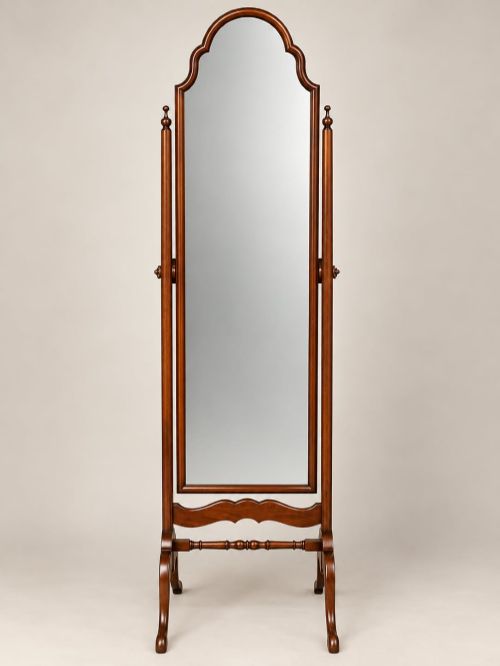
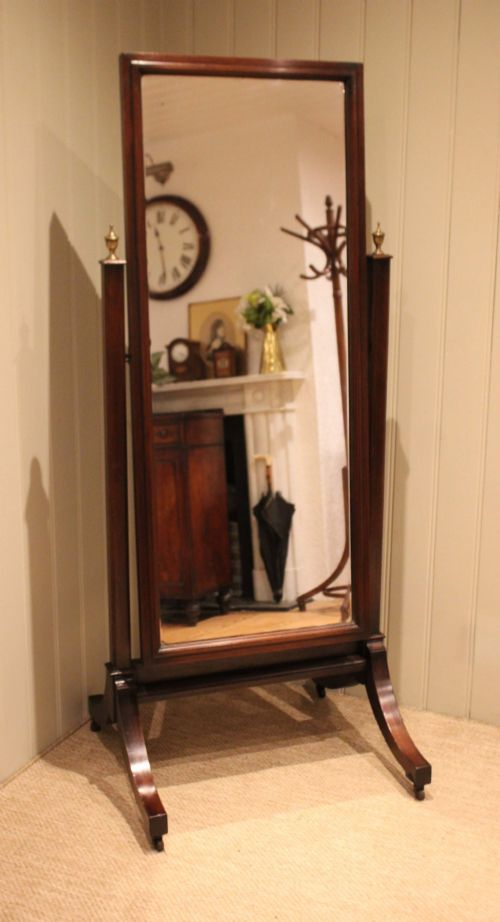
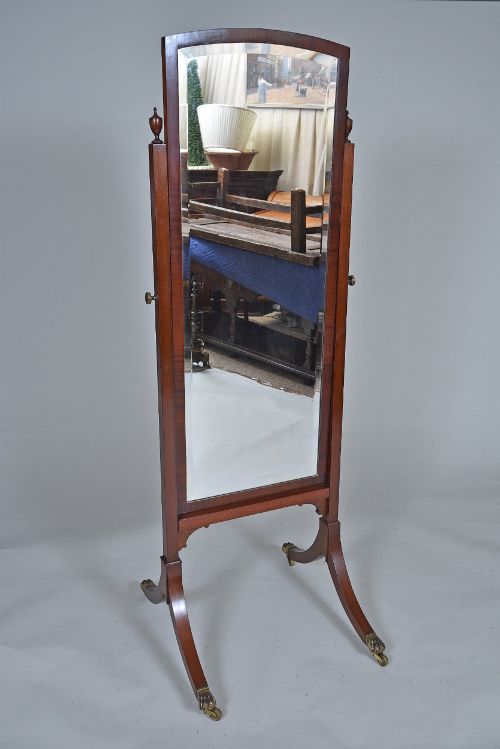
- A large freestanding floor mirror supported on a frame with vertical pivots that allow the glass to tilt. This form gained popularity in the Georgian period and remained a bedroom staple through the Victorian and Edwardian eras.
- Hall stand
- A combined hall piece featuring a central mirror, coat hooks, and frequently umbrella or stick stands with a drip pan. Many incorporate a small bench or glove drawer.
- Shaving mirror
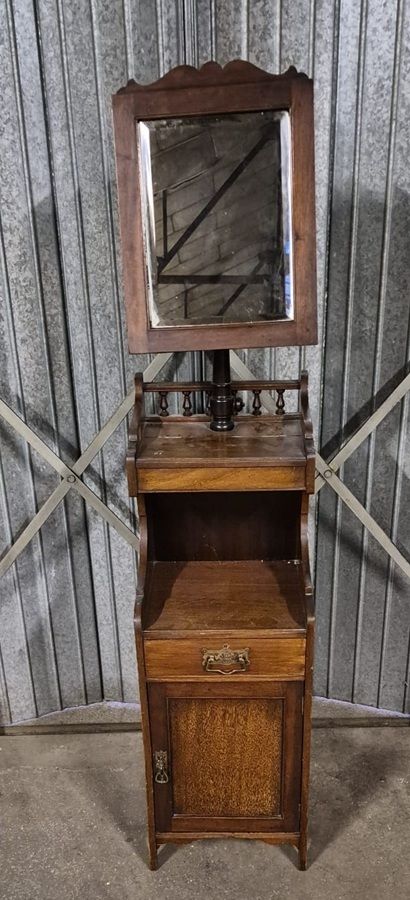
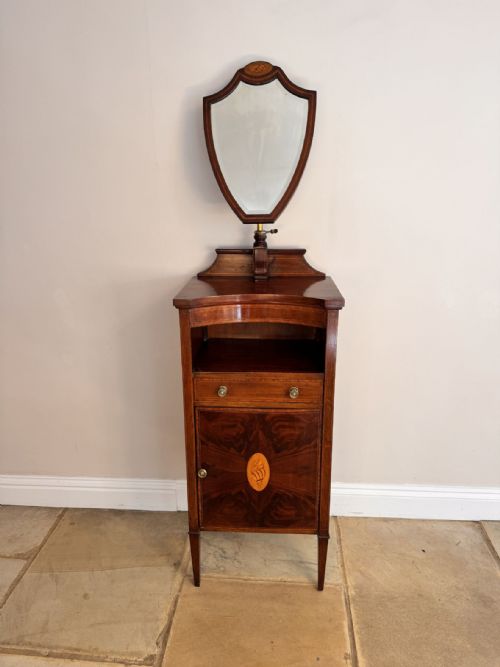
- An adjustable tabletop or freestanding mirror designed for grooming, often featuring magnification or specialised candle sconces. Victorian and Edwardian versions frequently include small drawers for razors.
- Ormolu
- Gilded bronze or brass applied as decorative mounts to furniture and decorative objects. French pieces of the nineteenth century utilised this technique extensively.
- Triptych mirror
- A three-panel mirror where the outer wings hinge inward to adjust the angle of reflection. This style appears frequently in French dressing mirrors.
Vintage Mirror Stand: Frequently Asked Questions
What is a cheval mirror stand?
A cheval mirror stand is a full-length floor mirror suspended on a vertical frame that permits the glass to tilt back and forth on pivots.
Originating in the eighteenth century, these large mirrors became bedroom essentials for checking full outfits during the Victorian and Edwardian periods.
How do I use a hall stand?
A hall stand serves as a multi-functional entryway piece designed to hold outdoor wear and provide a final mirror check before leaving the house.
They typically combine coat hooks, umbrella wells, and sometimes a small seat or storage compartment for gloves.
Where should I place a dressing mirror?
Tabletop dressing mirrors work best atop a chest of drawers or a dedicated vanity table where seated grooming takes place.
Position them near a natural light source to make the most of the pivoting glass angles.
How do I date a mirror stand?
Dating relies on identifying the prevailing timber choices, hardware styles, and decorative motifs characteristic of periods like Victorian, Edwardian, or Art Deco.
Heavy mahogany construction often points to the nineteenth century, while lighter inlaid satin birch or geometric walnut points towards the early twentieth century.