



Vintage Metal Water Jug
A vintage metal water jug brings honest utility and warmth to a room, forged from enduring copper, brass, pewter, and silver plate.
Vintage Metal Water Jug
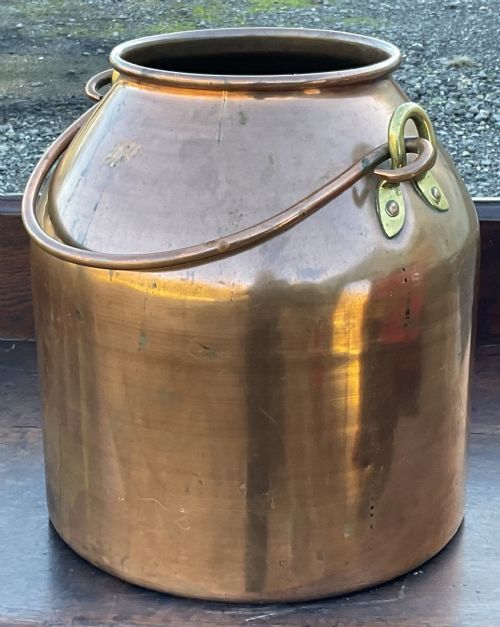
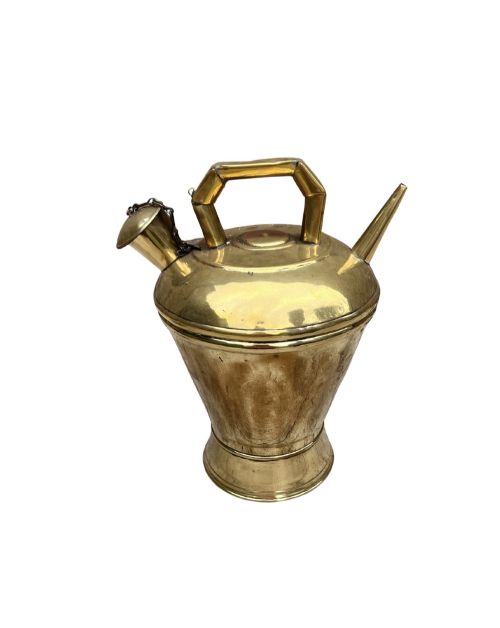
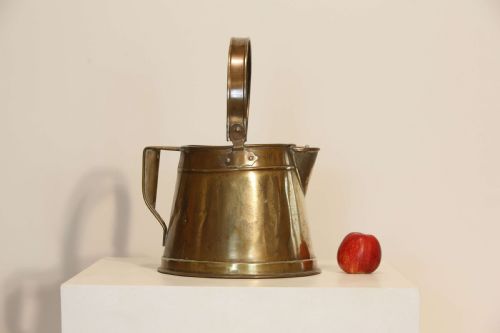
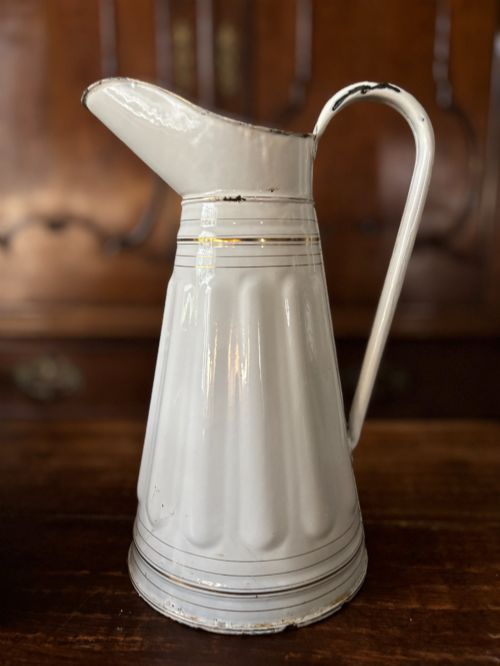
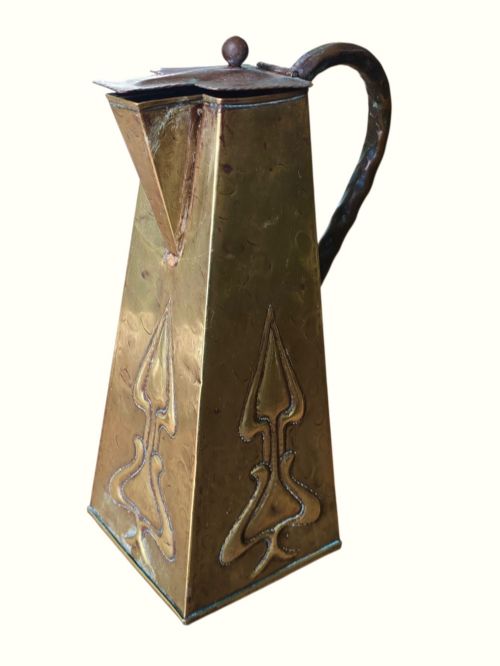
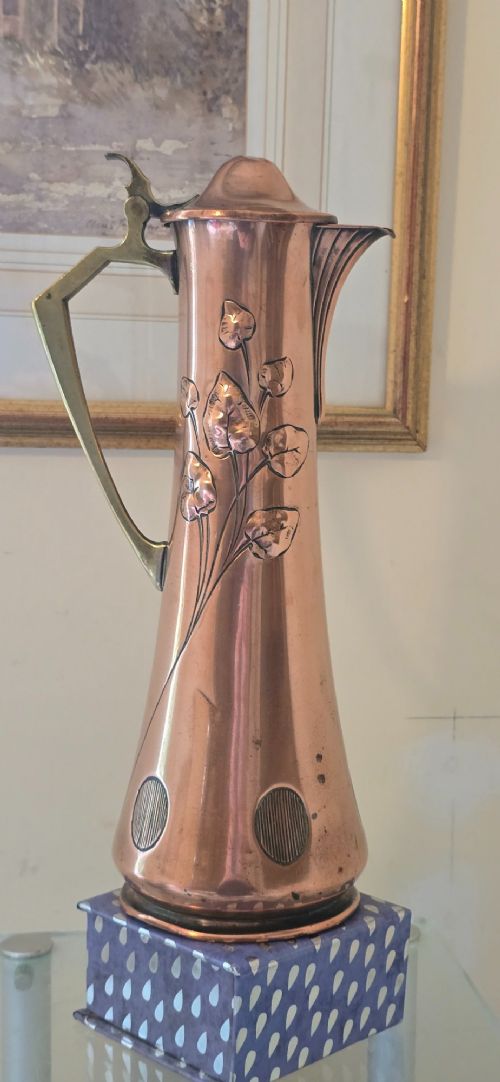
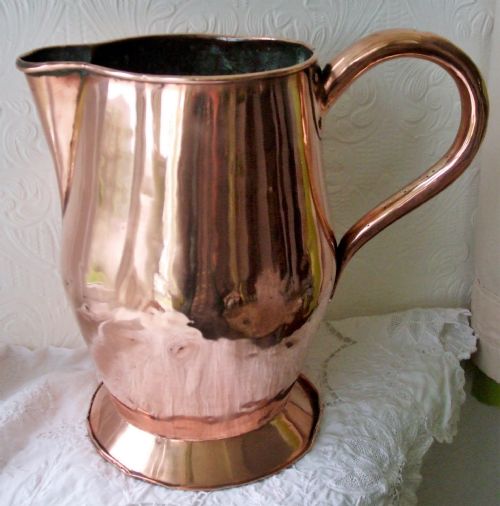
A vintage metal water jug encompasses utilitarian vessels intended for carrying, heating, or serving water, emerging from domestic, rural, and formal settings across past centuries. When searching for a vintage metal water jug, buyers encounter heavy copper carrying pots, brass hot water cans, pewter flagons, and enamelware pitchers. The selections span simple Georgian proportions through the decorative flourishes of the Victorian era and the organic lines of the Arts and Crafts and Art Nouveau movements.
The versions most frequently met on this page originate from the nineteenth and early twentieth centuries, though eighteenth-century examples and Middle Eastern or Indian vessels also appear. These objects take the form of tall pouring ewers, lidded jugs, coffee pots, and Jersey cans, designed originally for hearthside use or formal hospitality. Their surfaces bear the marks of past labour and oxidation, which define their decorative appeal in modern interiors.
How they were made
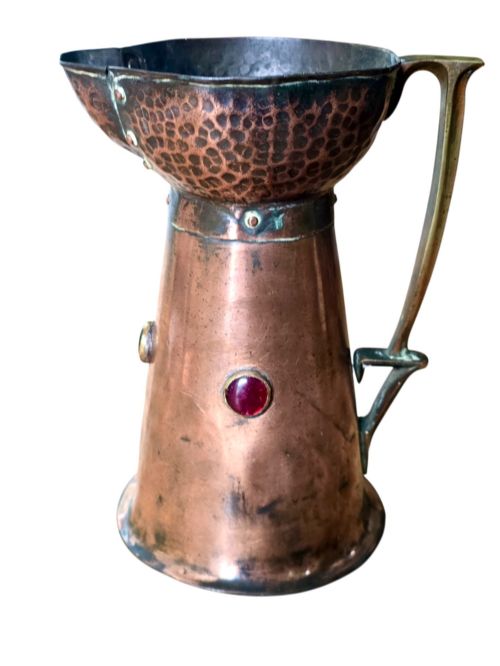
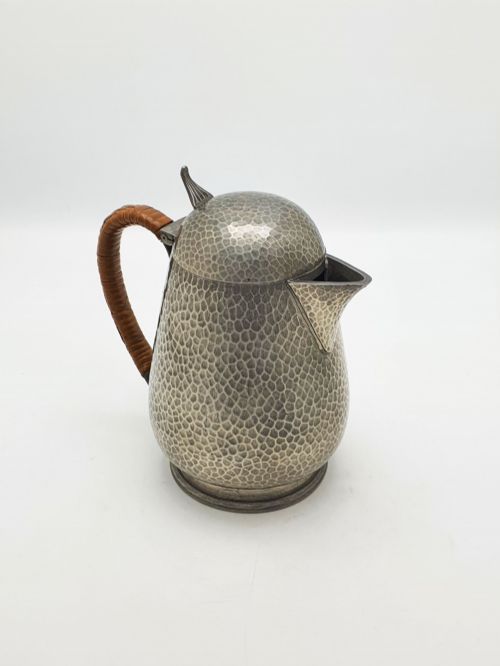
Metalworkers constructed these vessels primarily from sheet copper, brass, and pewter, often shaping bodies by hand-hammering over stakes or spinning on lathes. Handles were cast in bronze, brass, or pewter, and sometimes wrapped in cane or integrated with decorative cabochons and enamel panels.
Makers utilised riveting, dovetailing, and brazing to join heavy metal sheets securely for liquid containment. Surface treatments ranged from polished brass and Old Sheffield plating to silvered pewter and colourful enamelware finishes.
Vintage Metal Water Jug Retail Price Guide 2026
Typical asking prices for vintage metal water jug among the pieces listed under this phrase on Sellingantiques today, from the lower quarter to the upper quarter. They describe what is for sale here now, not the wider market.
Several jugs arrive equipped with mermaid or mythical makara handles, ensuring the water pouring process involves an aquatic beast.
What varies in quality
The distinction between standard utility ware and exceptional pieces lies in the ambition of the design and the weight of the metal utilised. Heavy-gauge copper and substantial bronze or pewter castings provide structural integrity and a pleasing heft in the hand.
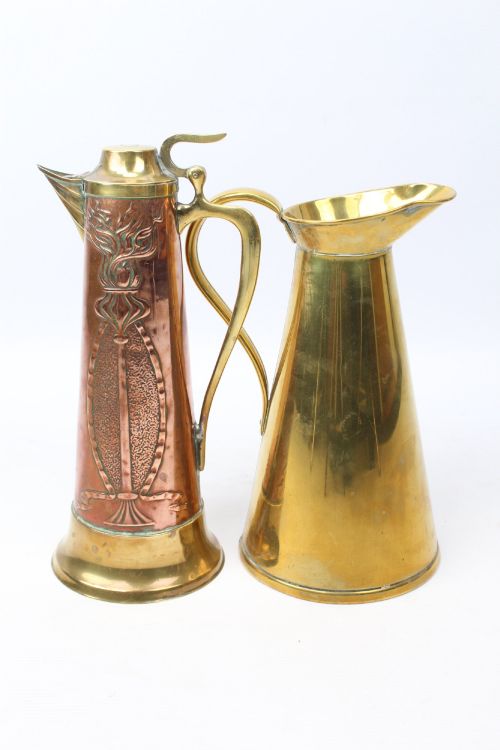
Artistic collaboration elevates certain vessels, where recognised designers and metalwork guilds applied specific decorative motifs, floral reliefs, or distinctive handles such as mermaids or makara heads. The integration of enamel cabochons, fine chasing, and documented maker marks separates mass-produced items from studio output.
William Soutter and Sons·Joseph Sankey·Liberty and Co·WMF·H F Fearncombe and Co·Maison Christofle
The Vintage Metal Water Jug Glossary
- Ewer
- A large jug with a wide spout and a shaped handle, traditionally used for holding and pouring water. These vessels often served a decorative purpose alongside their domestic utility.
- Aftaba
- A traditional metal ewer originating from Middle Eastern and South Asian regions, commonly featuring a long slender spout and intricate handle. They were frequently cast in bronze or brass.
- Old Sheffield Plate
- A composite material formed by fusing a thin sheet of silver to a thicker copper base, common in eighteenth and nineteenth-century serving vessels. This technique produced durable items with the appearance of solid silver.
- Tudric Pewter
- A trade name used by Liberty and Co for a specific alloy of pewter favoured during the Arts and Crafts period. It allowed for sculptural casting and supported designs by figures like Archibald Knox.
- Toleware
- Painted or lacquered sheet metal items produced to imitate Japanese and European lacquerwork. These pieces often featured dark grounds decorated with floral motifs.
Vintage Metal Water Jug: Frequently Asked Questions
How were metal water jugs used originally?
These vessels served everyday domestic tasks such as carrying water from pumps to bedrooms, heating water near the hearth, or serving beverages at the table. Larger examples functioned as storage containers or brewing pots.
Over time, many transitioned from active service in kitchens and sculleries to decorative display pieces in parlours and dining rooms.
How do I identify Arts and Crafts metalwork?
Arts and Crafts pieces typically display hand-beaten surfaces, exposed rivets, and motifs drawn from nature rather than classical symmetry. They often incorporate stylised plant forms, cabochons, or cane-wrapped handles.
Look for honest construction methods where the craft of the metalworker remains visible on the exterior of the jug.
Can I use a vintage metal jug for water?
While many copper, brass, and pewter jugs remain physically sound, historic vessels were manufactured without modern food safety standards in mind. Some older copper or brass items may require modern tinning on the interior if used for drinking water.
Most buyers choose to display these pieces dry or utilise them as flower vases rather than for culinary consumption.
How do I tell Georgian copper from Victorian copper?
Georgian copper vessels generally exhibit heavy gauge hand-forged construction with dovetailed seams and simple, robust functional forms. They reflect an era before mass industrial rolling mills standardised sheet metal production.
Victorian and later pieces often incorporate machine-rolled sheets, stamped decorative reliefs, and more elaborate revival styles influenced by Gothic, Arts and Crafts, or Middle Eastern aesthetics.