
Vintage Metal Double Bedstead
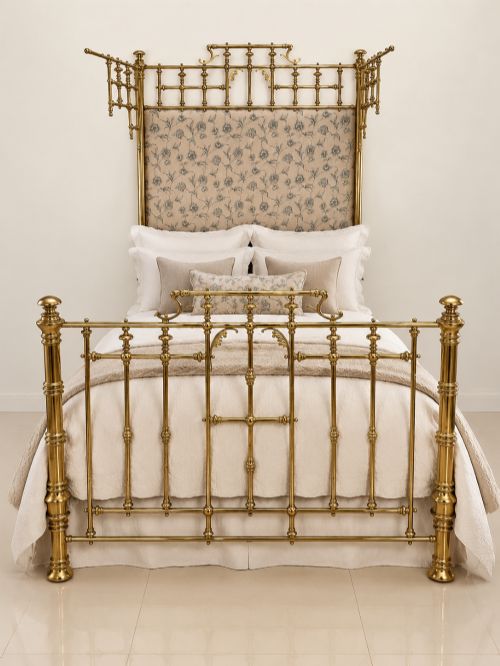
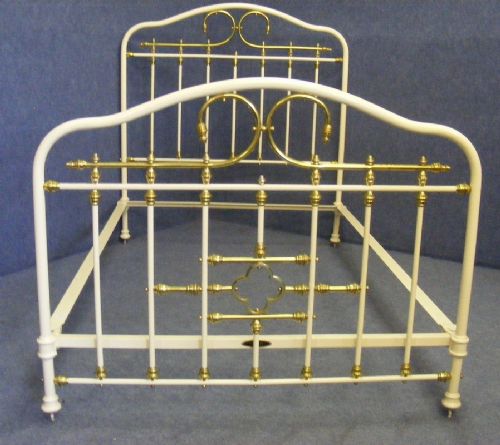
When you need a vintage metal double bedstead, you are looking at substantial Victorian and early twentieth-century iron and brass frames built to anchor a bedroom.
Vintage Metal Double Bedstead
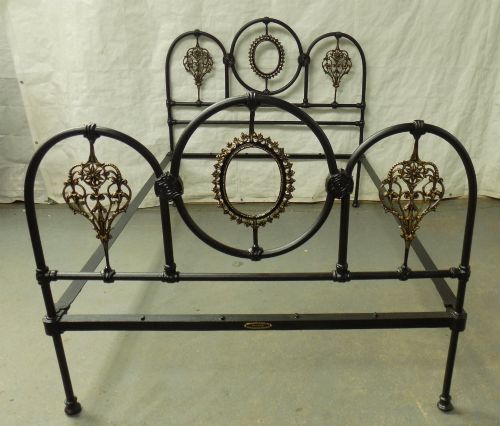
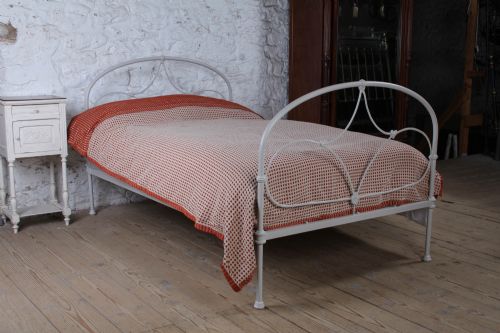
A vintage metal double bedstead provides a sturdy sleeping frame constructed primarily from cast iron, wrought iron, and brass. These pieces appear frequently in Victorian and Edwardian iterations, spanning periods from the mid-nineteenth century up to nineteen-ten.
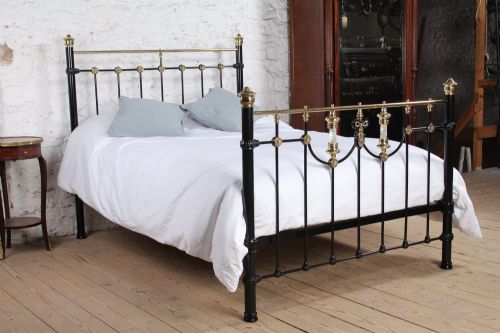
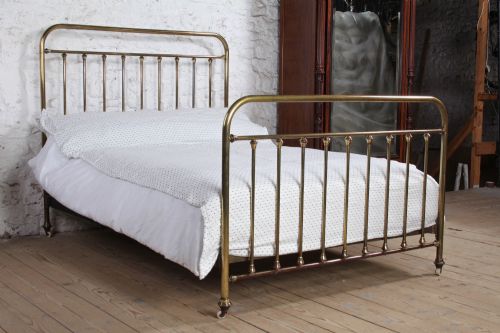
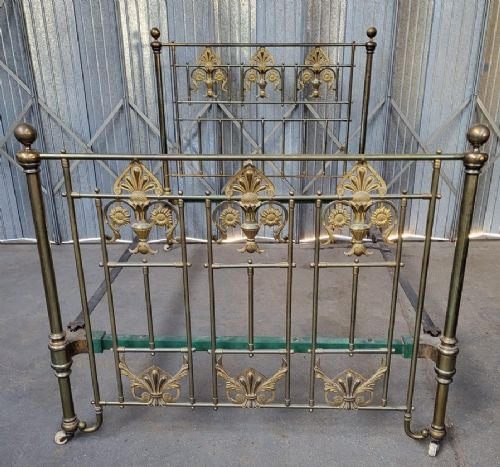
The most common formats on this page combine iron frames with brass rails, mounts, or detailed castings. Buyers encounter various configurations, including standard double beds, small doubles, half tester designs, and no-end frames.
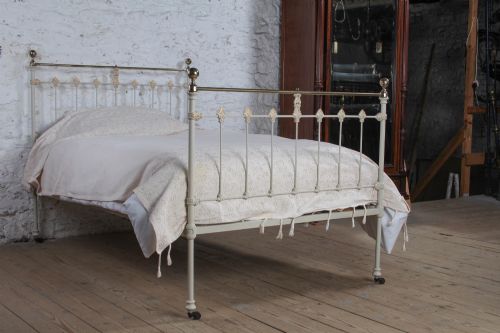
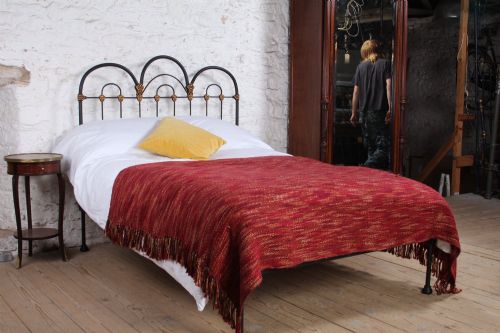
Origin styles range from traditional British Victorian and Irish Celtic revivals to French simple styles, French Belle Epoque, and American influences. Frames typically integrate side irons and sit on original castors for mobility.
How they were made
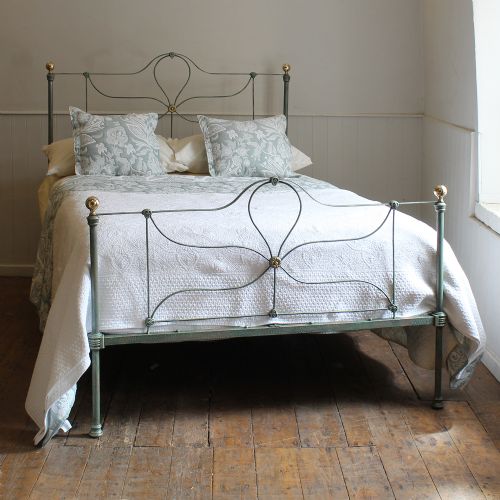
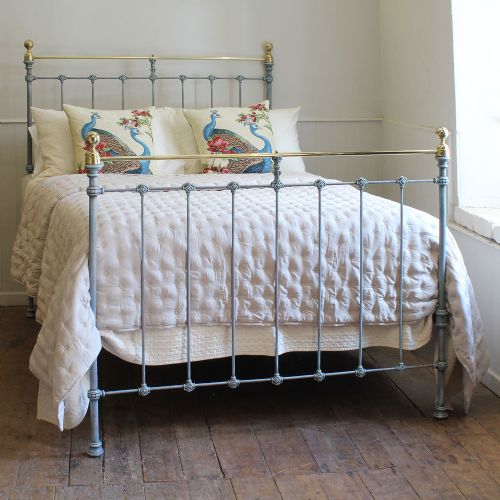
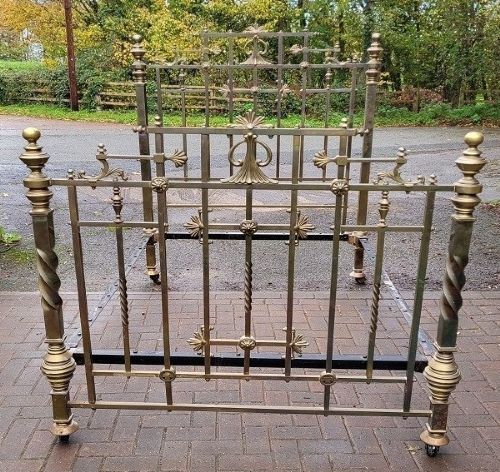
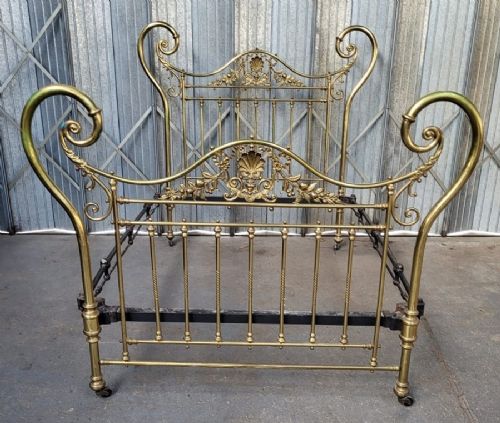
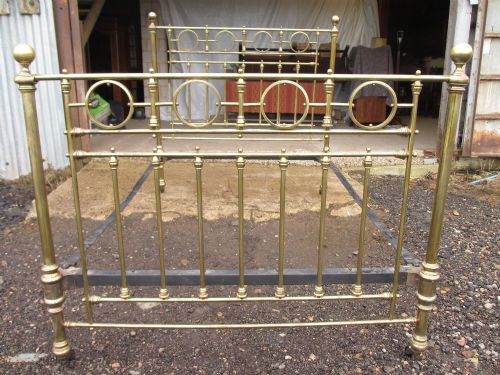
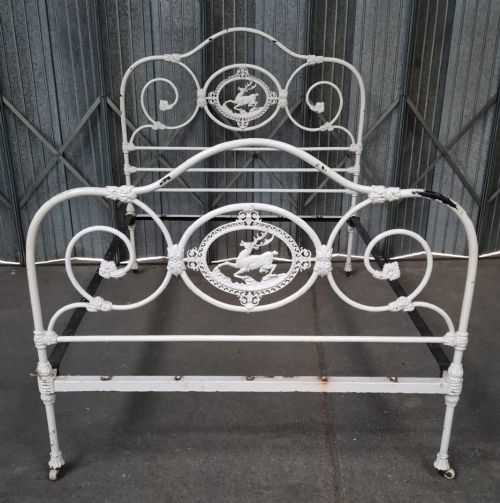
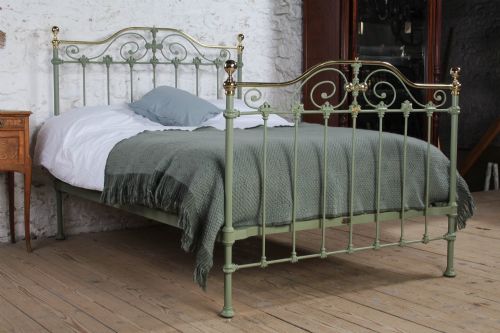
Maker workshops utilised cast iron and wrought iron for the structural framework, shaping them into straight rails or ornate curly patterns. Solid brass components, such as top rails, tapered posts, and decorative finials, were attached to provide contrasting warmth and visual weight.
Surface decoration frequently involved applied paintwork, often in black or green, alongside intricate brass details and occasional mother of pearl inlays. Individual components were engineered to slot together securely with dedicated iron side rails.
The selection includes various regional designs, ranging from classic Victorian straight rail frames to Irish Celtic bedsteads and French styles.
What varies in quality
The standard of a vintage metal double bedstead depends heavily on the complexity of its castings and the proportion of solid brass versus painted iron. Exhibition quality pieces and named maker outputs exhibit finer detailing, heavier gauge metals, and more elaborate decorative motifs.
Structural integrity relies upon the original slot-in iron frame matching the head and foot boards accurately without distortion. The presence of undamaged brass finials, intact paint finishes, and original castors distinguishes superior examples from simpler utilitarian frames.
RW Winfield·Winfield·Maple & Co.
The Vintage Metal Double Bedstead Glossary
- Bedstead
- The complete framework of a bed, incorporating the headboard, footboard, and side rails. This structural assembly supports the base and mattress.
- Half Tester
- A bed frame featuring a partial canopy or tester projecting from the headboard over the upper portion of the bed. This form often includes elaborate brass and iron work.
- Castor
- A small wheel mounted in a swivel housing attached to the bottom of each bedpost. These permit the heavy metal frame to be moved across the floor.
- Finial
- A decorative ornament fixed to the top of a bedpost or corner rail. They appear in brass or cast iron across various Victorian styles.
Vintage Metal Double Bedstead: Frequently Asked Questions
Do these beds fit modern mattresses?
Many vintage double bedsteads accommodate standard modern double mattresses, though older frames occasionally vary slightly from contemporary sizing standards. Checking the internal length and width between the side irons ensures a proper fit for your base.
Buyers utilising traditional frame setups may need to source custom slats or a supportive base platform that drops securely into the side rails.
How do I assemble an iron bed?
Most antique metal beds utilise a simple wedge or slot-in joint system where the side irons hook directly into slots on the headboard and footboard uprights. Gravity and the weight of the mattress lock the joints firmly into place during assembly.
Applying a light lubricant to the slots beforehand can help older iron components slide together smoothly without forcing the metal.
How do I care for brass and iron?
Painted iron surfaces require gentle dusting and occasional cleaning with a soft cloth to preserve the finish without damaging the paint. Avoid harsh chemical solvents that might strip original coatings.
Solid brass elements can be polished cautiously with a mild metal cleaner if a bright shine is preferred, though many collectors prefer to leave a natural aged patina intact.
How do I date a metal bedstead?
Dating relies on stylistic clues, such as the transition from heavy cast iron popular in mid-Victorian periods to the lighter, flowing lines of Art Nouveau and Edwardian pieces. Registration marks or maker stamps stamped into the iron provide definitive chronological anchors.
Construction methods also help, as earlier nineteenth-century frames often feature more hand-finished castings and distinct joining techniques compared to later mass-produced models.