




Vintage Metal Candleholder
These vintage metal candleholder designs bring enduring illumination and period character to a room, spanning centuries of skilled metalwork.
Vintage Metal Candleholder
When you search for a vintage metal candleholder, you encounter a diverse array of lighting equipment designed for domestic interiors across multiple centuries. The selection encompasses single candlesticks, multi-branched candelabra, wall sconces, chambersticks, and floor candelabra spanning the eighteenth, nineteenth, and early twentieth centuries.
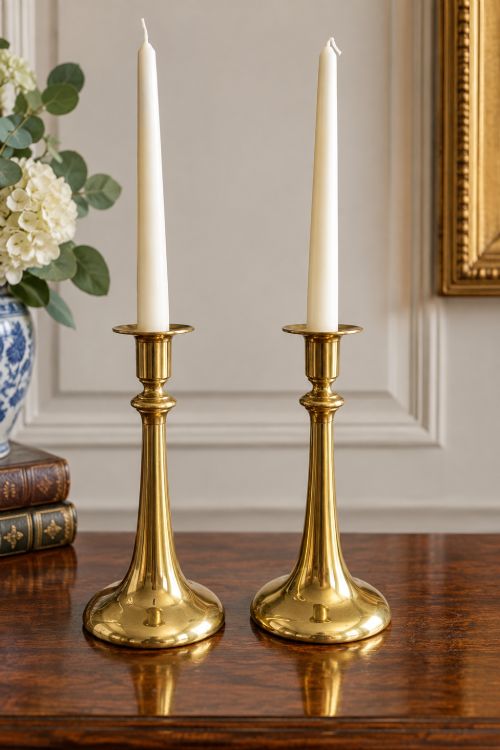
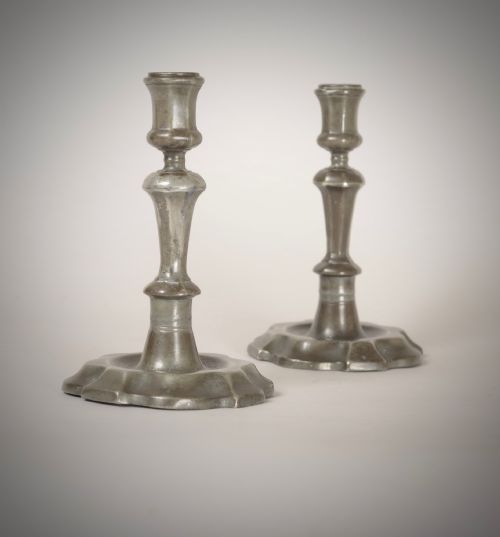
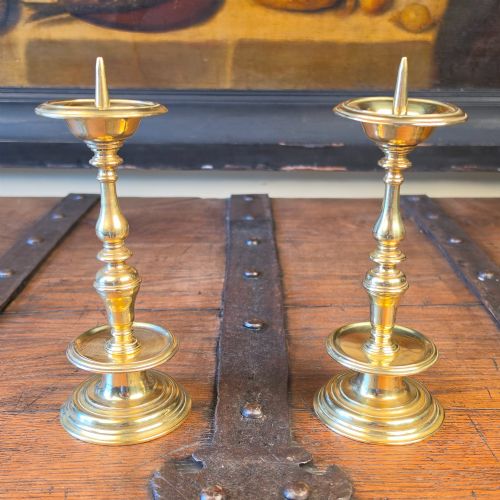
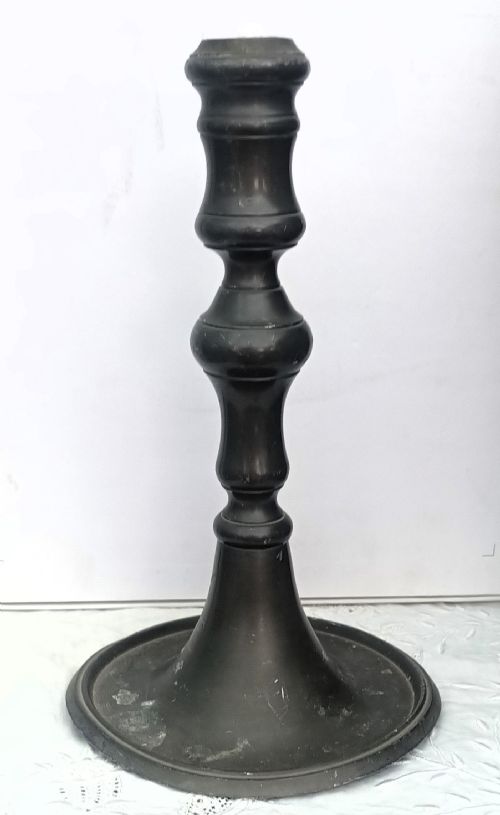
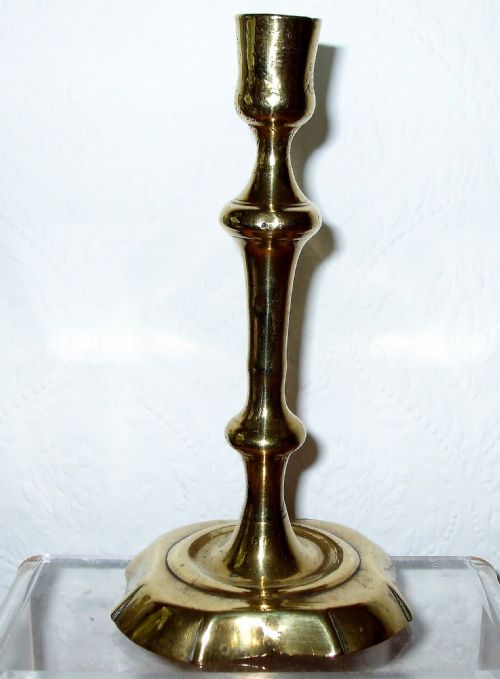
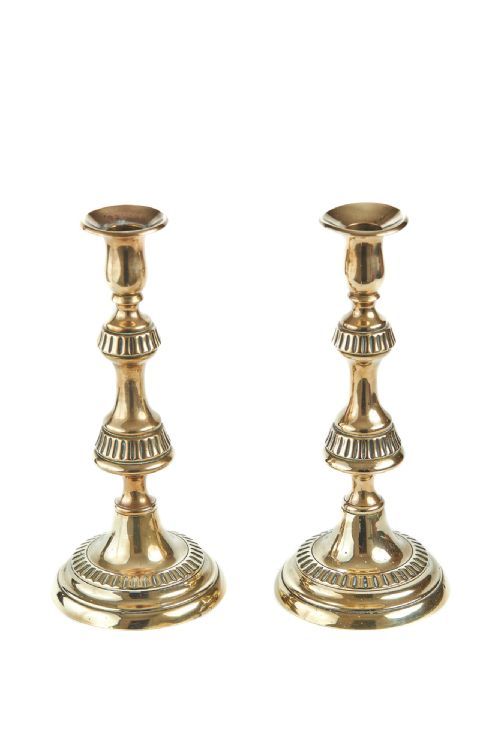
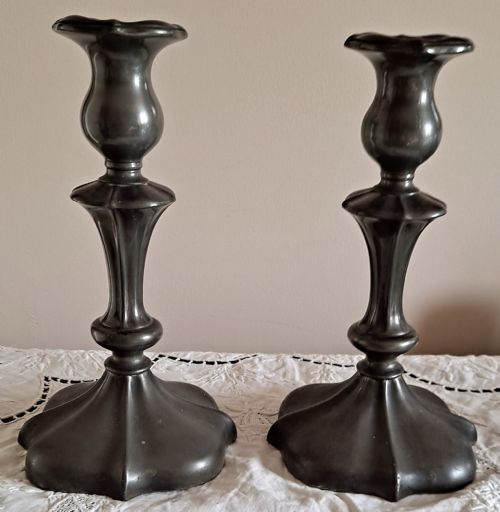
The version you are most likely to meet on this page is the pair of brass or pewter candlesticks originating from the Victorian era or the broader nineteenth century. These domestic items range from plain utilitarian forms to ornate decorative pieces embodying Georgian, Regency, Gothic Revival, and Art Nouveau aesthetics.
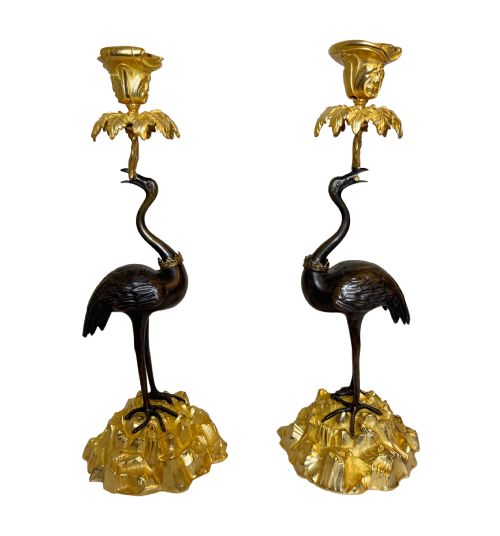
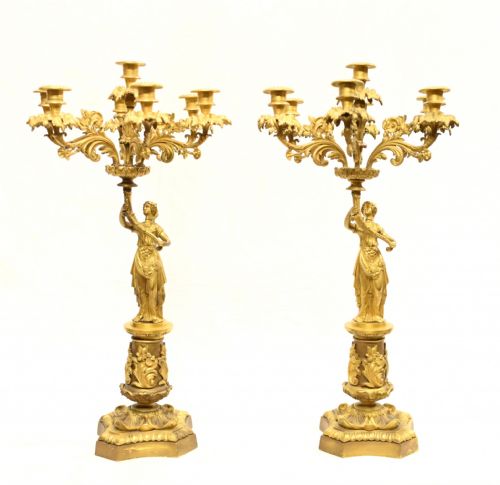
Beyond standard table lights, the evidence shows architectural floor candelabra and wall mirrors integrated with candle holders, alongside French ormolu and gilt bronze pieces featuring figural motifs and marble bases. English and continental workshops produced these objects in varied metals to suit formal reception rooms and everyday chambers alike.
Materials and Techniques
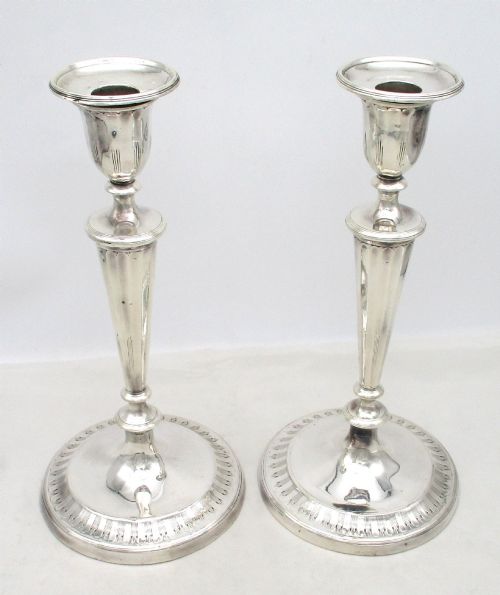
Metalworking techniques shape these pieces through casting, seaming, and forging, utilising materials such as brass, pewter, bronze, silver plate, and iron. Brass and pewter predominate, often worked into slender stems or cast in intricate shapes like the diamond series and figural subjects.
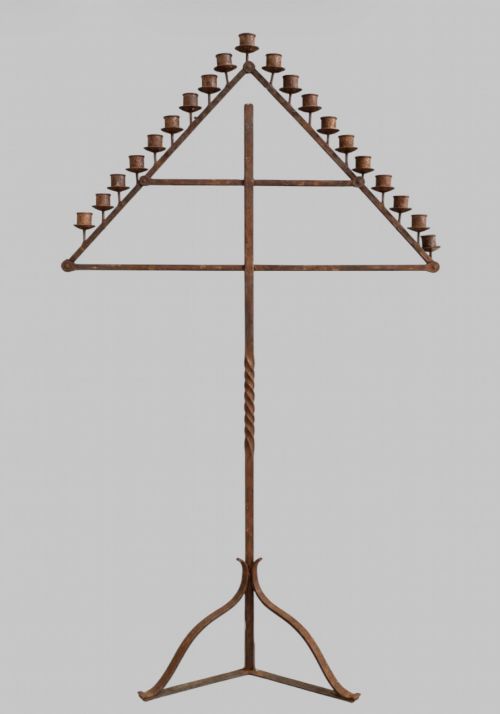
Gilding and surface finishing elevate pieces like ormolu and gilt bronze items, adding rich metallic layers over base metals. Wrought iron pieces demonstrate manual forging and shaping, resulting in architectural floor stands and wall-mounted chambersticks tailored for durability and structure.
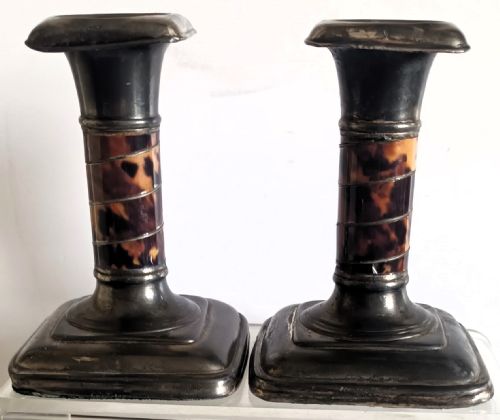
Combination materials appear where tortoiseshell or marble partners with pewter and ormolu, showing how makers united disparate substances to create contrast and weight. Stamping and seaming methods mark many nineteenth-century brass examples, leaving subtle structural seams visible upon close inspection.
Listings feature brass, pewter, bronze, silver plate, ormolu, and wrought iron across eight distinct historical periods.
Distinctions in Quality
Quality rests upon the crispness of the casting and the weight of the metal utilised in the construction. Heavier brass and bronze examples demonstrate substantial material volume, whereas lighter pieces rely on thinner gauge sheets or hollow forms.
Artistic execution distinguishes standard utilitarian items from finer decorative works, particularly where ornamentation involves hand-chased details, figural motifs like flamingos, or distinct stylistic movements such as Art Nouveau and Secessionist ironwork. Maker stamps and named designs, including specific diamond registry marks, add documentary interest to the construction.
James Clews·Hugo Berger Goberg
The Vintage Metal Candleholder Glossary
- Ormolu
- A technique of applying finely ground, high-carat gold-mercury amalgam to a bronze object. This process yields a rich, golden surface finish seen on decorative French candelabra.
- Chamberstick
- A short candlestick fitted with a wide drip pan and a side handle. These pieces were designed to be carried safely from room to room before the widespread adoption of domestic electric lighting.
- Candelabra
- A branched lighting fixture holding multiple candles simultaneously. They range in scale from tabletop ornaments to large architectural floor stands.
- Spelter
- A zinc alloy frequently utilised as a substitute for bronze in nineteenth- and twentieth-century decorative figures. It accepts patination and metallic paint finishes readily.
- Quatrefoil
- A decorative gothic geometric shape composed of four partially overlapping circles. This motif appears frequently in period metalwork and wall sconces.
Vintage Metal Candleholder: Frequently Asked Questions
What is a chamberstick?
A chamberstick is a low-profile candle holder equipped with a saucer base to catch melting wax and a loop handle for carrying. People used them in bedchambers and hallways during the evening hours.
Their portable design made them essential household items before the introduction of gas and electric lighting. Today, they function well on bedside tables and mantelpieces.
How do I date a brass candlestick?
Dating relies on manufacturing techniques, base construction, and prevailing decorative styles such as Georgian simplicity or Victorian ornamentation. Seams, weight, and proportion provide further clues to the period of origin.
Maker stamps and registry marks, when present, offer precise manufacturing years and attribution. Comparing the form to documented historical examples confirms the era.
Were candelabra used on dining tables?
Candelabra served as formal dining table centerpieces throughout the eighteenth and nineteenth centuries. Their multi-branched structure provided significant illumination for evening meals and social gatherings.
In addition to dining rooms, they were placed on sideboards, mantelpieces, and pier tables to reflect light from mirrors. Their presence added symmetry and formal grandeur to interior spaces.
What is the difference between brass and ormolu?
Brass is an alloy of copper and zinc, valued for its warm metallic tone and durability in everyday objects. Ormolu consists of a bronze base decorated with a surface layer of applied gold.
While brass items display the natural golden hue of the metal alloy throughout, ormolu presents a distinctly bright, gilded exterior finish. Ormolu was typically reserved for high-status decorative furnishings.