






Vintage Medical Cabinet
These vintage medical cabinet selections bring authentic clinical history and practical storage into modern interiors.
Vintage Medical Cabinet
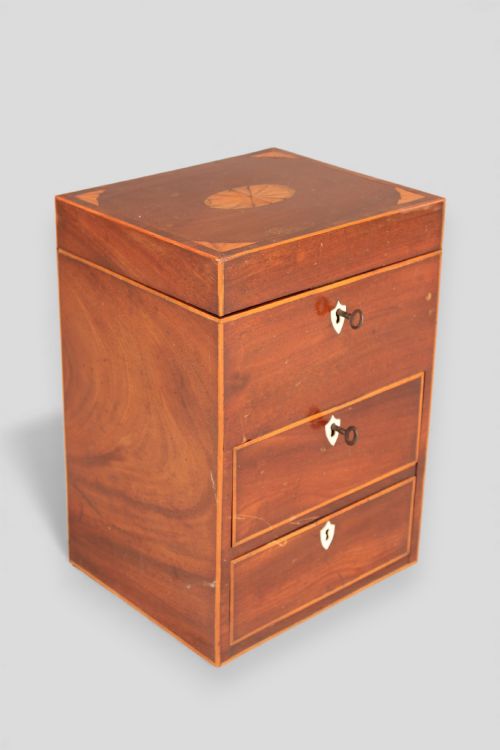
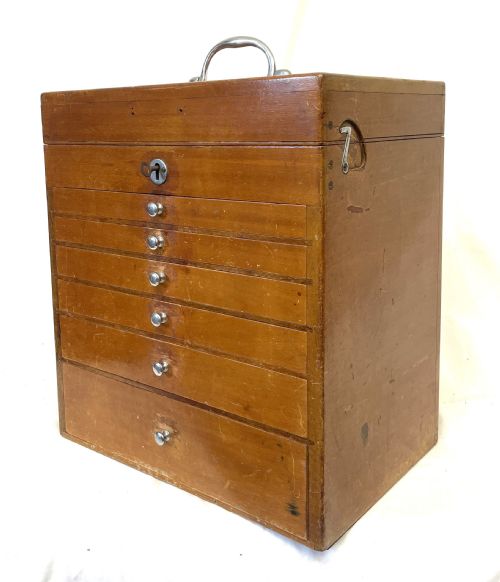
A vintage medical cabinet serves as a direct link to historical clinical practice, incorporating apothecary chests, dentist storage units, and pharmacy banks of drawers. Buyers searching for a vintage medical cabinet find pieces that range from small mahogany tabletop boxes to large pine and metal cupboards.
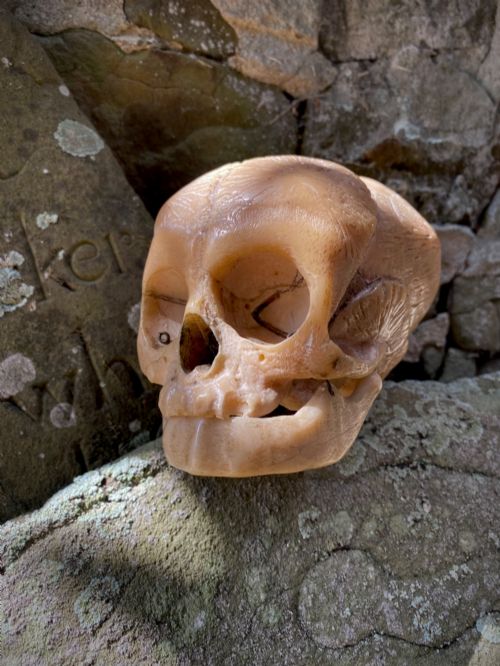
The selections span multiple eras, including Georgian, Victorian, and early twentieth-century designs. Most examples encountered on this page function as specialised storage or display pieces for instruments, bottles, and anatomical specimens.
Forms vary from tabletop apothecary boxes with fitted compartments to freestanding floor cabinets and wall-mounted cupboards. These utilitarian objects now appeal to collectors and interior decorators seeking industrial or scientific character.
Materials and construction
Cabinet makers utilised dense hardwoods such as mahogany and burr walnut for portable apothecary boxes and refined dentist units, frequently adding brass fittings and locks. Pine and plain wood served for larger utilitarian storage furniture and workshop cupboards.
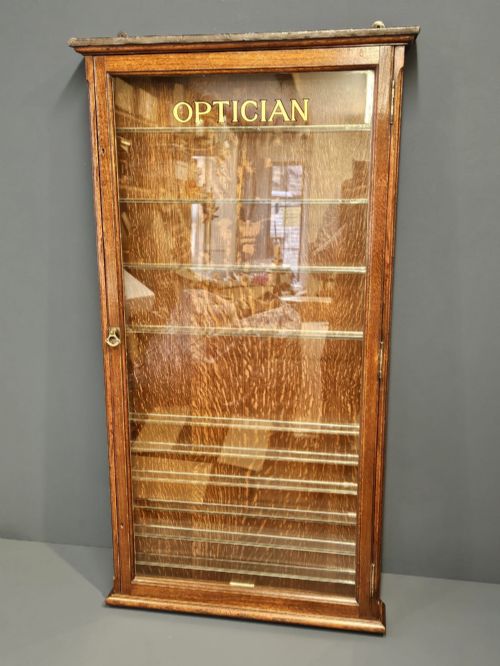
Glazed doors and fitted interior compartments allowed practitioners to view and organise delicate glass bottles, test lenses, and surgical instruments securely. Metal construction appears in later twentieth-century pieces designed for clinical sterility and heavy daily use.
Vintage Medical Cabinet Retail Price Guide 2026
Typical asking prices for vintage medical cabinet among the pieces listed under this phrase on Sellingantiques today, from the lower quarter to the upper quarter. They describe what is for sale here now, not the wider market.
Listings span from the eighteenth century to the 1940s, featuring wood, glass, brass, paper, bone, and metal materials.
What separates the finest examples
Quality rests on the completeness of original internal fittings, such as intact glass bottles, original stoppers, and untouched instrument trays. Pieces retaining their fitted key mechanisms and original polished wood surfaces stand apart from heavily altered examples.
Fine craftsmanship shows in the precision of dovetailed drawer construction, the selection of figured mahogany or burr walnut veneers, and the survival of original painted finishes or labels.
The Vintage Medical Cabinet Glossary
- Apothecary box
- A portable wooden chest fitted with internal compartments designed to hold glass medicine bottles, scales, and compounding ingredients. These boxes were used by travelling doctors and home practitioners.
- Burr walnut
- A highly figured wood veneer taken from the burl growth of a walnut tree, prized for its swirling grain patterns on Victorian dentist and medical cabinets.
- Optician test kit
- A specialised wooden case containing precision glass lenses and frames used by nineteenth-century optometrists for sight examinations.
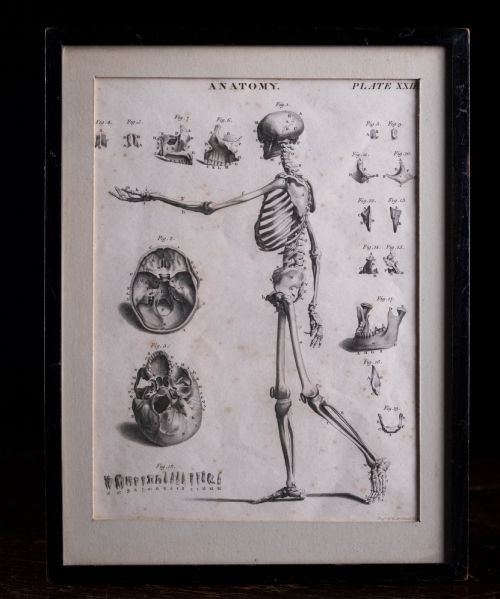
- Anatomical model
- A three-dimensional representation of human or animal anatomy, constructed in materials like wax or papier-mache for medical education and demonstration.
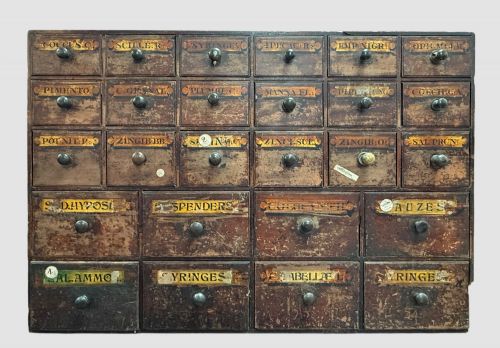
- Bank of drawers
- A multiple-drawer storage unit built for pharmacies and chemists to organise powders, pills, and botanical ingredients.
Vintage Medical Cabinet: Frequently Asked Questions
What is a vintage medical cabinet used for?
These cabinets originally stored medicines, surgical instruments, dentist tools, and optical test lenses in professional practices.
Today, collectors use them in homes to display curiosities, store glassware, or serve as striking bathroom and kitchen storage.
How do I identify a Victorian medical cabinet?
Victorian pieces frequently feature rich hardwoods like mahogany and burr walnut, hand-cut dovetail joints, and heavy brass hardware.
They often include fitted internal racks designed specifically for nineteenth-century apothecary bottles and instruments.
Are apothecary boxes complete with bottles?
Many surviving apothecary boxes retain their original glass bottles and stoppers, though completeness varies significantly across individual pieces.
Listings specify whether bottles, scales, or instruments remain inside the fitted compartments.
How should I clean a wooden medical cabinet?
Clean wooden surfaces gently with a soft, dry cloth to remove dust without damaging aged polishes or original patination.
Avoid harsh chemical cleaners that can strip historic finishes or damage delicate paper labels and painted elements.