
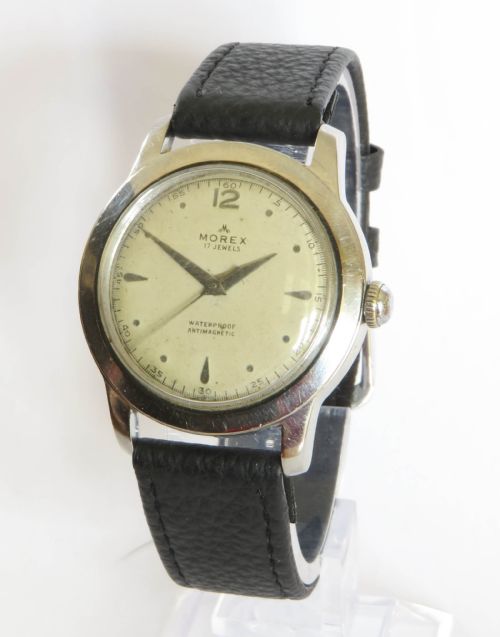
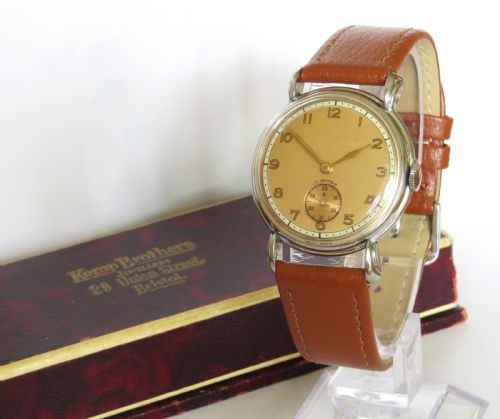
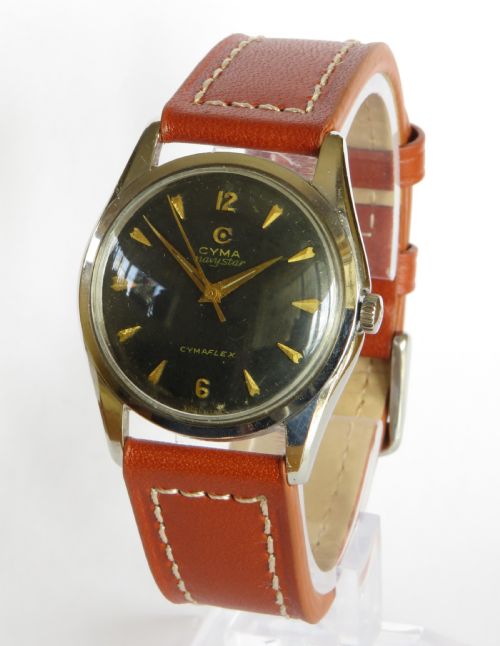
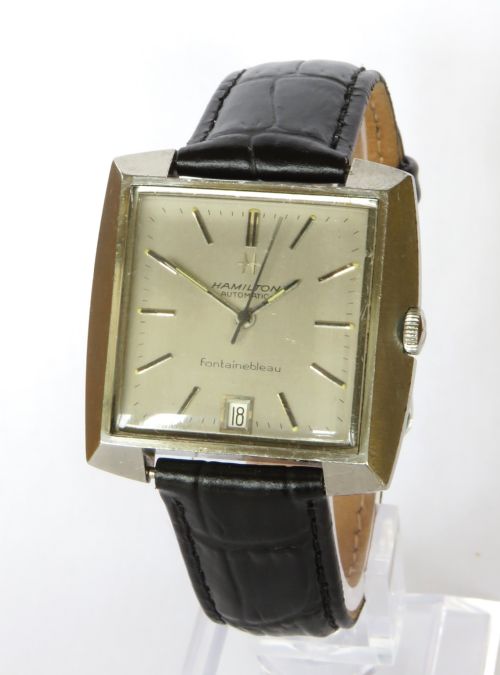
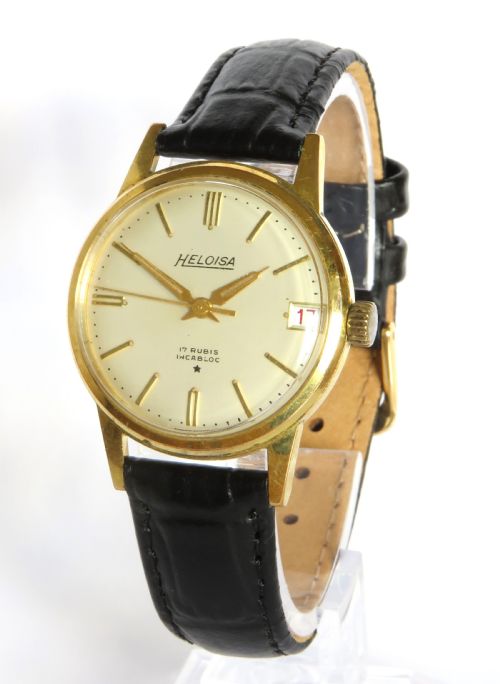
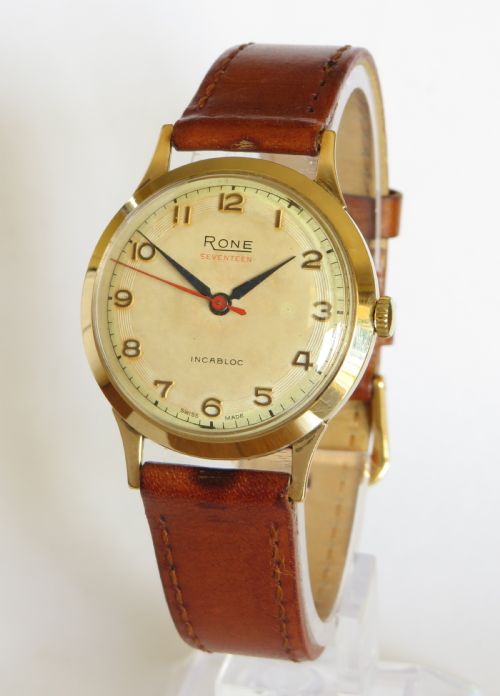
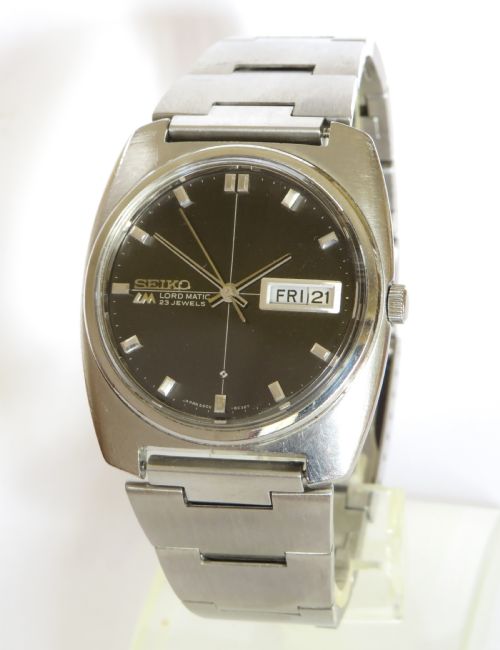
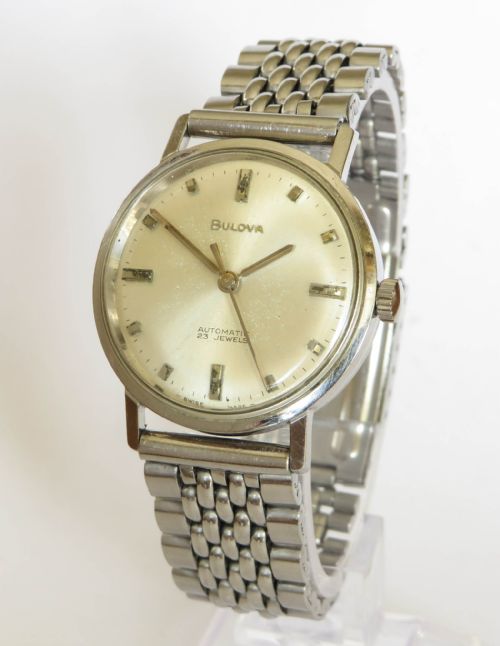
Vintage Mechanical Gents Watch
A vintage mechanical gents watch brings proper hand-wound or automatic timekeeping to the wrist, offering lasting mechanical craft from decades past.
Vintage Mechanical Gents Watch
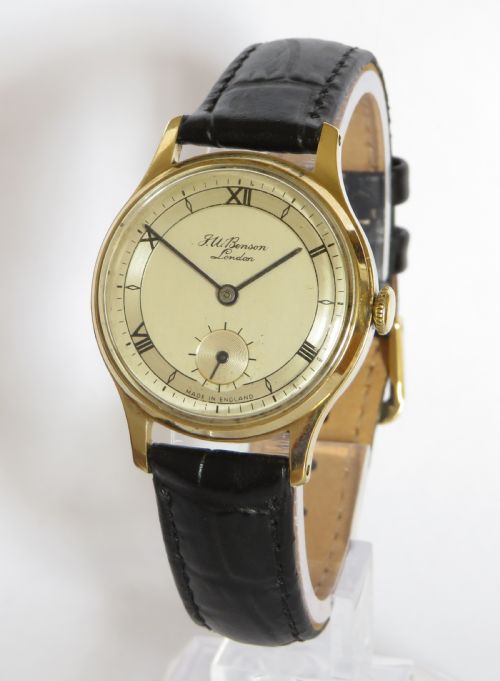
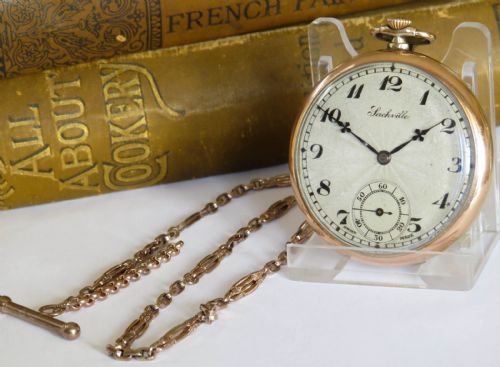
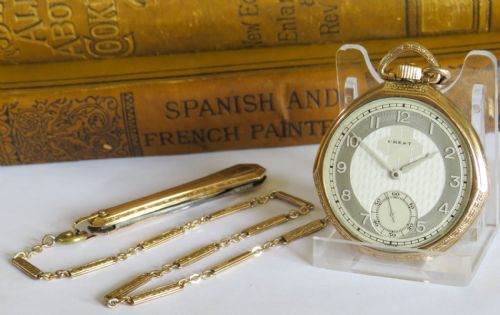
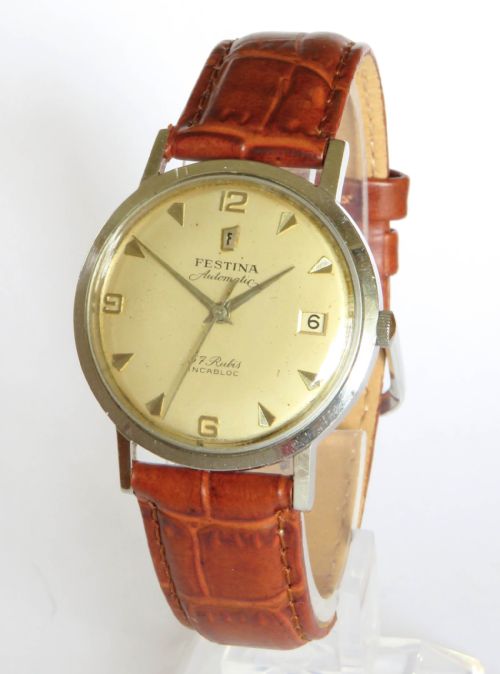
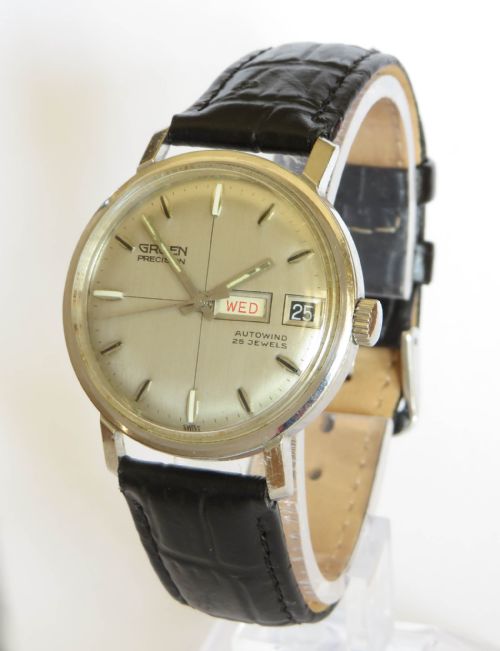
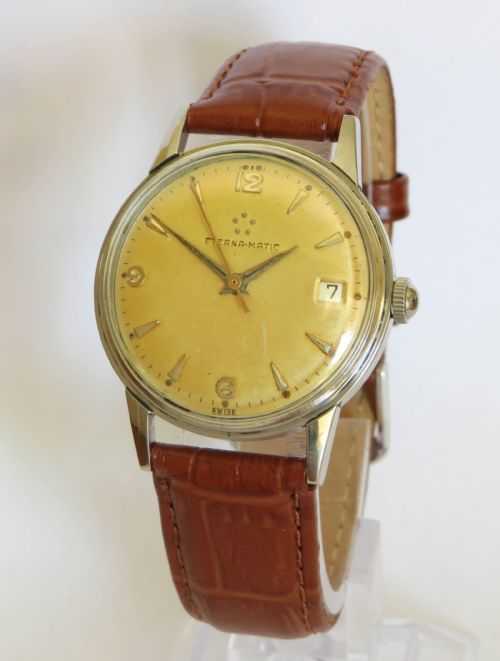
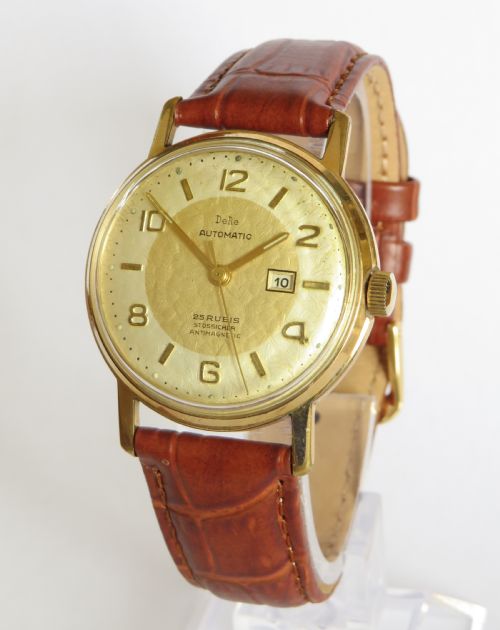
When searching for a vintage mechanical gents watch, buyers encounter wristwatches and pocket watches spanning from Victorian times through the 1970s. The most common examples on this page date from the 1950s and 1960s, reflecting mid-century design and traditional movement building.
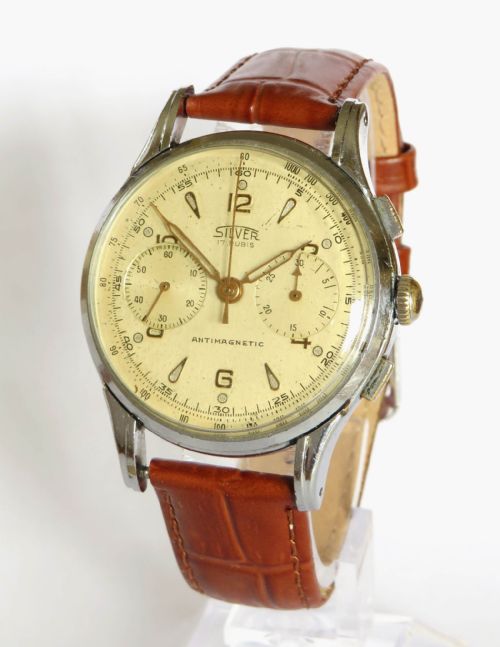
The selection ranges from simple everyday timepieces to specialised chronographs, calendar watches, and military-issued tank watches. These pieces represent various regional styles, including Swiss production, British manufacture, and Mid-Century Modern aesthetics.
Materials and construction
Cases combine metals such as stainless steel, chrome, gold plate, and solid nine-carat gold, paired with glass or acrylic crystals to protect the dial. Dials frequently feature applied enamel details and metal markers, while straps rely on leather.
Movements depend on intricate mechanical gear trains powered by mainsprings, requiring manual winding or automatic self-winding rotors to drive the hands.
Current listings span multiple decades, incorporating pieces from the Victorian era through the 1970s alongside materials such as leather, stainless steel, gold plate, and enamel.
Assessing quality in mechanical timepieces
Quality rests in the precision and finishing of the movement inside, where jewelled bearings and adjusted escapements separate basic calibres from high-grade manufacturer calibres. The integrity of the dial print, case geometry, and signed components also determine the standard of an individual piece.
Execution of the case materials matters greatly, distinguishing solid precious metal or robust stainless steel housings from simpler plated metals that show heavier wear over time.
Omega·Smiths·Cyma·Hamilton·Seiko·Tissot·Longines
The Vintage Mechanical Gents Watch Glossary
- Automatic
- A self-winding mechanical movement that uses an internal weighted rotor to wind the mainspring from the natural motion of the wearer's wrist.
- Chronograph
- A watch equipped with a stopwatch function alongside its primary timekeeping display, often operated via pushers on the side of the case.
- Calibre
- The specific manufacturer's designation for a particular watch movement design.
- Acrylic
- A lightweight transparent plastic material utilised for watch crystals prior to the widespread adoption of synthetic sapphire and mineral glass.
- Escapement
- The internal mechanism that controls the release of power from the mainspring to give the watch its regular ticking motion.
Vintage Mechanical Gents Watch: Frequently Asked Questions
How do I wind a mechanical watch?
Wind the crown clockwise between your thumb and forefinger until you feel gentle resistance. Stop turning immediately once the spring feels tight to avoid damaging the internal mechanism.
For automatic models, normal daily wear keeps the mainspring tensioned, though manual winding can jump-start the movement if the watch has been stationary for a period.
Can I wear my vintage watch daily?
Many of these pieces were built for everyday utility and handle regular wear well when properly maintained. Sensible care involves keeping them away from water unless specifically designated as water-resistant.
Storing the watch safely and having a horologist service the movement periodically ensures dependable timekeeping for daily use.
How do I know the decade of a watch?
Stylistic cues such as dial typography, case shapes, and lug designs provide strong initial indicators of a watch's production era. Mid-century pieces often feature clean minimalist lines, while earlier decades show distinct cushion cases or ornate pocket watch borders.
Opening the case back to examine movement serial numbers allows for more precise dating against manufacturer production records.
What is the difference between manual and automatic?
Manual-wind watches rely entirely on the user turning the crown by hand to tension the mainspring daily. They feature slimmer case profiles because they lack the internal rotor weight found in self-winding designs.
Automatic watches incorporate an oscillating weight that pivots with arm movements, automatically winding the mainspring throughout the day as long as the piece is worn.