

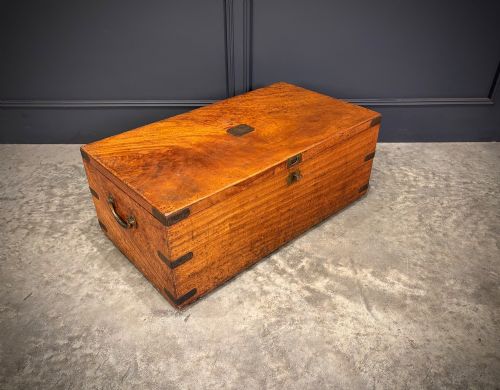


Vintage Maritime Trunk
A vintage maritime trunk brings the substance of nineteenth-century travel home, offering robust timber storage built for the sea.
Vintage Maritime Trunk
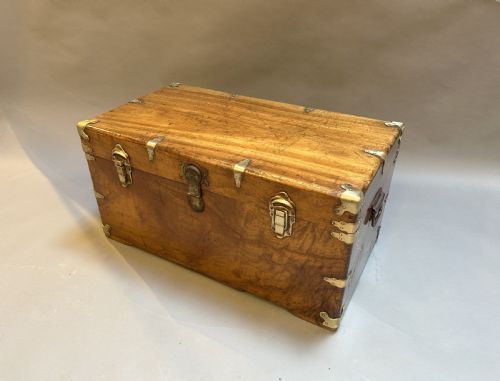
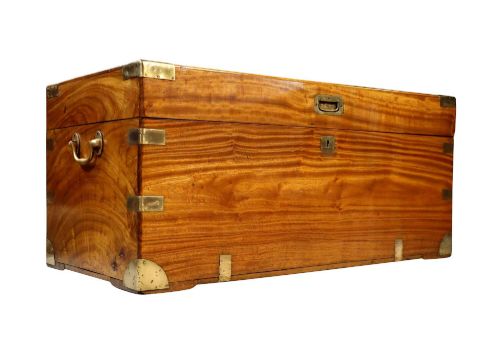
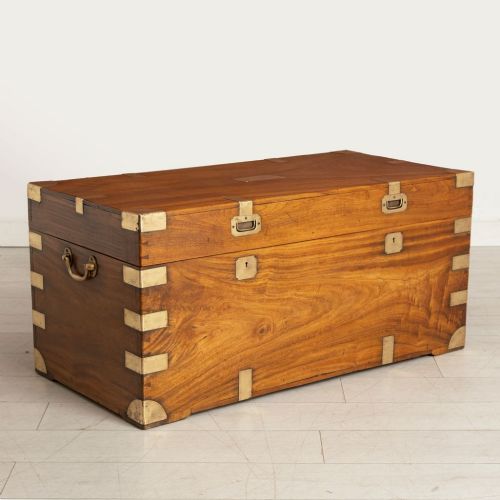
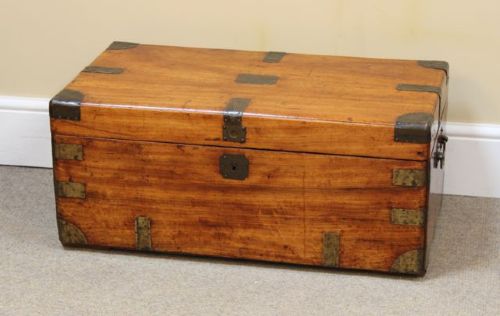
A vintage maritime trunk is a sturdy chest originally designed for travel at sea or overland service by officers and merchants. These pieces provide deep storage while carrying the history of nineteenth-century voyages in their timber and metalwork.
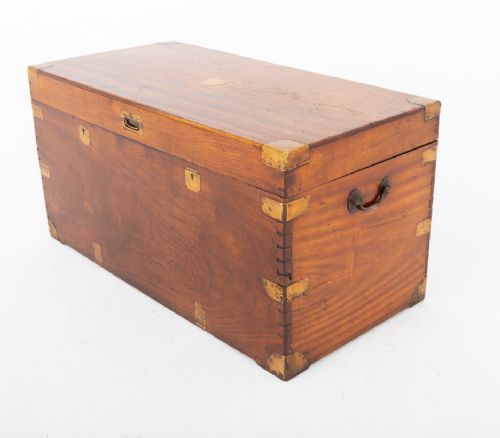
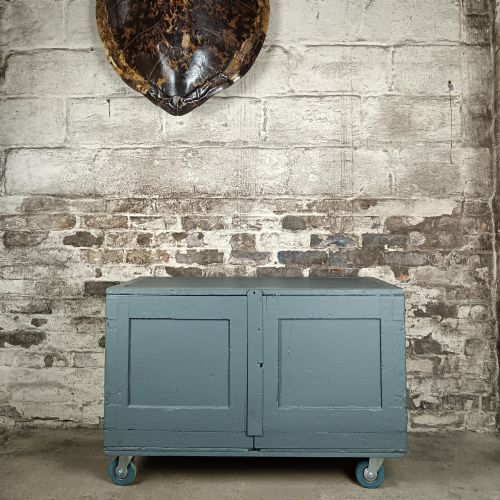
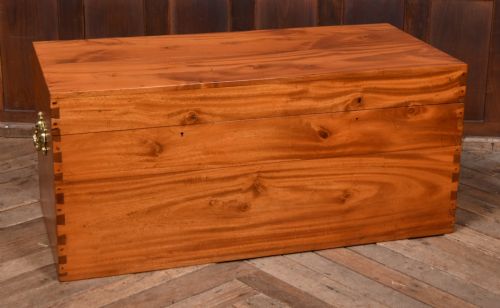
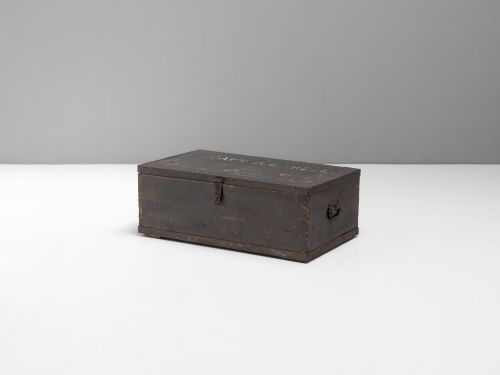
Camphor wood and teak form the backbone of these pieces, alongside pine and hardwood variants. You will frequently encounter brass-bound campaign styles and painted pine seaman chests from the Victorian era and the early twentieth century.
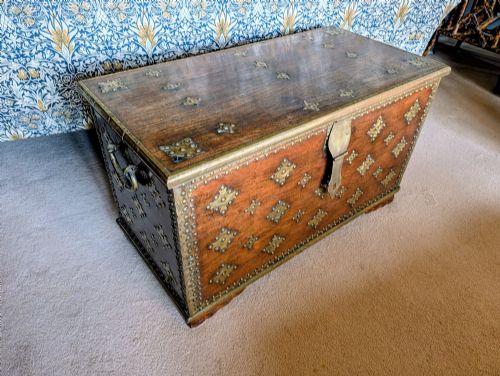
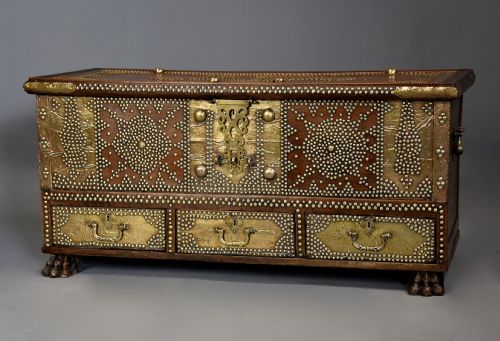
The selection ranges from low campaign chests to large merchants trunks and brass-studded Zanzibar boxes. Each form reflects the specific demands of colonial transport or shipboard life.
How they were made
Carpenters constructed these trunks from durable tropical timbers like camphor wood and teak, which resisted humidity and insects during long voyages. Pine served for painted maritime boxes, while hardwood and padouk appeared in specialised merchant pieces.
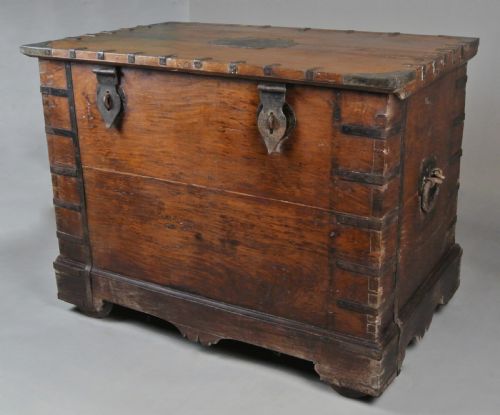
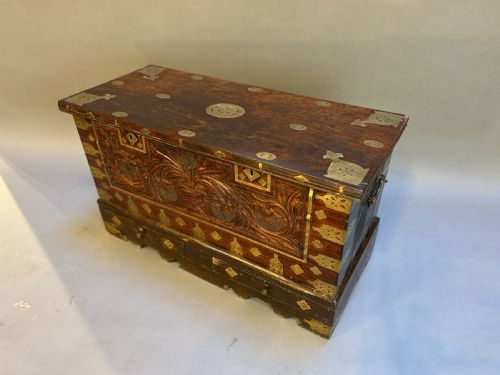
Metal reinforcement was essential for survival on the move, leading makers to bind corners and edges with heavy brass or iron strips. Brass stud decoration and fitted locks added both structural security and a decorative finish to campaign and trading chests.
Listings span the nineteenth century through the 1930s, featuring materials such as camphor wood, teak, pine, brass, and iron.
What varies in quality
Quality rests in the integrity of the timber selection and the precision of the metal mounts. Finer examples display tightly fitted brass binding, original carrying handles, and intact internal compartments rather than later replacements.
The sophistication of the exterior finish marks the difference between standard utilitarian gear and high-end commissioned pieces. Hand-painted decoration, elaborate brass stud work, and superior joinery separate exceptional traders chests from simple travel boxes.
The Vintage Maritime Trunk Glossary
- Campaign trunk
- A portable chest designed for military officers on the move, featuring recessed brass handles and reinforced corners for easy transport.
- Zanzibar chest
- An ornate trading chest characterised by heavy brass studwork, straps, and intricate plating.
- Camphor wood
- An aromatic timber prized for campaign furniture because its scent naturally deters insects.
- Seaman chest
- A utilitarian storage box used by sailors to hold personal belongings aboard ship, often painted or inscribed.
- Brass bound
- A method of reinforcing box edges and corners with metal strips to withstand rough handling during travel.
Vintage Maritime Trunk: Frequently Asked Questions
What are vintage maritime trunks made from?
These trunks primarily utilise dense timbers such as camphor wood and teak, which withstood harsh shipboard conditions. Pine and general hardwood also appear, particularly on painted coastal and merchant boxes.
Metal components like brass and iron provide structural reinforcement along the corners and edges. This combination of sturdy wood and metal hardware ensured the contents survived long journeys.
How were maritime trunks used originally?
Officers and travellers used these chests to transport uniforms, documents, and personal possessions during military campaigns or sea voyages. Their robust construction allowed them to be stacked in ships holds or strapped to pack animals.
Many functioned as desks or temporary tables while in camp, combining storage with practical utility. Merchant variants also carried valuable trade goods across global shipping routes.
How do I care for a camphor wood trunk?
Keep the timber away from direct heat sources and sudden humidity changes to prevent the wood from splitting. Dust the surface gently with a dry cloth and avoid harsh chemical polishes that might damage the original finish.
The natural aromatic oils in the wood require little maintenance, though gentle cleaning helps preserve the brass fittings. Ensuring proper airflow around the chest keeps the vintage material stable.
How can I tell the period of a trunk?
Dating relies on examining the construction methods, materials, and hardware styles. Nineteenth-century examples often feature hand-cut dovetails and heavy brass binding associated with campaign use.
Later Victorian and early twentieth-century pieces show shifts in paintwork, lock mechanisms, and timber availability. Comparing the specific handle style and reinforcement pattern helps clarify the era of manufacture.