




Colonial Camphor Box
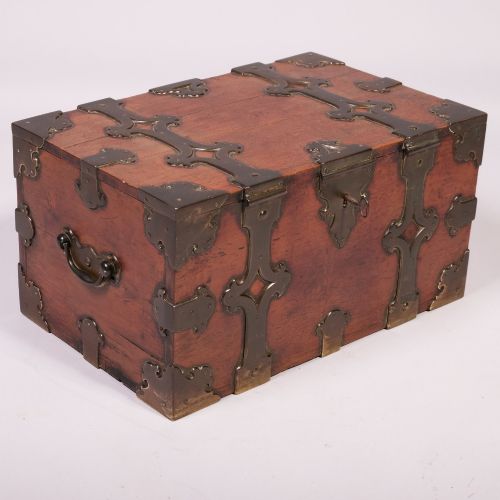
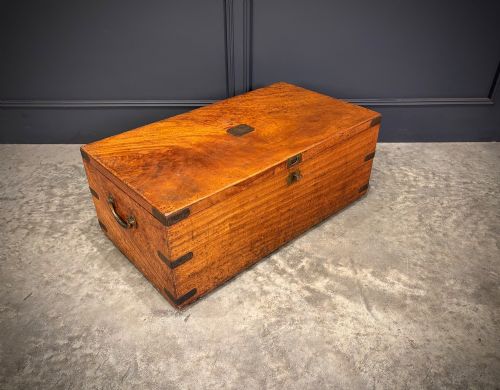
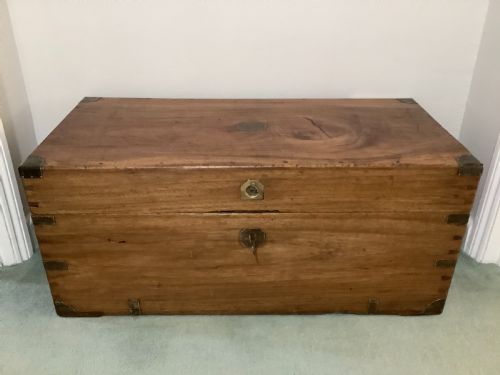
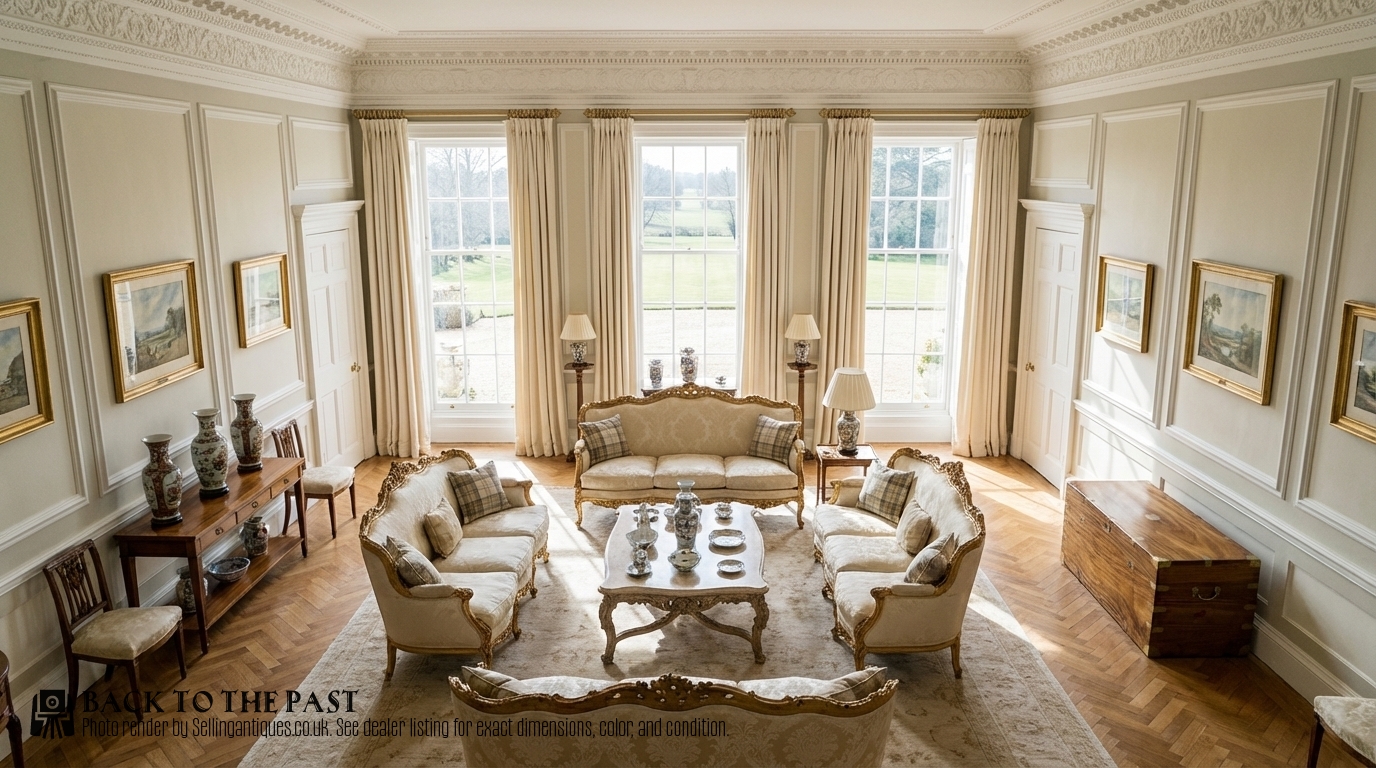
A colonial camphor box brings scented timber and brass-bound resilience into a room, offering practical storage with a distinct travel history.
Colonial Camphor Box
A colonial camphor box serves as a robust storage solution, encompassing large trunks, blanket chests, and compact writing slopes designed for transport. The pieces seen on this page span the eighteenth, nineteenth, and early twentieth centuries, reflecting extended periods of military and trade movement.
Most examples appearing here belong to the nineteenth century, including Victorian campaign styles and China Trade productions. These items range from simple blanket boxes to fitted writing desks with internal compartments.
Originating from diverse outposts, these boxes combine regional timber selection with sturdy hardware suited for long voyages. Buyers encounter variations in scale, from small caskets to substantial storage chests.
Materials and construction methods
Makers utilised aromatic camphor wood or camphorwood for the primary carcase, taking advantage of its natural resistance to insects. This timber is frequently paired with contrasting dense woods such as ebony.
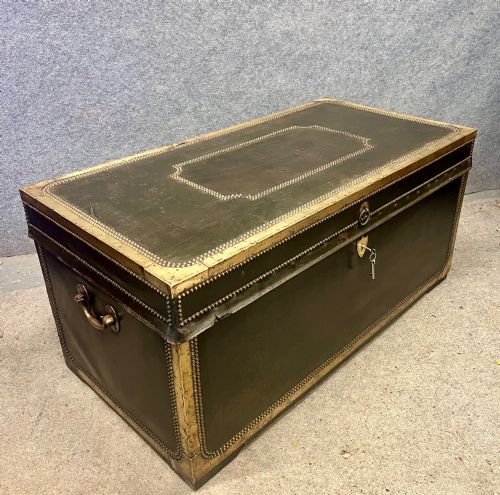
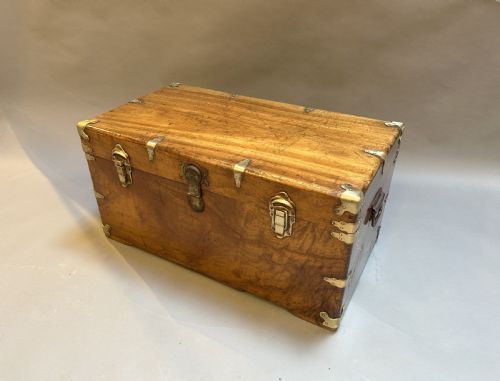
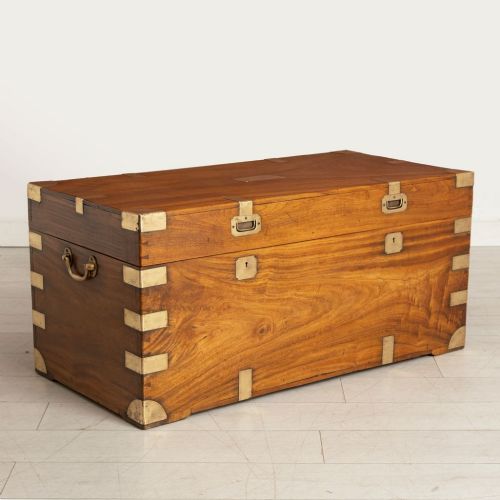
Metal reinforcement was essential for travel, resulting in brass bound corners, strapwork, and recessed carrying handles. Leather covering also appears on specific Regency and nineteenth-century examples alongside iron fittings.
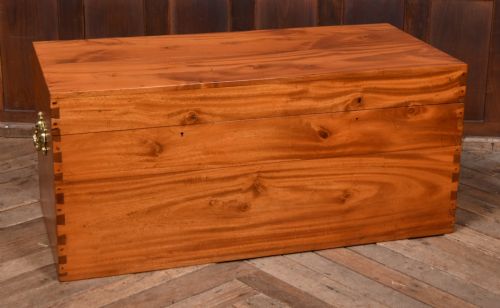
Joinery had to withstand extreme climates, leading to tightly fitted lids and sturdy corner brackets secured with numerous small brass screws or pins.
Opening an antique camphor chest often releases a lingering scent of spice that has survived undisturbed inside the wood for over a century.
Distinguishing quality across pieces
The sophistication of the internal layout distinguishes simpler blanket boxes from elaborate fitted writing slopes and metamorphic desks. Superior examples include numerous small drawers, secret compartments, and roll-top mechanisms.
The integrity of the original hardware creates a clear division, with heavy cast brass mounts and matching locks indicating higher production standards. Retaining original leather coverings and fitted interiors further elevates an item's standing.
The Colonial Camphor Box Glossary
- Campaign trunk
- A portable chest built in sections or fitted with carrying handles for military or travel use. These items are designed to withstand frequent transit.
- China Trade
- Goods manufactured in China during the eighteenth and nineteenth centuries specifically for export to Western markets. These pieces often blend Eastern materials with Western furniture forms.
- Metamorphic
- Describing furniture that transforms from one form to another, such as a box opening into a writing desk. Such designs demonstrate complex internal engineering.
- Brass bound
- Furniture reinforced with brass corners and straps to protect edges from impact during shipping. This technique provides both structural strength and decorative contrast.
Colonial Camphor Box: Frequently Asked Questions
What were camphor boxes used for?
These boxes primarily stored uniforms, documents, and personal valuables during long sea voyages and military deployments. The aromatic nature of the wood protected textiles from moths and damp conditions.
Over time, smaller versions like writing slopes functioned portable desks for officers and merchants working in distant territories.
How do I care for camphor wood?
Keep the wood away from direct heat sources and sudden humidity changes to prevent the timber from splitting. Regular dusting with a dry cloth maintains the surface finish.
Applying mild beeswax occasionally helps nourish the grain without masking the natural scent of the timber.
Are all these boxes from the Victorian era?
While the majority date from the nineteenth century and Victorian period, the selection includes earlier eighteenth-century caskets and twentieth-century steamer trunks. Dating relies on construction methods and brass hardware styles.
Items span several decades of production under various British colonial influences.
Why is the wood aromatic?
Camphor wood naturally contains essential oils that produce a distinct, pungent fragrance. This scent remains active within the timber for generations.
The aroma served a practical purpose in historical trading posts by deterring insects from damaging stored paper and cloth.