


Vintage Marine Wall Art
Vintage marine wall art captures centuries of maritime heritage through paintings, watercolours and dioramas.
Vintage Marine Wall Art
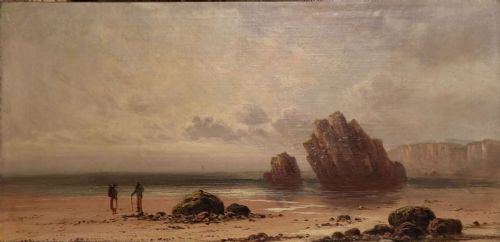
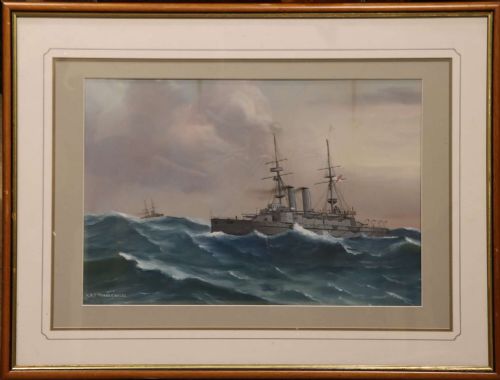
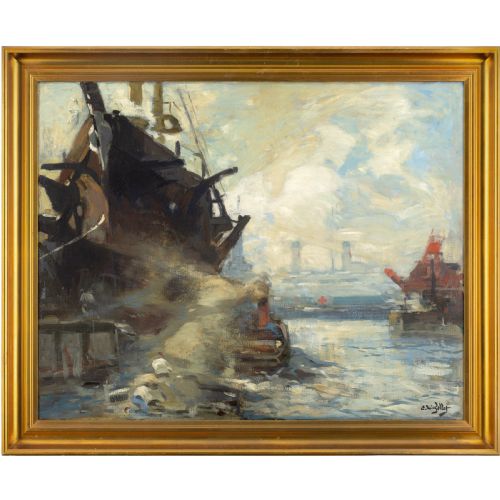
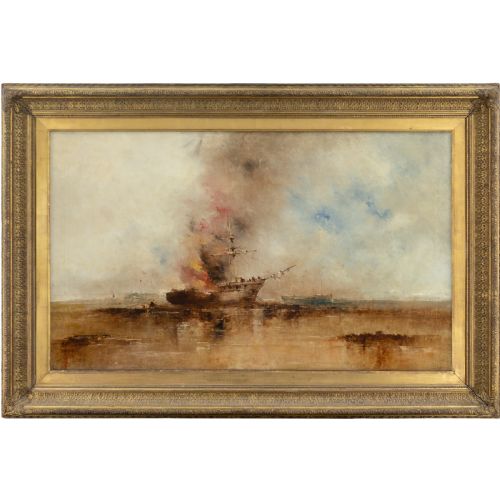
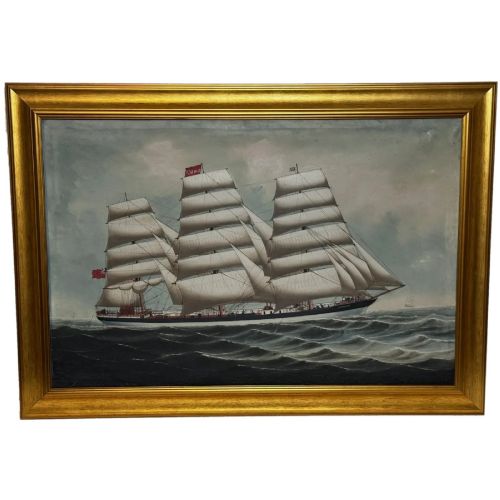
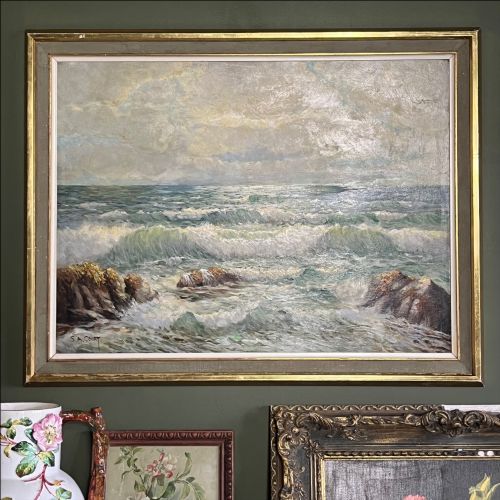
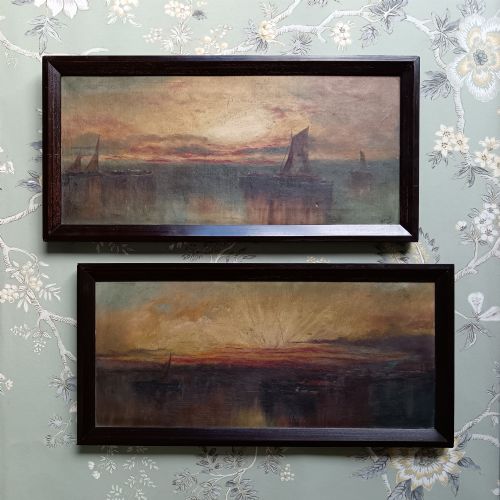
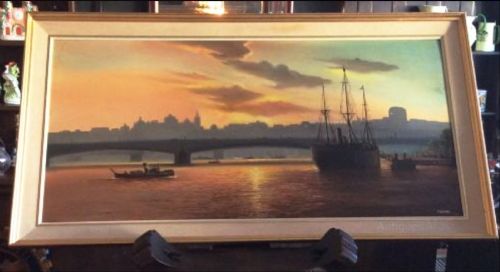
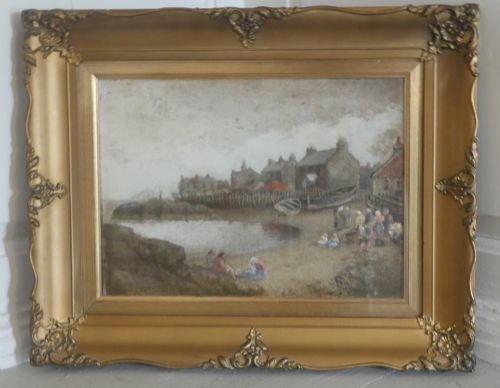
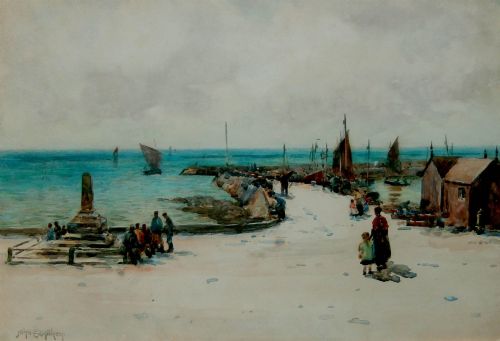
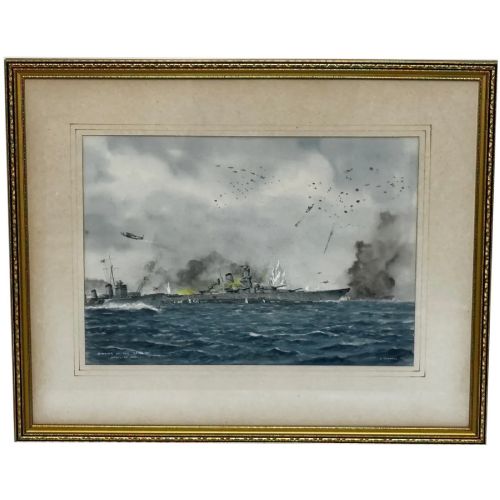
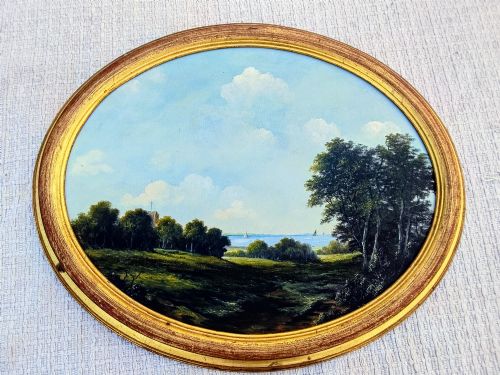
Vintage marine wall art covers framed depictions of ships, harbours, coastal landscapes and naval engagements. When exploring this selection, buyers encounter works spanning from the nineteenth century through the mid twentieth century. These pieces record commercial shipping, historical vessels and coastal scenes in various painting and drawing mediums.
The most frequent pieces on this page are oil paintings and watercolours on canvas, board or paper. Subjects range from tranquil estuary anchorages to dramatic storm scenes and busy commercial ports. Artists documented maritime life across Britain and continental Europe during distinct periods of industrial and nautical transformation.
Materials and construction methods
Artists created these works using oil paint, watercolour, gouache and pencil applied to canvas, wood panels, paper and board. Oil on canvas and oil on board dominate the selection, often housed within period gilt frames. Watercolours and etchings provide finer linear detail on paper supports, sometimes accompanied by gouache highlights.
Listings feature works spanning the nineteenth, Edwardian, and mid-twentieth centuries, utilising oil, watercolour, and gouache.
Factors influencing execution and appeal
Quality in these maritime works rests upon the artist's command of light, atmosphere and vessel anatomy. Superior examples demonstrate precise rigging, accurate hull proportions and convincing movement of water under varying weather conditions. Weaker works often present static compositions and generalized forms lacking observational depth.
The preservation of the medium and the integrity of the original frame contribute significantly to the piece. Canvas tension, pigment stability and the absence of extensive overpainting distinguish exceptional survivals. Signed works by documented painters generally display greater technical assurance and documentary context.
Kenneth Cozens·Eugène-Louis Gillot·William McAlpine·John E. Aitken·Eric Tufnell·William Banks Fortescue·Bernard Gribble·William Lionel Wyllie·Clive Browne·Peter Brannan·Willem Bos·Nicholas Condy·Abraham Hulk I·George Stanfield Walters·William Frederick Settle
The Vintage Marine Wall Art Glossary
- Diorama
- A three-dimensional display housed behind glass containing a model ship set against a painted background. These constructions create a realistic perspective of vessels at sea.
- Impasto
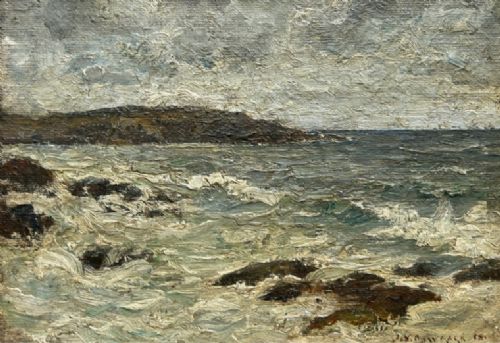
- A painting technique where paint is laid down in thick areas, creating texture that stands out from the surface. This method frequently depicts rough seas and foaming water.
- Gouache
- An opaque water-based paint method producing bright matte colour surfaces. Artists utilised this medium on paper and board for sharp nautical details.
- Etching
- A printmaking process where lines are incised into a metal plate using acid before being printed onto paper. Signed artist proofs represent fine printmaking quality.
- Provenance
- The documented history of ownership associated with an artwork. Clear attribution to a known maritime painter enhances historical value.
Vintage Marine Wall Art: Frequently Asked Questions
What subjects appear in marine wall art?
These works depict sailing ships, steamships, naval battles, harbours, and coastal landscapes. Artists recorded specific vessels as well as general maritime scenes from British and European ports.
Subjects range from calm river estuaries to stormy seas and busy commercial shipping lanes during wartime and peacetime.
How do I date a marine painting?
Dating relies on the ship types depicted, artist signatures, framing styles, and material supports. Wooden panels and specific canvas preparations often indicate nineteenth-century origins, while mid-twentieth-century pieces reflect later modernist techniques.
Clothing styles of figures and documented vessel launch dates provide further chronological markers for historical scenes.
How should I hang these artworks?
Marine art suits rooms with traditional or coastal interior schemes, displayed securely on stable walls away from direct sunlight. Oil paintings and watercolours require protection from excessive humidity to preserve canvas and paper supports.
Matching the weight of the frame to the wall structure ensures safe placement for heavy gilt frames and dioramas.