



Vintage Marble Top Desk
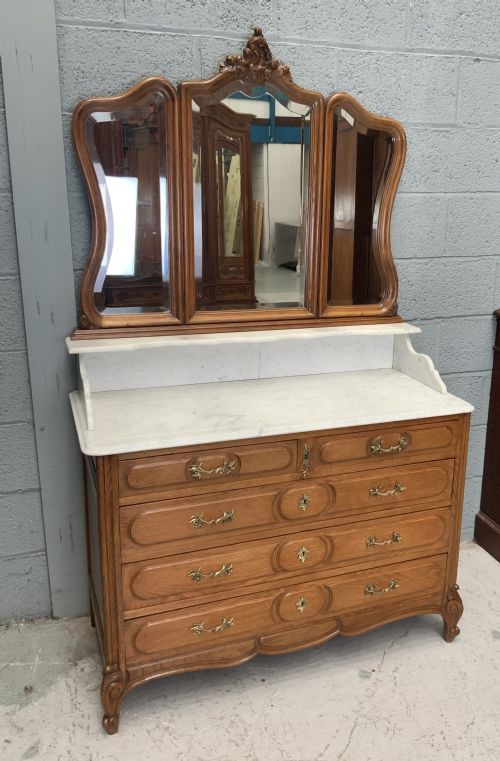
A vintage marble top desk brings substantial stone surfaces and traditional cabinetwork together into a functional workspace.
Vintage Marble Top Desk
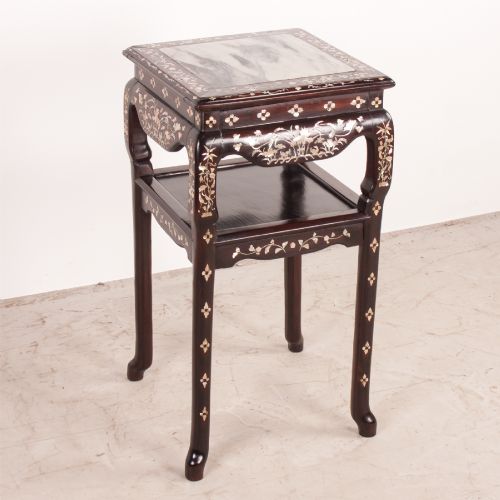
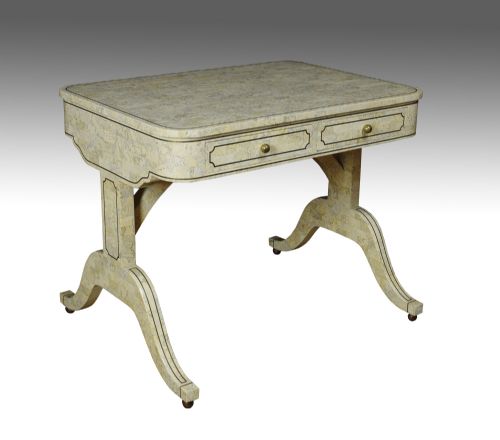
When you search for a vintage marble top desk, you encounter a variety of forms that merge heavy stone slabs with timber cabinetry. The selections on this page span several decades and styles, including nineteenth century French writing pieces and later variations.
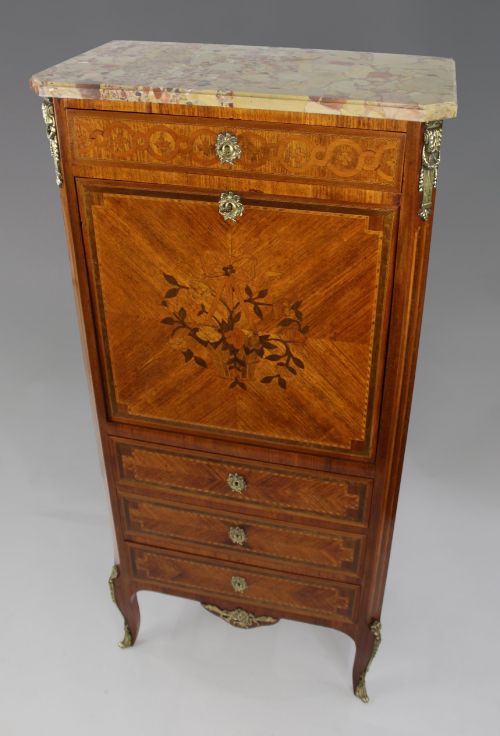
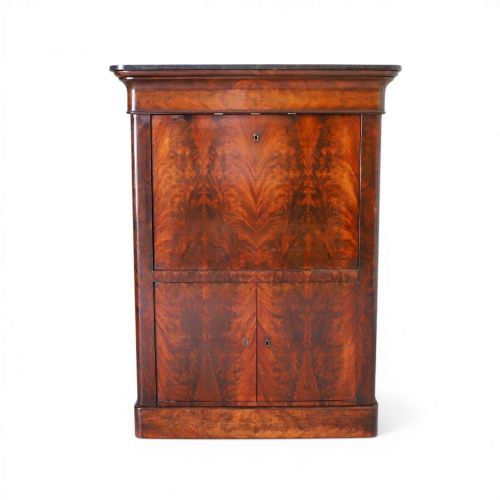
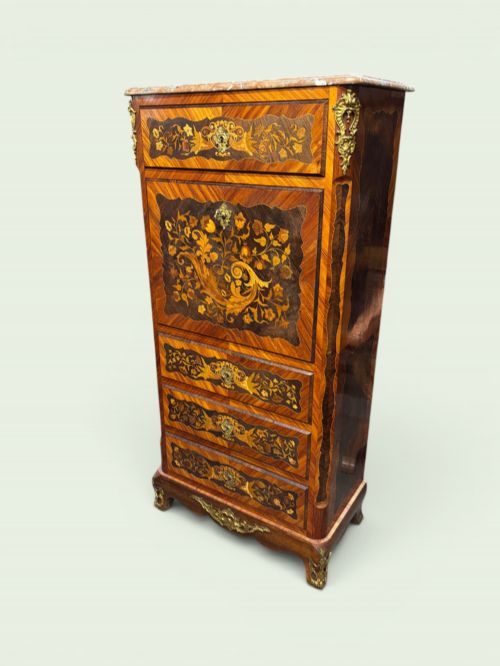
The objects listed range from formal escritoires and secretaire cabinets to dressing tables and washstands featuring inset stone slabs. French Louis XV, Empire, and Victorian styles dominate the selection, often pairing decorative wood veneers with contrasting marble tops.
Many examples incorporate fall fronts or writing flaps that conceal fitted compartments and secret drawers. These configurations provide both a durable writing surface and secure storage for correspondence and documents.
How they were made
Cabinetmakers utilised dense hardwoods such as walnut, mahogany, rosewood, kingwood, and satinwood to construct the primary frames and carcases. Marquetry and parquetry veneers frequently adorn the exterior surfaces in geometric or floral patterns.
Heavy marble slabs, including fossil varieties and plain white or coloured stone, rest directly upon the timber structures to form the upper surfaces. Ormolu mounts, brass galleries, and cast hardware provide decorative metallic accents to corners, feet, and key escutcheons.
Materials appearing across the inventory include solid oak, pine, walnut, and exotic veneers paired with fossil marble and cast brass ormolu.
What varies in quality
The standard of a piece depends heavily on the precision of the cabinetmaker's joinery and the selection of timber veneers. Finely figured burr walnut, satinwood, and intricate marquetry indicate a higher grade of manufacture than plain or unadorned surfaces.
The quality also rests in the integration of the marble top with the wooden base, alongside the weight and detail of any cast or chased ormolu mounts. Original hardware and intact interior fittings further distinguish superior examples from simpler utilitarian versions.
The Vintage Marble Top Desk Glossary
- Escritoire
- A writing cabinet or desk, usually featuring a sloping or drop-front writing surface that conceals small drawers and pigeonholes. These pieces often stand on slender legs and incorporate decorative veneers.
- Secrétaire à abattant
- A tall vertical cabinet with a hinged fall-front writing flap that drops down to create a horizontal desk surface. They frequently conceal numerous internal compartments and secret drawers behind the main flap.
- Ormolu
- Gilt bronze mounts applied to the exterior of furniture for decorative effect. The technique involves coating bronze with a finely ground gold-mercury amalgam and heating it.
- Marquetry
- The art of applying small pieces of wood veneer to a structure to form decorative patterns or pictorial scenes. Makers select contrasting timbers to achieve tonal variation without the use of paint.
- Fossil marble
- Limestone containing distinct fossil fragments that become visible when the stone is cut and polished. It provides a heavily patterned and textured surface.
Vintage Marble Top Desk: Frequently Asked Questions
How do I clean a marble top?
Wipe the stone surface regularly with a soft cloth dampened in warm water and mild neutral soap. Avoid abrasive cleaners, vinegar, and citrus substances that can etch or dull the polished finish.
Dry the marble thoroughly after washing to prevent water spots. Applying a specialist stone sealer periodically helps protect the surface from stains.
Can I use these desks daily?
These pieces function well for everyday writing and laptop use provided you protect the timber and stone from excessive moisture and heavy impacts. Distribute weight evenly across the writing surface and use pads beneath writing implements.
Ensure the fall fronts and writing slides are supported properly during use to prevent strain on the hinges and runners. Treat the antique wood surfaces with appropriate beeswax to maintain the finish.
How do I date an antique desk?
Examine the construction methods, timber types, and hardware visible within the drawers and internal compartments. Hand-cut dovetails and native secondary woods often point towards earlier nineteenth century production.
Compare the decorative vocabulary, such as Louis XV Revival or Empire motifs, with documented stylistic periods. Maker stamps, paper labels, and lock signatures can also narrow down the timeframe.
Are the marble tops removable?
Most marble slabs rest loose upon the wooden carcase under their own considerable weight, though some older pieces secure them with hidden brackets or mortar. Lifting the stone requires multiple people to avoid chipping the edges or straining the frame.
Check beneath the desk or inside the upper drawer compartment for any screws or clips before attempting to lift the marble. Re-centering the stone carefully upon its felt or wooden supports is essential during relocation.