


Vintage Marble Table
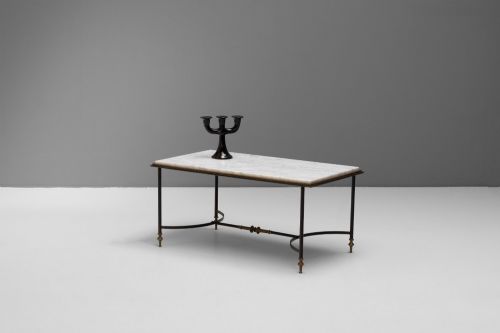
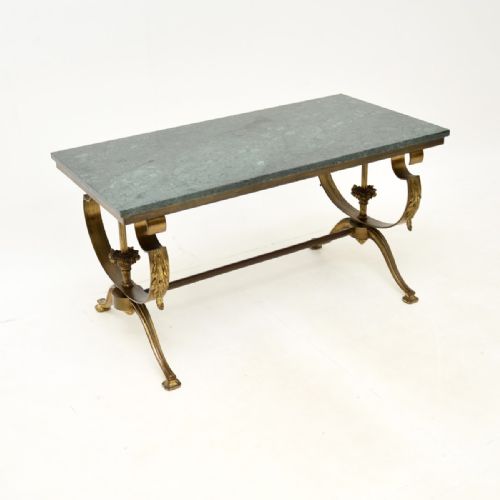
A vintage marble table brings cold, solid stone and polished timber together in forms ranging from French gueridons to low coffee tables.
Vintage Marble Table
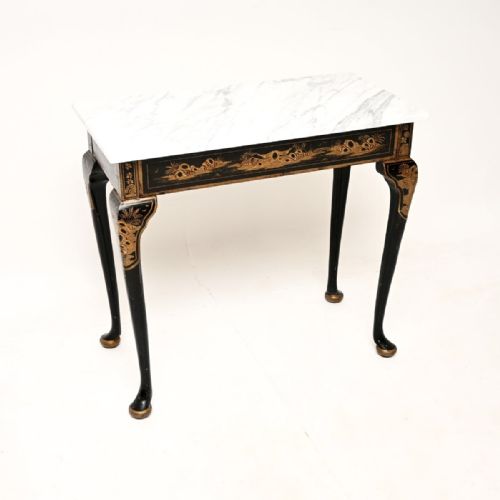
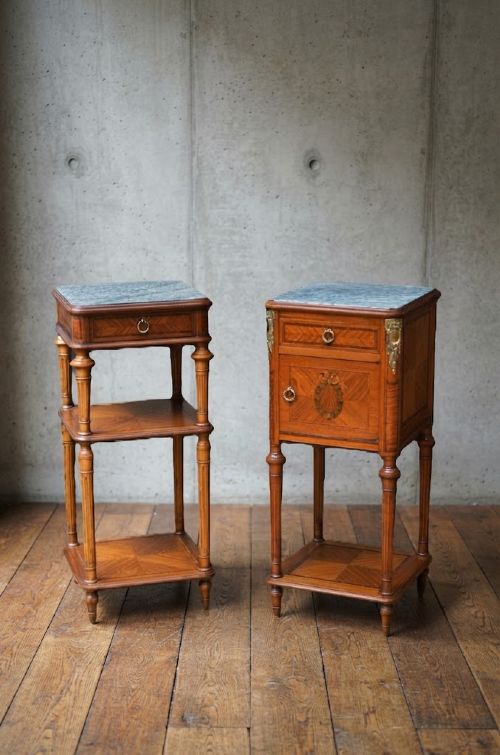
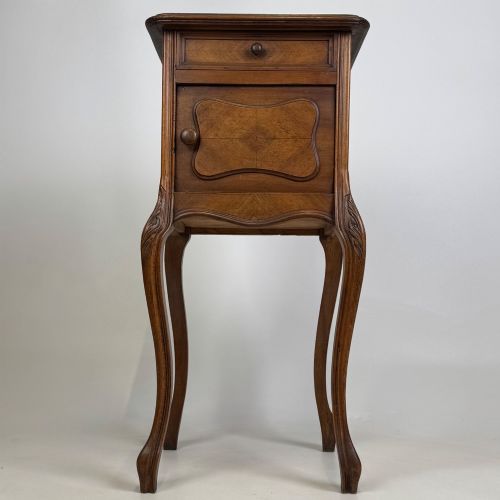
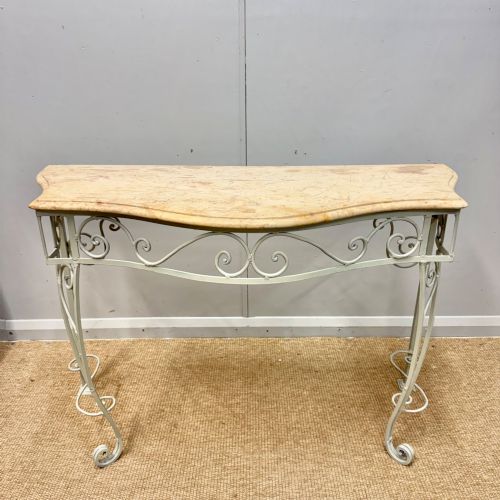
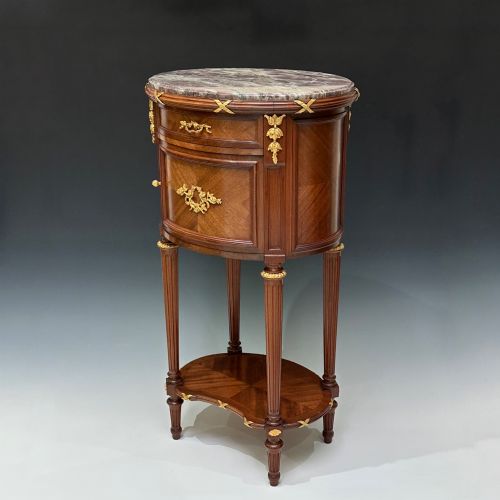
A vintage marble table encompasses a diverse group of domestic furnishings spanning the nineteenth and twentieth centuries, including the Victorian, Edwardian, and Art Deco periods. Buyers seeking a vintage marble table frequently encounter compact bedside cabinets, occasional tables, and console tables designed for hallways and reception rooms.
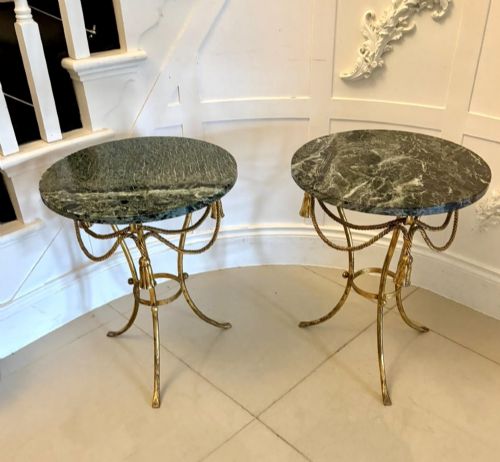
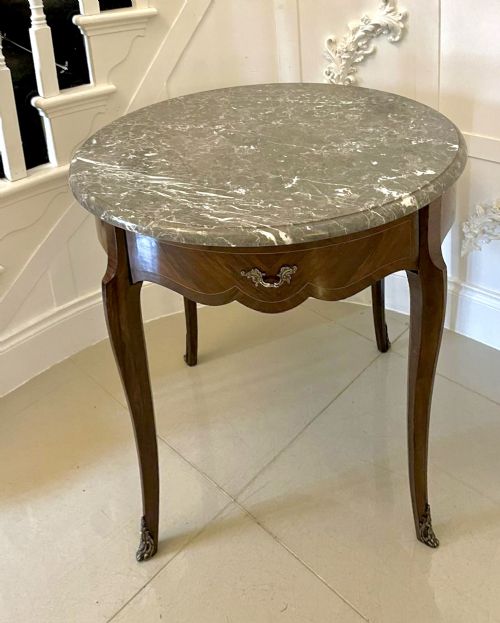
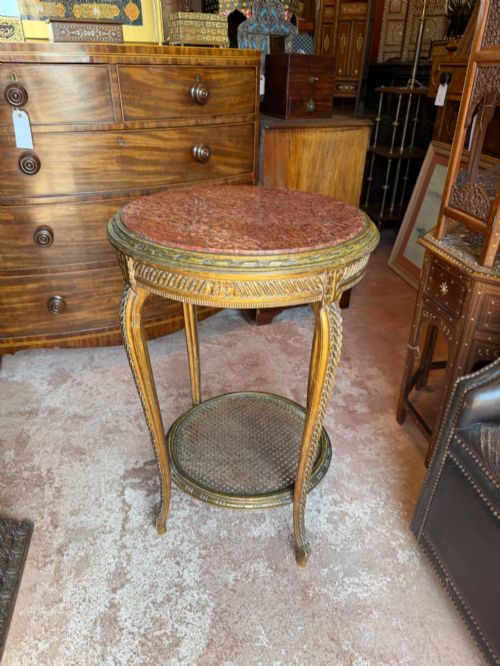
The material expression ranges from substantial French gueridons and coffee tables to smaller lamp tables and bistro sets supported by cast iron or wrought iron. Many examples originate from French workshops or Italian makers, reflecting stylistic revivals such as Louis XVI, Louis XV, and French Provincial alongside utilitarian designs.
Materials and construction
The construction relies heavily on contrasting solid and veneered timbers such as mahogany, kingwood, walnut, satinwood, and oak, which serve as foundational frames for polished stone surfaces. Marble, onyx, and alabaster tops are fitted directly into wooden rebates or secured above brass, bronze, or ormolu mounts, cast iron, and wrought iron structures.
Joinery techniques span traditional cabinetmaking with marquetry and parquetry inlays to robust metalwork frameworks utilising cast iron bases and brass lion paw feet. Surfaces are finished with French polish or lacquered treatments, while decorative elements incorporate gilded brass details, mother of pearl inlay, and hand-carved polychrome woodwork.
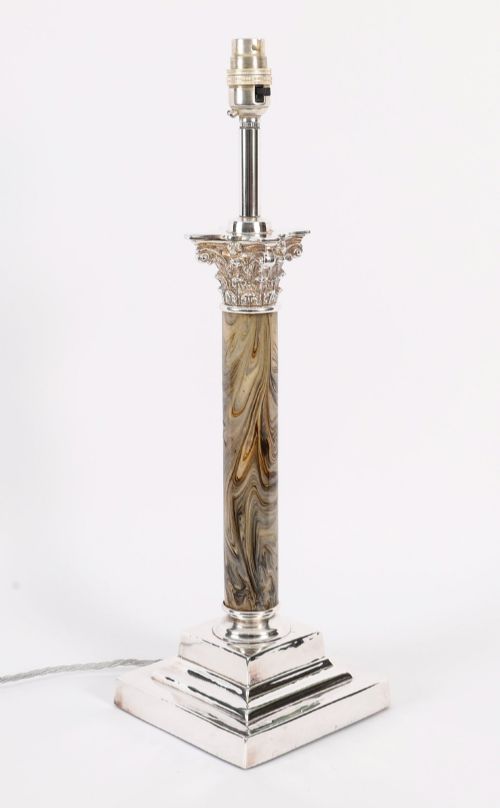
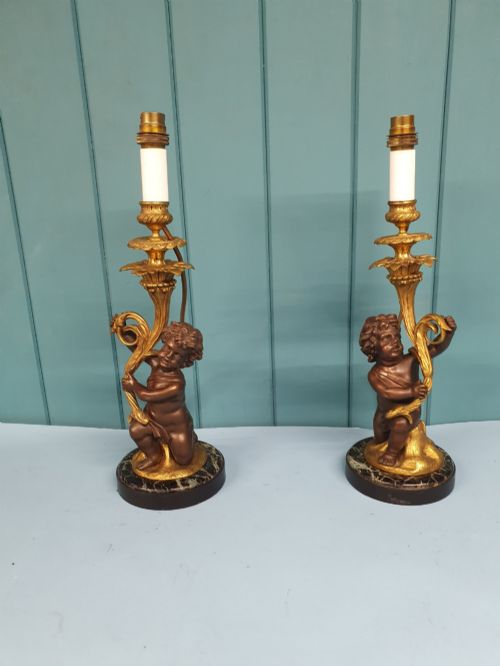
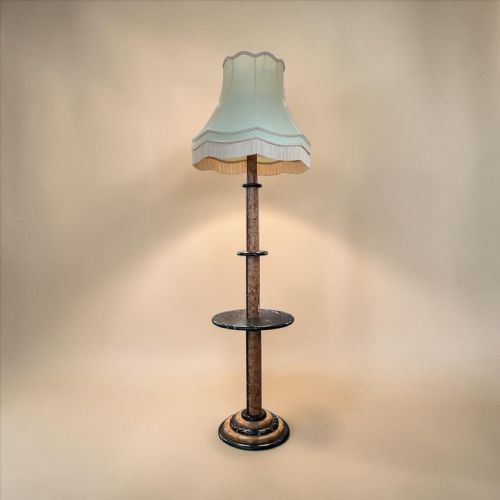
Several Art Deco lamps illuminate rooms standing beside heavy stone slabs, complete with bronze cherubs and steadfast stags.
Evaluating the pieces
Quality reveals itself in the selection and matching of the stone slab, where depth of natural veining, mineral purity, and thickness determine the visual weight of the piece. Superior examples display precise integration between the stone top and the wooden or metal base, ensuring the slab rests securely without excessive gap or movement.
The standard of cabinetmaking and metal casting dictates the overall integrity, seen in crispness of ormolu mounts, finely executed marquetry inlay, and structural stability in weight-bearing legs. Maker attribution and signed works introduce a higher tier of craftsmanship through accomplished carving and meticulous finishing.
François Linke·Amleto Bertoni·R Varnier
The Vintage Marble Table Glossary
- Gueridon
- A small French table, typically round and supported by a central pillar or three legs. These tables often feature inset marble tops and date from the nineteenth century.
- Ormolu
- Gilded bronze used for decorative mounts, feet, and handles on furniture and lighting. This technique was widely employed during French revival periods.
- Marquetry
- The art of applying small pieces of veneer to a structure to form decorative patterns. It appears frequently on the drawer fronts and sides of bedside cabinets.
- Onyx
- A banded variety of chalcedony quartz often utilised as a decorative surface for tables and lamps. It shares similarities with marble in weight and coldness to the touch.
Vintage Marble Table: Frequently Asked Questions
How do I clean a marble table?
Use a soft, damp cloth with mild, pH-neutral soap to wipe down the stone surface.
Avoid acidic cleaners, vinegar, and abrasive pads that can etch or dull the polished finish.
Are these tables heavy?
Stone-topped furniture carries substantial weight due to the density of the marble or onyx slab.
Most tables feature removable tops resting on wooden or metal bases to make transport more manageable.
Where were these tables used?
Bedside cabinets and lamp tables served bedrooms and drawing rooms for holding lighting and night essentials.
Console and coffee tables furnished hallways, bistros, and reception spaces as decorative accent surfaces.
How do I date a marble table?
Examine the underlying timber construction, joinery methods, and hardware style for period characteristics.
Stylistic cues such as Art Deco geometric lines or Victorian revival mounts help narrow down the decade of production.