




Vintage Male Nude
These vintage male nude works span academic life studies in pencil and bronze figures of classical deities.
Vintage Male Nude
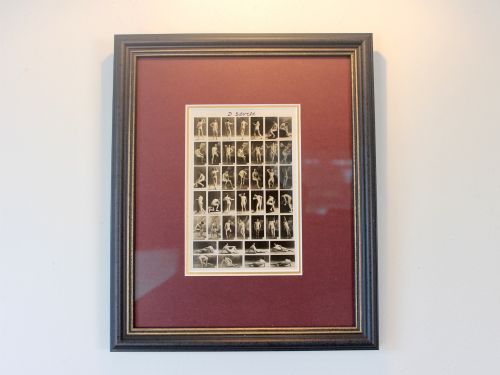
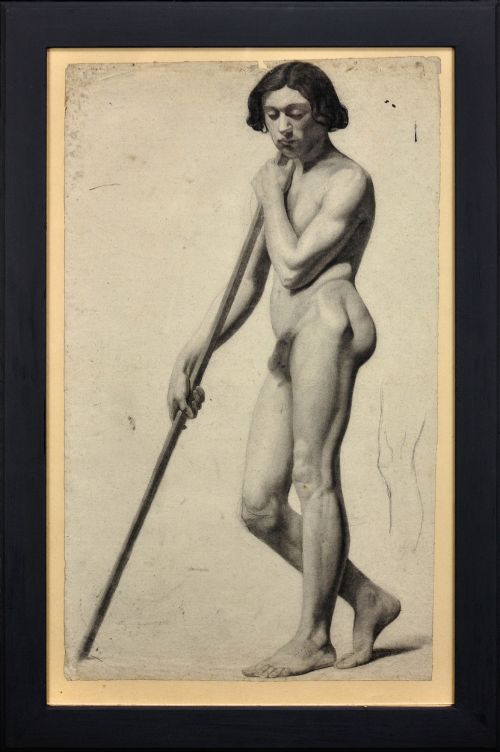
When you search for vintage male nude, you encounter a mix of academic life studies, Grand Tour bronzes, and modernist drawings spanning the nineteenth and twentieth centuries. The pieces range from strict pencil drawings executed in the Georgian period to Art Deco bronzes and photographic contact sheets.
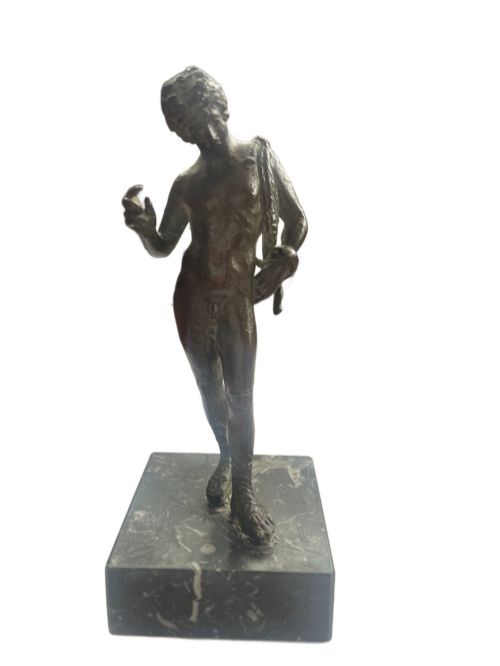
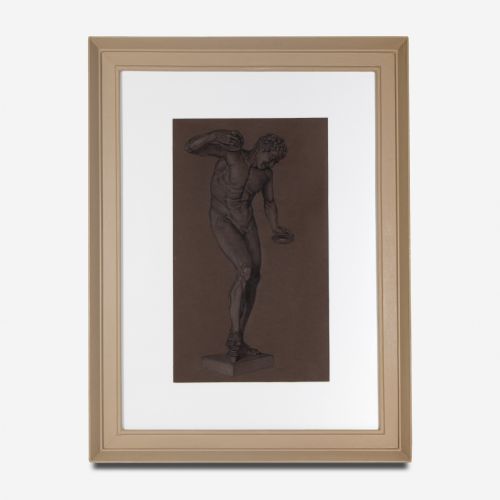
You are most likely to meet academic drawings on paper and cast bronze figures resting on marble or fossil marble bases. These physical forms reflect a long tradition of training in anatomy and classical mythology across British, French, and Belgian schools.
Materials and techniques
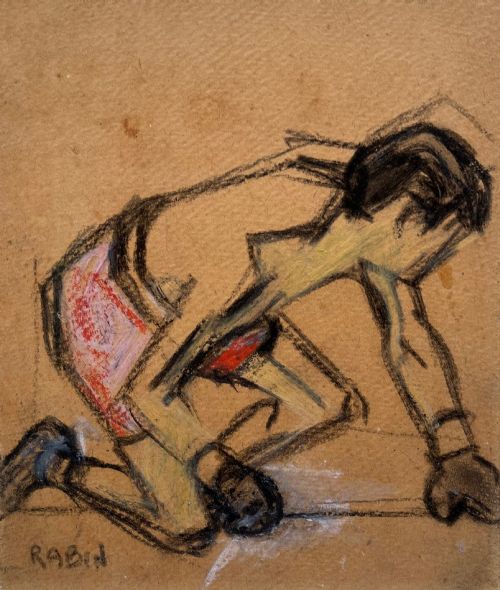
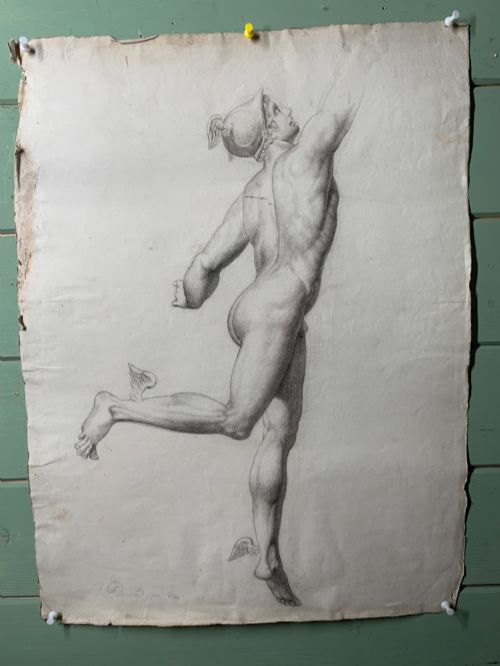
The works rely on traditional media including graphite pencil, charcoal, pastel, watercolour, and oil paint applied to paper, board, or canvas. Draughtsmen captured musculature and shadow through careful hatching and tonal gradation in life studies.
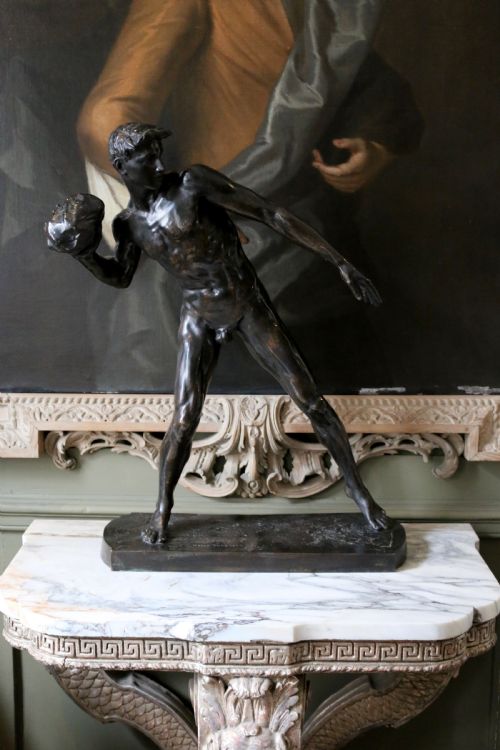
Sculptural pieces utilise cast bronze, sometimes with green patination, alongside carved hard wood and heavy marble. Bronze figures were cast using traditional methods and mounted on stone plinths such as fossil marble.
The listings combine nineteenth-century academic drawings in pencil with twentieth-century photographic contact sheets and modernist watercolours.
Markers of quality
Quality rests upon the precision of anatomical rendering and the confidence of the line in drawings and paintings. An accomplished academic study demonstrates mastery of proportion, bone structure, and the play of light over musculature.
In bronze and marble sculptures, distinction lies in the crispness of the casting details, the finish of the patina, and the proportion of the figure. A well-executed piece captures tension and balance in the subject without stiffness.
Samuel Rabin·Hamo Thornycroft·Julian Mandel·Henry Arthur Roberts·Alexandre-Louis Martin·Kees van Dongen·Harry Epworth Allen·Takashi Shimizu
The Vintage Male Nude Glossary
- Academic life study
- A detailed drawing or painting of a live model produced within a formal art school training tradition. These works emphasise correct anatomical proportions and precise shading.
- Grand Tour
- A cultural journey undertaken by wealthy young Europeans in the eighteenth and nineteenth centuries, collecting small-scale bronze copies of classical statues. These souvenirs often depict mythological figures.
- Patination
- The chemical or natural surface coloration developed on bronze sculptures over time or through applied treatments. A green or dark brown patina adds depth to the metal surface.
- Contact sheet
- A photographic print made by placing negatives directly onto photographic paper at the same scale. This format allows an artist or photographer to review multiple exposures at once.
- En grisaille
- Painting executed entirely in shades of grey or neutral monochrome. This technique often serves to simulate the appearance of a stone relief or sculpture.
Vintage Male Nude: Frequently Asked Questions
What is an academic life study?
An academic life study is a drawing, painting, or sculpture created from a live model within a structured educational setting. These pieces focus heavily on accurate human anatomy and tonal values.
Artists used them to master the complexities of the human form before undertaking large historical or mythological compositions.
How do I identify a Grand Tour bronze?
Grand Tour bronzes typically depict classical figures, such as Narcissus or Bacchus, mounted on heavy marble or fossil marble bases. They date mostly from the nineteenth century.
These pieces were collected as souvenirs by travellers touring the historical sites of Italy and Greece.
How should I display framed drawings?
Framed drawings on paper require protection from direct sunlight to prevent the fading of graphite, charcoal, or watercolour pigments. Acid-free mounting keeps the paper stable over time.
Display them in rooms with stable humidity levels to preserve both the paper support and the period frame.