



Vintage Makeup Vanity Table
A vintage makeup vanity table brings architectural elegance to a bedroom, offering a dedicated spot for daily routines with integrated mirrors and drawers.
Vintage Makeup Vanity Table
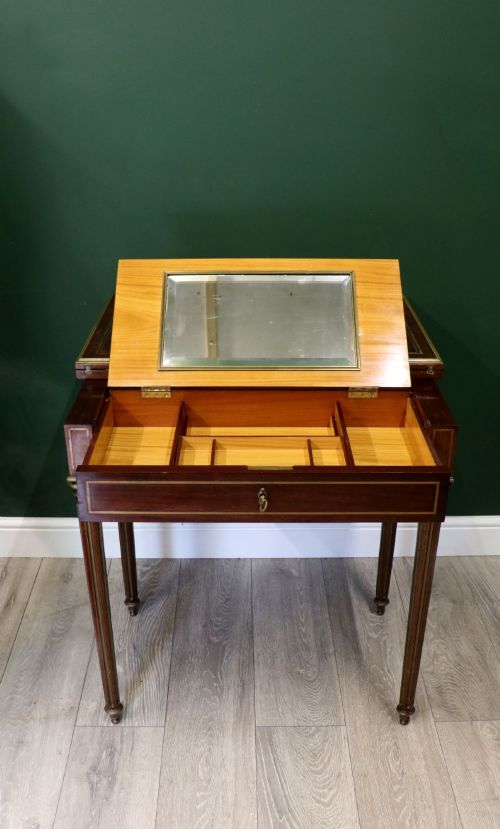
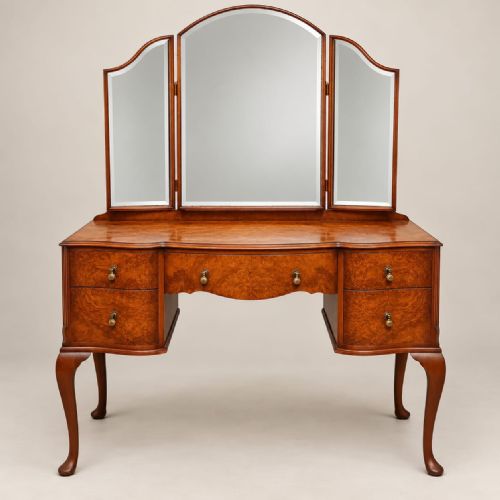
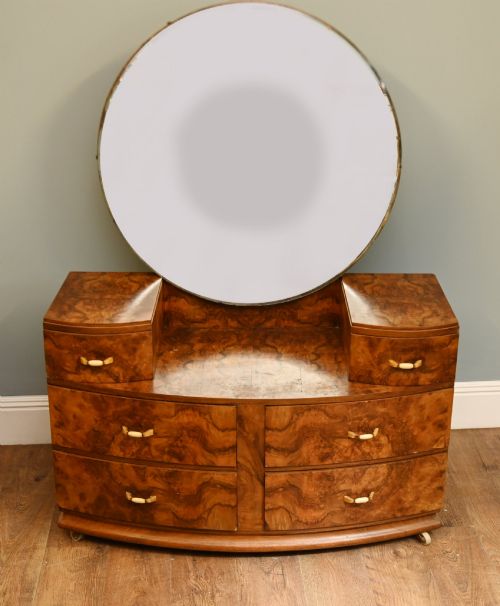
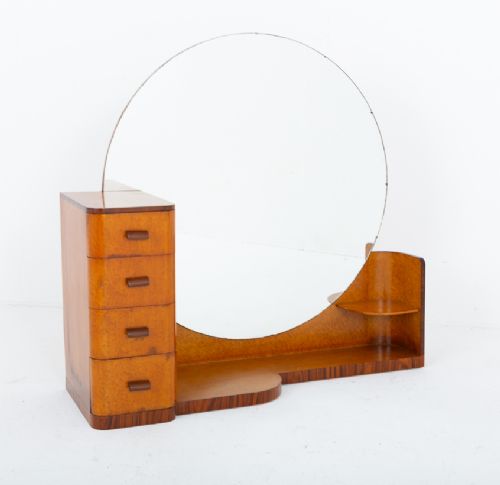
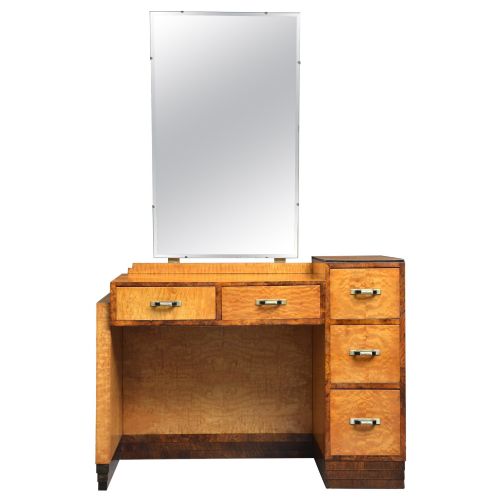
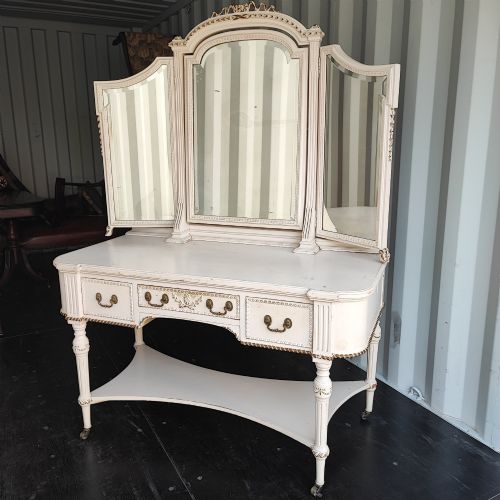
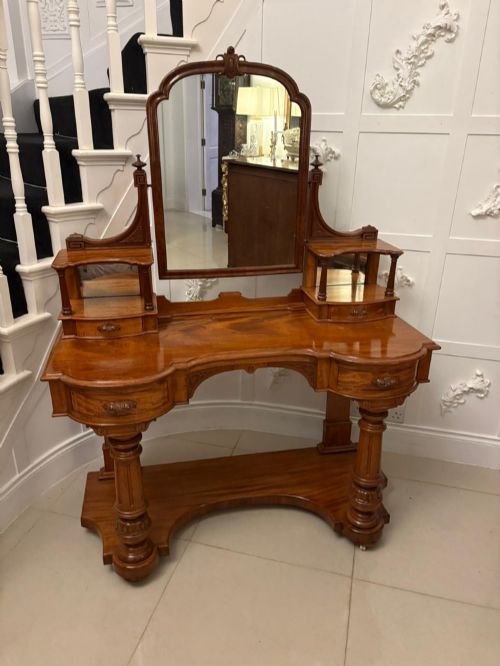
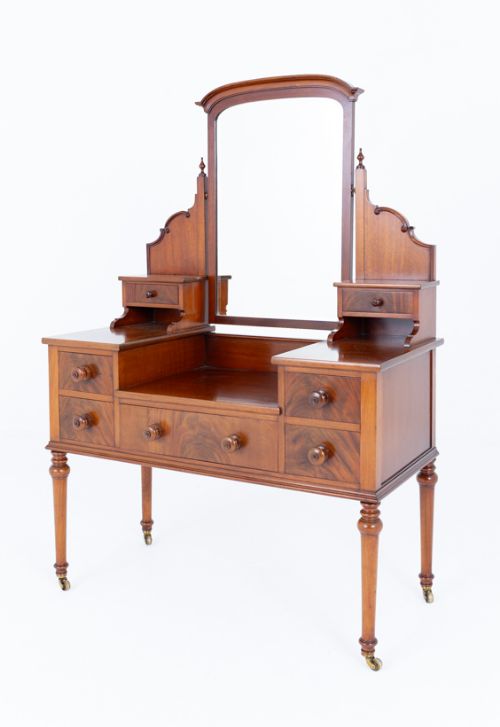
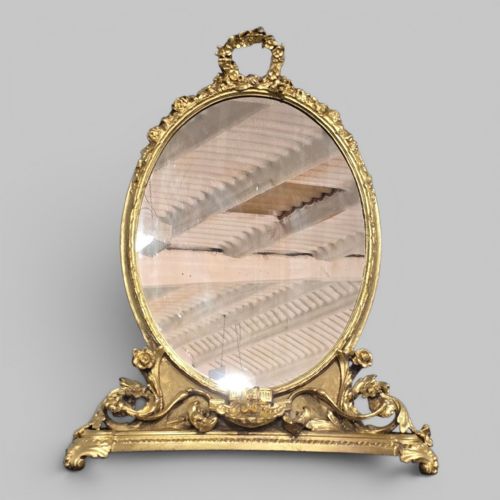
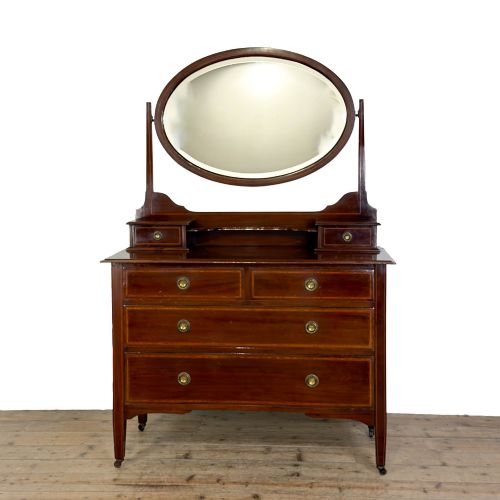
When searching for a vintage makeup vanity table, buyers encounter a diverse selection ranging from robust Victorian designs to streamlined Art Deco pieces. The pieces listed span multiple decades, predominantly showing formats like pedestal dressing tables, dressing chests, and standalone vanity mirrors.
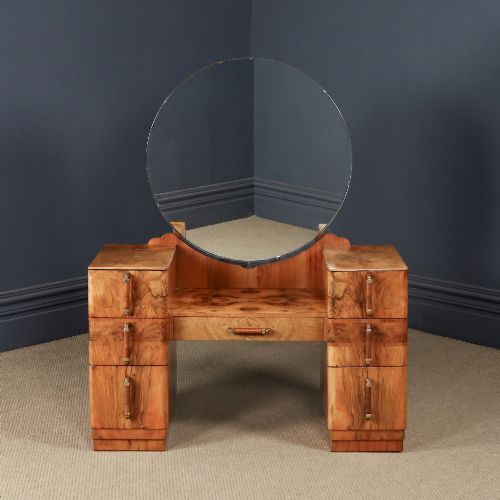
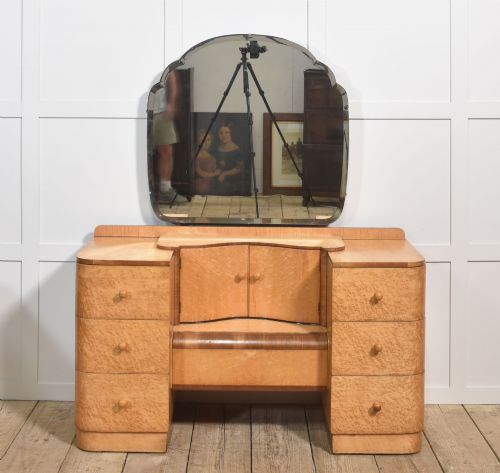
The most frequent examples on this page date from the 1930s, heavily representing the Art Deco style alongside Edwardian and Victorian predecessors. These objects combine utilitarian drawer space with pivoting or triple mirrors designed specifically for personal grooming.
Materials and construction
Cabinetmakers utilised rich timber veneers such as burr walnut, birdseye maple, and mahogany over solid foundational woods, often incorporating intricate inlay work or painted finishes. Metal elements appear in brass trimmings and mirror fixings, while glass forms both the primary table tops and the adjustable swinging mirrors.
Construction techniques evolved from heavy Victorian hand-carved mahogany frames to the geometric symmetry of the 1930s, where curved veneers and matching grain patterns define the aesthetic. Associated seating, such as boudoir stools and footstools, utilises complementary woods paired with upholstered textile tops.
Some Art Deco vanity stools arrive complete with newly upholstered flowery top covers, ready for a fresh start.
Evaluating craftsmanship
The distinction between standard examples and the finest pieces rests in timber selection and the precision of the veneer matching. Grain continuity across multiple drawers and curved surfaces indicates superior cabinetmaking.
Attribution to notable makers or specific retail houses elevates an item, as seen in pieces bearing the hallmarks of Maples or designers like Maurice Adams, Harry and Lou Epstein, and Betty Joel. Furthermore, the originality of the glass mirror plates and integrated hardware influences the desirability of the piece.
Maples of London and Paris·Maurice Adams·Harry and Lou Epstein·Betty Joel
The Vintage Makeup Vanity Table Glossary
- Pedestal dressing table
- A vanity unit featuring two banks of drawers flanking a central kneehole space, often supporting a large central mirror. This configuration provides substantial storage.
- Triple mirror
- An assembly comprising a large central mirror flanked by two smaller adjustable side panels, allowing multiple angles of reflection. This setup is common on 1930s and Victorian dressing tables.
- Sheraton Revival
- A late nineteenth-century style drawing inspiration from eighteenth-century neoclassical furniture designs. It typically incorporates satinwood, delicate inlay, and tapered legs.
Vintage Makeup Vanity Table: Frequently Asked Questions
How do I choose the right mirror style?
Consider the lighting in your room and whether you prefer an integrated triple mirror or a smaller easel vanity mirror. Triple mirrors offer expansive side angles, whereas standalone table mirrors provide flexibility.
Match the mirror frame material, whether brass, mahogany, or painted wood, to the existing furniture in your bedroom for a cohesive look.
How were these tables used originally?
These pieces served as dedicated bedroom stations for morning grooming, hair styling, and applying cosmetics. The surface held perfumes and brushes, while the drawers stored jewellery and accessories.
Paired with a matching boudoir stool or chair, they formed a private dressing area within the Victorian, Edwardian, or Art Deco bedroom.
Can I use a vintage vanity as a desk?
Many pedestal and kneehole dressing tables offer adequate depth and height to function comfortably as a writing desk. Burr walnut and mahogany examples provide a sophisticated workspace.
Ensure the kneehole clearance suits your seating height before repurposing a dressing chest or vanity table for office tasks.
How do I care for wood veneer surfaces?
Protect delicate burr walnut and maple veneers from direct sunlight and excessive moisture to prevent fading or warping. Dust regularly with a soft, dry cloth.
Apply high-quality beeswax sparingly to nourish the timber and maintain the natural lustre of the polished wood surface.