
Vintage Mahogany Tea Table
A vintage mahogany tea table brings rich timber and flexible utility to a room, shifting easily from a quiet corner to the centre of the floor.
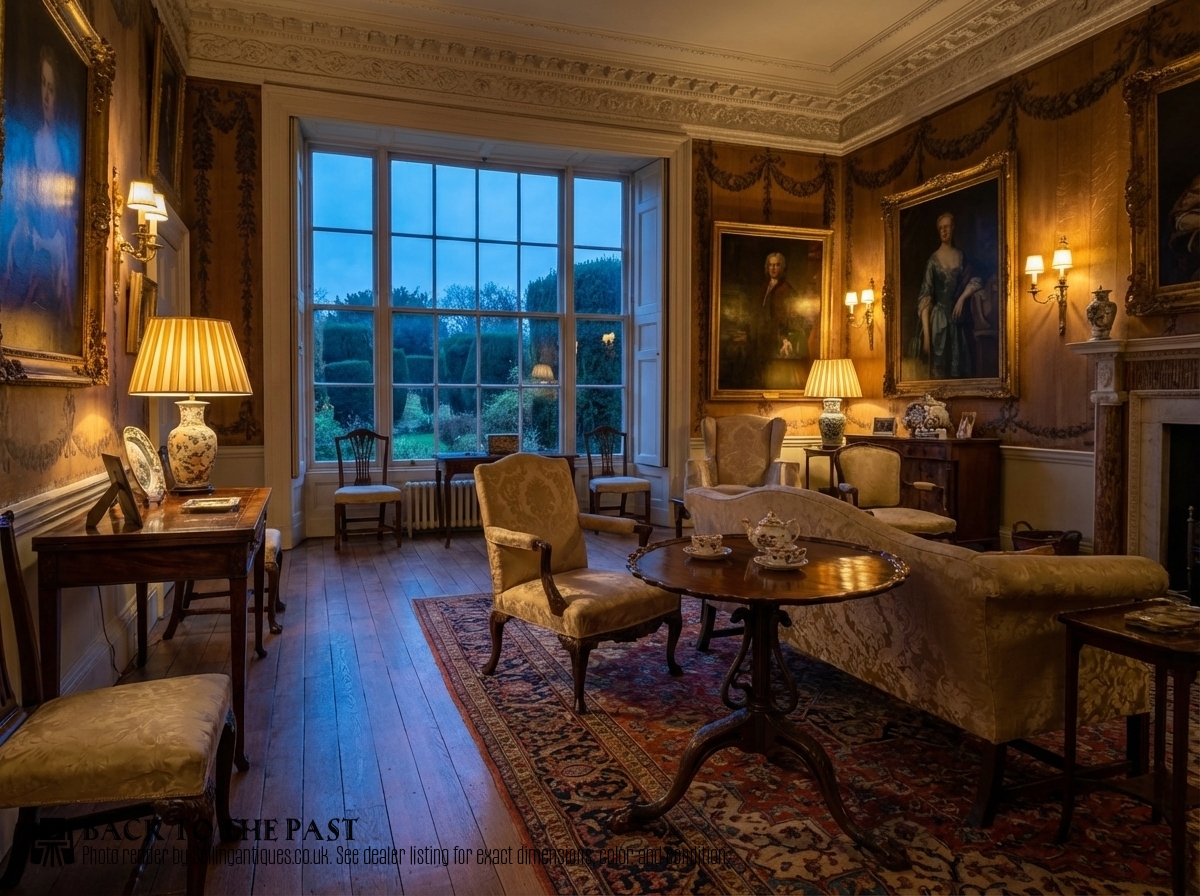
Vintage Mahogany Tea Table
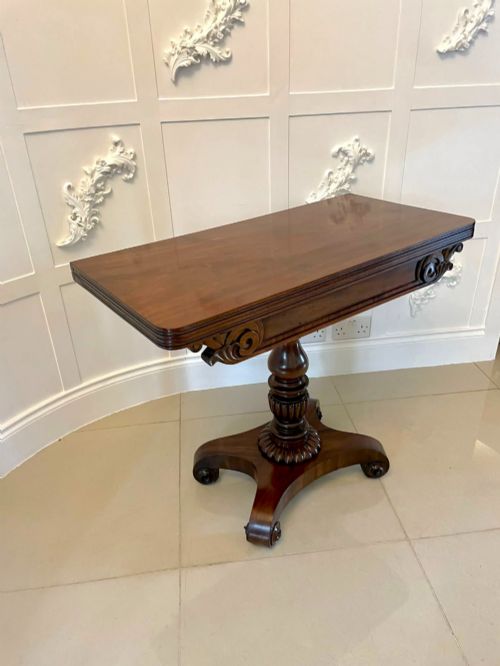
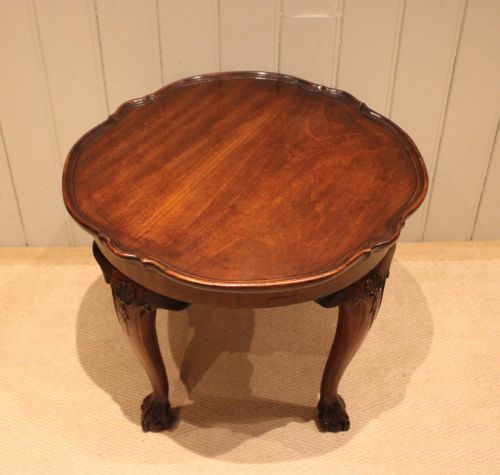
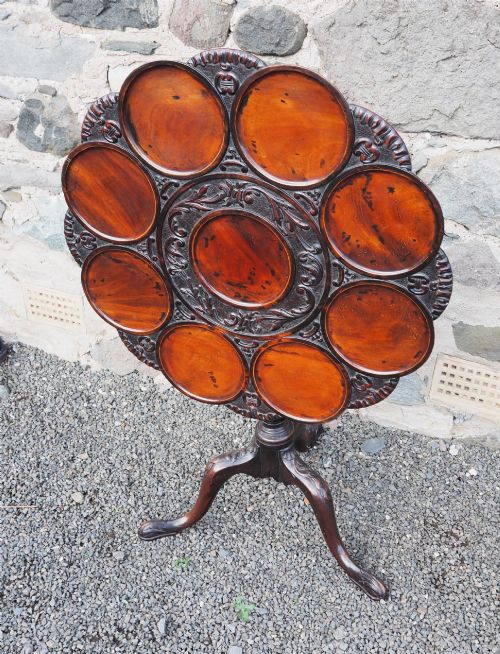
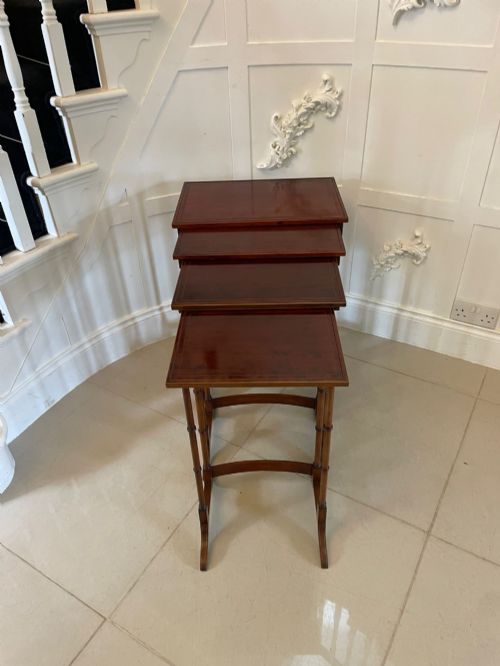
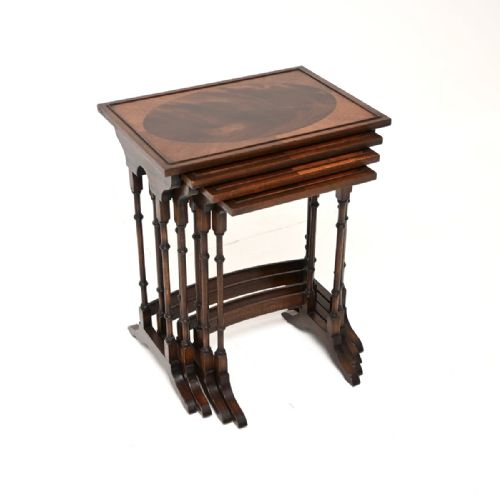
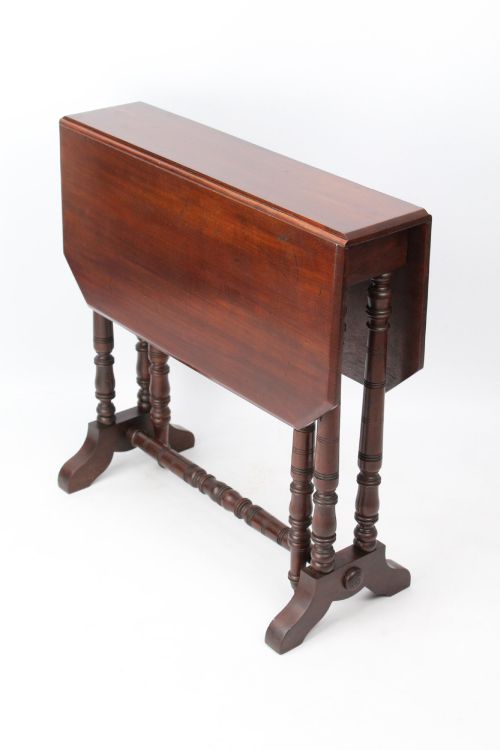
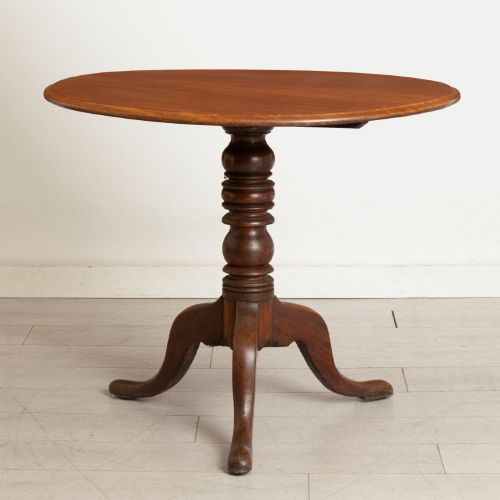
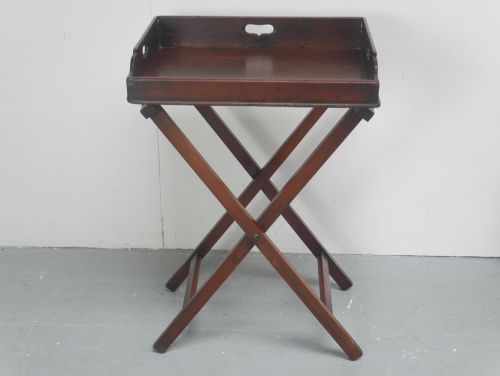
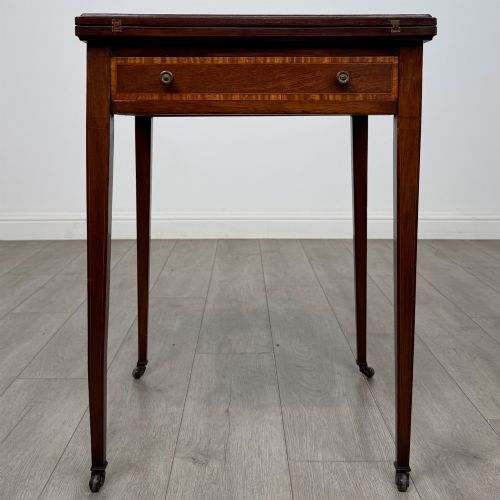
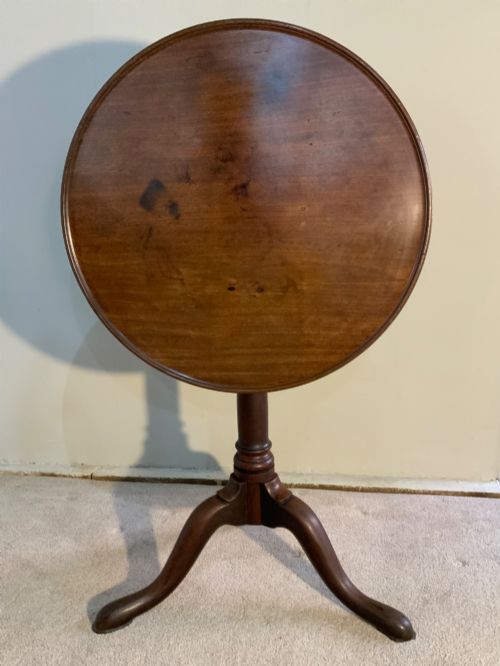
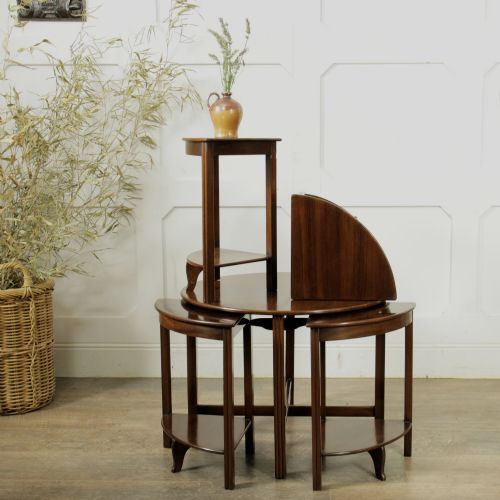
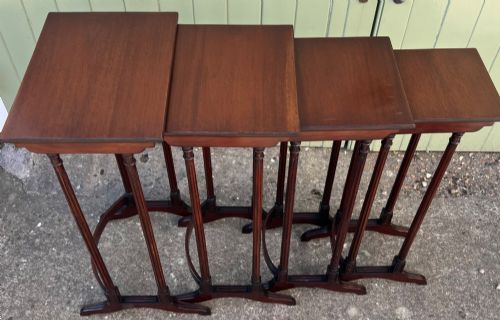
A vintage mahogany tea table bridges several centuries of design, encompassing Georgian origins, Victorian craftsmanship, and Edwardian interpretations. When searching for this phrase, a buyer encounters pieces ranging from tilt-top tripod designs and envelope card tables to pembroke tables and nests of tables.
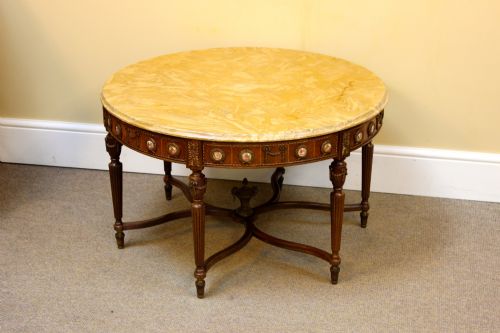
The materials span solid mahogany and Cuban mahogany alongside satinwood and boxwood inlay, occasionally complemented by brass or glass. These tables served various domestic purposes historically, functioning as tea tables, games tables, side tables, and occasional tables.
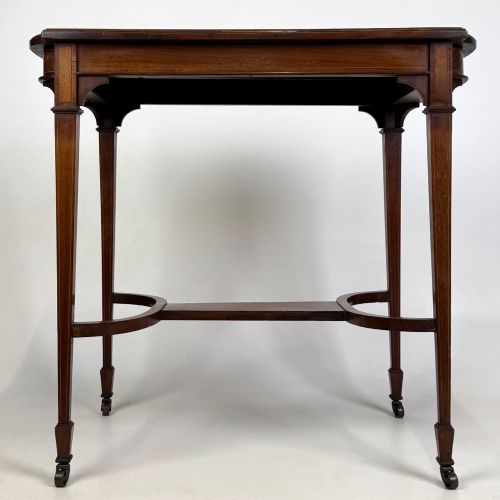
Edwardian and George III styles dominate the selections, alongside Chippendale revivals and William IV examples. Buyers are most likely to meet refined Edwardian inlaid pieces and robust 19th-century tripod or tilt-top forms on this page.
Materials and construction
Cabinetmakers utilised dense mahogany and figured mahogany timber, often selecting Cuban mahogany for early pieces to achieve deep grain patterns and a warm patina. Surface decoration frequently involved delicate boxwood inlay and satinwood banding.
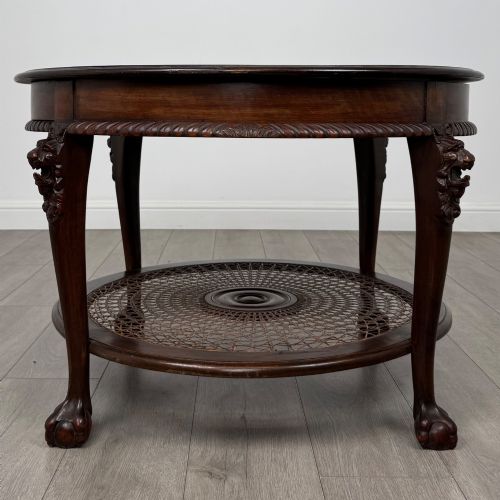
Structural engineering relied on solid joinery, turning, and cabriole legs, while folding mechanisms, drop leaves, and tilt-top mechanisms added functional versatility. Supporting details such as brass castors or ormolu mounts finished the construction of finer examples.
Materials span solid mahogany, satinwood, boxwood inlay, brass, glass, and cane.
Assessing quality and craftsmanship
Quality rests upon the selection of the timber grain, the crispness of any boxwood inlay, and the integrity of the structural joints. Finer pieces demonstrate careful book-matching of figured mahogany and smoothly operating folding or tilting mechanisms.
Proportion and stylistic restraint separate standard production from exceptional examples, whether in an 18th-century tripod table or an Edwardian nest. The handling of secondary woods and the precision of the cabinetwork reveal the hand of a skilled workshop.
Shapland and Petter·François Linke
The Vintage Mahogany Tea Table Glossary
- Mahogany
- A durable tropical hardwood prized for its rich reddish-brown colour and stability in furniture making. It accepts a high polish and shows striking figuring.
- Tilt-top table
- A table with a hinged top that pivots to a vertical position when not in use. This clever mechanism saved valuable floor space in historic interiors.
- Tripod table
- A small freestanding table supported by a central pillar resting on three cabriole or splayed legs. They gained immense popularity during the Georgian period.
- Pembroke table
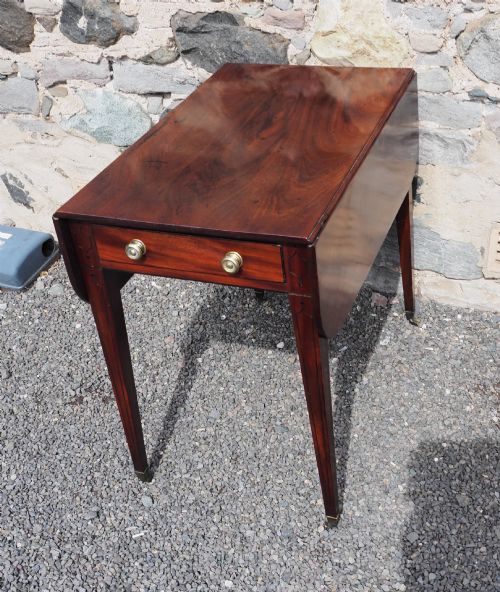
- A small occasional table featuring two hinged drop leaves on opposing sides. It typically includes one or two small drawers and slender tapered legs.
- Inlay
- A decorative technique where contrasting woods like boxwood or satinwood are inserted into recesses in the mahogany surface. It creates geometric or floral patterns.
Vintage Mahogany Tea Table: Frequently Asked Questions
What is a vintage mahogany tea table used for today?
These tables function brilliantly as compact coffee tables, lamp tables, or flexible side surfaces in a modern living room. Their historic folding tops and drop leaves allow them to adapt to changing spatial needs.
Placed beside a sofa or in an entryway, they introduce warmth and period character while remaining entirely practical for everyday use.
How do I identify a Georgian tea table from an Edwardian copy?
Georgian tables generally exhibit heavier structural timber, hand-cut joinery, and simpler structural cues consistent with 18th-century domestic life. The timber choice often leans towards dense Cuban mahogany with a deep, natural wax finish.
Edwardian interpretations, built around 1900, frequently incorporate lighter frames, machine-sawn components, and delicate boxwood stringing or satinwood inlay reflecting revival tastes.
Are these tables sturdy enough for daily living?
Traditional mahogany furniture was built using robust joinery designed to withstand active household use over generations. Solid timber construction provides inherent strength and stability.
Careful handling of mechanical elements like tilt-tops and drop leaves ensures these pieces remain reliable companions in a busy contemporary home.
How do I care for a polished mahogany surface?
Maintain the timber by dusting regularly with a soft, dry cloth and applying natural beeswax periodically to nourish the grain. Avoid placing wood near direct heat sources or strong sunlight.
Using coasters and placemats protects the polished surface from moisture rings and heat marks, preserving the rich patina for years to come.