
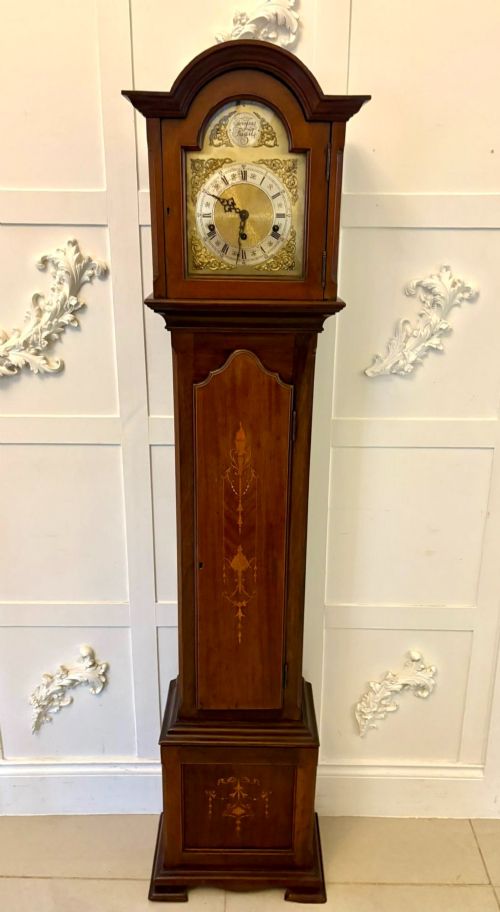
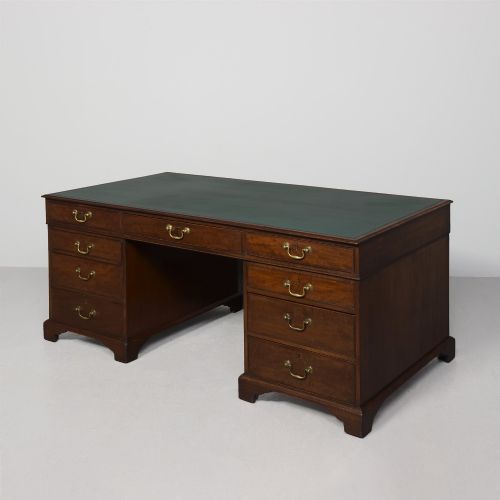
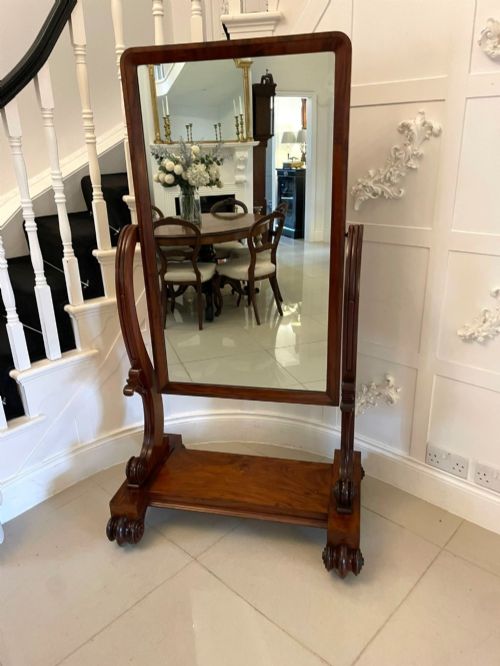
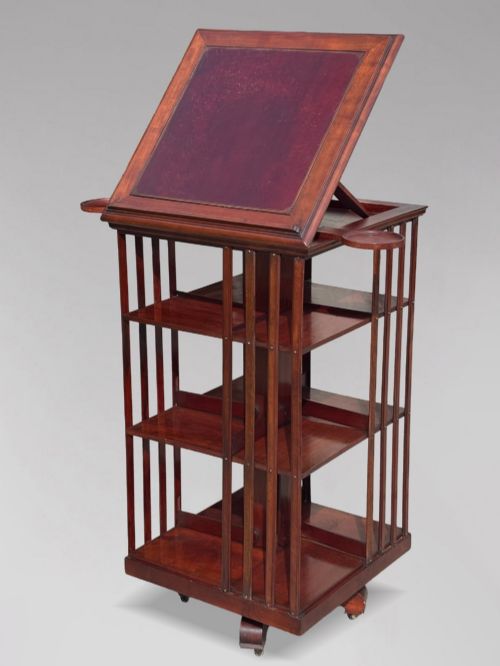
Vintage Mahogany Stand
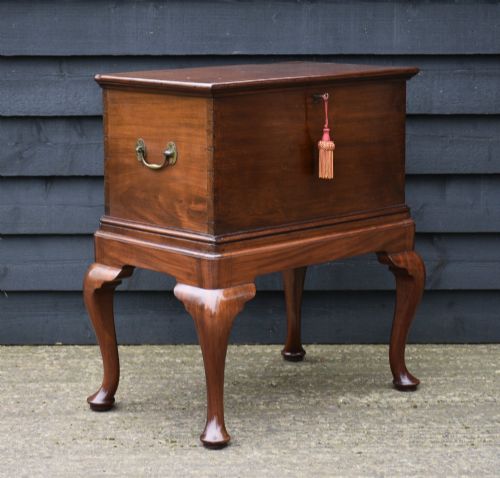
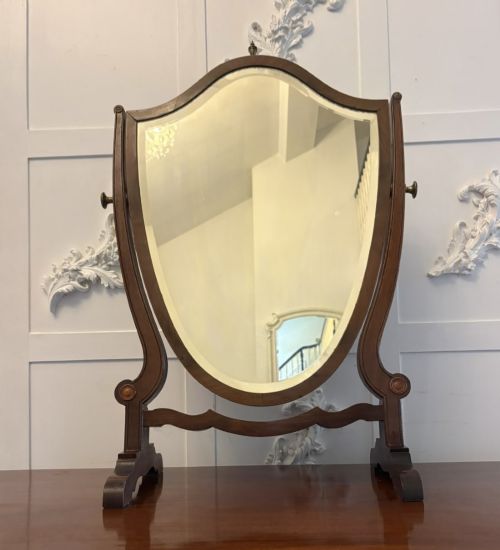
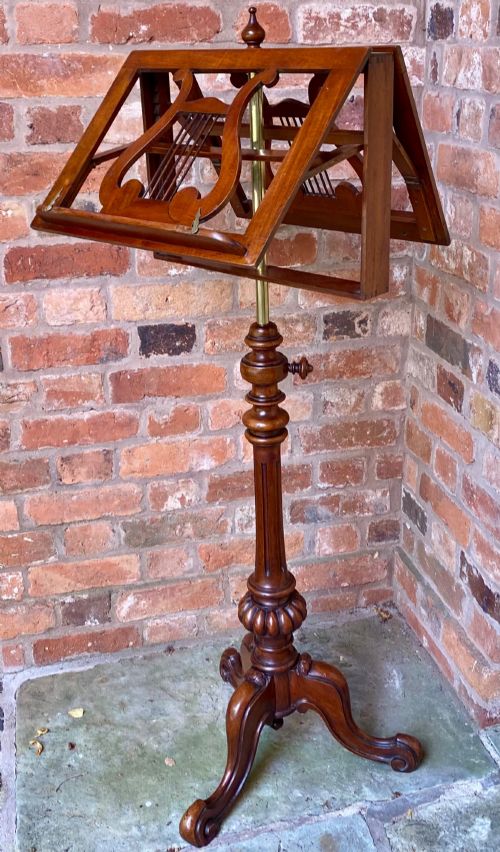
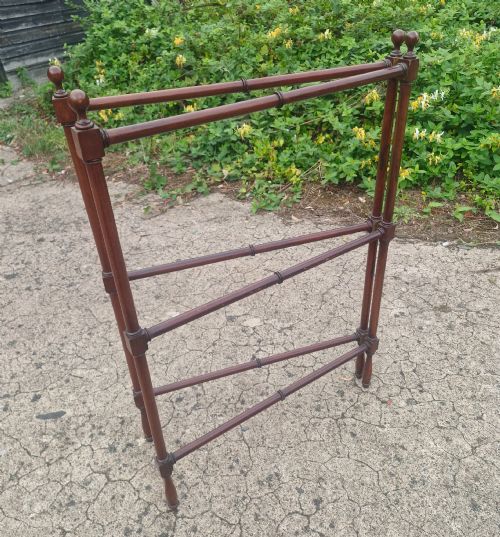
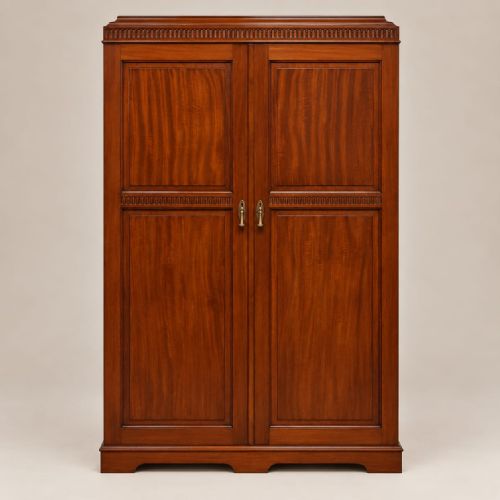
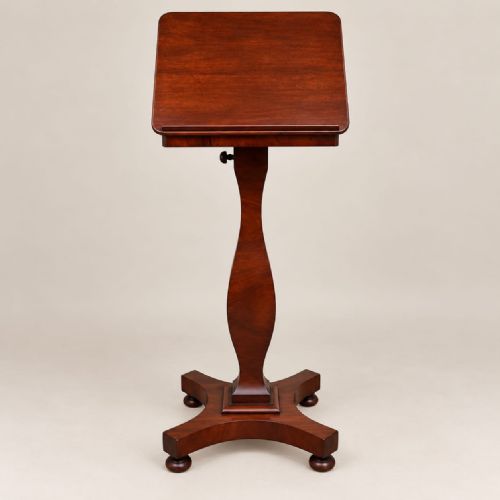
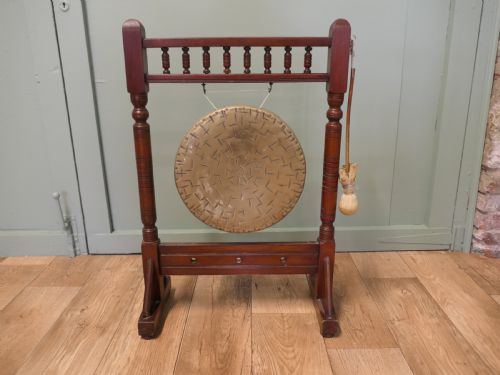
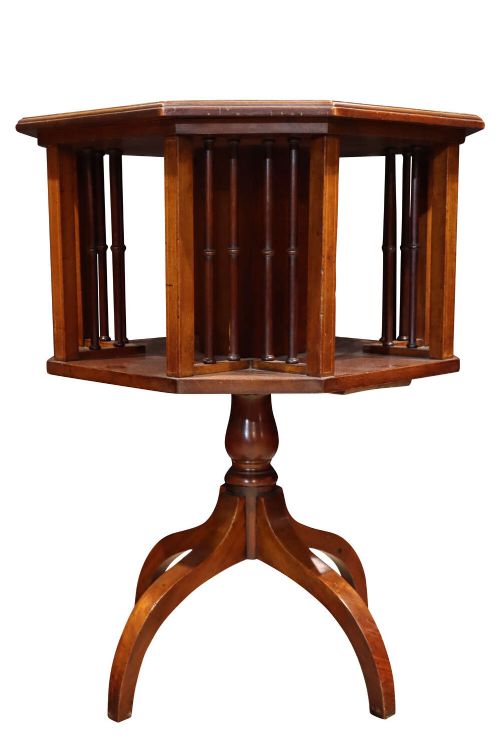
A vintage mahogany stand brings practical timber furniture into a room, offering functional surfaces from towel rails to wine tables.
Vintage Mahogany Stand
A vintage mahogany stand covers a varied group of utilitarian and display pieces designed to hold items within domestic spaces. When searching this phrase, buyers encounter forms ranging from plant stands and wine tables to towel rails and luggage racks.
The selections span multiple periods, with Edwardian and Victorian examples appearing frequently alongside Georgian and Regency pieces. These items utilise dense timber, sometimes complemented by satinwood inlay, brass or glass.
Object types stretch beyond simple tables to include specialised stands such as cake stands, gentleman's valet stands and butler's tray tables. Each variety serves a specific domestic purpose developed across the eighteenth, nineteenth and early twentieth centuries.
Materials and construction
Construction relies heavily on solid mahogany and mahogany veneers, occasionally paired with oak or steel for structural reinforcement. Artisans shaped these dense timbers using traditional joinery methods suited to supporting weight.
Surface ornamentation often includes satinwood inlay for decorative contrast and brass for handles, hinges or campaign mountings. Some pieces incorporate glass panels or gilded brass details, particularly in display cabinets and lamp tables.
A gentleman could rest his jacket and trousers overnight on a dedicated valet stand before pouring tea from a dumb waiter.
Quality variations
Quality in these pieces depends on the selection of the mahogany grain and the precision of the cabinetwork. Finer examples display harmonious timber figuring, particularly when enhanced by satinwood inlay or careful waxing.
Structural integrity separates basic utility items from superior pieces, evident in how joints meet and how hardware like brass fittings are integrated. The presence of maker attribution or refined stylistic details such as barley twists or Chinese Chippendale influence elevates certain stands.
Charles Shuckburgh·Gordon of Aberdeen·GM Elwood for JS Henry·Denby and Spinks
The Vintage Mahogany Stand Glossary
- Mahogany
- A durable, reddish-brown tropical hardwood prized for furniture making across the eighteenth and nineteenth centuries. It takes a fine polish and resists warping.
- Satinwood
- A pale, lustrous timber utilised for contrasting inlay work on darker woods like mahogany. It creates delicate geometric or floral patterns.
- Campaign
- A style of portable furniture originally designed for military officers on travel. It incorporates recessed brass corners and folding stands.
- Whatnot
- An open set of tiered shelves used for displaying ornaments or holding books. It emerged in the nineteenth century as a versatile room accessory.
- Valet stand
- A specialised piece designed to hold a gentleman's suit, tie and accessories overnight. It typically includes a hanger and small tray.
Vintage Mahogany Stand: Frequently Asked Questions
What is a vintage mahogany stand used for?
These stands serve numerous domestic functions, from holding plants and wine glasses to supporting towels, luggage and pastry tiers.
Buyers select them for specific rooms based on their original utilitarian purpose, adapting them for modern storage or display.
How do I date a mahogany stand?
Dating relies on stylistic clues, construction methods and timber characteristics associated with periods like the Georgian, Victorian or Edwardian eras.
Details such as satinwood inlay, brass campaign fittings or specific turned legs help narrow down the decade of production.
Are all these stands made of solid mahogany?
While many pieces utilise solid mahogany, others combine mahogany veneers with secondary woods like oak or steel for internal structure.
Examining the grain patterns and construction edges reveals whether a piece is solid timber or veneer over a core.
How do I care for mahogany furniture?
Maintenance involves keeping timber away from direct heat sources and sudden humidity changes to prevent warping or splitting.
Regular dusting with a soft cloth and occasional waxing preserves the finish and natural sheen of the mahogany.