
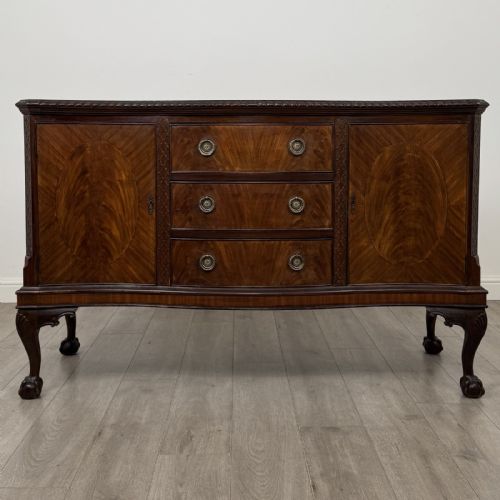
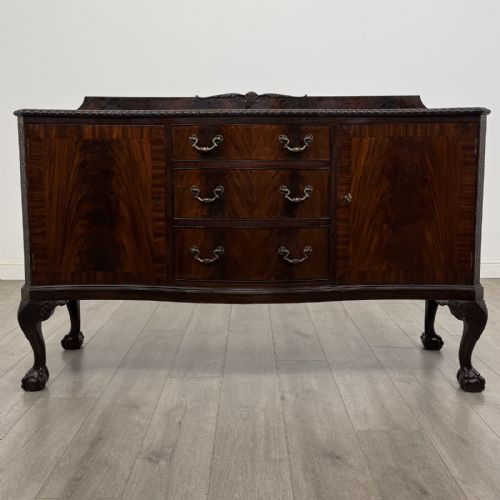
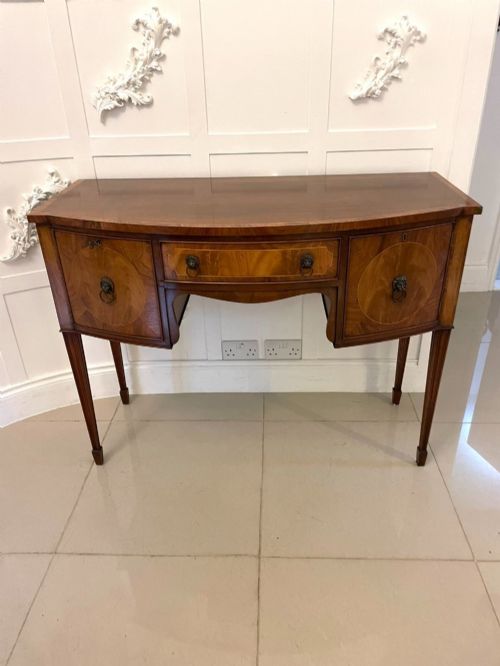
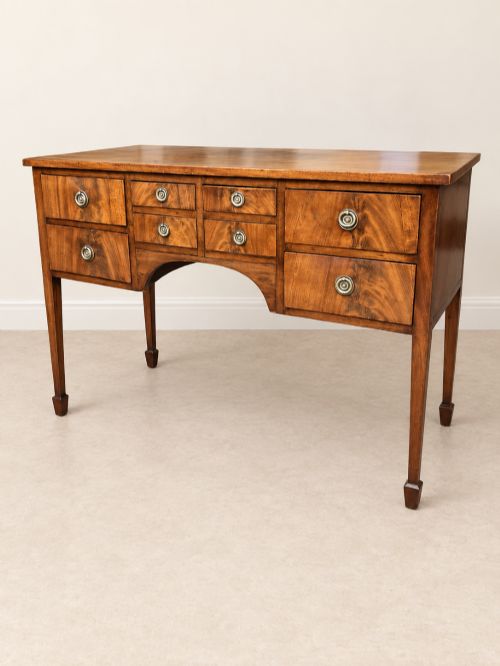
Vintage Mahogany Dining Server
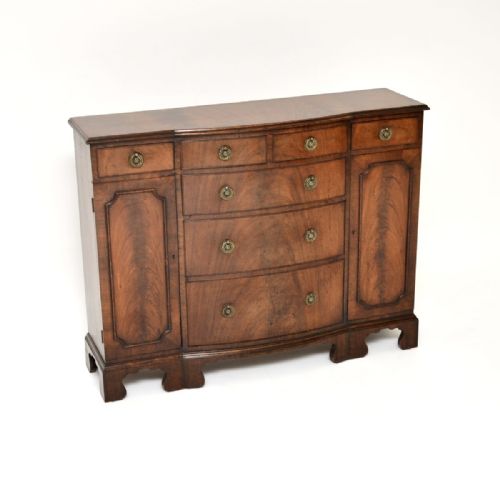
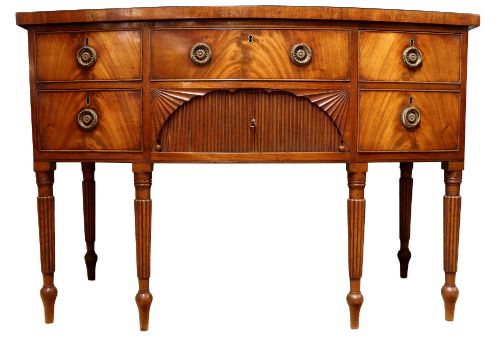
A vintage mahogany dining server offers deep timber tones and structured storage, anchoring a dining room with classical proportion.
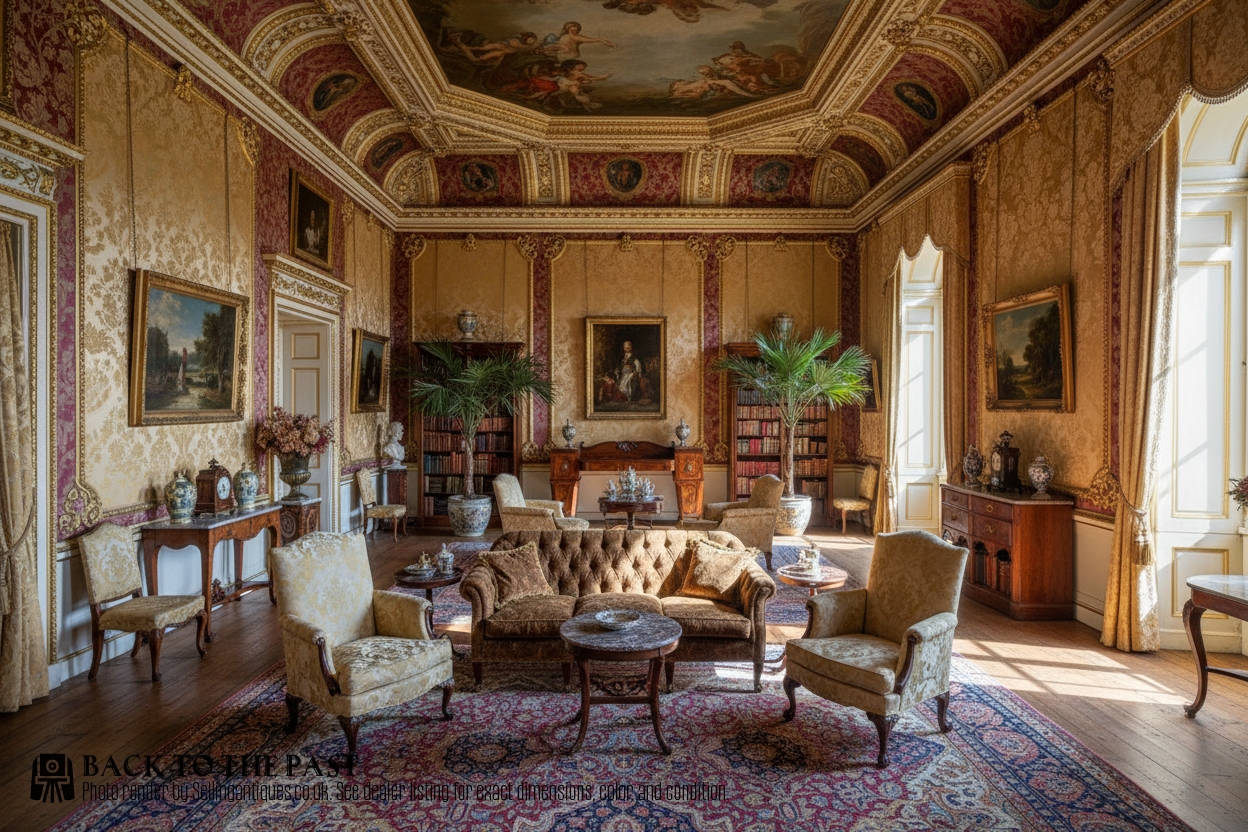
Vintage Mahogany Dining Server
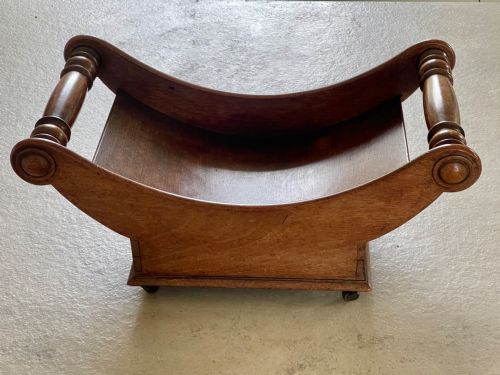
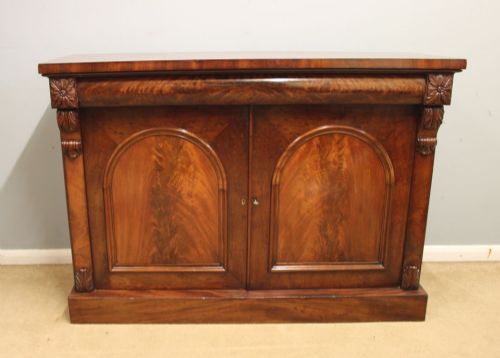
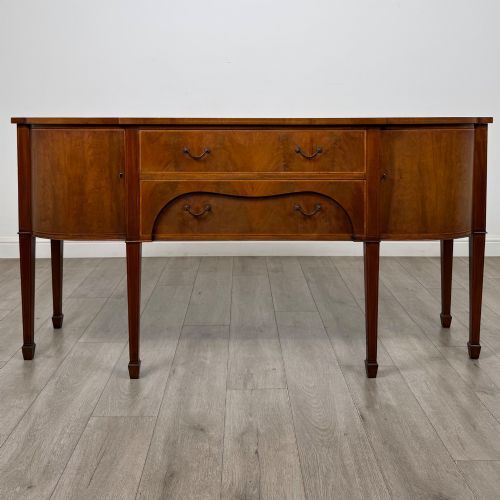
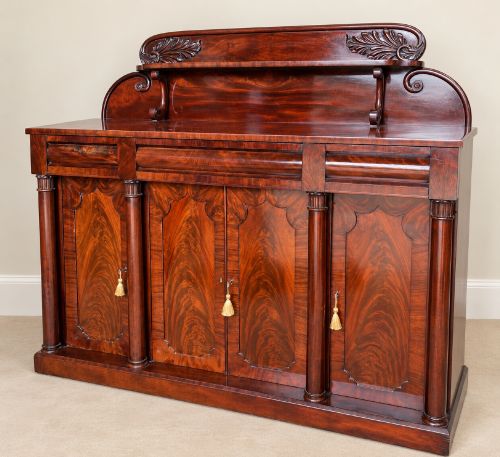
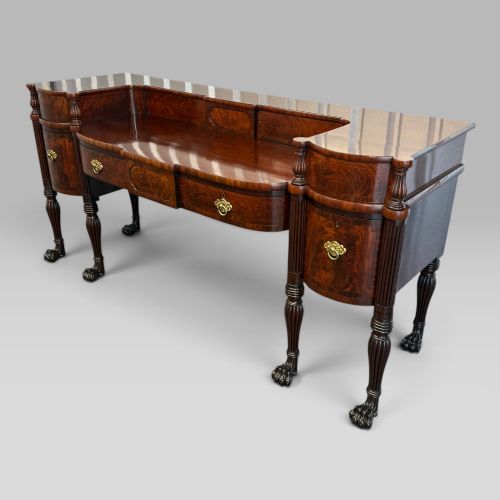
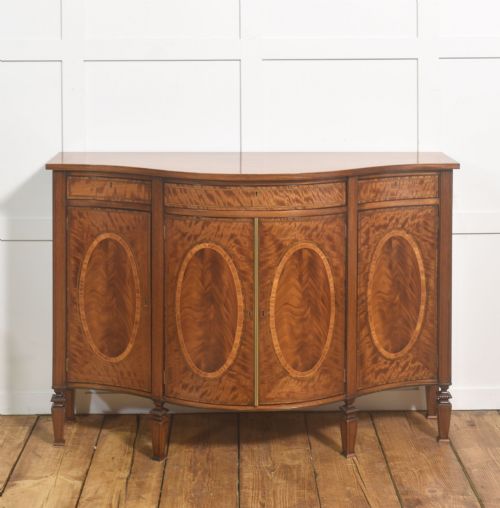
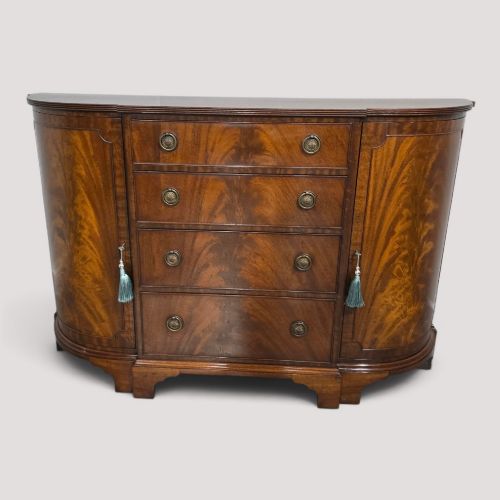
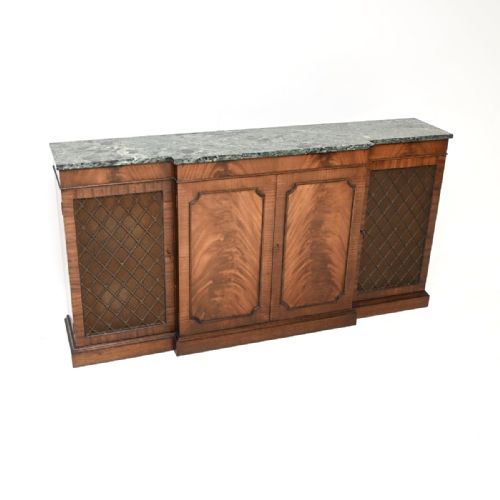
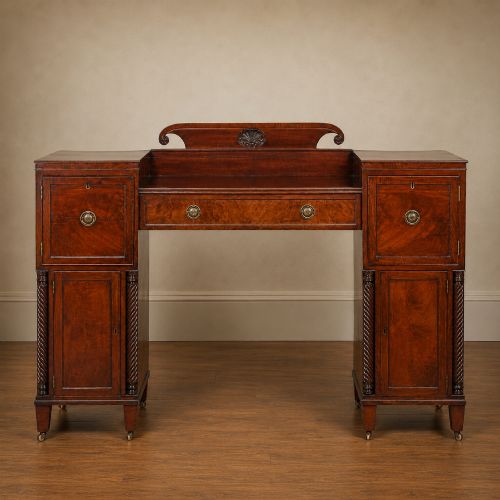
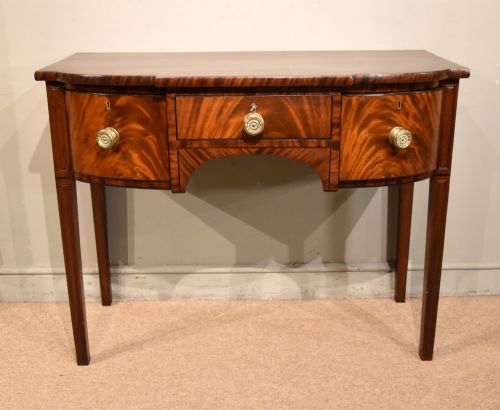
A vintage mahogany dining server encompasses a variety of large storage furnishings designed for dining spaces, including bow front sideboards, breakfronts, chiffoniers, and pedestals. These pieces provide surface space for serving food and concealed storage for tableware, utilising the rich appearance of mahogany timber.
The selections span distinct periods, drawing heavily from the eighteenth century George III era alongside nineteenth century Victorian and Regency craftsmanship, as well as twentieth century revivals. Buyers encounter Edwardian pieces alongside earlier authentic examples, each showing specific regional furniture patterns.
Forms vary from linear bow fronts to substantial pedestal configurations and compact cupboards. Many examples incorporate specific serving heights and proportions designed for dining room utility rather than simple display.
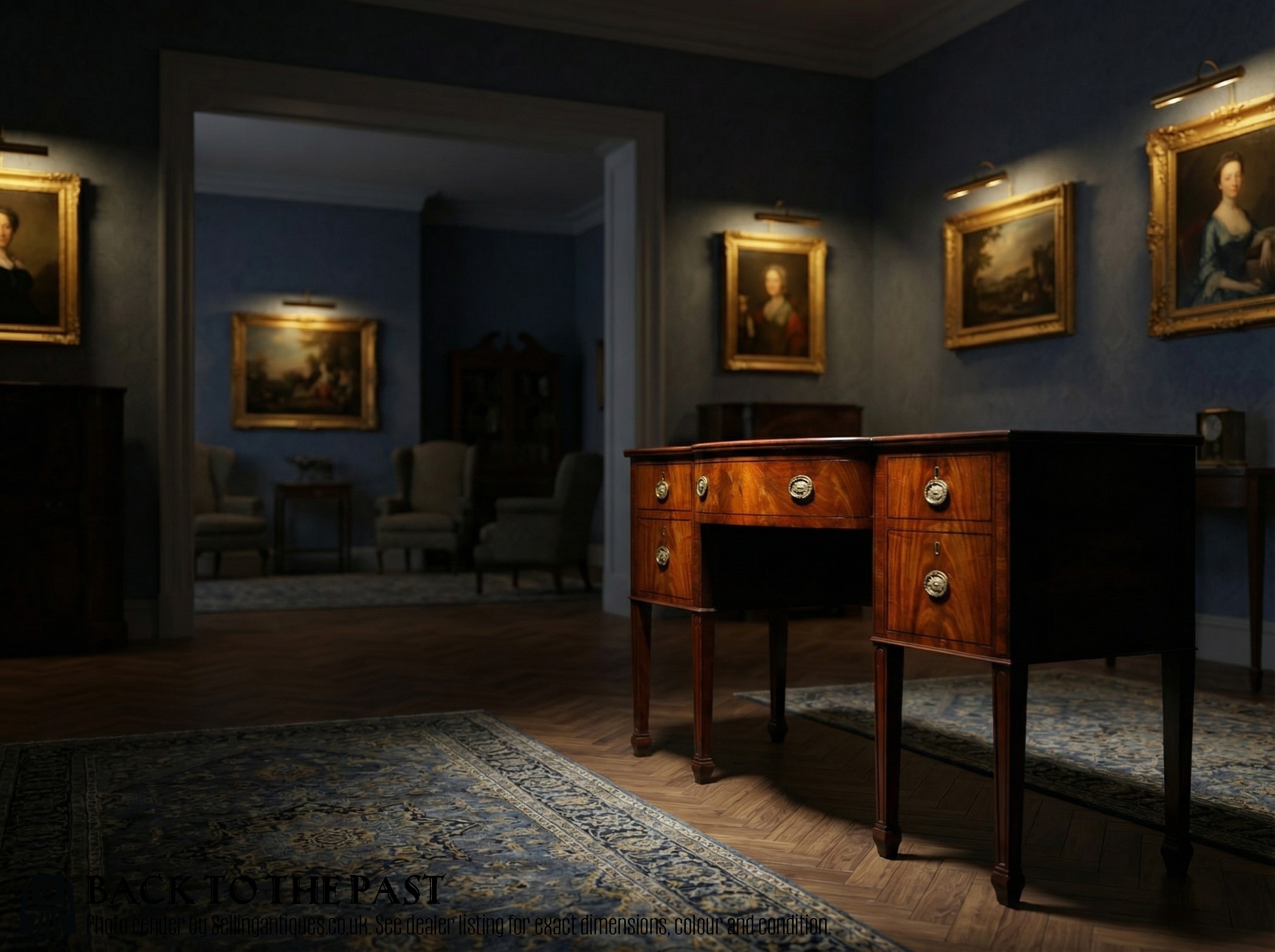
Materials and construction methods
Makers utilised solid mahogany alongside flame mahogany veneer to create deep, figured surfaces on drawer fronts and doors. Timber selection governed the visual impact of each piece, often enhanced through contrasting satinwood or boxwood inlay.
Cabinetmakers applied structural joinery techniques suited to heavy timber, integrating brass hardware and occasionally marble tops or grill fronts. Veneers were applied carefully over stable secondary woods to prevent warping across wide expanses.
Decorative elements such as lion paw feet, marquetry motifs, and fine stringing relied on specialised hand carpentry. Surface finishing involved polishing methods that deepened the natural reddish brown tone of the timber.
Distinctions in construction and design
Quality rests in the selection of timber figures, where matched flame mahogany veneer and crisp satinwood inlay separate standard production from superior cabinet work. The sharpness of carved details and the integration of decorative stringing indicate the maker's hand.
Structural integrity depends on the precision of drawer construction and the stability of large doors over decades of use. Original brass hardware and sound internal lining timber preserve the historical integrity of the piece.
Proportion and stylistic cohesion define the better examples, whether original period furniture or faithful Edwardian revivals after classic designs.
M. D. Miller & Sons
The Vintage Mahogany Dining Server Glossary
- Bow front
- A convex curved cabinet front that projects outward at the centre. This shape softens the room and maximises internal storage capacity.
- Flame mahogany veneer
- A sliced layer of timber showing a flammiform grain pattern resembling flickering fire. Cabinetmakers applied this to prominent surfaces for visual depth.
- Breakfront
- A large cabinet or sideboard where the central section projects forward from the flanking wings. This configuration creates architectural hierarchy on a long wall.
- Pedestal sideboard
- A form featuring distinct side pedestals connected by a central counter or table section. These configurations often date to the Regency or George III periods.
- Inlay
- Contrasting woods such as satinwood or boxwood fitted flush into the primary mahogany surface to form linear patterns. This technique defines Sheraton and Edwardian revival styles.
Vintage Mahogany Dining Server: Frequently Asked Questions
How do I care for mahogany?
Maintain mahogany furniture by dusting with a dry cloth and avoiding direct sunlight, which can alter the timber colour over time.
Apply professional wax polish occasionally to nourish the wood and maintain the natural lustre of the polished surface.
Where does a server go?
Place a dining server against a primary wall in a dining room or large living space where surface area is needed during meals.
Ensure adequate clearance around drawers and cabinet doors for daily access to stored tableware.
How do I identify period pieces?
Examine construction methods, timber choice, and hardware styles to distinguish between original eighteenth century pieces and later Edwardian revivals.
Look for hand cut dovetails and secondary woods that match the recorded production methods of specific eras.