




Vintage Log Box
A vintage log box brings warmth and utilitarian utility to a hearth, combining sturdy storage for fuel with the character of bygone periods.
Vintage Log Box
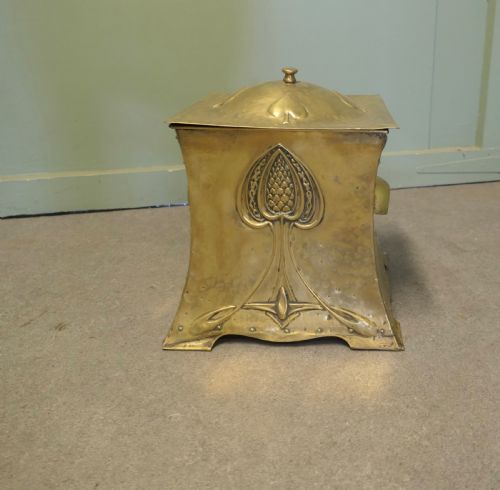
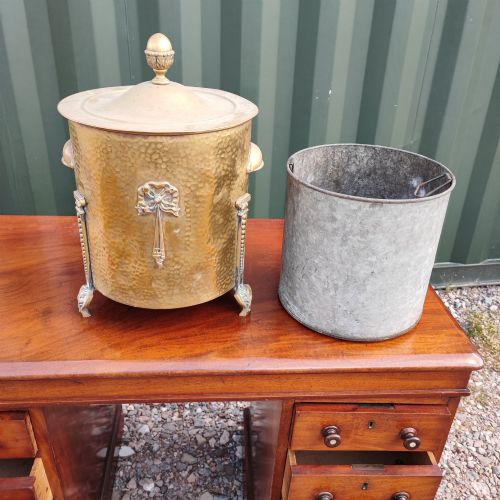
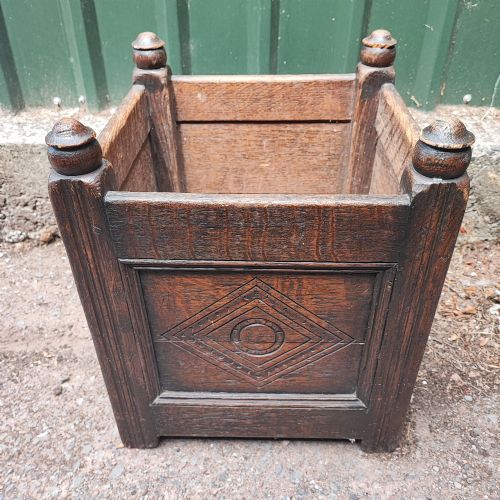
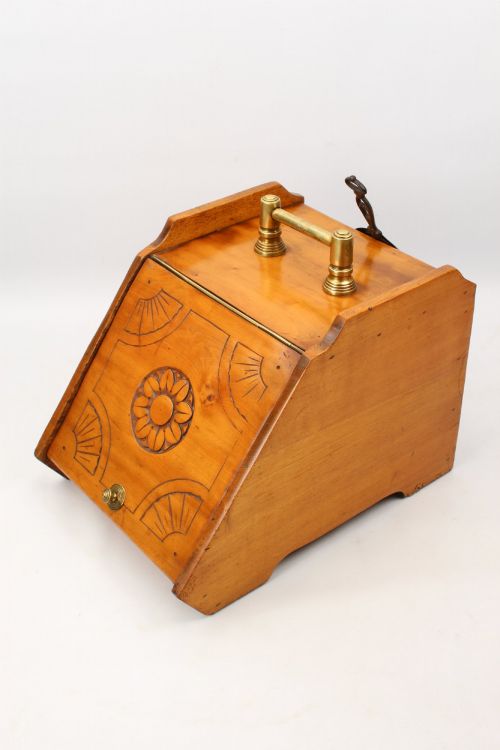
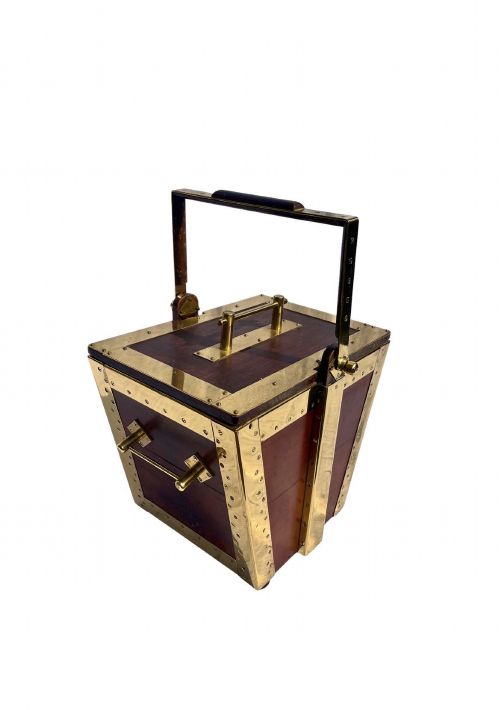
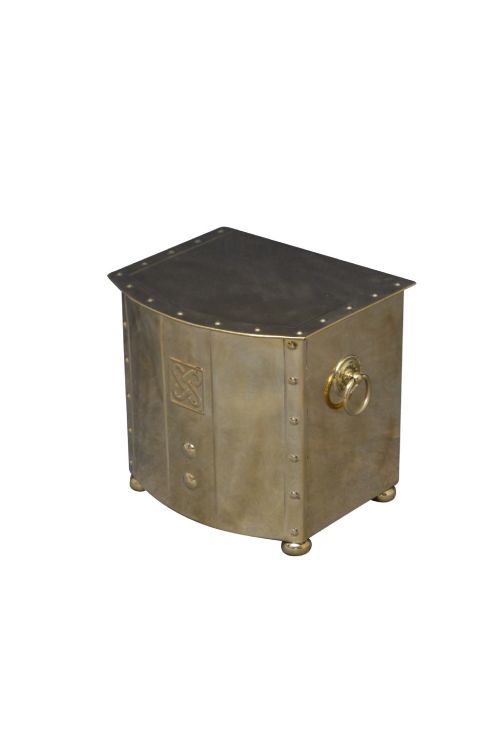
A vintage log box serves primarily as a fireside container for wood and coal, taking the form of bins, scuttles, purdoniums, and chests across this selection. The pieces span from the 19th century and Victorian eras through the Edwardian period and into the 1920s and 1930s.
Origins vary from English country houses to Scandinavian workshops and French interiors, reflecting regional preferences in both rustic country styles and more formal Victorian designs.
Materials and construction
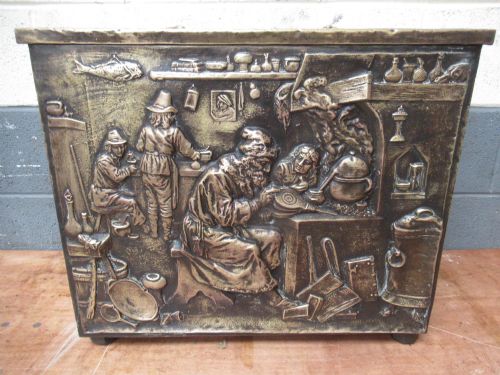
Decoration relied heavily on metalworking techniques, including embossed copper, brass fittings, and wrought iron work associated with the Arts and Crafts and Art Nouveau movements.
One industrious blacksmith turned his hand to fashioning a miniature coal wagon for the hearth.
Craftsmanship and materials
The distinction between standard utility items and finer pieces lies in the choice of materials, such as solid figured oak or walnut paired with heavy cast brass, versus simpler pine or industrial iron. Superior examples demonstrate thoughtful decorative details like spade motifs, repoussé copper panels, or inlaid mahogany woodwork.
Integrity of construction also separates pieces, with robust framing, secure metal banding, and intact original handles or shovel attachments indicating higher workshop standards.
Henry Loveridge
The Vintage Log Box Glossary
- Purdonium
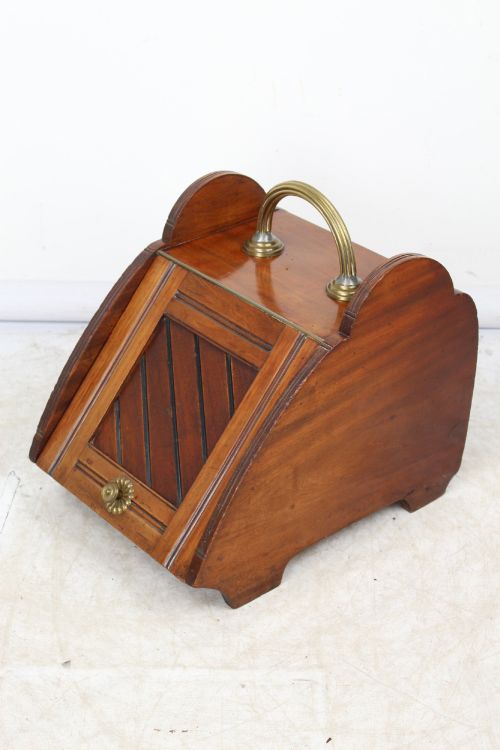
- A specialised coal or log cabinet featuring a sloping front door and a shovel compartment, popular during the Victorian and Edwardian periods. It kept fuel neatly enclosed beside the fireplace.
- Scuttle
- A metal bucket or container designed for carrying and storing solid fuel, often fitted with a pivoting handle and a shaped lip for pouring. Brass and copper versions frequently served a decorative fireside role.
- Arts and Crafts
- A design movement emphasising handcraftsmanship, natural materials, and simple forms. In fireside storage, it manifests as hammered copper panels and wrought iron fittings.
- Brutalist
- A style descriptor in these listings denoting heavy, unadorned industrial metal construction. It highlights raw textures and robust utility over decorative refinement.
Vintage Log Box: Frequently Asked Questions
What is a vintage log box?
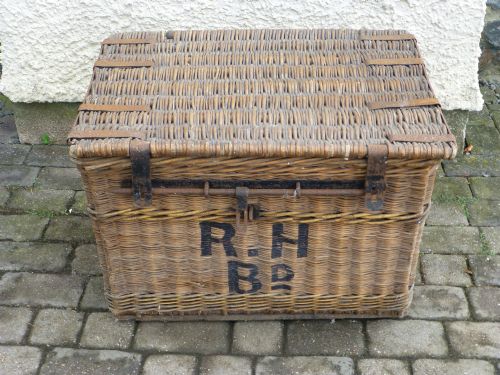
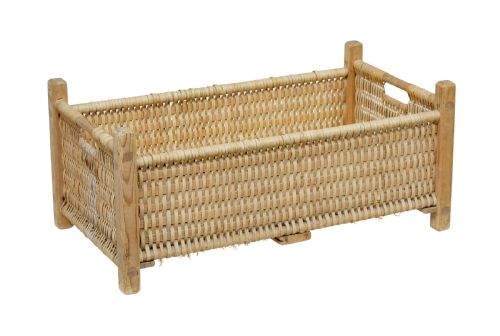
A vintage log box is a utilitarian container designed to hold firewood or coal beside a fireplace. They range from simple wooden chests and hand-woven pine baskets to ornate brass and copper purdoniums.
These pieces were built to endure the daily demands of stoking a fire while complementing the interior style of their respective period, from rustic country homes to formal Victorian parlours.
How were coal scuttles used?
Coal scuttles served to transport solid fuel from an outdoor store or cellar directly to the hearth. Their pivoting handles and shaped spouts allowed the user to tip fuel onto the fire cleanly.
Over time, many of these metal vessels transitioned into purely decorative fireside furnishings as central heating reduced the reliance on coal fires.
How do I date a wooden log box?
Dating relies on observing timber choices, construction methods, and stylistic cues present in the piece. Victorian and Edwardian examples often feature specific hardware, such as brass lion-mask handles or inlaid mahogany veneers.
Earlier 19th-century items typically display heavier hand-worked joinery, whereas 20th-century pieces may incorporate industrial elements or simpler utilitarian construction.
Can I use these boxes for modern storage?
These bins and chests function effectively for storing blankets, toys, or magazines in contemporary living spaces. Their sturdy wooden or metal construction provides durable everyday utility.
Placing them in a hallway or sitting room introduces period character while keeping household clutter neatly concealed.