



Edwardian Oak Purdonium
An edwardian oak purdonium is a purposeful fireside box designed to hold coal neatly beside the hearth.
Edwardian Oak Purdonium
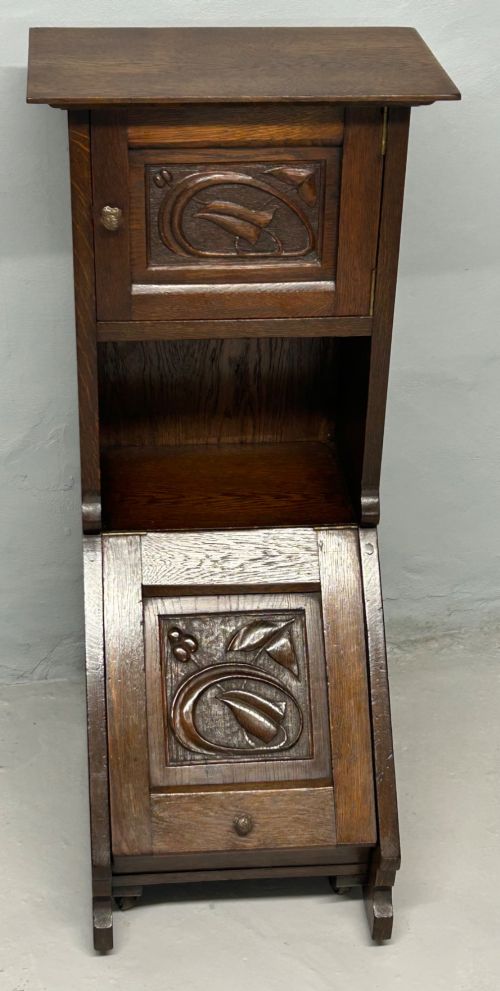
An edwardian oak purdonium is a practical fireside receptacle built to store coal close to the fireplace while keeping the room tidy. These pieces typically take the form of a hinged box or cabinet that houses a removable metal liner for carrying fuel.
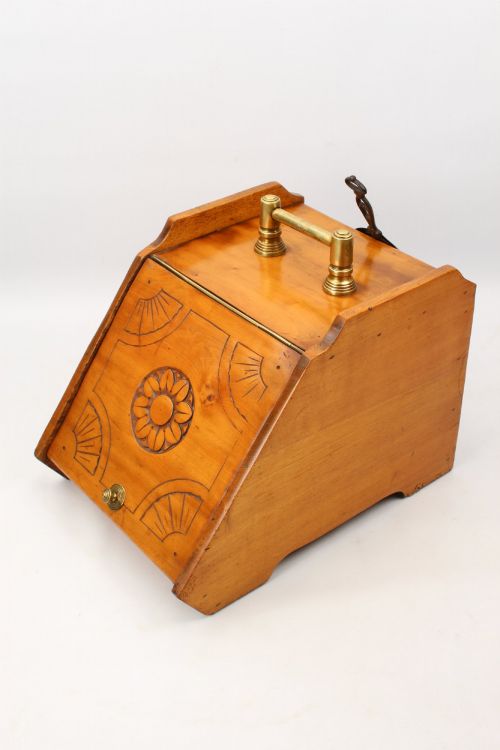
The versions met most frequently on this page date from the late Victorian and Edwardian eras, spanning the years around nineteen hundred. They range from plain, utilitarian wooden boxes to more elaborate carved designs that reflect the decorative tastes of the period.
Makers of the time often integrated storage space for a small coal shovel directly into the body of the purdonium. This thoughtful inclusion kept the hearth area orderly and ensured the necessary tools remained together.
How They Were Made
The construction of an edwardian oak purdonium relies primarily on solid wood and durable metals for everyday use. Craftsmen utilised sturdy oak timber for the exterior housing, frequently employing brass handles, hinges, and decorative mounts to strengthen the piece.
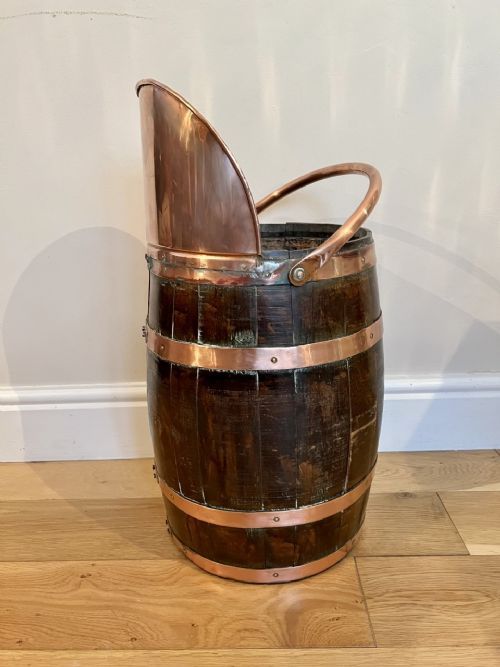
Internal components typically feature a removable metal liner made from iron, copper, or galvanised metal to contain coal dust and moisture. Many examples also incorporate detailed surface carving or copper binding to enhance their visual appeal by the fireside.
Edwardian Oak Purdonium Retail Price Guide 2026
Typical asking prices for edwardian oak purdonium among the pieces listed under this phrase on Sellingantiques today, from the lower quarter to the upper quarter. They describe what is for sale here now, not the wider market.
Many purdoniums include a hidden compartment designed specifically to keep the coal shovel out of sight.
What Varies in Quality
Quality in an edwardian oak purdonium is largely determined by the depth of craftsmanship evident in the woodwork and metal fittings. Finer examples display crisp, hand-carved ornamentation and robust joinery rather than simple machine cutting.
The choice of hardware also separates standard items from superior pieces. Solid brass mounts, original metal liners, and intact matching shovels indicate a higher standard of original manufacture.
Edwards and Roberts
The Edwardian Oak Purdonium Glossary
- Liner
- A removable metal insert that sits inside the wooden body of the coal box. This container protects the wood from moisture and allows the user to carry coal cleanly.
- Art Nouveau
- A decorative style popular around nineteen hundred characterised by flowing, organic lines and stylised plant motifs. Pieces from this movement often feature sinuous brass hinges and repoussé copper panels.
- Fireside Accessories
- Utilitarian and decorative objects kept near the hearth, including coal boxes, scuttles, and shovels. These items combined practical domestic function with the aesthetic standards of the period.
Edwardian Oak Purdonium: Frequently Asked Questions
What is an edwardian oak purdonium?
An edwardian oak purdonium is a specific type of fireside coal box produced during the early twentieth century. It combines a timber cabinet structure with a functional metal interior for domestic heating use.
These items were kept beside the fireplace to hold fuel discreetly and maintain a tidy living space. Their design often included compartments for a small shovel.
How do you use a purdonium?
A purdonium stores household coal near the hearth for convenient access during colder months. The internal metal liner can be lifted out independently to replenish the fuel supply outside.
The hinged front or drop-down door allows the user to scoop coal out cleanly. A matching shovel is frequently housed within or upon the cabinet for this purpose.
Where should I place it?
These pieces sit naturally beside a fireplace or stove in a reception room. Their traditional wooden construction allows them to blend easily with other period furniture.
Beyond the hearth, some owners utilise them as general storage containers in period interiors. They function well while retaining their historical character.
How do I care for the wood?
Maintenance involves keeping the oak clean with a dry cloth and applying occasional suitable wax polish. Avoiding excessive moisture protects the timber grain and the original finish.
The interior metal liner should be emptied and cleaned regularly to prevent debris buildup. Careful handling of the brass fittings preserves their original appearance.