




Edwardian Carved Coal Scuttle
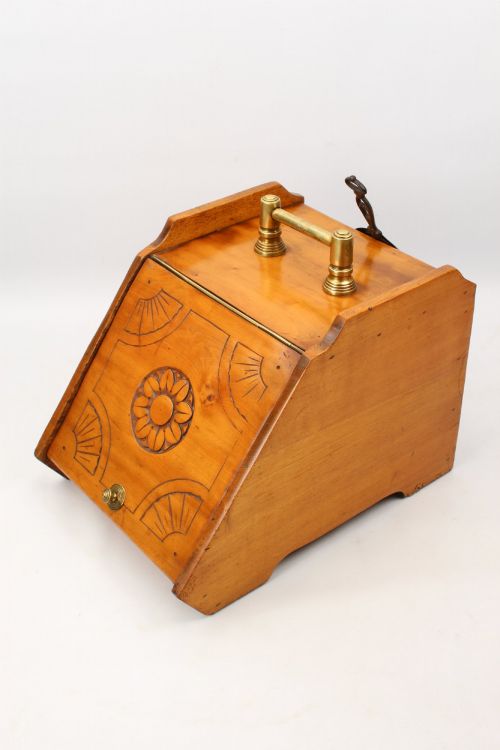
These edwardian carved coal scuttle pieces are robust fireside containers designed to hold fuel with considerable style.
Edwardian Carved Coal Scuttle
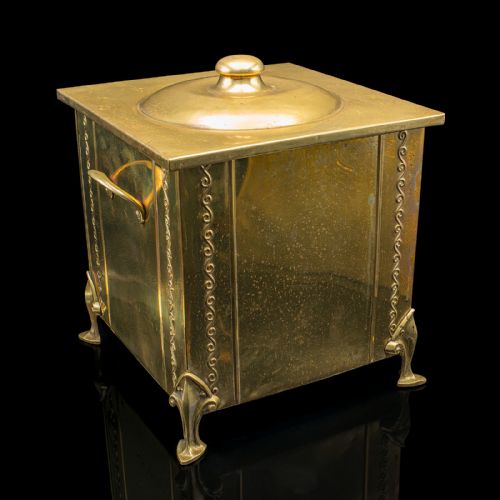
An edwardian carved coal scuttle is a practical fireside accessory built to store fuel neatly beside the hearth. Most examples on this page date from the Edwardian period and the late nineteenth century, taking the form of purdoniums, lidded boxes or traditional scuttles.
Makers shaped these pieces primarily as oak or mahogany cabinets and bins, frequently incorporating carved details to the front panels. They often arrive with original metal liners and matching shovels, designed for daily domestic utility.
How They Were Made
Joiners constructed these coal containers using solid hardwoods such as oak and mahogany, applying hand-carved decoration to the visible surfaces. Metal fittings, including brass handles, hinges and mounts, secure the structure and provide functional leverage.
Internal components typically feature galvanised or metal liners to contain coal dust and protect the surrounding timber from moisture. Silver plate and brass accents appear on specific models to elevate the finish.
Every proper coal box comes ready to harbour a hidden shovel, waiting to tidy up after the fire.
What Varies in Quality
The distinction between standard utility boxes and superior examples rests on the crispness of the carved woodwork and the selection of timber grain. Heavy oak and figured mahogany demonstrate a higher grade of cabinet-making than plain, utilitarian pine or mixed woods.
Hardware integrity also separates grades, with substantial brass mountings and original internal liners indicating better workshop origins. The survival of an accompanying shovel adds completeness to the piece.
The Edwardian Carved Coal Scuttle Glossary
- Coal Scuttle
- A vessel or bucket utilised for carrying and holding coal. Traditional forms include a hinged lid and a sturdy carrying handle.
- Fireside Companion
- An accessory or tool associated with the maintenance of an open hearth. These items include coal boxes, shovels and log stores.
- Marquetry
- Decorative woodwork where thin slices of different materials are applied to a structure to form intricate patterns. This technique appears on selected cabinet panels.
Edwardian Carved Coal Scuttle: Frequently Asked Questions
Are original liners usually included?
Many surviving examples retain their original metal liners, which protected the timber framework from moisture and coal residue. Finding a piece with its correct liner intact is common.
These liners lift out independently to make replenishment and cleaning straightforward for the user. They form an essential part of the internal construction.
How do I distinguish Edwardian from Victorian pieces?
Edwardian items frequently display lighter timber tones and distinct carving styles influenced by the early twentieth century. Victorian versions tend to utilise heavier proportions and darker finishes.
Examining the handles, hinges and overall cabinet silhouette helps clarify the manufacturing era. Both periods focused heavily on robust domestic utility.
Where should I place a coal box?
These boxes suit traditional hearth settings alongside active fireplaces or wood-burning stoves. They function effectively as wood stores or general fireside tidies.
The finished timber exteriors allow them to sit openly within a reception room as decorative furniture. Their sturdy construction handles everyday proximity to heat.