
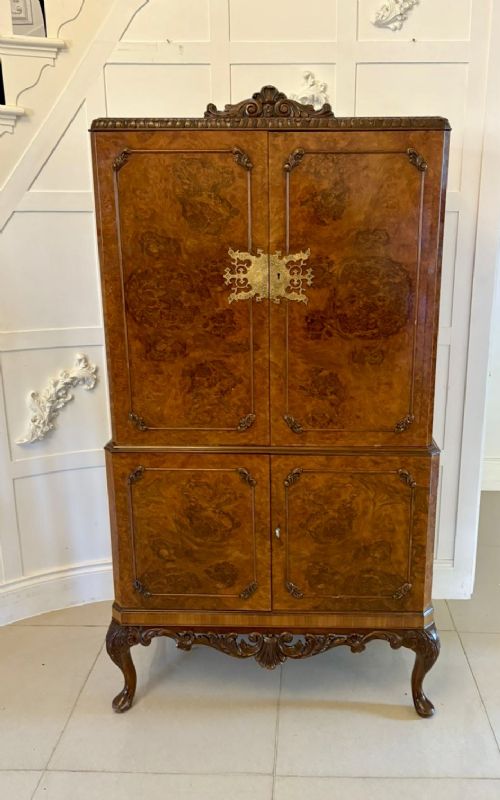

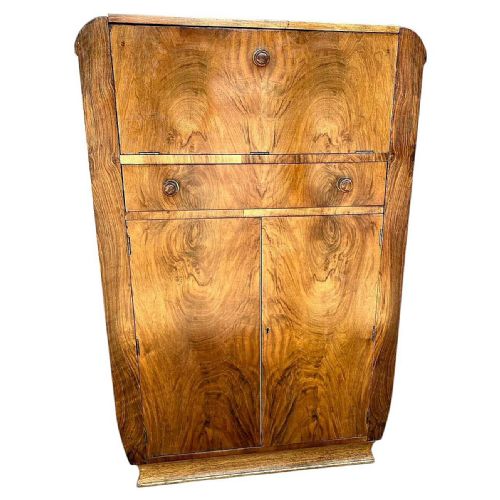
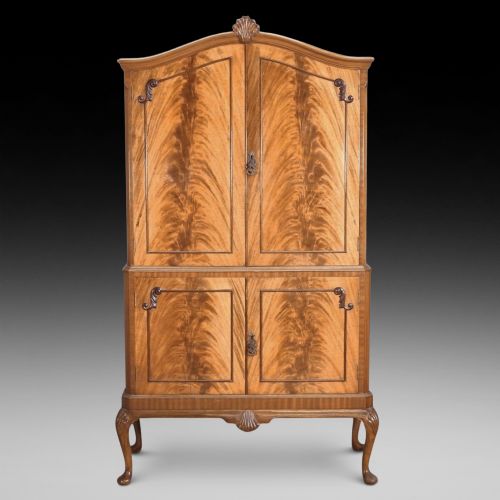
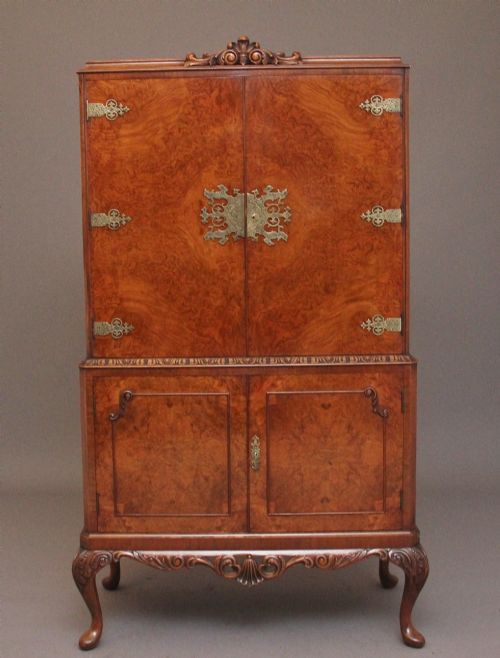


Vintage Liquor Cupboard
A vintage liquor cupboard brings genuine period character to entertaining, offering a dedicated home for bottles and glassware.
Vintage Liquor Cupboard
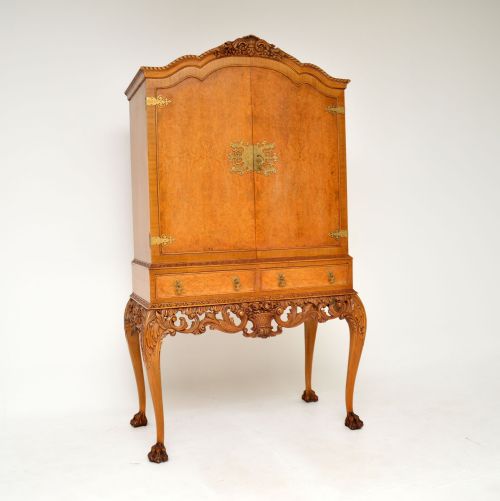
A vintage liquor cupboard encompasses a range of cocktail cabinets, drinks cabinets, and bar cabinets designed specifically to store spirits and glassware. When exploring this selection, buyers encounter formats spanning from compact side cabinets to grand cabinets on stand.
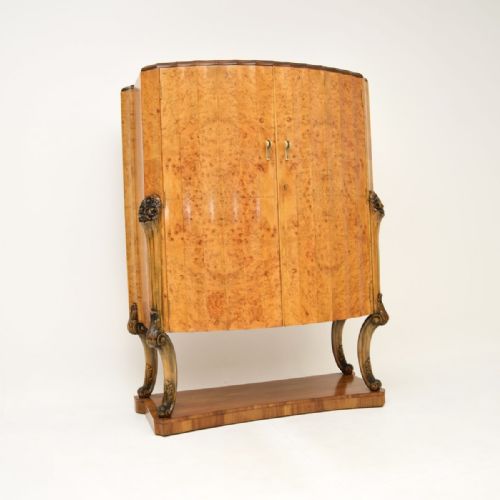
The objects originate from periods reaching from the eighteenth century through the Victorian and Edwardian eras, culminating in the distinct modernist expressions of the 1920s, 1930s, and mid-twentieth century. Art Deco and Queen Anne Revival styles dominate the visual landscape.
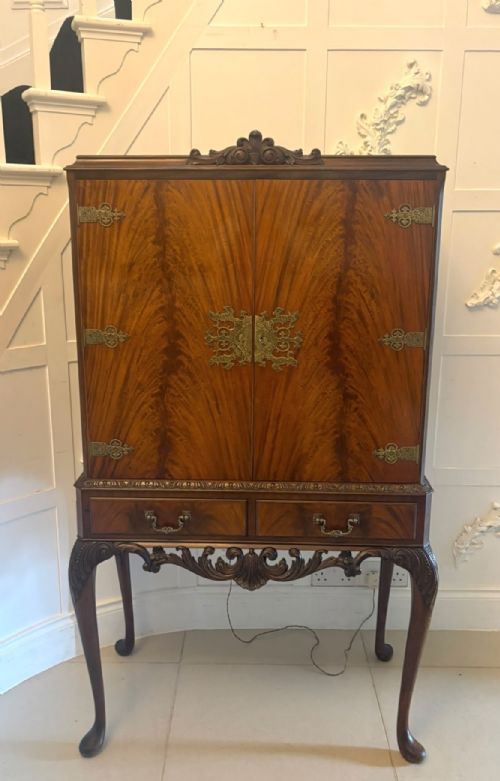
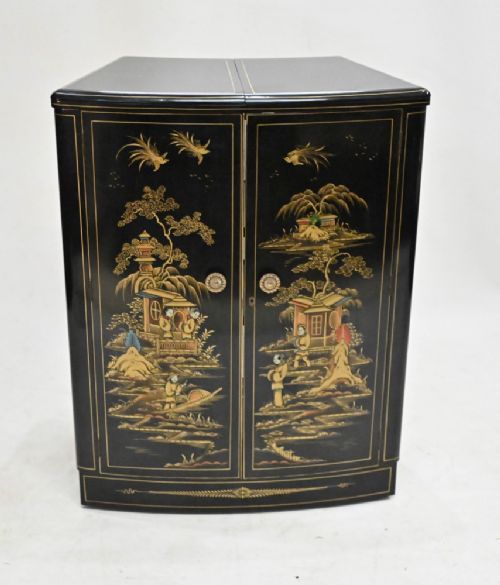
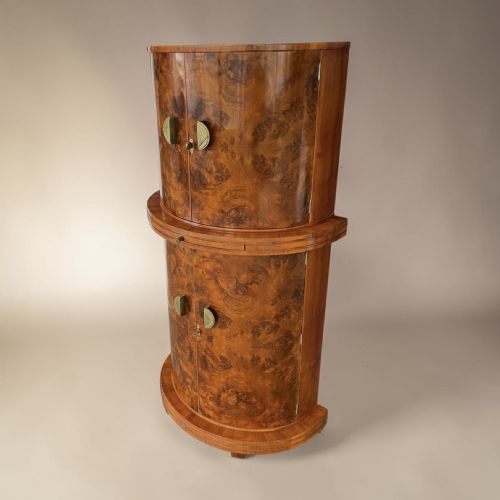
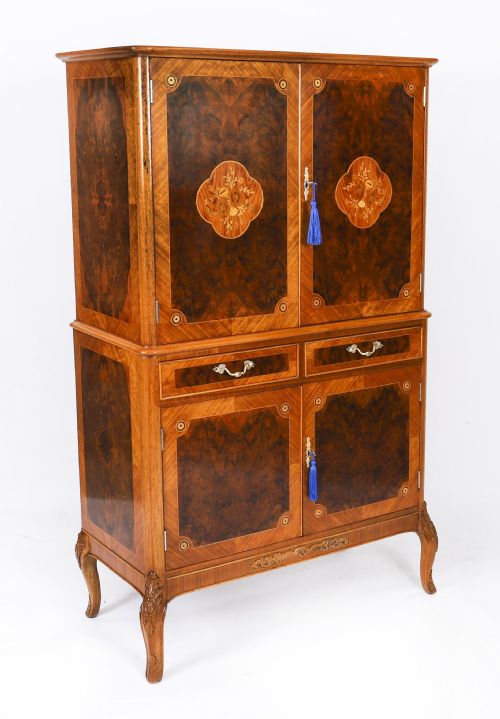
Burr walnut and mahogany form the backbone of these pieces, frequently paired with mirrored interiors and brass hardware. Certain examples embrace decorative lacquerwork or marquetry inlay to create a striking focal point in a reception room.
How they were made
Cabinetmakers utilised rich timber veneers such as burr walnut and figured mahogany applied over solid wood carcases, often creating curved serpentine shapes or geometric marquetry patterns. Brass hinges, locks, and handles provide durable mechanical function alongside decorative contrast.
Interior surfaces frequently incorporate mirrored glass backings and pull-out glass serving slides designed to withstand the preparation of drinks. Lacquered finishes, notably in Chinoiserie styles, involve meticulous layering of pigment and varnish to achieve a glossy decorative skin.
Several vintage liquor cupboards still retain hidden bottle wells and mirrored mixing slides ready for the next cocktail hour.
What varies in quality
The distinction between standard production and the top of the range rests on the selection of timber veneers and the ambition of the design. Heavily figured burr walnut and intricate marquetry demand exceptional skill from the cabinetmaker, elevating the visual weight of the piece.
Internal planning dictates the sophistication of the object, distinguishing basic shelving from fitted interiors with pull-out slides, specialised glassholders, and integrated illumination. Maker attribution further separates utilitarian storage from bespoke studio production.
Epstein·Hille·Harrods·Waring and Gillow
The Vintage Liquor Cupboard Glossary
- Burr walnut
- A prized timber veneer harvested from the wart-like growths on walnut trees, yielding highly swirling, organic grain patterns. It forms the primary decorative surface for many twentieth-century drinks cabinets.
- Cocktail cabinet
- A specialised piece of furniture fitted with internal storage for bottles, shakers, and glassware, often featuring a drop-down flap that serves as a mixing shelf. These items gained immense popularity during the Art Deco period.
- Marquetry
- The art of applying small pieces of veneer to a structure to form decorative patterns and pictorial designs. Cabinetmakers utilise contrasting timbers to create geometric or floral motifs.
- Chinoiserie
- European decorative style inspired by Chinese artistic traditions, characterised by painted or lacquered motifs depicting figures, landscapes, and pagodas. It appears on select twentieth-century lacquered cabinets.
- Cabinet on stand
- A freestanding storage compartment elevated upon a separate open framework of legs and stretchers. This architectural format provides visual lightness to heavier timber case pieces.
Vintage Liquor Cupboard: Frequently Asked Questions
How do I use a vintage liquor cupboard?
These pieces function as dedicated home bars, offering internal shelving for spirit bottles and specialised racks for glassware. Many feature drop-down doors that double as preparation surfaces for mixing drinks.
Interior mirrored panels and integrated lighting enhance the display of crystal decanters and cocktail accessories during social gatherings.
What is the difference between Art Deco and Queen Anne Revival styles?
Art Deco pieces embrace streamlined modernism, geometric marquetry, and high-gloss burr walnut surfaces that reflect 1920s and 1930s design trends. They prioritise bold shapes and functional interior engineering.
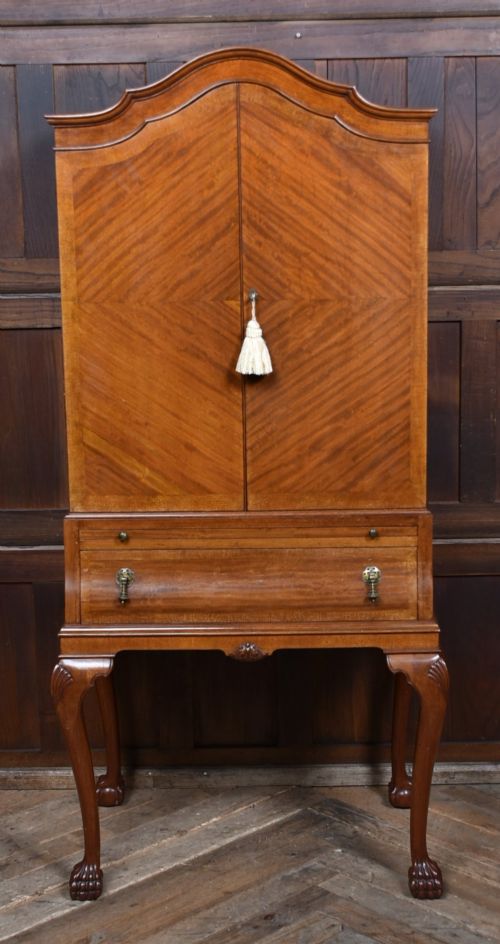
Queen Anne Revival items draw upon eighteenth-century vocabulary, featuring restrained mahogany or walnut surfaces, cabriole lines, and traditional proportions adapted for modern entertaining.
Where should I place a cabinet on stand?
A cabinet on stand works best against a principal wall in a dining room, study, or living space where its elevated proportions remain unobstructed. Because the base is open, it creates a lighter visual footprint than a floor-standing chest.
Ensure the placement allows adequate clearance for any drop-down doors or side-opening compartments to function smoothly.
How do I identify the period of a drinks cabinet?
Dating relies on combining timber types, hardware construction, and stylistic cues such as lacquerwork or veneering techniques. Art Deco and 1930s examples often feature stepped profiles and burr walnut, while earlier Victorian or Edwardian pieces display heavier solid mahogany.
Internal fittings, electrical wiring for illuminated interiors, and maker signatures provide further clues to the decade of manufacture.