
Vintage Linen Storage Cabinet
A vintage linen storage cabinet is a substantial piece built to organise household textiles, bringing traditional craftsmanship and generous proportions to contemporary rooms.
Vintage Linen Storage Cabinet
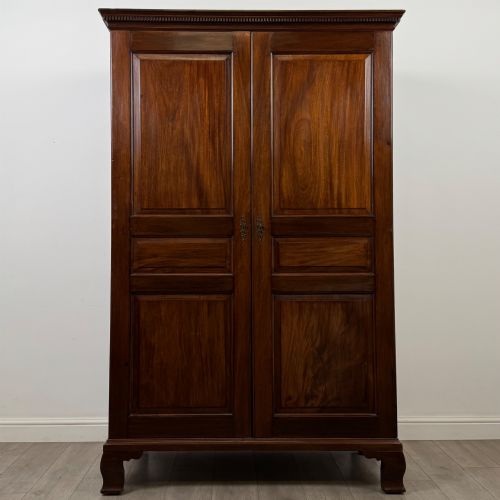
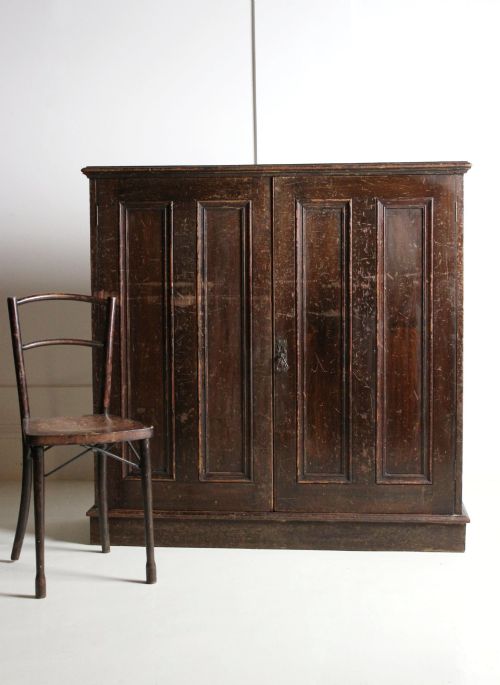
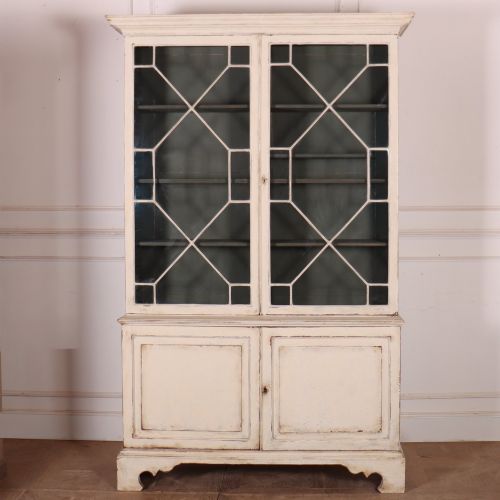
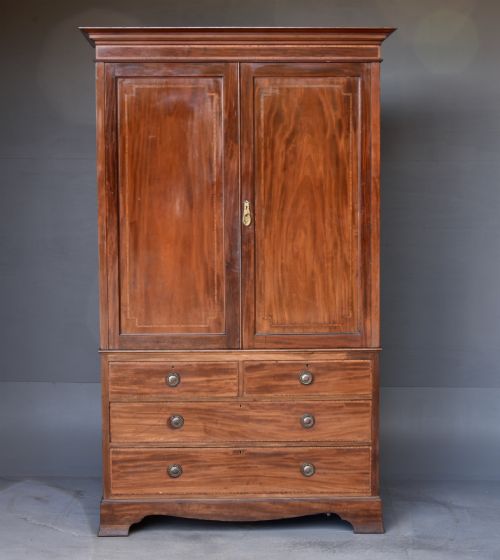
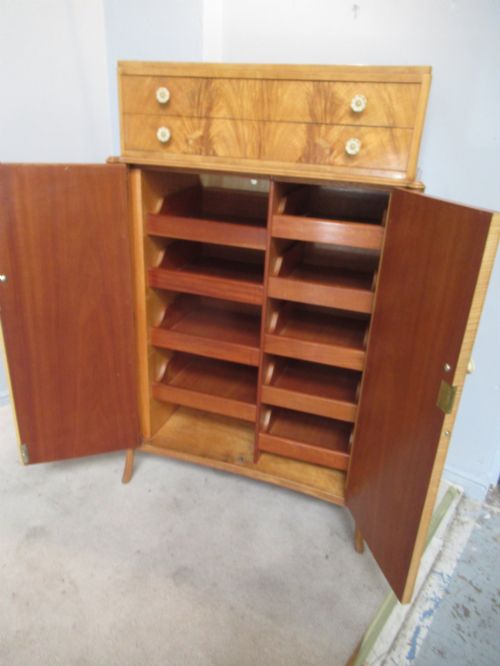
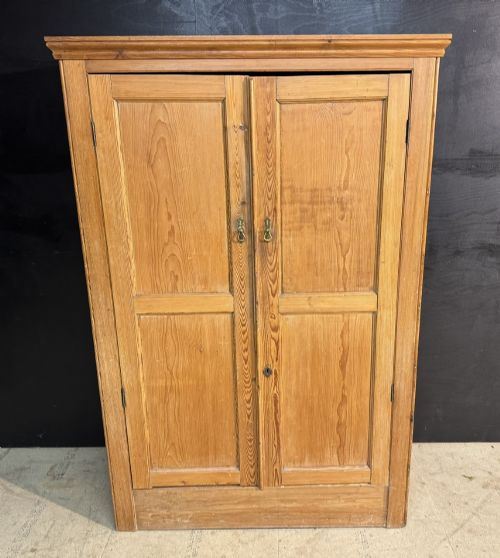
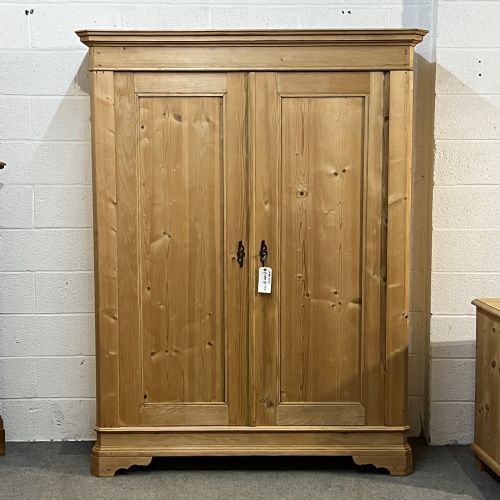
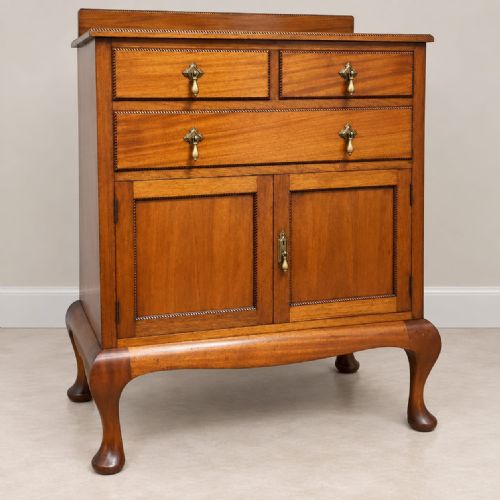
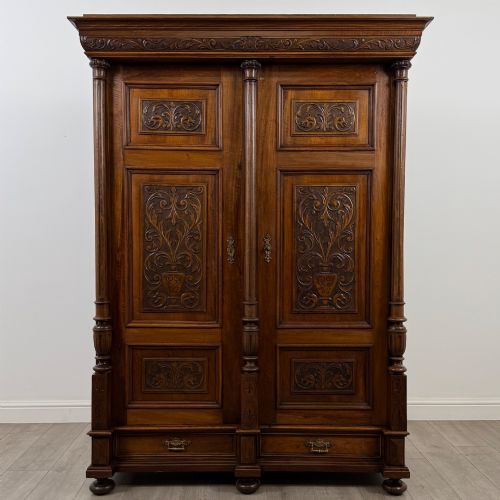
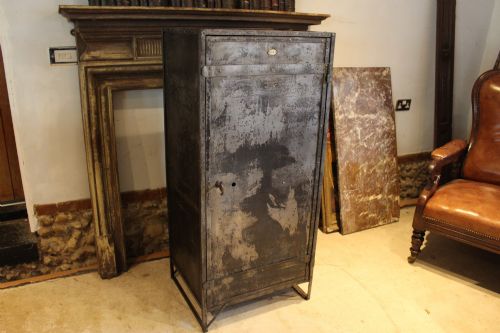
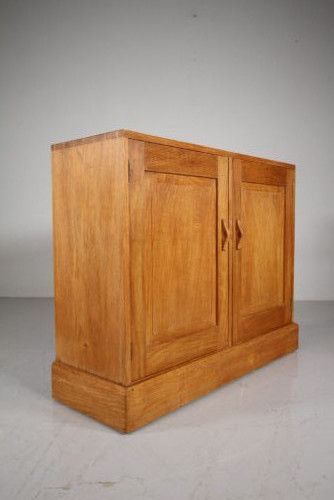
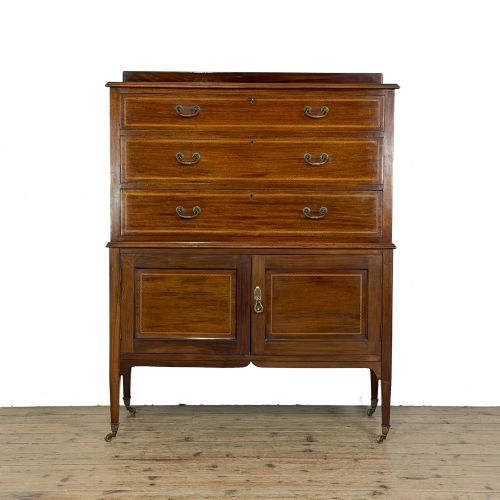
A vintage linen storage cabinet encompasses traditional forms such as linen presses, tallboys, housekeeping cupboards and armoires designed for domestic utility. Pieces originating from the nineteenth century and the Edwardian era predominate, alongside examples from the 1930s and earlier Georgian periods. Buyers encounter varied formats, ranging from two-door wooden cupboards on bun feet to tall mahogany chests and painted pine storage units.
The domestic function of these items dictated their internal architecture, which typically combined sliding trays or shelves with deep lower drawers. Many examples emerge from English workshops, while others reflect French provincial traditions or Scandinavian design influences. These functional containers served bedrooms, landings and housekeepers' rooms to keep textiles protected and orderly.
Materials and technique
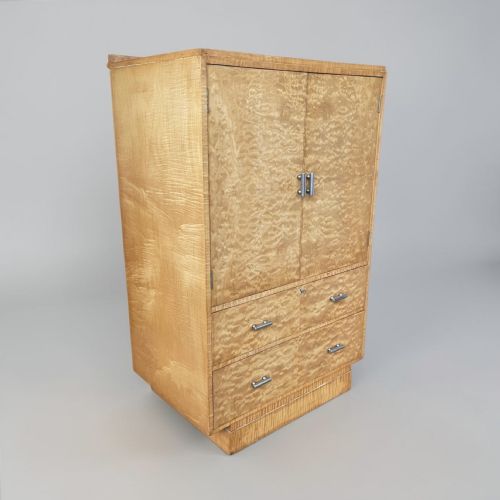
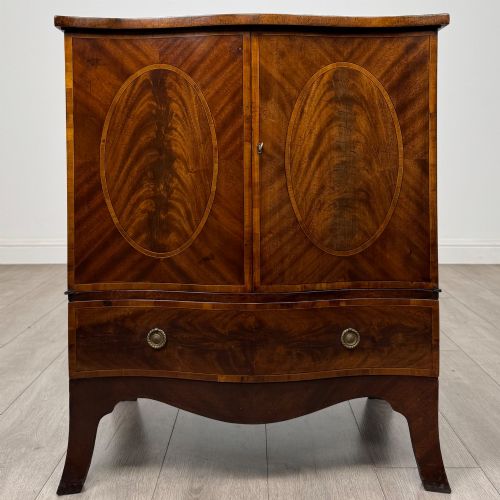
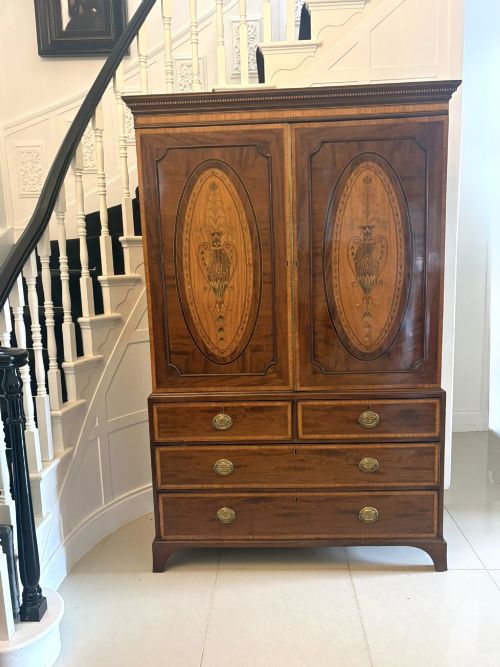
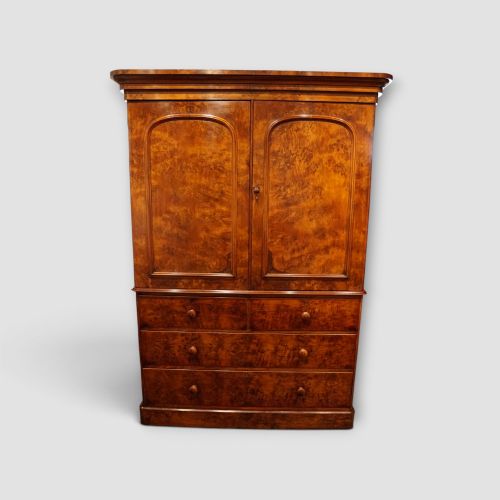
Cabinetmakers relied heavily on timbers such as mahogany, oak, pine and walnut, frequently enhancing surfaces with burr veneer, satinwood inlay or painted finishes. Construction methods included dovetailed drawer boxes, fielded panels and brass hardware, ensuring structural endurance across decades of daily domestic use. Scumble paint and lacquer finishes also appear on specific regional or period examples.
Cornices and plinths often received decorative treatment, including blind fretwork carving or moulded arches, while doors swung on sturdy butt hinges. Master joiners selected solid woods for frames and secondary timbers for internal linings, balancing visual weight with functional stability.
The listings feature diverse timber selections, ranging from dark mahogany and walnut to pale pine, golden oak and painted finishes.
Material integrity and proportion
Quality rests in the selection of timber veneers and the crispness of decorative details such as inlaid banding and fretwork cornices. Superior examples retain their original internal linen slides, brass fittings and working locks rather than altered shelving.
Proportion and structural retention separate standard utilitarian items from finer cabinetwork, particularly in how doors hang and drawers run within their carcases. Original painted or waxed surfaces also carry greater appeal than stripped or heavily modernised timber.
maples & co
The Vintage Linen Storage Cabinet Glossary
- Linen Press
- A tall piece of furniture featuring upper doors enclosing sliding trays for folded textiles, mounted above a chest of base drawers. This form evolved to protect household linens from dust.
- Tallboy
- A vertical chest of drawers standing upon another chest or a low base, maximising storage within a compact floor footprint. Georgian and Edwardian makers favoured this proportion for bedrooms.
- Compactum
- A fitted wardrobe divided internally into compartments for different types of clothing and linen. Art Deco iterations often combined hanging space with shoe racks and shelving.
- Scumble
- A decorative paint technique simulating wood grain or creating a mottled finish over a base coat. Nineteenth-century housekeepers cupboards frequently display this treatment.
- Blind Fretwork
- Carved ornamentation applied to a solid background without piercing right through the timber. This decorative moulding often defines the cornices of mahogany presses.
Vintage Linen Storage Cabinet: Frequently Asked Questions
What is the difference between a wardrobe and a linen press?
A wardrobe provides vertical hanging space for garments behind full-length doors, whereas a linen press pairs upper cupboard doors with internal sliding trays or shelves above lower drawers.
Historically, the press was constructed specifically for flat-stored household textiles like sheets and tablecloths before modern closets became standard in homes.
How do I care for a antique wooden cabinet?
Protect antique timber surfaces by maintaining steady room temperatures away from direct heat sources and strong sunlight, which can dry out old wood.
Apply natural beeswax periodically to nourish polished mahogany, oak or pine finishes while avoiding harsh chemical cleaning products that strip patination.
Can these cabinets fit modern bedroom spaces?
Many vintage storage pieces offer generous internal capacity while maintaining a smaller floor footprint than modern fitted furniture.
Buyers should measure ceiling heights and doorway clearances carefully before purchase, as older pieces often feature deep cornices and solid, non-demountable frames.
How are different periods identified?
Cabinet styles reveal their eras through specific construction traits, hardware choices and decorative motifs, such as Georgian mahogany inlays or Art Deco geometric walnut veneers.
Drawer dovetail construction, timber selection and backboard fixings provide further physical evidence for dating an item accurately.