
Traditional Burr Walnut Furniture
Traditional burr walnut furniture brings together rich, swirling timber patterns and classic forms originating from the eighteenth century onwards.
Traditional Burr Walnut Furniture
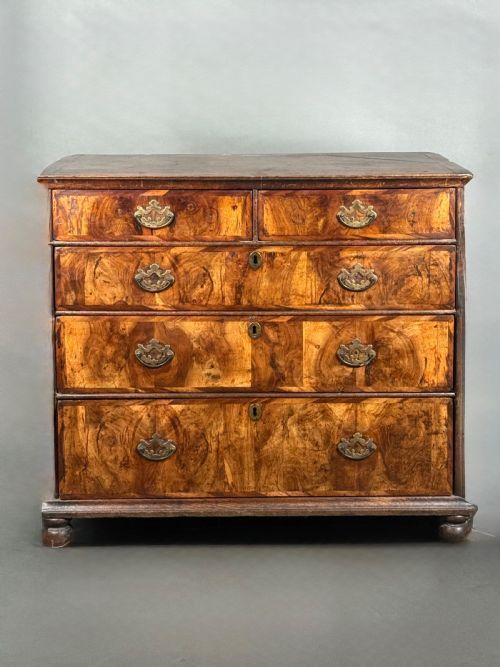
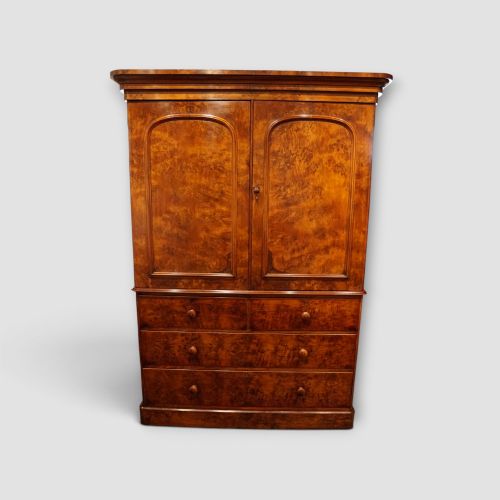
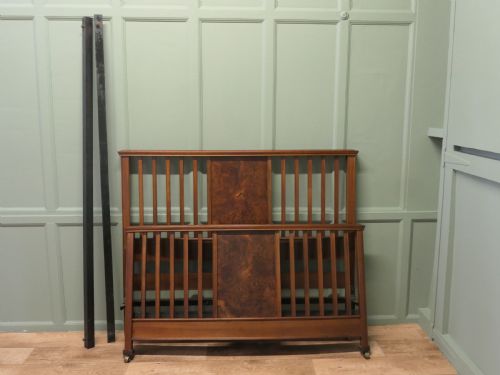
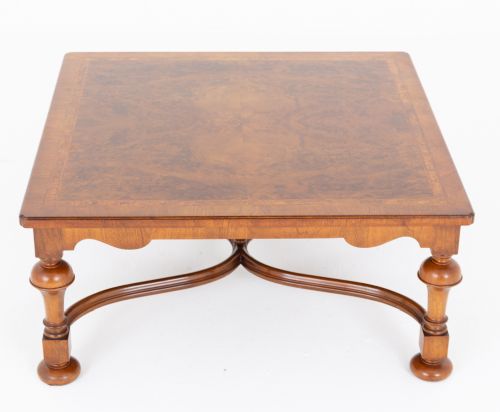
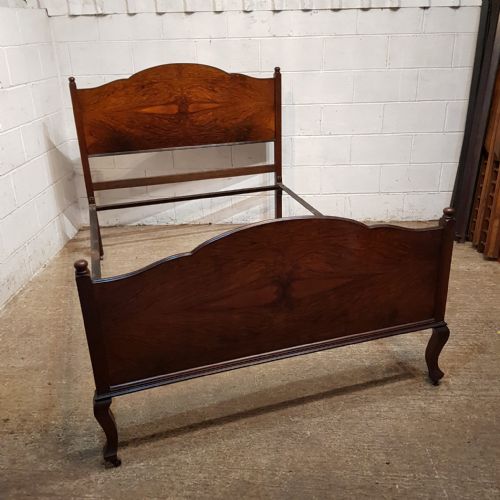
Traditional burr walnut furniture encompasses practical household items such as desks, chests of drawers, beds, and tables constructed from richly figured wood. Pieces span several eras, stretching from early eighteenth-century examples up through Victorian, Edwardian, and twentieth-century revivals.
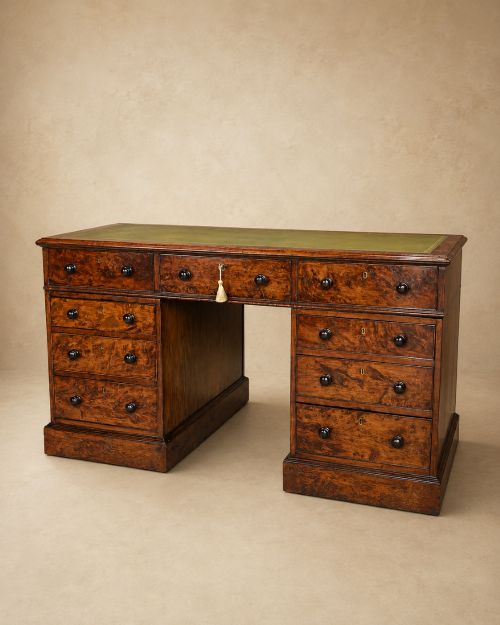
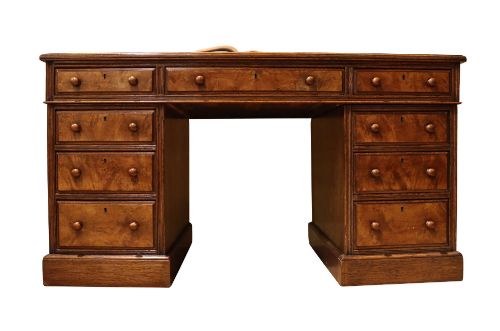
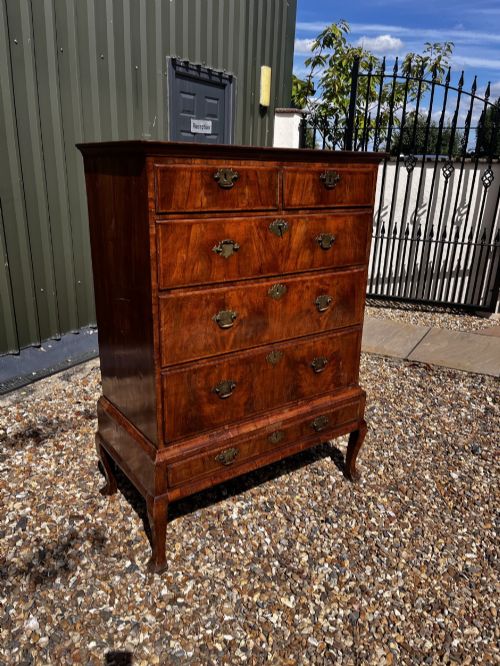
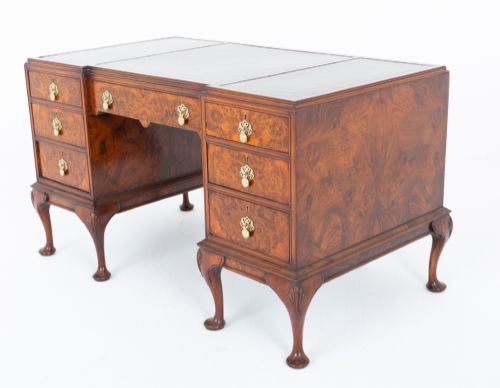
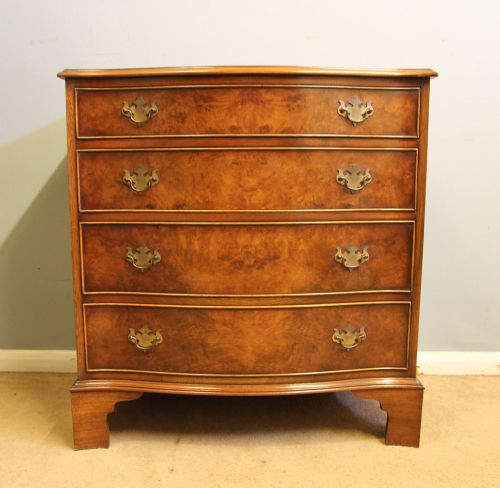
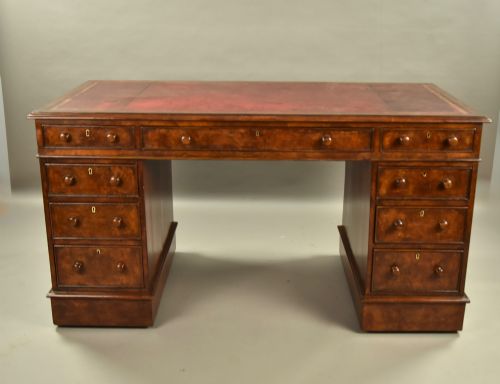
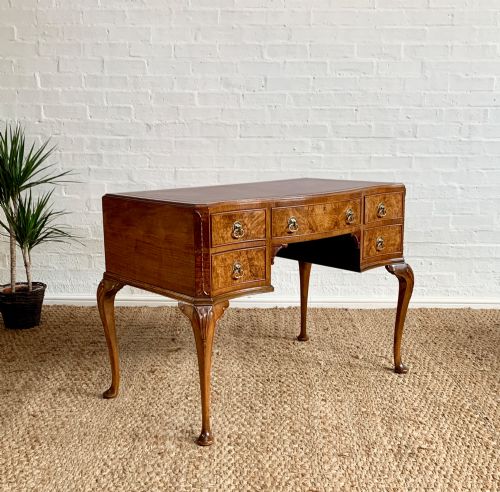
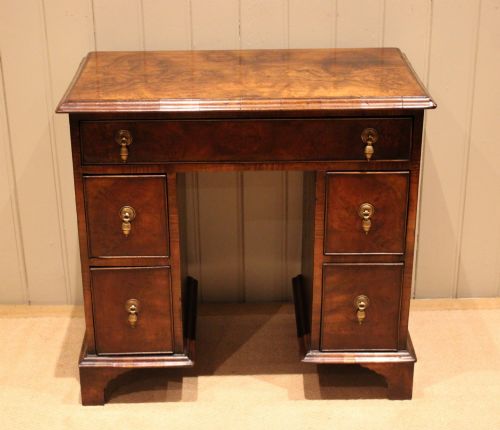
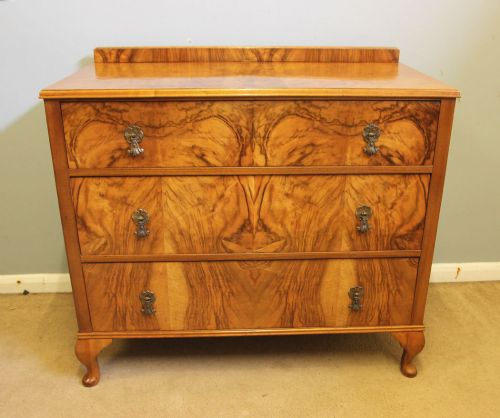
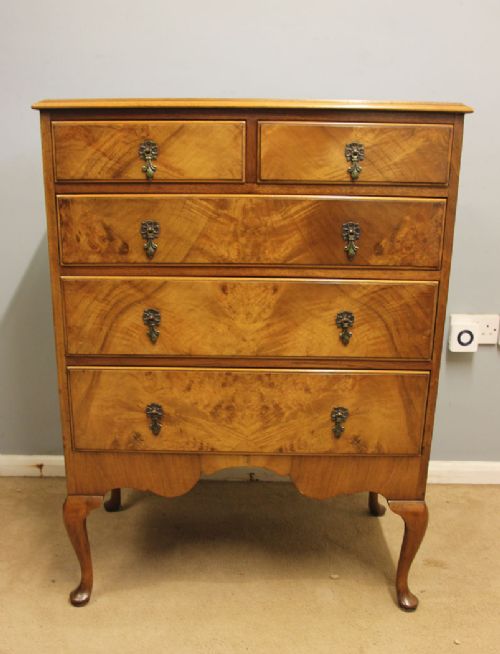
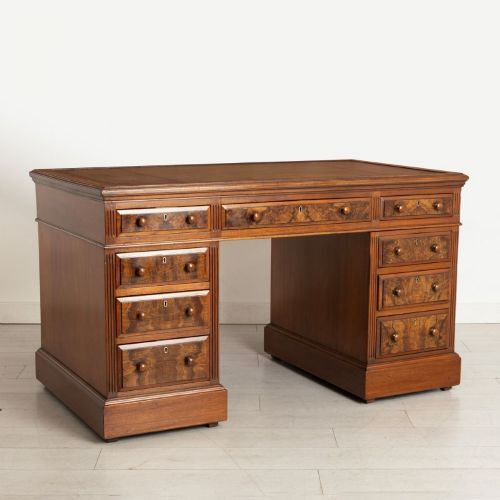
Desks and chests of drawers dominate the available selection, often following Georgian proportions or Queen Anne styling. Buyers encounter everything from compact pedestal desks and writing tables to large partners desks and tallboys.
Revival pieces from the early twentieth century sit alongside genuine nineteenth-century and earlier antiques. Cabinet makers across these periods utilised the distinctive burr veneers to create striking surfaces on functional furniture.
Materials and construction
Makers prized burr walnut for its complex, swirling grain patterns formed by growths on the tree, slicing it into thin veneers to apply over secondary timbers such as pine or oak. Solid walnut, oak, and brass hardware frequently supplement the primary burr surfaces on desks and chests.
Cabinet makers combined these figured veneers with traditional joinery techniques, building structural carcases from sturdier woods while displaying the decorative grain on drawer fronts, tabletops, and bureau flaps.
The listings span from the early eighteenth century through to the nineteen-thirties, featuring brass, oak, and leather alongside burr walnut.
Assessing quality
Quality rests primarily in the visual impact and consistency of the burr walnut veneer across the surfaces of a desk or chest. Finer examples display balanced, symmetrical grain matching across drawer fronts and tabletops.
The depth of colour, surface patina, and the crispness of secondary woods like oak or pine determine the standing of an individual piece. Proportion and structural integrity further distinguish standard production items from finer workshop pieces.
Wylie & Lochhead Glasgow·Gillow & Co·Epstein and Co
The Traditional Burr Walnut Furniture Glossary
- Burr walnut
- A veneer taken from a tree growth or burl, yielding a swirling, highly decorative grain pattern. It forms the primary decorative surface on these cabinets and desks.
- Partners desk
- A large double-sided desk designed for two people to work opposite one another, frequently fitted with drawers and cupboards.
- Tallboy
- A tall chest of drawers, often constructed as a chest on chest or a single tall unit providing substantial vertical storage.
- Pedestal desk
- A desk comprising a writing surface supported by two independent banks of drawers forming pedestals.
- Patina
- The surface sheen and mellowing of colour acquired by wood over centuries of exposure and gentle polishing.
Traditional Burr Walnut Furniture: Frequently Asked Questions
How do I care for burr walnut?
Keep wooden furniture away from direct sunlight and sudden temperature shifts to protect the delicate veneer and underlying timbers.
Apply traditional beeswax occasionally and buff gently with a soft cloth to maintain the natural sheen and patina without damaging the finish.
Are these pieces suitable for daily use?
Most desks, chests, and tables retain their original structural integrity and serve practical functions in modern homes.
Careful placement and sensible handling ensure these antique wooden surfaces withstand everyday demands.
How do I spot a revival piece?
Twentieth-century revival items often exhibit cleaner internal construction methods alongside classic Queen Anne or Georgian styling cues.
Comparing the secondary woods, handles, and overall wear helps distinguish early twentieth-century interpretations from eighteenth-century originals.
What is a partners desk used for?
A partners desk provides dual workspaces with drawers and cupboards accessible from both sides of the piece.
Historically utilised in offices and libraries, these large desks suit spacious rooms requiring central placement.