


Vintage Leather Stool
A vintage leather stool combines utility with character, offering sturdy seating or a footrest grounded in materials like mahogany, oak, and brass.
Vintage Leather Stool
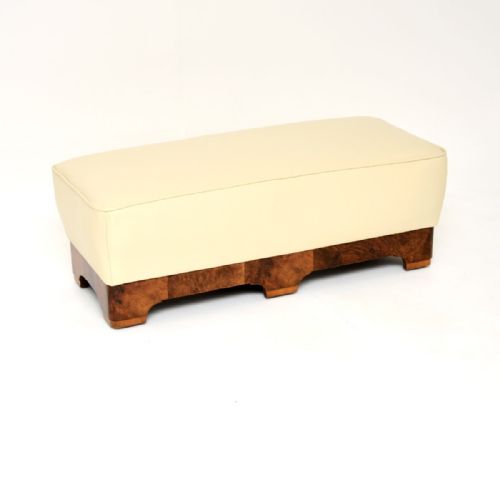
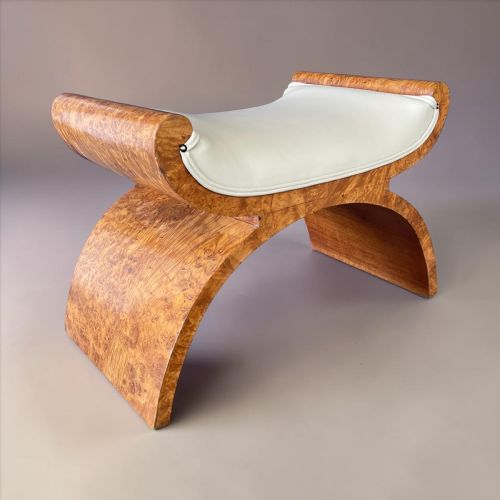
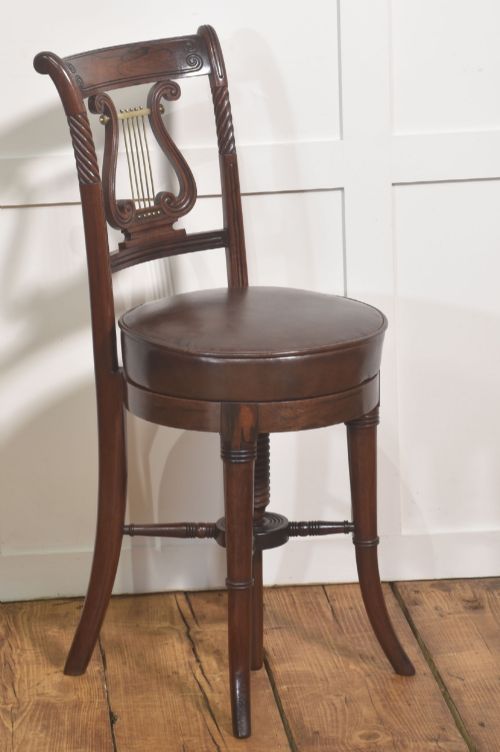
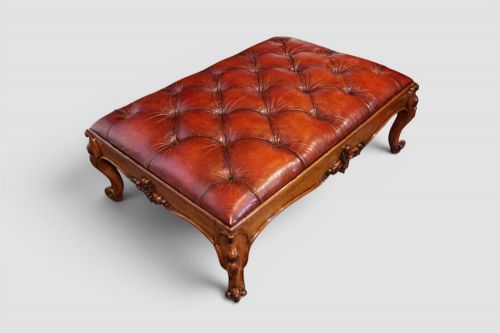
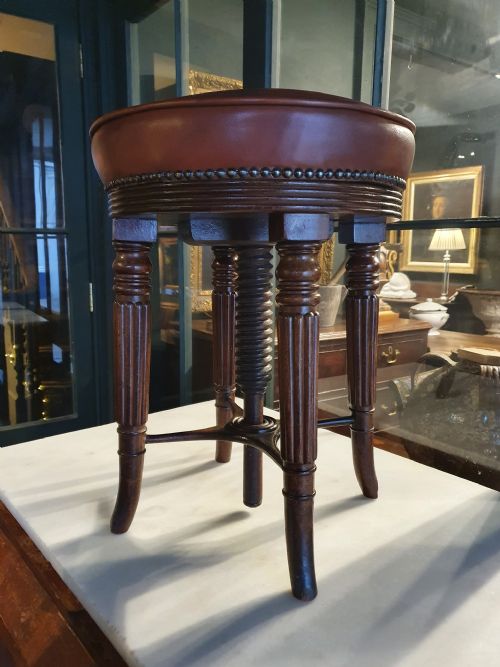
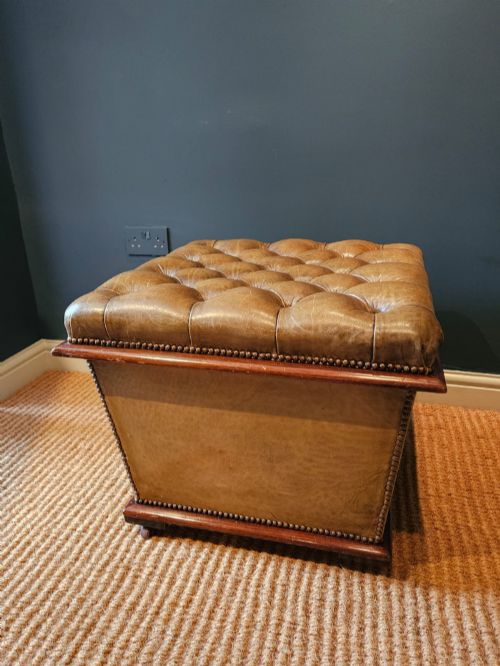
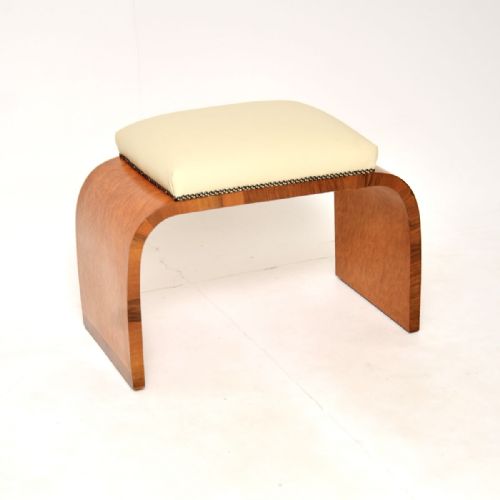
When you search for a vintage leather stool, you encounter a varied selection spanning the nineteenth and twentieth centuries, including Victorian buttoned footstools, Edwardian piano stools, and Art Deco walnut designs.
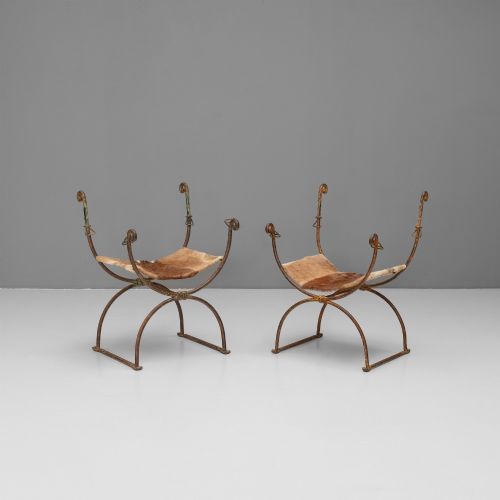
The material vocabulary ranges widely across these periods, pairing leather with timbers such as mahogany, oak, burr walnut, satinwood, and yew wood, alongside metal and brass accents.
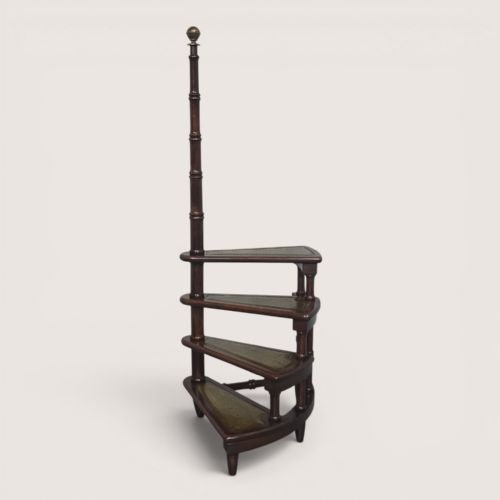
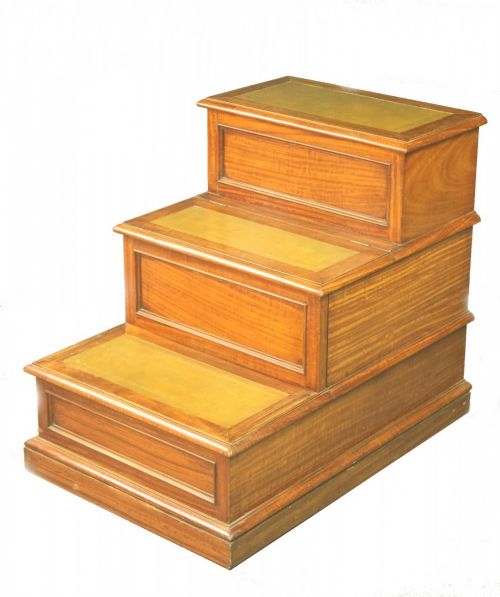
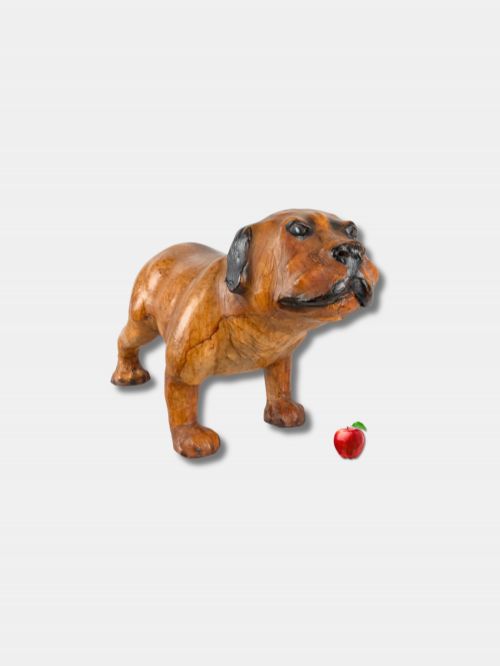
Beyond standard footstools and ottomans, the category incorporates library steps with leather-topped treads, metamorphic pieces, tall bar stools, and figural animal designs from workshops like Omersa.
Materials and Construction
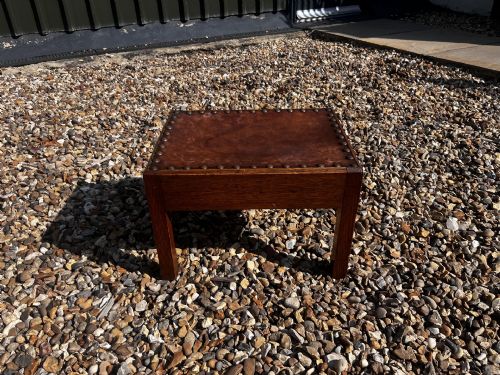
Cabinetmakers utilised dense hardwoods like mahogany, oak, and walnut to build robust frames, frequently incorporating hand-carved details or sleek geometric veneers depending on the period.
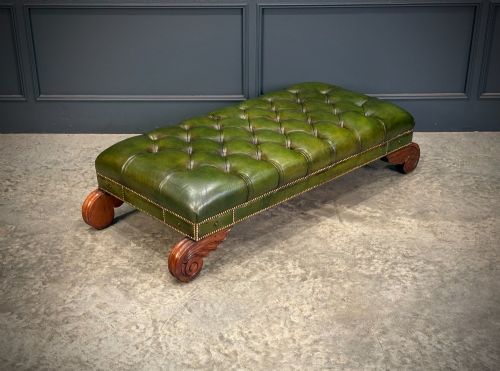
Upholstery methods relied on durable hides, often hand-dyed or buttoned in styles ranging from Regency green to deep oxblood, secured with brass tacking or tailored stitching over solid foundations.
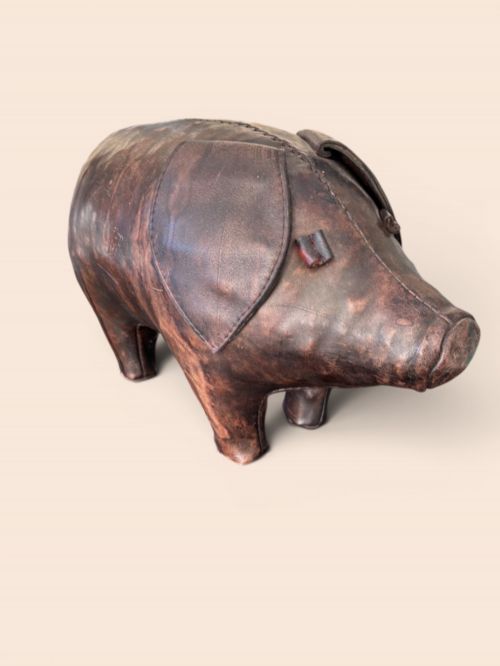
Several leather pigs stand ready to support tired feet after a long day.
Judging Quality
Quality rests in the integrity of the timber frame and the depth of the leather hide, where substantial framing and patinated, hand-dyed surfaces distinguish superior examples.
Refinement of detail, from carved lion heads on oak to precise buttoning and the structural soundness of metamorphic library steps or revolving mechanisms, dictates the standing of a piece.
Arthur Simpson Of Kendal·Harry and Lou Epstein·Omersa Workshop·Liberty's
The Vintage Leather Stool Glossary
- Metamorphic
- Describing furniture designed to transform into another form, such as library steps that fold into a chair. These clever designs combined practical household functions.
- Buttoned
- An upholstery technique where indentations are formed by pulling twine deep into the stuffing and securing it with buttons. This creates a tufted surface that holds padding firmly in place.
- Library Steps
- A set of portable stairs used to reach high bookshelves, frequently featuring leather-inserted treads to provide grip and protect the wood.
- Gout Stool
- An adjustable footrest designed to elevate the foot and angle the support, commonly utilised in the Edwardian period for comfort.
- Burr Walnut
- A veneer taken from the growth growths of a walnut tree, prized for its swirling, highly figured grain patterns on Art Deco frames.
Vintage Leather Stool: Frequently Asked Questions
What periods do these stools cover?
The pieces span from the Regency and Victorian eras through the Edwardian period into Art Deco designs of the 1930s.
Materials range across traditional hardwoods and leathers typical of each distinct design movement.
How do I identify a library step stool?
Library steps feature tiered treads, often inset with leather panels, designed to assist in reaching high shelves.
Some examples include metamorphic mechanisms that allow the steps to fold down into a chair.
Are animal shaped stools common?
Novelty leather animal footstools, such as pigs, appear from twentieth-century makers like Omersa for Liberty.
These pieces use stiffened leather over a frame to create functional seating with whimsical forms.
What wood types are used?
Frames employ hardwoods such as mahogany, oak, walnut, burr walnut, satinwood, and yew wood.
Metal and brass details frequently accompany these timbers on tall bar stools and revolving piano seats.