



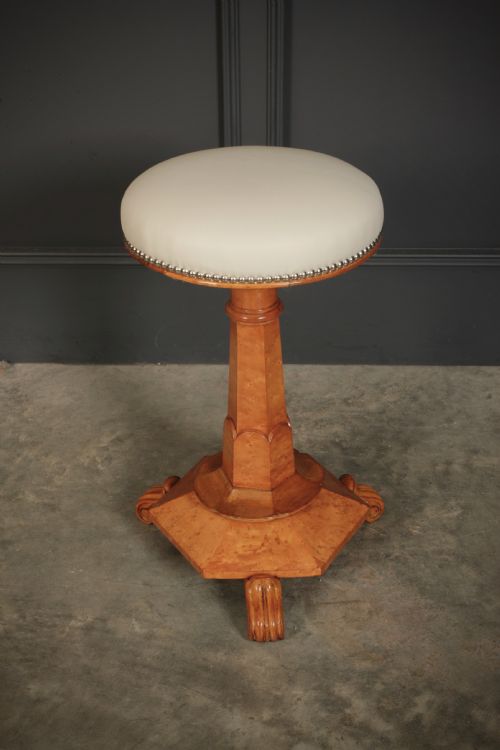
Vintage Leather Piano Stool
A vintage leather piano stool brings practical seating and period character to a room.
Vintage Leather Piano Stool
A vintage leather piano stool serves as functional seating at a keyboard or dressing table, drawing from periods such as the nineteenth century, the Edwardian era, and nineteen thirty. These pieces appear in forms ranging from rectangular dressing table stools and music chairs to revolving designs.
The evidence shows examples constructed in styles including Art Deco, Edwardian, Grand Regency, Georgian, and Victorian. Buyers meeting these items will find object types classified as piano stools, dressing chairs, ottomans, and benches.
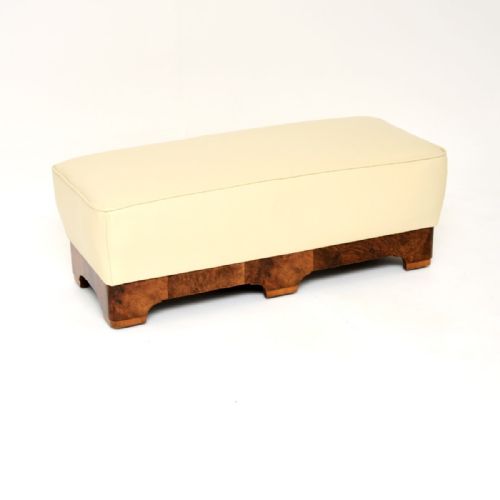
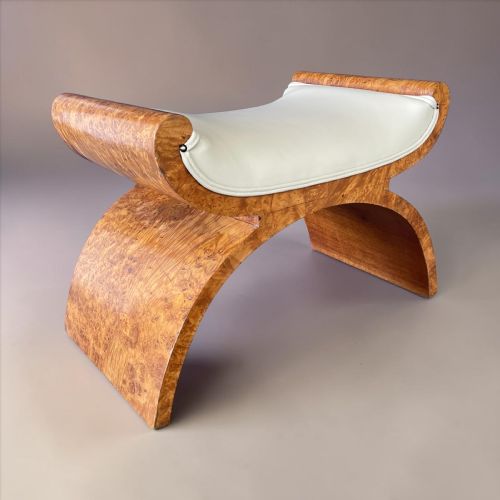
Makers recorded in the evidence include Harry and Lou Epstein, representing the nineteen thirty Art Deco period. Other pieces date broadly across the nineteenth century and the Edwardian period.
How they were made
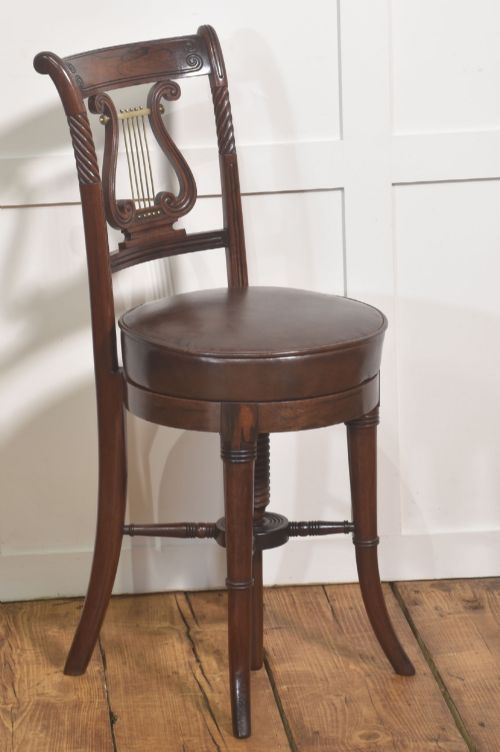
Construction relies on traditional timbers such as mahogany, walnut, burr walnut, birds eye maple, and oak. These woods form the structural frames and swivel mechanisms of the seating.
Upholstery incorporates leather in finishes such as cream and tan, paired with brass fittings and metal components for adjustable or revolving mechanisms.
Vintage Leather Piano Stool Retail Price Guide 2026
Typical asking prices for vintage leather piano stool among the pieces listed under this phrase on Sellingantiques today, from the lower quarter to the upper quarter. They describe what is for sale here now, not the wider market.
Listings feature items from the nineteenth century, Edwardian era, and nineteen thirty, utilising mahogany, walnut, birds eye maple, and leather.
What varies in quality
Quality differences lie in the choice of cabinet timbers, distinguishing burr walnut and birds eye maple from standard mahogany or oak. The sophistication of the mechanism, whether adjustable, revolving, or patented, also separates standard items from more complex designs.
The execution of the leather upholstery and the integrity of the frame construction define the standard of each piece. Maker attribution, such as work by Harry and Lou Epstein, adds distinction to the design.
Harry and Lou Epstein
The Vintage Leather Piano Stool Glossary
- Burr walnut
- A highly figured wood veneer valued for its swirling grain patterns. It frequently appears on Art Deco frames.
- Revolving
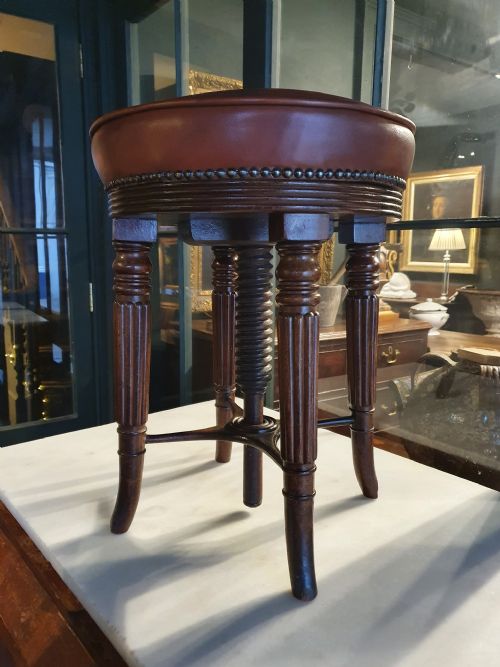
- A mechanical property allowing the seat to turn full circle. This function appears in Georgian and Regency examples.
- Patent
- A legally protected mechanical design registered by an inventor. Late nineteenth century music chairs utilise such innovations.
Vintage Leather Piano Stool: Frequently Asked Questions
What periods do these stools date from?
The pieces span several distinct eras, beginning with Georgian and Regency examples through to nineteenth century designs. Edwardian and nineteen thirty Art Deco items also appear.
Materials and styling reflect the prevailing tastes of each era, ranging from mahogany frames to burr walnut finishes.
How do adjustable piano stools function?
Adjustable variants utilise mechanical screw or revolving mechanisms housed beneath the seat. These allow the player to alter the seating height for comfort.
Patent music chairs from the late nineteenth century often incorporate specialised hardware for this purpose.
Where can these stools be placed?
While originally intended for piano practice, these pieces function equally well as dressing table stools or small occasional seats. Their compact proportions suit various rooms.
Rectangular designs fit neatly beneath desks or dressing tables.
What woods are used in the frames?
Makers utilised a variety of hardwoods, with mahogany and walnut being common across multiple periods. Burr walnut and birds eye maple appear specifically on Art Deco pieces.
Oak also forms the structural base of certain traditional designs.